Wet Rooms Add 11% to Home Value in 2026
Wet rooms represent a transformative approach to bathroom design. These fully waterproof spaces eliminate traditional shower enclosures and feature seamless, level flooring that drains efficiently. Homeowners increasingly choose wet rooms for their blend of modern aesthetics and functional advantages, which contribute significantly to property resale value.
In 2026, real estate experts project that installing a wet room will increase a home's market value by up to 11%. This boost stems from the growing demand for luxurious, low-maintenance bathrooms that appeal to a wide range of buyers. Beyond financial gains, wet rooms enhance daily living by providing spa-like experiences within the home.
Understanding Wet Rooms
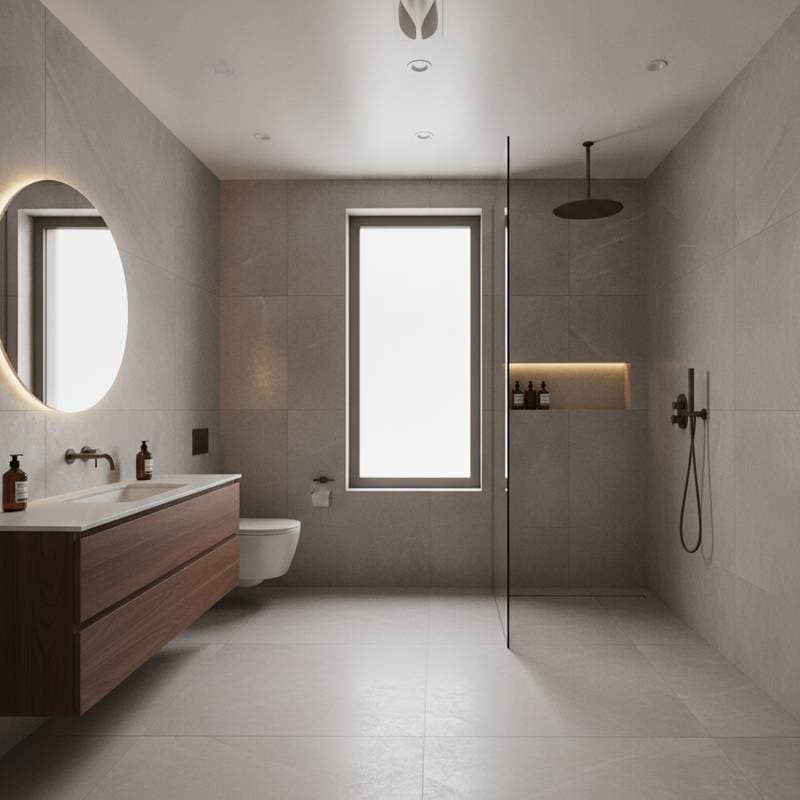
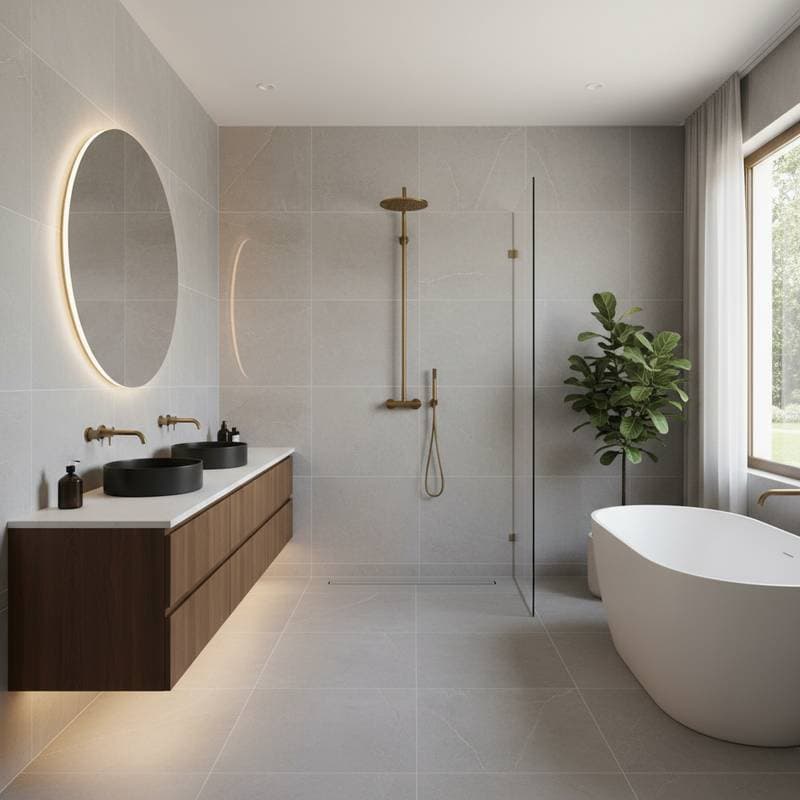
A wet room differs from conventional bathrooms through its integrated design. The entire floor and walls receive waterproof tiling or membranes, allowing water to flow freely without barriers. This setup creates an open, airy environment that maximizes space and light.
Traditional bathrooms often include shower trays or curbs that can make cleaning challenging and limit mobility. Wet rooms address these issues by incorporating subtle slopes toward central drains, ensuring water containment without visual clutter. Architects favor this style for its versatility in both small and large spaces.
The Value Boost Explained
Property appraisers recognize wet rooms as premium features that elevate a home's appeal. Data from recent market analyses indicates an average 11% uplift in resale prices for homes with updated bathrooms featuring wet room elements. Buyers associate these installations with contemporary living standards and long-term durability.
This value addition arises from multiple factors. First, wet rooms signal quality craftsmanship, which reassures potential purchasers. Second, they align with trends in sustainable and accessible design, broadening the buyer pool to include families, seniors, and eco-conscious individuals.
Economic forecasts for 2026 highlight rising interest rates and shifting preferences toward homes with built-in luxuries. A well-executed wet room positions a property as a turnkey solution, reducing negotiation hurdles during sales. Investors who prioritize such upgrades often see quicker returns on their renovations.
Aesthetic and Lifestyle Enhancements
Wet rooms introduce a spa-inspired ambiance that transforms routine routines into relaxing rituals. Large-format tiles in neutral tones create a serene backdrop, while features like rainfall showerheads add sensory appeal. Designers recommend incorporating natural stone or glass accents to amplify the luxurious feel.
Homeowners report greater satisfaction with the visual flow of wet rooms. Without partitions, the space feels expansive, ideal for minimalist or modern interiors. Custom lighting, such as recessed LEDs, further enhances the mood, making the bathroom a retreat rather than a utility area.
Integration with smart technology elevates the experience. Thermostatic controls maintain ideal water temperatures, and heated floors provide comfort year-round. These elements not only improve usability but also underscore the forward-thinking nature of the design.
Improving Accessibility for All Ages
Accessibility forms a core benefit of wet room designs. The absence of steps or thresholds allows seamless movement, benefiting individuals with mobility challenges. Universal design principles ensure that these spaces serve diverse needs without compromising style.
Grab bars and fold-down seats can integrate discreetly into tiled walls, providing support where necessary. Non-slip flooring materials reduce fall risks, a critical consideration for aging-in-place strategies. Families appreciate how wet rooms accommodate children and guests with varying abilities.
As populations age, demand for adaptable homes grows. Wet rooms future-proof properties by minimizing future modification costs. Real estate professionals note that accessible features like these can attract premium offers from buyers seeking long-term residences.
Simplified Maintenance and Durability
Maintenance in wet rooms proves straightforward due to their waterproof construction. Sealed surfaces resist mold and mildew, common issues in traditional setups. Regular cleaning requires only mild detergents and a squeegee, preserving the pristine appearance over time.
High-quality materials ensure longevity. Epoxy-based grouts and silicone sealants withstand constant moisture exposure. Homeowners avoid the wear from shower doors or caulking that deteriorates quickly in standard bathrooms.
Durability translates to cost savings. Fewer repairs mean lower ongoing expenses, appealing to budget-conscious buyers. Environmental benefits include reduced water waste through efficient drainage systems, aligning with green building standards.
Planning Your Wet Room Project
Successful wet room installations begin with thorough planning. Assess the existing bathroom layout to determine structural needs, such as reinforcing floors for water weight. Consult local building codes to ensure compliance with drainage and ventilation requirements.
- Measure the space precisely to select appropriate fixtures.
- Sketch a layout that optimizes flow and includes essential elements like vanities and storage.
- Budget for professional assessments to identify plumbing adjustments.
Engage an architect or designer early to visualize outcomes. Digital tools like 3D modeling software help preview designs and make adjustments. This preparation phase prevents costly errors and aligns the project with personal tastes.
Selecting Materials and Fixtures
Material choices define the wet room's performance and style. Opt for porcelain or ceramic tiles rated for wet environments, available in various sizes for a custom look. Waterproof membranes, such as liquid-applied systems, form the base layer to protect subfloors.
- Choose large-format tiles to minimize grout lines and ease cleaning.
- Select matte finishes to reduce glare and enhance safety.
- Incorporate eco-friendly options like recycled glass aggregates for sustainability.
Fixtures should prioritize functionality. Wall-mounted toilets save floor space, while frameless glass panels contain splashes if desired. Heated towel rails and mirrors with defogging features add practical luxury without overwhelming the design.
Professional Installation Essentials
Professional installation guarantees safety and efficiency. Certified contractors handle waterproofing applications, ensuring no leaks develop over time. They install linear drains along walls for discreet water evacuation, maintaining the level floor aesthetic.
The process typically spans one to two weeks, depending on complexity. Expect disruptions like temporary relocation of bathroom use. Post-installation, conduct water tests to verify sealing integrity before full use.
Hire specialists experienced in wet rooms to avoid pitfalls like inadequate sloping. Their expertise ensures the space meets aesthetic goals while adhering to technical standards. Quality workmanship directly impacts the long-term value added to the home.
Cost Analysis and Return on Investment
Initial costs for a wet room range from $15,000 to $30,000, varying by size and materials. Factors include demolition, plumbing rerouting, and custom features. Financing options through home equity loans make projects accessible.
The 11% value increase often recoups the investment upon resale. Shorter market times for upgraded homes further enhance returns. Compare quotes from multiple contractors to secure competitive pricing without sacrificing quality.
Long-term savings on maintenance and energy efficiency contribute to overall ROI. As 2026 approaches, early adopters position themselves advantageously in competitive markets. View the wet room as an asset that appreciates alongside property trends.
Realizing the Full Potential
Implementing a wet room elevates home functionality and market position. Focus on personalized details that reflect lifestyle needs, from color schemes to fixture placements. The result delivers a versatile space that serves immediate purposes and future aspirations.
Buyers seek properties that combine innovation with comfort. A thoughtfully designed wet room fulfills this demand, creating emotional connections during viewings. Embrace this upgrade to unlock both personal enjoyment and financial benefits in the evolving real estate landscape.