Understanding Storm Windows and Their Benefits
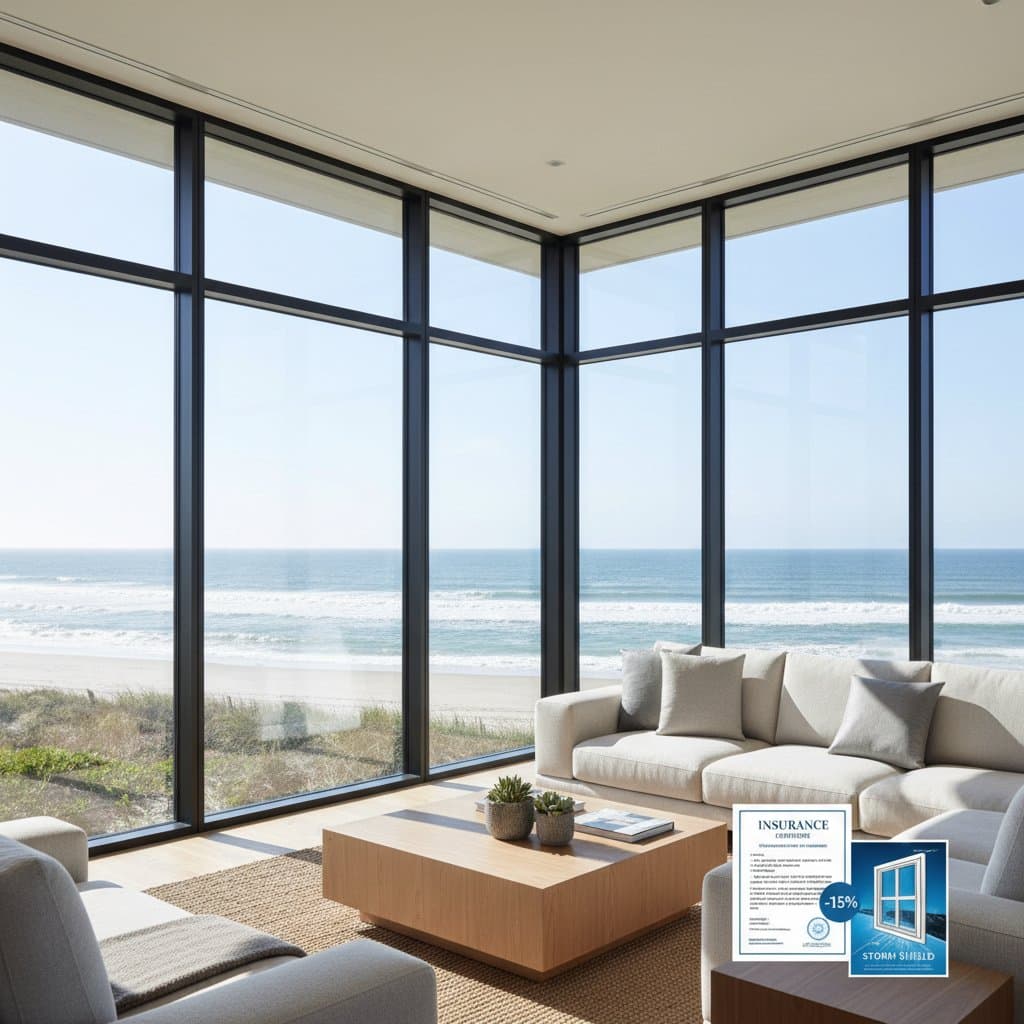
Storm windows, often referred to as impact-resistant or storm-proof windows, provide essential protection for homes in coastal and hurricane-prone areas. These windows feature laminated glass designed to withstand high winds and flying debris, reducing the risk of damage during severe weather events. Homeowners in such regions discover significant advantages, including lower insurance premiums, enhanced safety, and improved energy efficiency.
Insurance companies recognize the value of these upgrades by offering discounts that can reach up to 15 percent on premiums for qualifying installations. Beyond financial savings, storm windows contribute to a more secure living environment and increase property appeal in the real estate market. Professional assessment ensures that selections align with local building codes and wind zone requirements.
Insurance Discounts Explained
Qualifying for insurance reductions requires certified impact-resistant windows installed by licensed professionals. Insurers typically verify compliance through documentation such as installation certificates and product labels adhering to standards like ASTM E1996. Discounts vary by location; coastal areas with high wind risks often see the highest reductions, averaging 10 to 20 percent.
Factors influencing the discount include the extent of coverage across all exterior openings and the specific wind rating of the windows. For instance, windows rated for 140-mile-per-hour winds meet stringent requirements in many Florida zones. Homeowners should consult their insurance provider early to identify exact criteria and necessary paperwork.
Return on Investment and Resale Value
Investing in storm windows yields a strong return, with resale recovery rates of 60 to 80 percent of the initial cost. In hurricane-vulnerable markets, prospective buyers prioritize homes equipped with impact-rated glass, viewing it as a premium feature that mitigates future repair expenses. This upgrade elevates property value, particularly in regions where such protections are standard expectations.
The annual insurance savings further accelerate payback, often within three to five years depending on premium reductions and local rates. Energy benefits compound the value; laminated glass minimizes heat transfer, leading to noticeable decreases in cooling costs during hot summers. Over time, these windows preserve interior elements by blocking ultraviolet rays, reducing fading on furniture and flooring.
Energy Efficiency Advantages
Storm windows excel in thermal performance due to their multi-layered construction. The laminated interlayer acts as a barrier against heat gain, while optional low-emissivity coatings reflect infrared energy. In warm climates, this design can lower air conditioning demands by up to 20 percent, translating to substantial utility bill reductions.
Insulated frames, typically made from vinyl or fiberglass, enhance overall efficiency by preventing drafts and condensation. Homeowners report improved indoor comfort, with consistent temperatures throughout the year. These features position storm windows as a dual-purpose solution, combining storm resistance with everyday energy conservation.
Installation Safety and Best Practices
Proper installation forms the foundation of storm window effectiveness. Begin by confirming local wind zone maps through municipal resources or engineering consultations to select appropriate pressure ratings. Certified installers ensure alignment with building codes, avoiding common pitfalls like inadequate sealing that could invite water damage.
During the process, prioritize safety measures. Teams should use gloves, eye protection, and lifting equipment for heavy glass panels to prevent injuries. Inspect existing frames for rot or structural weaknesses; reinforce as needed before fitting new units. Disconnect electrical tools prior to any adjustments near wiring, and maintain factory labels intact until final inspections confirm compliance.
Sealing techniques prove critical for longevity. Apply high-quality caulk around perimeters to block moisture intrusion, which might otherwise foster mold growth. Post-installation, test windows for secure operation and document the work with photographs and receipts for insurance purposes.
Frequently Asked Questions
Do storm-proof windows lower insurance premiums?
Insurance providers generally offer discounts for certified impact-resistant installations. Savings typically range from 10 to 20 percent, influenced by regional risks and verification of compliance. Contact your agent to review policy specifics and required proofs.
Can homeowners replace windows individually?
Individual replacements are possible, yet full coverage of all openings usually qualifies for maximum discounts. Partial upgrades may compromise overall protection and limit eligibility for credits. Consult professionals to evaluate phased approaches.
Are these windows energy efficient?
The laminated and insulated designs reduce heat gain and ultraviolet exposure effectively. Performance rivals standard energy-efficient models, with savings dependent on climate and home orientation. Expect measurable improvements in comfort and costs.
Is a building permit necessary?
Most areas mandate permits for exterior window replacements to ensure code adherence. Verify requirements with local building authorities or hire a licensed contractor experienced in regional regulations. This step safeguards warranty validity and insurance benefits.
How does one confirm code compliance?
Seek products labeled with impact ratings and testing standards, such as ASTM E1996 or TAS 201. Retain all documentation, including certificates and serial numbers, for insurance claims and property sales. Professional verification adds assurance.
Steps to Upgrade Your Home
Residents in storm-prone zones benefit greatly from installing certified impact windows, which safeguard structures, lower premiums, and enhance daily living through noise reduction and efficiency. Initiate the process by obtaining multiple quotes from vetted installers knowledgeable in local codes. Gather details from your insurance agent on documentation needed to secure discounts.
Schedule a site evaluation to assess frame conditions and optimal window types. Budget considerations include material costs ranging from $500 to $1,200 per window, plus installation fees, offset by long-term gains. With careful planning, this investment delivers protection and value for years ahead.