Allocate an additional 10 to 15 percent of the budget for unforeseen elements, such as structural reinforcements or electrical adjustments. Comparing quotes from certified installers ensures competitive pricing without compromising quality.
Deciding Between DIY and Professional Installation
Attempting a do-it-yourself installation of smart glass carries significant risks due to the precision demanded in electrical and sealing processes. Improper execution can lead to system failures, safety hazards, or invalidated warranties.
DIY approaches suit only those with relevant expertise:
- Proficiency in low-voltage electrical wiring and testing.
- Ability to safely maneuver heavy glass panels during placement.
- Access to tools like multimeters, sealants, and protective equipment.
Engage professionals under these circumstances:
- Visible issues like internal condensation in existing windows.
- Inconsistent tint activation or shading irregularities.
- Deformed or misaligned window frames requiring adjustments.
Certified installers conduct thorough pre-installation tests on each panel, confirm stable voltage, and adhere to local codes. This diligence prevents costly callbacks, which could exceed initial savings. For optimal results, select contractors experienced in smart home technologies to guarantee seamless operation from day one.
Ensuring Longevity Through Maintenance and Warranties
Smart glass demands minimal daily intervention, provided owners follow a structured care routine to preserve functionality. Regular attention extends the system's lifespan and maintains performance standards.
Daily and Periodic Maintenance:
- Wipe surfaces monthly using ammonia-free cleaners and microfiber cloths to avoid chemical damage.
- Annually examine seals, frames, and edges for signs of wear, cracks, or moisture ingress.
- Inspect wiring connections periodically for corrosion or loosening that could disrupt controls.
Scheduled Professional Services:
- Perform annual recalibration of tint mechanisms to ensure uniform response.
- Replace batteries in control units or backup systems every three to five years to sustain reliability during power fluctuations.
Warranty coverage provides essential protection:
- Glass panels receive 10 to 15 years of coverage against defects like delamination or tint degradation.
- Electronic components carry a standard five-year warranty, with options for extension through maintenance contracts.
Neglecting these steps risks diminished tint consistency and premature wear. Retain all installation records and service logs, as manufacturers often require proof of professional setup for claims. This documentation also supports energy rebate applications and future appraisals.
Implementing Smart Glass for Maximum Benefit
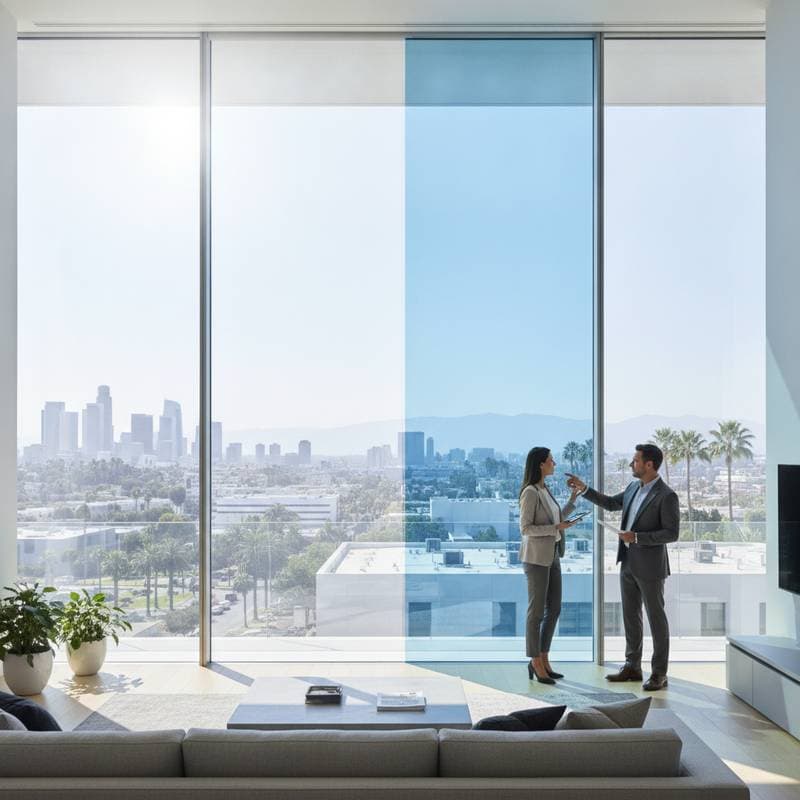
Begin the process by assessing your home's needs and financial scope to select the appropriate scale of installation. Targeting high-traffic areas, such as living rooms or offices exposed to direct sunlight, yields quick improvements in comfort and demonstrates the technology's value.
For properties with outdated windows suffering from drafts or inefficiency, smart glass serves as an ideal replacement. Consider layering electrochromic films over triple-pane glazing for superior thermal performance, potentially reducing heat loss by 40 percent despite the higher initial outlay. This combination maximizes energy savings and elevates the home's market position.
When preparing for resale, focus on prominent features like south-facing windows, where the adaptive shading makes a tangible difference in buyer perceptions. Highlight these upgrades during showings to underscore the 11 percent value uplift backed by efficiency gains.
Organize all related paperwork, including rebate confirmations and maintenance histories, to bolster credibility with appraisers or potential buyers.
Practical Steps to Proceed:
- Establish a detailed budget and obtain multiple quotes for retrofit versus full replacement options.
- Review warranty details and inquire about extended service agreements for peace of mind.
- Time the installation for temperate seasons to facilitate smoother workflow.
- Document the project with photographs and receipts to substantiate improvements.
- Experience the ongoing advantages of customizable light and privacy that enhance living quality and property desirability.
Realizing Sustained Returns on Your Investment
Smart glass transcends mere technological enhancement by delivering enduring enhancements in privacy, energy management, and interior ambiance. Homeowners benefit from lower utility costs, reduced environmental impact, and a competitive edge in the real estate market. As adoption grows, this upgrade solidifies its role as a cornerstone of sustainable home improvement, yielding dividends in comfort and financial value for years to come.