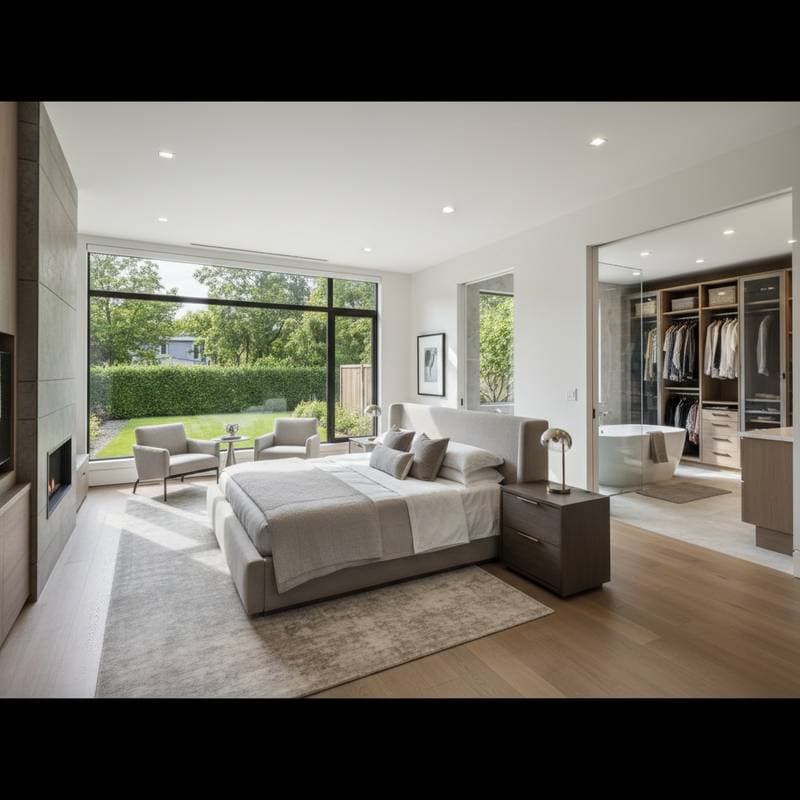
Enhance Your Home's Value: Achieve 73% ROI with Primary Suite Additions in 2025
Primary suite additions deliver approximately 73 percent return on investment when selling your property. Prospective buyers prioritize privacy, ample space, and superior comfort in master accommodations. A comprehensive primary suite addresses these preferences comprehensively, frequently serving as the pivotal element that secures a successful transaction.
Components of an Effective Primary Suite Addition
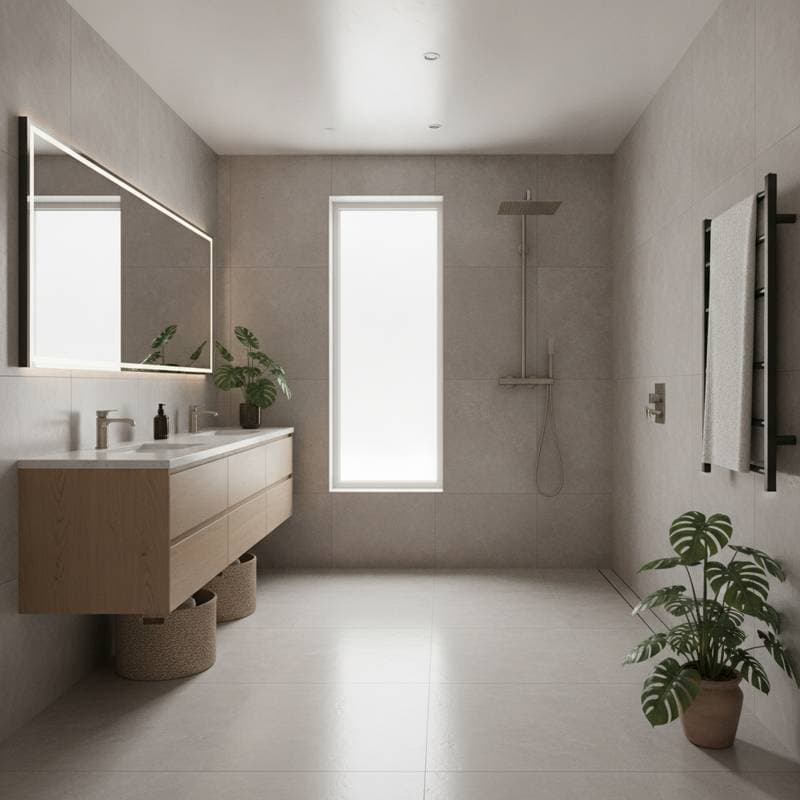
A primary suite extends beyond an expansive bedroom. It incorporates a dedicated private bathroom, generous walk-in closet, and potentially a cozy sitting nook or access to an outdoor patio. The design philosophy centers on creating an independent sanctuary that integrates seamlessly yet distinctly within the home's overall layout.
Essential Steps for Adding a Primary Suite
-
Outline the spatial configuration. Determine whether to expand horizontally on the ground level or vertically on an upper floor. Ground-level expansions simplify access but demand sufficient yard area; upper-level options necessitate thorough structural evaluations to ensure stability.
-
Incorporate core functional elements. Allocate space for a complete bathroom, expansive closet, and primary sleeping quarters. Prioritize abundant natural illumination through strategically placed windows and effective airflow systems to maintain a fresh environment.
-
Secure necessary permits and adhere to building codes. Municipal regulations typically mandate approvals for any modifications involving structural alterations, plumbing installations, or electrical upgrades. Consult local authorities early to identify specific requirements.
-
Engage a professional designer or architect. These experts evaluate how the addition aligns with the existing home's architecture and aesthetic, preventing costly mismatches in style or proportion.
-
Choose high-quality materials and finishes. Select resilient flooring options such as hardwood or porcelain tile, energy-efficient double-pane windows, and surfaces engineered to resist moisture in bathroom areas.
-
Coordinate the construction phases. The process encompasses framing the structure, installing plumbing and electrical systems, applying insulation, erecting drywall, and applying final finishes like painting and trim work.
-
Conduct inspections and complete the project. Obtain official certifications from inspectors to confirm compliance before installing furniture or operational fixtures.
Detailed Cost Analysis
| Task | Typical Cost Range | Factors Influencing Cost |
|---|---|---|
| Design and Permits | $4,000 - $10,000 | Regional permit fees, project intricacy |
| Core Construction | $90,000 - $170,000 | Dimensions, configuration, material selections |
| Plumbing and Electrical | $8,000 - $15,000 | Premium fixture choices, extent of wiring |
| Finishes and Fixtures | $10,000 - $30,000 | Options in tile, flooring, and illumination |
| Furnishings | $3,000 - $10,000 | Selections in furniture and decorative elements |
The aggregate cost for a primary suite addition generally falls between $115,000 and $235,000. Nationally, expect a 73 percent ROI, with potential increases in vibrant real estate markets where demand for luxury features drives premium pricing. Variations arise from local labor rates, availability of building supplies, and prevailing property valuations.
Project Timeline Expectations
Completing a primary suite addition requires three to five months, spanning initial design through final inspections. The design and permitting phase spans four to eight weeks, allowing time for revisions and approvals. Construction itself demands eight to sixteen weeks, depending on the scope.
Delays may occur due to inclement weather, shortages in supply chains, or extended permit processing. Opting for readily available, standard materials and maintaining a detailed project blueprint can expedite the schedule significantly.
Weighing DIY Options Against Professional Services
DIY Approaches:
These suit minor updates to an existing bedroom, such as applying fresh paint, laying new flooring, or assembling basic furniture. Such tasks demand basic skills and tools but avoid regulatory hurdles.
Professional Involvement:
Structural expansions, electrical installations, or plumbing integrations necessitate licensed experts. Professionals handle square footage increases or roofline modifications, ensuring adherence to codes and providing warranties. Engaging contractors safeguards against permit denials and future liabilities.
Compromising on critical elements like electrical wiring or waterproofing invites expensive repairs down the line. Delegate any work involving load-bearing components or compliance standards to qualified specialists.
Comprehensive Tools and Materials Inventory
- Precision tape measure and spirit level for accurate layout verification.
- Framing equipment, including hammers, saws, and nails, for erecting new walls.
- Sheets of drywall, rolls of insulation, and quality paint supplies.
- Assorted lighting fixtures paired with compatible wiring components.
- Bathroom-specific plumbing elements and moisture-resistant tile.
- Durable flooring materials, molding, and interior doors.
- Essential safety equipment, such as protective goggles, gloves, and dust masks.
Stockpile all required items on-site prior to commencement to prevent interruptions during active phases.
Considerations for Regional and Climatic Variations
In regions with harsh winters, prioritize superior insulation layers to minimize thermal loss and maintain energy efficiency. Humid or coastal environments call for mold-resistant drywall and fixtures resistant to corrosion from salt air.
Properties in seismic zones or hurricane-prone areas must incorporate reinforced framing and secure anchoring systems compliant with stringent local standards. Verify all specifications with the municipal building department before initiating groundwork or electrical setups.
Prioritizing Safety and Regulatory Compliance
Primary suite projects intersect with foundational home systems, including structure, water lines, and power distribution, all of which demand rigorous inspections. Bypassing permit processes jeopardizes financial protections and insurance validity.
Install ground-fault circuit interrupter outlets in moisture-prone locations like bathrooms and kitchen sinks. Ensure adequate ventilation systems to mitigate mold growth risks. Employ fire-resistant doors for connections to garages or main corridors.
The Strategic Value of This Investment
Homeowners frequently compare the impact of various upgrades, such as additional bedrooms versus kitchen remodels. Primary suites excel by augmenting usable living area and personal seclusion. Buyers perceive them as transformative lifestyle enhancements, prompting quicker sales and elevated offers compared to comparable properties lacking such features.
Expert Recommendations for Optimal Results
- Harmonize the addition with existing elements. Align trim profiles, flooring textures, and color schemes to foster a cohesive home appearance.
- Incorporate private access points or scenic outdoor views. These amenities, if feasible within the site plan, elevate perceived luxury.
- Layer illumination strategically. Combine ambient, task, and accent lighting to support daily activities and create inviting atmospheres.
- Maximize storage solutions. Integrate custom built-in cabinetry and organized closet systems to convey tailored sophistication.
- Focus on broad market appeal. Steer clear of niche decorative motifs or disproportionately large fixtures that reduce usable space.
Attention to these nuances distinguishes a refined addition from one that feels extraneous.
Common Questions Addressed
Does adding a primary suite require permits?
Yes, expansions involving structural changes, plumbing, or electrical work mandate official permits to ensure safety and legality.
Is converting an existing bedroom viable?
Absolutely, provided adequate room exists for a full bathroom and closet integration. This approach incurs lower expenses than ground-up construction.
What dimensions define a standard primary suite?
Typical sizes span 350 to 600 square feet, with adaptable compact layouts suiting space-constrained properties.
Advancing Your Home Improvement Journey
Undertaking a primary suite addition represents a substantial commitment, yet it yields enduring benefits in daily enjoyment and financial returns. Initiate the process with a precise blueprint, obtain requisite approvals, and collaborate with skilled professionals for intricate executions. This strategic upgrade not only refines your residence but also positions it advantageously in competitive markets.