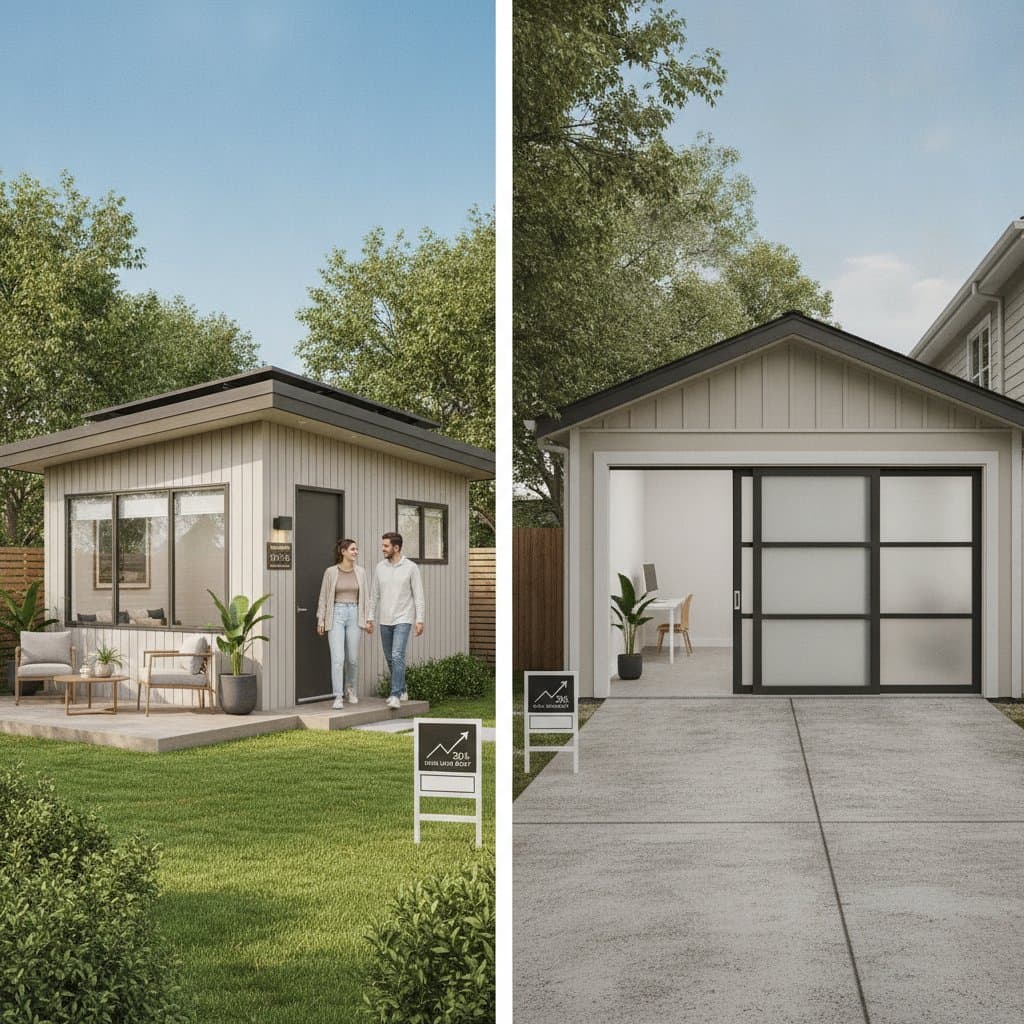
Maximize ROI: 92% Return on Garage Bonus Rooms
Typical payoff: about 92% return on investment for a well-designed garage bonus room conversion.
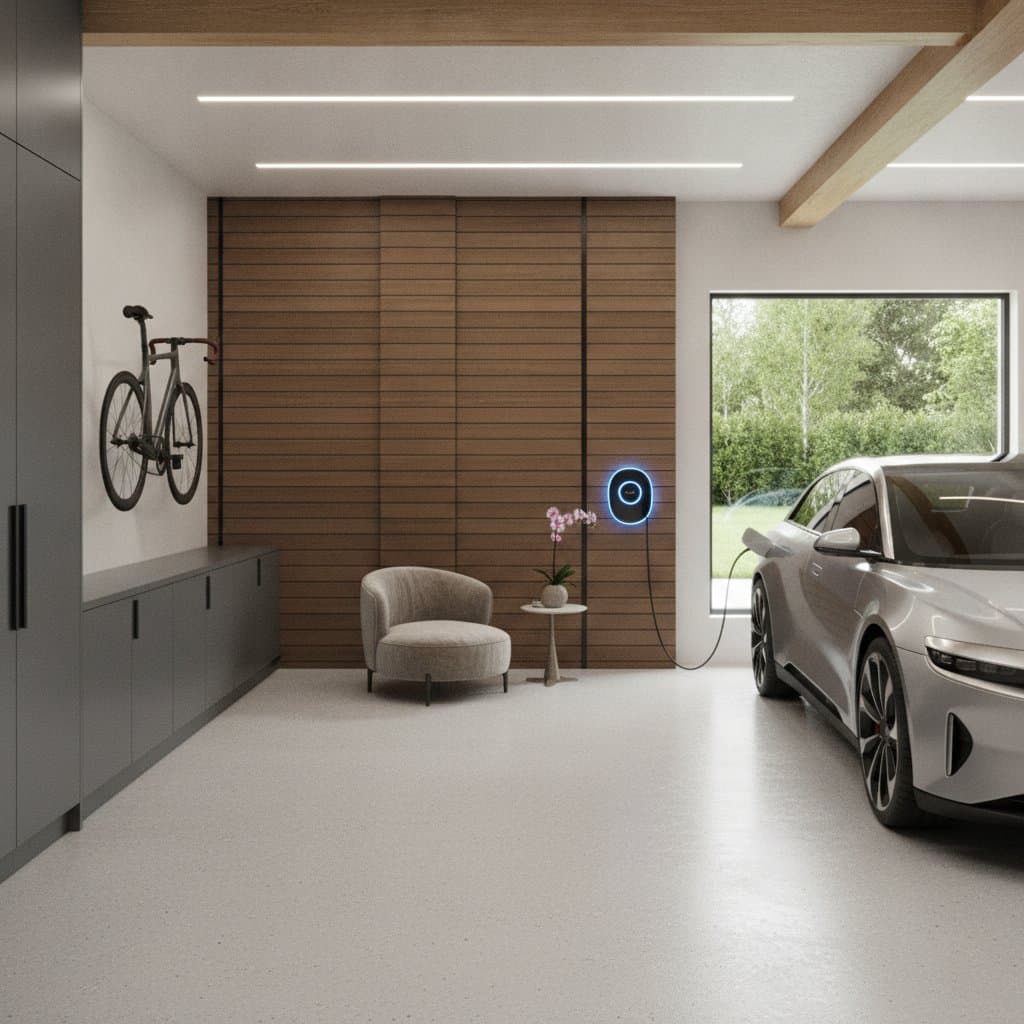
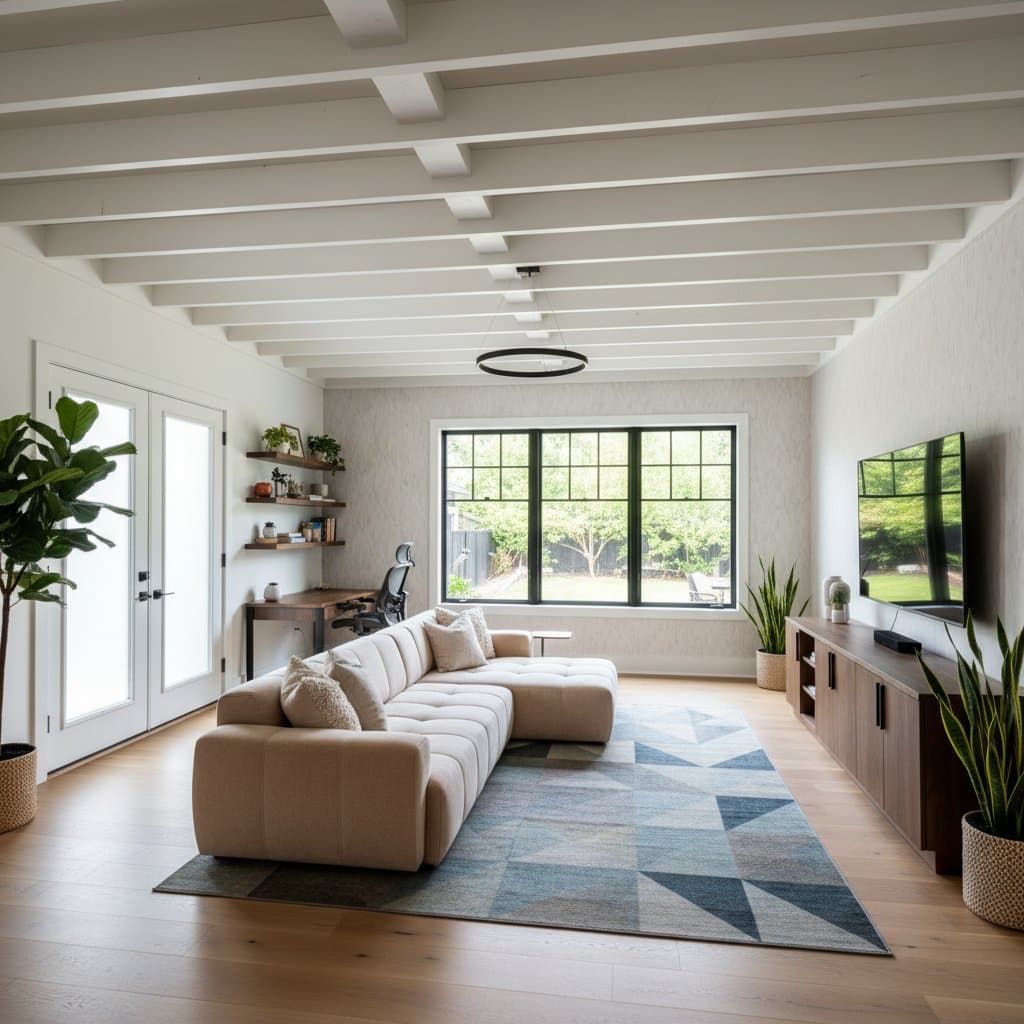
Turning unused garage space into a bonus room can add livable square footage, increase resale value, and adapt your home for changing needs. Done smartly, it earns one of the best returns among midrange home projects.
Cost Factors
1. Materials
- Framing and insulation: $3 to $8 per square foot depending on wall and ceiling upgrades.
- Flooring: Luxury vinyl or engineered wood adds $3 to $7 per square foot.
- HVAC extension: Expect $2,000 to $5,000 if your system can handle new load.
2. Labor
- Local rates vary, but plan for 40 to 60 percent of total cost. Skilled trades handle electrical, plumbing, and drywall.
3. Size and Layout
- A single-car garage conversion runs 200 to 300 square feet.
- Double garages can double costs but improve flexibility for multi-use layouts.
4. Permits and Code
- Building permits average $800 to $2,000.
- If plumbing is added, expect additional inspection fees.
5. Finishes and Add-ons
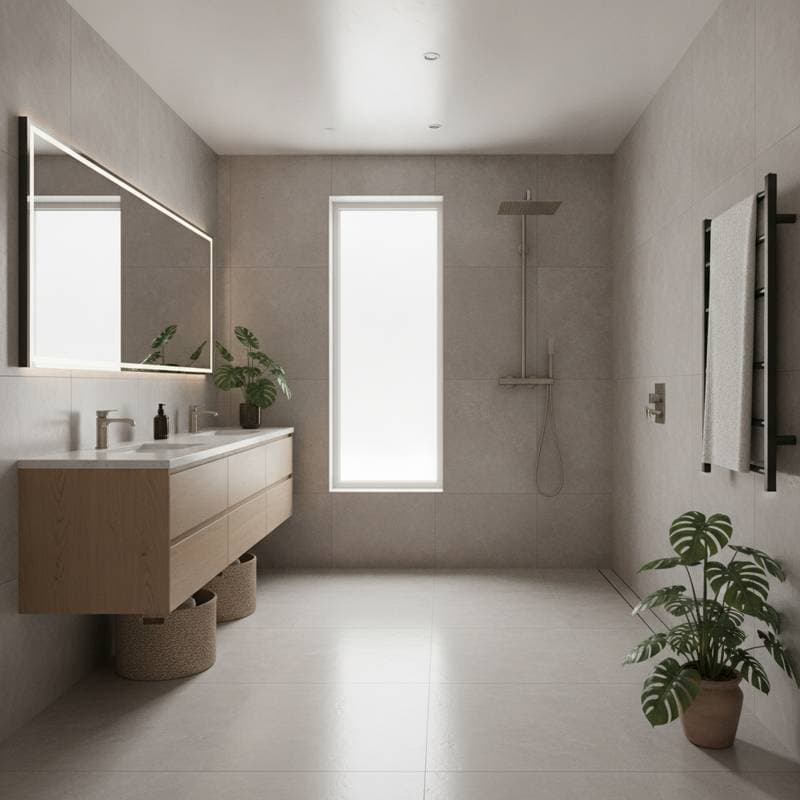
- Adding a small bathroom adds $8,000 to $15,000.
- Soundproofing or built-in storage increases cost but boosts comfort.
Plan for an extra 10 to 15 percent contingency for hidden conditions like slab cracks or outdated wiring.
DIY vs Pro
DIY When:
- The space is already insulated and wired.
- You are handling finish work like flooring or painting.
- You have access to basic carpentry tools and patience for slow progress.
Hire a Pro When:
- The garage needs structural work or foundation repair.
- Plumbing, HVAC, or electrical expansion is required.
- You want to ensure code compliance for resale.
Risk: Poor insulation or wiring can fail inspections and lower home value.
Skill Level: Intermediate to advanced for partial DIY.
Tools Needed: Circular saw, insulation knife, drill, moisture meter, and safety gear.
Always shut off power before starting electrical work and use protective eyewear and gloves. If gas appliances are nearby, check ventilation before sealing walls.
Maintenance and Warranties
A garage bonus room lasts decades if you maintain moisture control and temperature balance.
Routine Care:
- Inspect for moisture at the slab edge every few months.
- Replace HVAC filters quarterly.
- Touch up paint and caulk around trim annually.
Warranties:
- Flooring typically carries 10 to 20 years of coverage.
- HVAC mini-split units often have 5 to 10 years on parts.
- Electrical or plumbing work by licensed pros usually includes a 1-year labor warranty.
Protect your investment by keeping documentation and receipts, especially for permitted work.
Making It Happen
Start by deciding if the garage structure is worth converting or if a detached unit makes more sense. If your roof and slab are in good condition, a conversion is usually the faster, cheaper route.
Next Steps:
- Get a local contractor estimate to confirm structural readiness.
- Check zoning for accessory living use if adding plumbing or kitchen space.
- Prepare a clear purpose for the room before selecting finishes.
- Budget a 10 percent cushion for unexpected costs.
- Schedule work during moderate weather for faster completion.
A garage bonus room can be one of the smartest remodels for resale and daily living. When designed for flexibility and built with solid insulation, it delivers comfort now and strong return later.
A 92% return is realistic when the project matches your home’s quality and local demand. Done right, you gain usable space, lower clutter, and a property that feels more complete.