Pocket Doors: 2025's Hidden Boost for Space and Value
Typical cost: $800 to $2,400 per door installed. Smart homeowners use pocket doors to reclaim square footage and modernize layouts without expanding walls.
Why Pocket Doors Matter
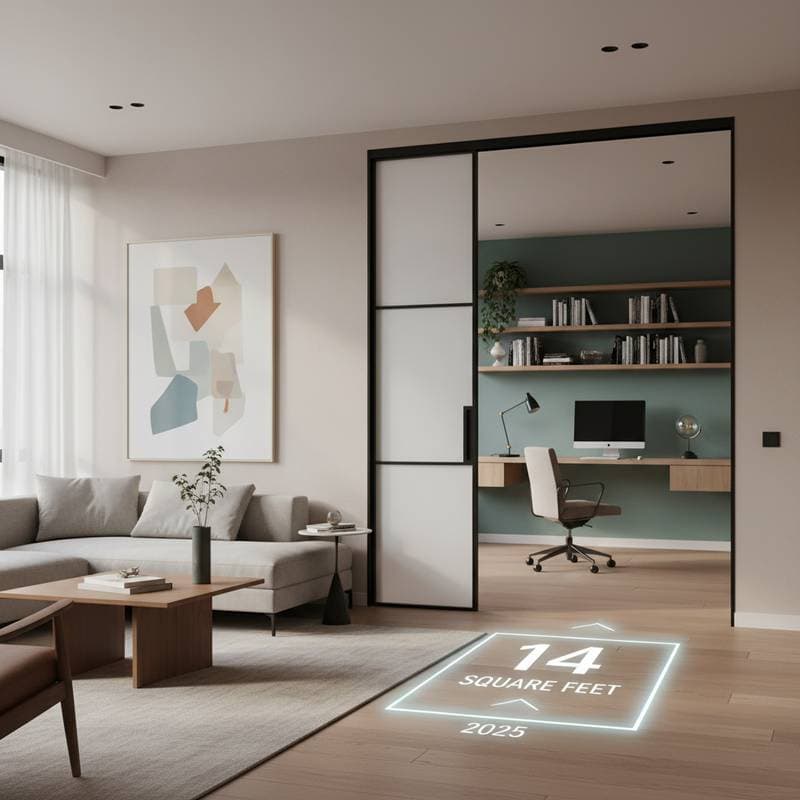
Pocket doors slide inside the wall cavity instead of swinging open. Each one saves roughly 10 to 14 square feet of usable space. That additional area allows for larger furniture arrangements, wider walkways, or a cleaner visual line in compact spaces such as bedrooms, bathrooms, and laundry rooms.
These doors also deliver quiet value. Potential buyers appreciate the clear floor space and modern aesthetic, while appraisers frequently classify them as a premium interior upgrade when installation ensures smooth operation.
Options and Styles
Pocket doors fit both modern and traditional interiors. Key variations arise from style, material, and movement mechanisms.
Basic Setup
- Single hollow-core slab
- Standard track and jamb kit
- Painted finish
Best for: Guest bathrooms or closets where function takes priority over aesthetics.
Midrange Setup
- Solid-core wood or glass panel
- Soft-close hardware
- Decorative trim or casing
Best for: Bedrooms, laundry rooms, or home offices.
Premium Setup
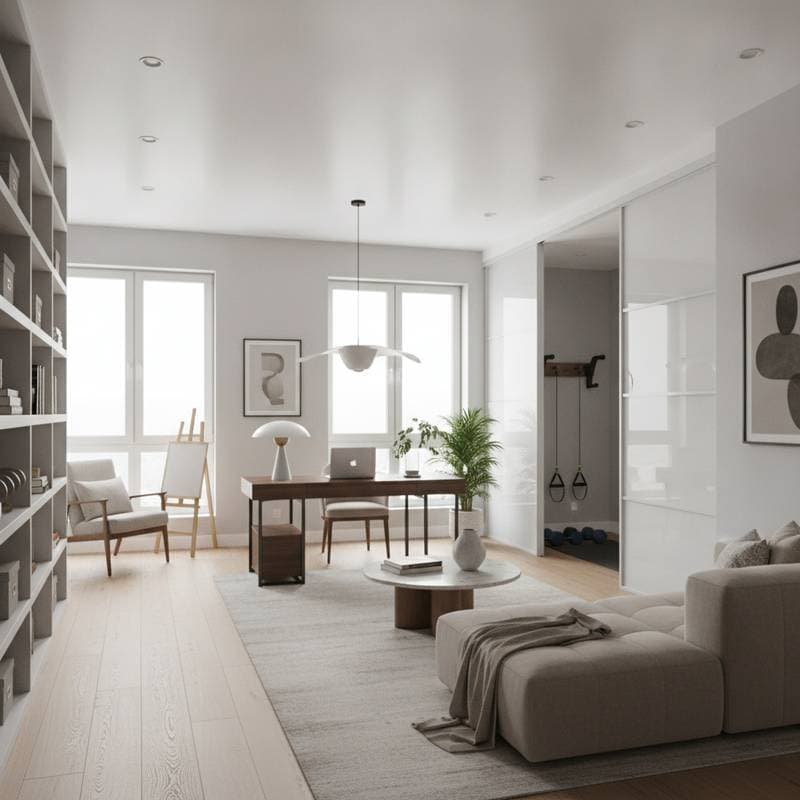
- Custom double pocket doors
- Concealed tracks and high-end finishes
- Integrated lighting or frosted glass panels
Best for: Master suites or open-plan transitions that demand design continuity.
Timing and Savings
Lead Times
Standard kits appear at most home centers, but custom sizes or glass inserts demand 3 to 6 weeks. Homeowners plan early during remodel design phases to prevent delays.
Seasonal Factors
Dry weather aids paint curing and minimizes wood swelling that disrupts sliding alignment. Homeowners avoid humid seasons when possible to ensure optimal performance.
Rebates and Efficiency Credits
Pocket doors do not qualify for direct energy rebates. However, they minimize air leaks from inadequate door seals and support even airflow in zoned heating or cooling systems.
Project Pairing for Savings
Installation during other drywall or flooring projects proves efficient. Shared labor and disposal efforts reduce costs by 10 to 20 percent.
Maintenance and Lifespan
Pocket doors endure for decades when hardware remains clean and aligned.
Routine Care
- Vacuum tracks yearly to clear dust and hair.
- Lubricate rollers with silicone spray rather than oil.
- Tighten handle screws during seasonal maintenance checks.
Common Issues
- Sticking or scraping: Often results from misaligned jambs or accumulated debris.
- Rattling: Signals loose rollers or absent guides.
- Door not closing fully: Requires adjustment of track stops or inspection for warped panels.
Upkeep Costs
Annual expenses range from $25 to $75 for lubrication, hardware inspections, and minor touch-ups. Replacement rollers or guides cost $15 to $40 per set.
Good, Better, Best Choices
| Level | Material | Hardware | Look | Cost Installed | Notes |
|---|---|---|---|---|---|
| Good | Hollow-core wood | Basic track | Painted | $800 | Light and simple, yet offers less sound control |
| Better | Solid-core or frosted glass | Soft-close | Decorative trim | $1,200 | Provides balanced value for most homes |
| Best | Custom double or full-height | Concealed track | Seamless design | $2,400+ | Delivers high-end finish for open layouts |
Soft-close hardware stands out as an essential upgrade. It prevents jarring impacts and prolongs the life of both the door and frame.
Design and Material Insights
Wood Doors
Wood doors offer a warm, natural appearance but carry more weight. Prefinished options speed up installations. Homeowners steer clear of inexpensive veneers that peel in humid environments.
Glass Doors
Glass doors excel in rooms requiring light flow. Frosted or fluted surfaces maintain privacy while enhancing interior brightness. Tempered glass ensures safety in all applications.
Metal or Composite Frames
These materials suit modern styles or damp areas. They resist warping better than wood but demand precise on-site trimming.
Soundproofing Add-ons
Acoustic seals and dense panels reduce noise transfer by 30 to 40 percent. Such features prove valuable for shared walls or dedicated office spaces.
Common Mistakes to Avoid
- Skipping wall inspection: Concealed wiring may interrupt progress unexpectedly.
- Choosing the wrong door thickness: Standard pocket kits accommodate 1 3/8-inch slabs.
- Overfilling the cavity with insulation: Excess material impedes smooth sliding.
- Ignoring level checks: Even minor tilts lead to persistent drag.
Implementing Pocket Doors Effectively
Pocket doors provide a streamlined method to modernize homes without increasing square footage. They liberate space, minimize clutter, and foster flexible living zones.
Homeowners begin by targeting one or two cramped areas. The following steps guide the process:
- Assess walls for sufficient cavity depth, typically at least 4 inches.
- Allocate a budget of $800 to $2,400 per door, factoring in labor.
- Time installation alongside drywall or flooring projects to maximize savings.
- Select solid-core or frosted glass options for enhanced durability and light transmission.
- Engage a professional for precise alignment, especially in load-bearing walls.
Careful planning yields pocket doors that glide silently and vanish seamlessly when unused. This upgrade enhances daily functionality and elevates overall home appeal for years to come.