The Rising Appeal of Mudrooms in Modern Homes
Mudrooms serve as transitional spaces between the outdoors and the home interior, designed to manage footwear, outerwear, and daily essentials. In 2025, these functional areas gain prominence as homebuyers prioritize practical features that simplify life amid busy schedules. A thoughtfully planned mudroom not only organizes chaos but also signals a well-maintained property, directly influencing resale outcomes.
Homeowners who incorporate mudrooms report reduced clutter in primary living areas, fostering a sense of order from the moment of entry. Real estate experts note that such additions align with current trends toward multifunctional spaces, making them a strategic choice for value enhancement. As urban and suburban lifestyles evolve, the demand for dedicated entry zones continues to grow.
Understanding the 92% Resale ROI
Remodeling data for 2025 projects a 92% cost recovery for mudroom additions, surpassing many other home improvements. This high return stems from the broad appeal of organized entryways to families and professionals alike. Buyers view mudrooms as evidence of forward-thinking design, often willing to pay a premium for homes that include them.
The financial benefit arises from both immediate usability and long-term durability. Materials chosen for mudrooms withstand heavy use, ensuring the space remains attractive over time. In competitive markets, properties with mudrooms sell faster, sometimes by weeks, due to their practical allure.
Factors influencing this ROI include location and execution quality. Coastal regions favor weather-resistant features, while inland areas emphasize storage capacity. Proper planning maximizes these elements, turning a modest investment into substantial equity.
Key Design Elements for Effective Mudrooms
Durable Flooring and Wall Finishes
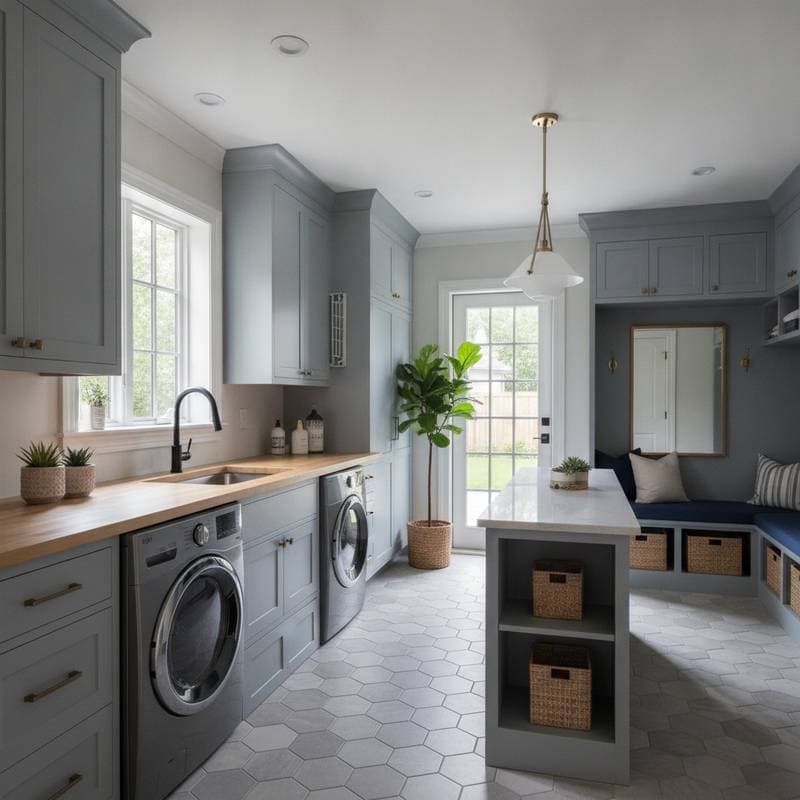
Select flooring materials that resist moisture and wear, such as porcelain tile or luxury vinyl plank. These options endure tracked-in dirt and water without fading or warping. Pair them with painted walls in neutral tones to create a clean, inviting backdrop.
Wall finishes should incorporate easy-to-clean surfaces, like semi-gloss paint or wainscoting. Avoid delicate fabrics that collect dust; instead, opt for materials that simplify maintenance. This approach ensures the space remains presentable for showings and daily life.
Built-In Storage Solutions
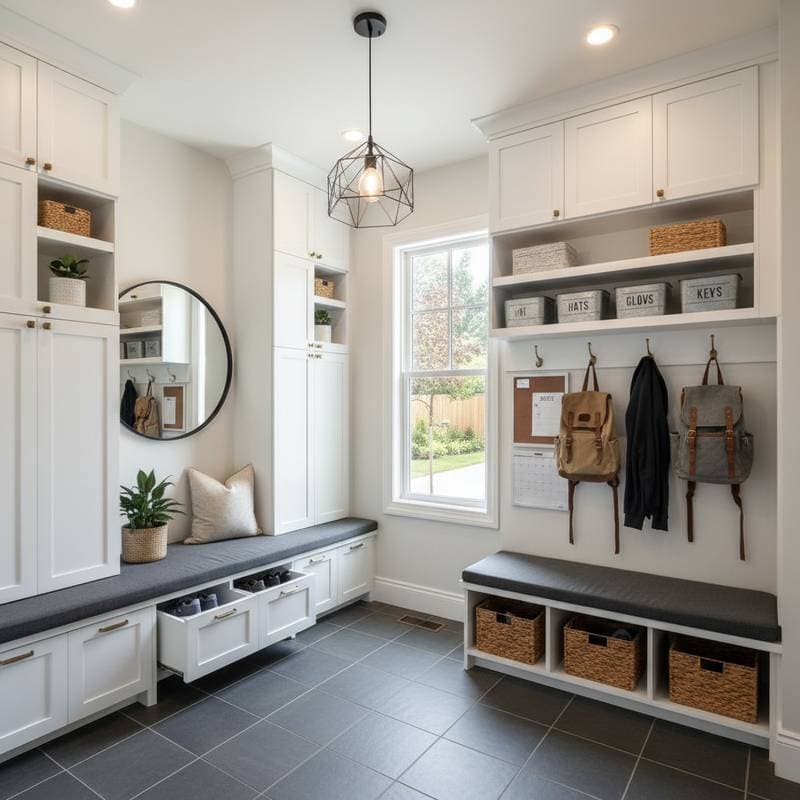
Incorporate cubbies, benches with under-seat drawers, and wall-mounted hooks for efficient organization. These features accommodate boots, bags, and sports gear without encroaching on floor space. Customize heights to suit all family members, from children to adults.
Open shelving works well for frequently used items, while enclosed cabinets hide less attractive essentials. Consider adding a charging station for devices to enhance tech integration. Such details transform the mudroom into a hub that supports modern routines.
Lighting and Ventilation Strategies
Install layered lighting with overhead fixtures and task-oriented LEDs under cabinets. Natural light from nearby windows brightens the area, reducing the need for artificial sources during the day. This setup improves visibility for sorting items and enhances overall ambiance.
Proper ventilation prevents musty odors from lingering; exhaust fans or operable windows suffice for most designs. In humid climates, dehumidifiers maintain freshness. These elements contribute to a comfortable, hygienic space that appeals to health-conscious buyers.
Step-by-Step Implementation Guide
Assess Your Space and Needs
Begin by measuring the entry area and identifying traffic patterns. Determine the volume of items to store based on household activities, such as gardening or pet care. Sketch initial layouts to visualize flow and ensure accessibility.
Consult local building codes for any required permits, especially if expanding the footprint. Budget allocation should cover materials, labor, and unforeseen adjustments. This preparation phase sets the foundation for a seamless project.
Select Materials and Contractors
Choose suppliers offering warranties on flooring and cabinetry to protect your investment. Vet contractors through references and portfolios focused on similar remodels. Clear contracts outline timelines, costs, and deliverables to avoid delays.
Prioritize professionals experienced in compact space optimization. Their expertise ensures custom fits that maximize utility. Regular site visits during construction maintain quality standards.
Execute the Remodel Efficiently
Most mudroom projects complete within four to six weeks, minimizing disruption. Start with demolition if needed, followed by rough-ins for plumbing or electrical updates. Install storage units next, then finishes for a polished look.
Test functionality upon completion, adjusting hooks or shelves as necessary. Professional cleaning prepares the space for immediate use. Document the process with photos for resale portfolios.
Regional Adaptations for 2025 Trends
In Southern California, mudrooms incorporate surfboard racks and outdoor showers to handle beach lifestyles. Durable, UV-resistant materials protect against sun exposure. These adaptations resonate with local buyers seeking seamless indoor-outdoor connections.
Midwestern designs emphasize insulated walls and heated floors to combat harsh winters. Ample boot dryers and glove compartments address seasonal needs. Such features highlight climate-specific practicality, boosting regional appeal.
Urban apartments benefit from compact, vertical storage solutions like tall lockers. Space-saving benches fold away when not in use. These innovations fit smaller footprints while delivering full functionality.
Maximizing Long-Term Benefits
A mudroom extends beyond resale value by streamlining daily transitions. Families experience less stress from disorganized entries, promoting harmony in shared spaces. The investment pays dividends in convenience and curb appeal.
Regular maintenance preserves the space's condition, ensuring sustained performance. Periodic deep cleans and hardware checks keep everything operational. Homeowners who integrate smart features, like automated lighting, future-proof their design.
Ultimately, mudrooms represent a blend of form and function that elevates everyday living. By focusing on quality and personalization, this addition creates lasting value for current and future occupants.