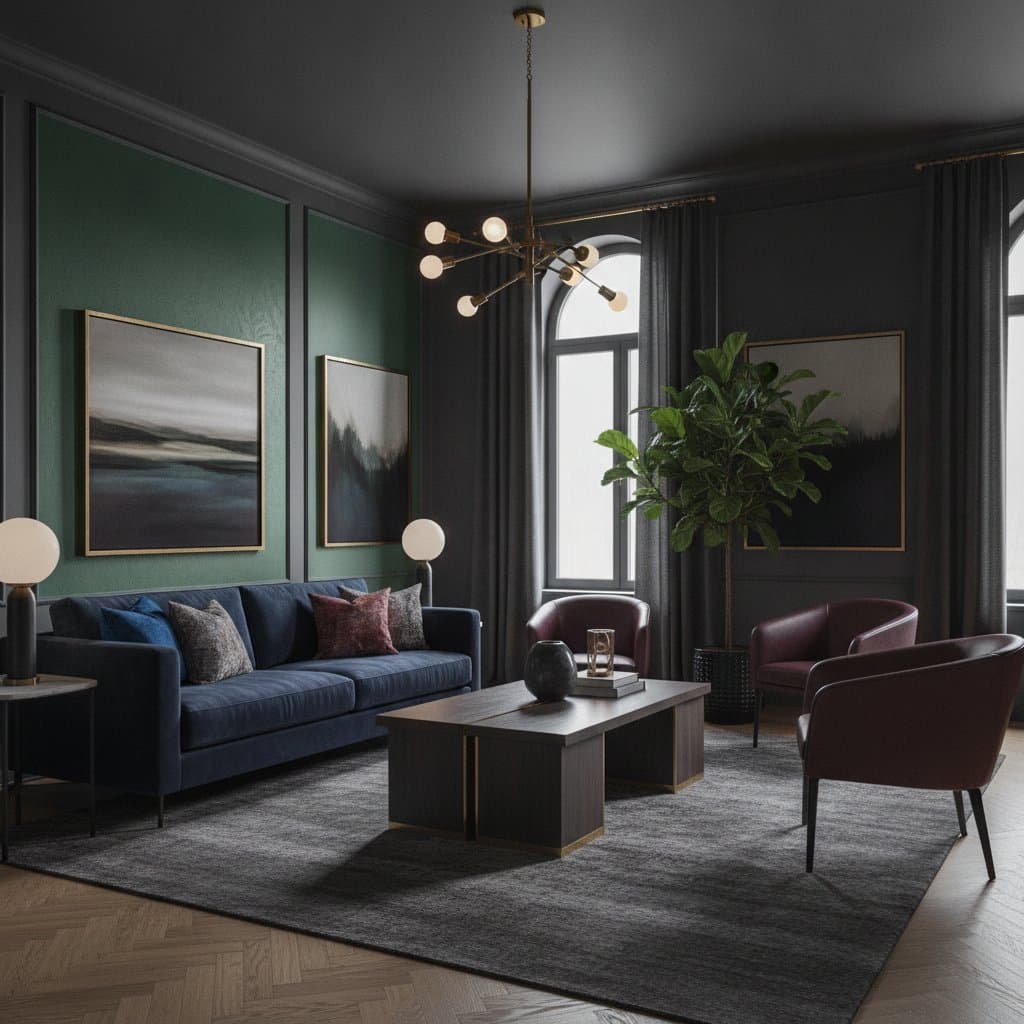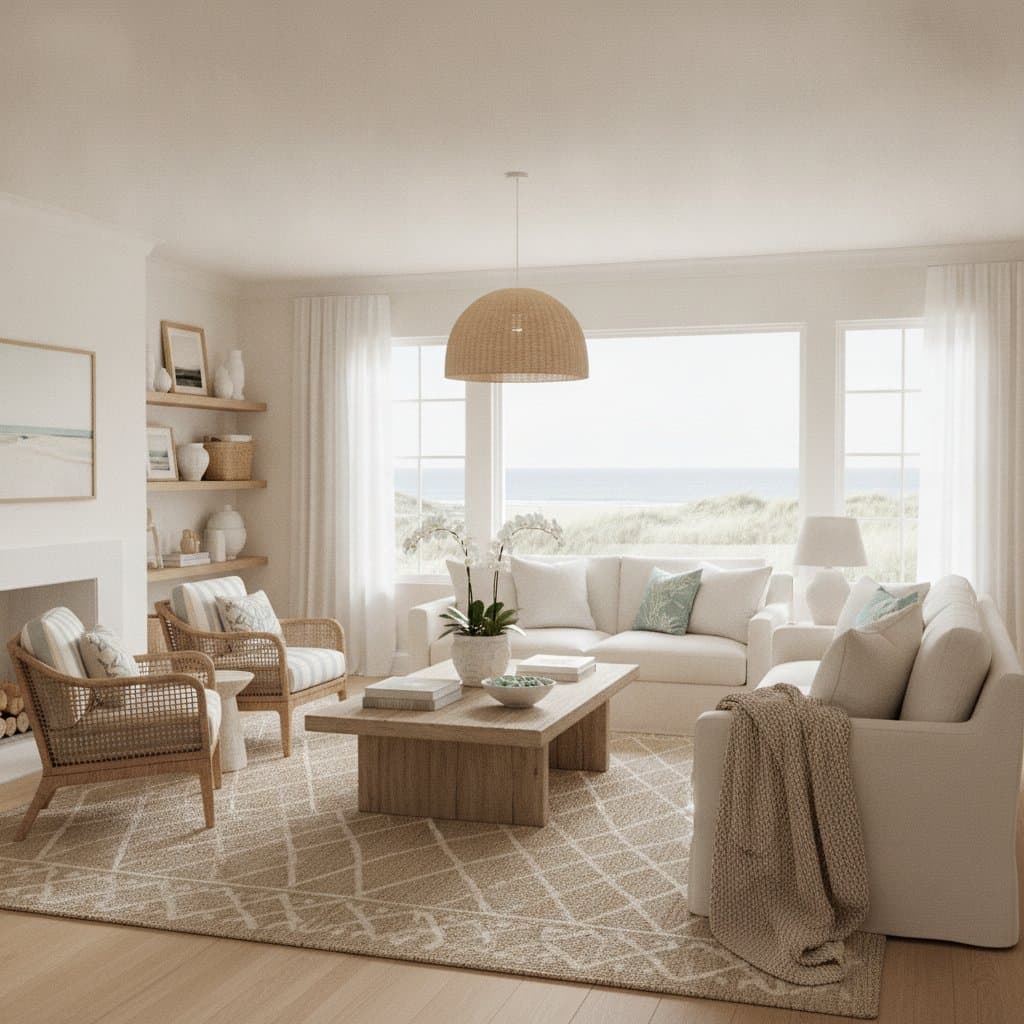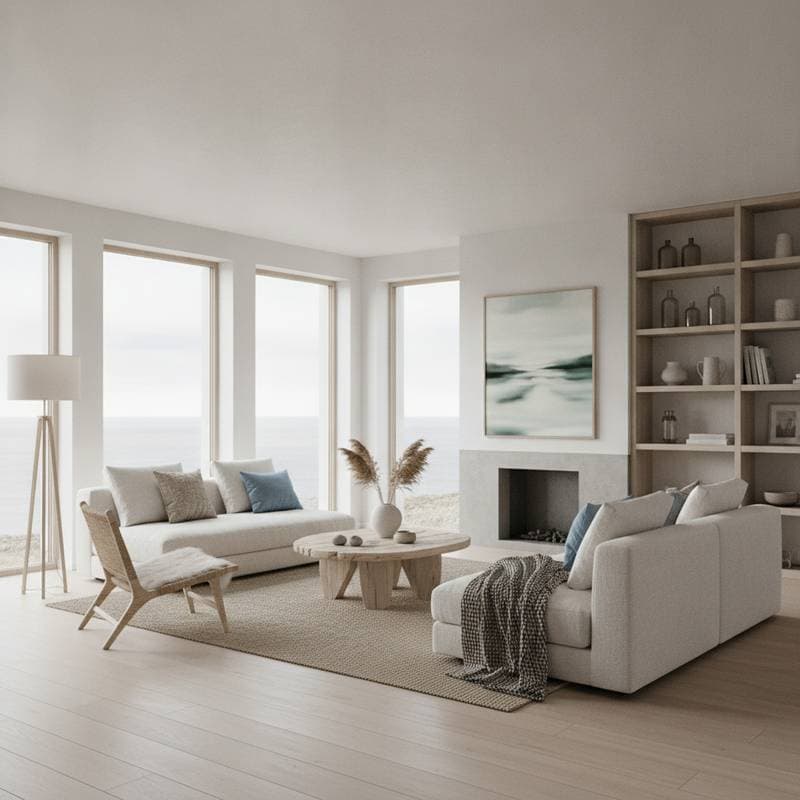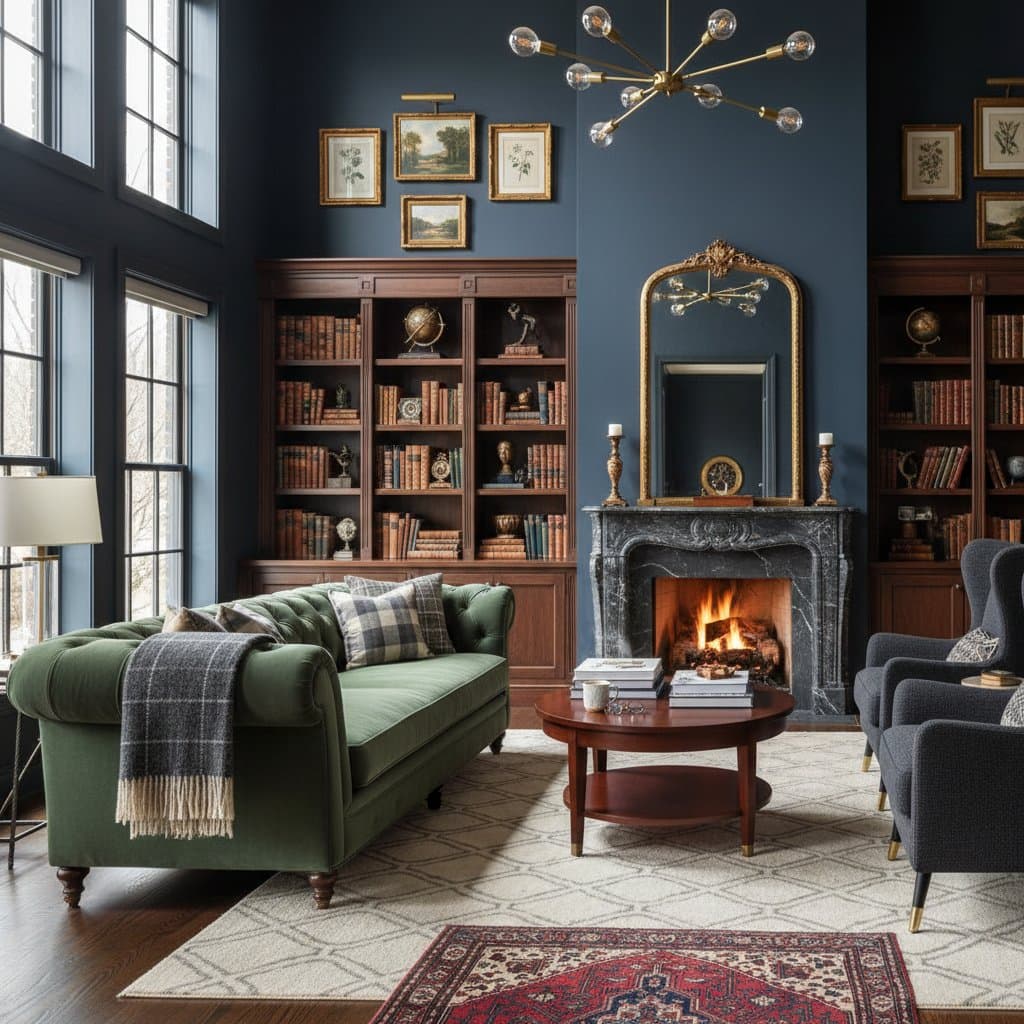
Dark Academia Interiors Increase Home Values by 11% in 2025
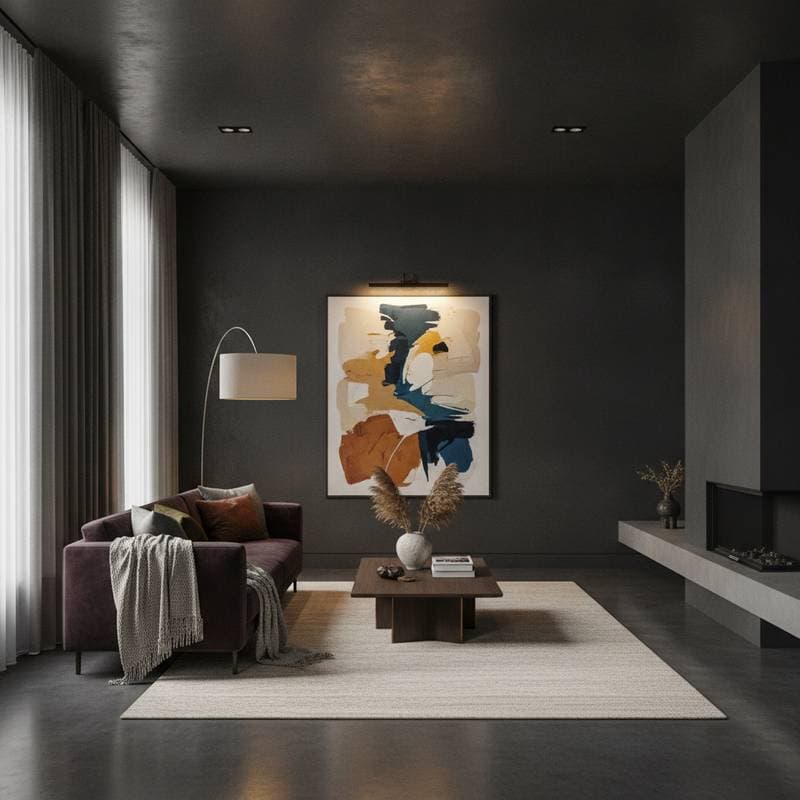
Key Insight: Residences incorporating dark academia elements sell for approximately 11 percent above similar homes with light minimalist designs. Prospective buyers gravitate toward the substantial depth, tactile qualities, and enduring presence of these spaces. The style conveys a sense of authenticity, habitation, and understated opulence.
For those seeking to enhance property worth or impart a sophisticated character to interiors, this aesthetic merits close examination. The essence lies in evoking warmth, opulence, and visual intrigue rather than mere dimness.
Factors Driving Elevated Home Values
Purchasers perceive dark-toned environments as premium, regardless of material costs. These areas appear bespoke and artisanal. Real estate professionals note intensified emotional responses during viewings. The inherent drama and layering capture attention in photographs, elevating online engagement and foot traffic.
Three primary drivers contribute to these premium resale figures:
- Aura of Luxury: Rich palettes and multifaceted surfaces suggest extravagance, attainable through economical options such as pigmented coatings and sourced antiques.
- Emotional Resonance: Viewers envision lasting comfort and security, transcending superficial presentation.
- Visual Appeal in Imagery: Pronounced contrasts outperform subdued schemes in digital representations, generating greater interest and inquiries.
Interiors that evoke heritage and erudition prompt buyers to attribute superior monetary value.
Investment Overview
Assemble this aesthetic across budget tiers. Transformations in pigmentation and fixtures yield significant impact. Substantial furnishings or bespoke woodworking escalate expenditures.
| Element | Estimated Expense | Influencing Variables |
|---|---|---|
| Wall and Trim Coating | $300 to $1,200 per area | Dimensions, material grade, self-application versus expert service |
| Fixture Replacement | $150 to $900 per unit | Aesthetic preference, existing infrastructure |
| Shelving or Integrated Storage | $800 to $4,000 | Wood type, surface treatment, labor fees |
| Furnishing and Accessory Renewal | $1,000 to $5,000 | Curated secondhand versus contemporary purchases |
| Comprehensive Area Overhaul | $4,000 to $12,000 | Consultation charges, inventory, surface preparations |
Expenditures fluctuate by locale. Metropolitan zones and preserved structures incur higher fees due to skilled labor and resource scarcity.
Self-Directed Versus Expert Execution
Pursue Independently When
- Painting and arrangement bring personal satisfaction
- Electrical and woodworking demands remain basic
- Focus centers on aesthetic enhancements
Engage Specialists When
- Circuit modifications or fixture integrations arise
- Surface refinishing or structural additions occur
- Unified schemes across areas are desired
Experts ensure accuracy and streamline processes. They align selections with architectural features and mitigate optical illusions from pigmentation choices. Independent efforts suit superficial alterations. For foundational or powered modifications, regulatory compliance and oversight safeguard integrity and marketability.
Advantages and Considerations of Dark-Toned Spaces
| Context | Recommended Action | Rationale |
|---|---|---|
| Compact area lacks vitality | Apply profound coatings | Generates dimension and juxtaposition |
| Environment risks oppressiveness | Integrate cozy radiance | Preserves intimacy without confinement |
| Imminent sale | Prepare select areas | Highlights individuality sans excess |
| Hesitancy toward permanence | Trial a focal surface | Permits straightforward reversion |
Equilibrium defines success. Excess shadow absent layering or glow burdens the senses. Executed adeptly, the result endures as lavish and perpetual.
Indicators for Professional Involvement
Summon a certified electrician for conduit adjustments or mounted fixtures. Retain a woodworker for tailored storage or trim alterations. In governed communities or preserved locales, ascertain guidelines before exterior or prominent surface changes.
Design consultants facilitate seamless tonal progressions, averting enclosed sensations. Remote sessions provide economical guidance over comprehensive oversight.
Pitfalls to Evade
- Neglecting Illumination Enhancements: Shadowed surfaces demand multifaceted sources to remain hospitable.
- Excessive Shelf Population: Permit intervals amid items for visual respite.
- Incoherent Tonal Blends: Adhere to unified warmth or coolness per area.
- Overlooking Overhead Surfaces: Subtly paler tones elevate perceived height.
- Opting for Reflective Sheens: Satin or low-luster options conceal flaws and convey substance.
Such refinements sustain poise over disorder.
Strategies for Optimal Results
- Evaluate coating swatches under diverse lighting conditions prior to selection.
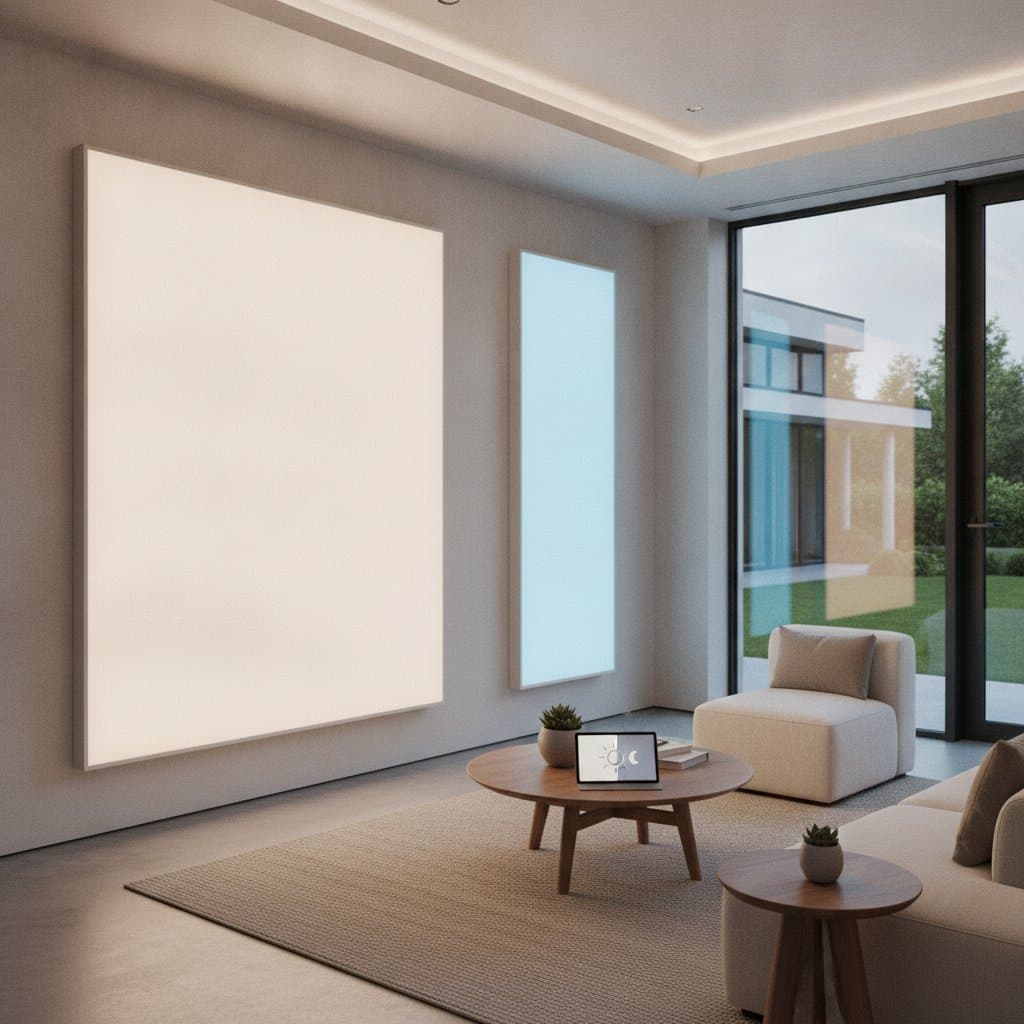
- Install adjustable controls to modulate atmosphere diurnally.
- Fuse period and current visuals for distinctive flair.
- Include at least one polished element, such as a reflector, to distribute glow.
- Incorporate aromatic elements like hide, timber, or resinous tapers to amplify immersion.
Individual elements contribute to the narrative foundation central to dark academia.
Implementation Pathways
Commence modestly. Apply a profound hue to a single surface or exchange luminous cushions for shadowed variants. Introduce a shaded fixture and select bound volumes to a central table. Assess the ambiance over days. Should it convey stability and allure, proceed expansively.
This direction transcends transient modes, fostering environments of discernment and solidity. Profound pigmentation, accumulated tactility, and deliberate radiance transform any residence into a legacy of enduring merit.
Frequently Addressed Queries
Do profound coatings diminish spatial perception?
Such effects arise solely from inadequate radiance. Strategic contrast and sources counteract constriction.
Is light inventory compatible with shadowed walls?
Affirmative. The opposition generates compelling dynamics and alleviates density.
How to address constrained vertical space?
Employ a marginally brighter variant on overheads to enhance elevation.
Does this aesthetic demand high upkeep?
Negative. Post-establishment, maintenance involves routine cleansing and replacements.
Will future purchasers favor this presentation?
Indeed. The draw stems from cordiality and distinction, surpassing ephemeral vogues.