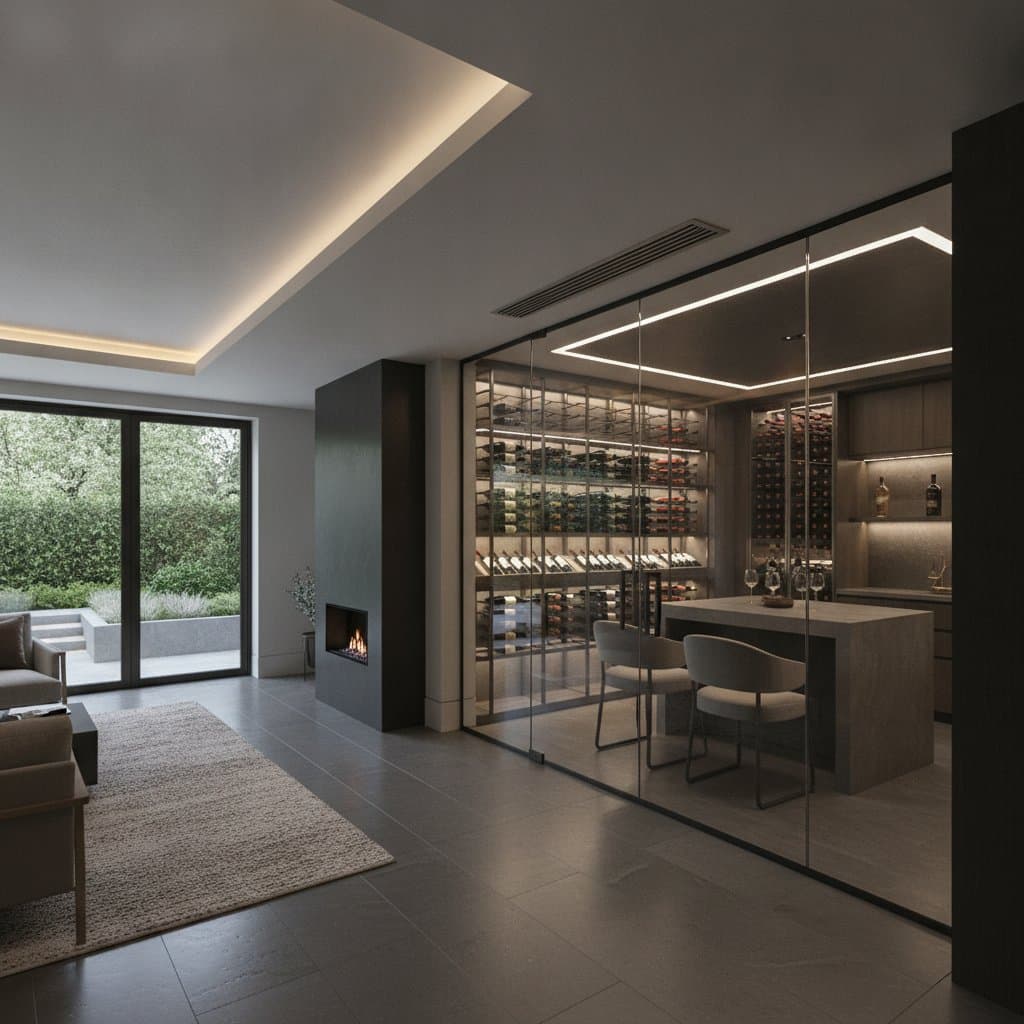
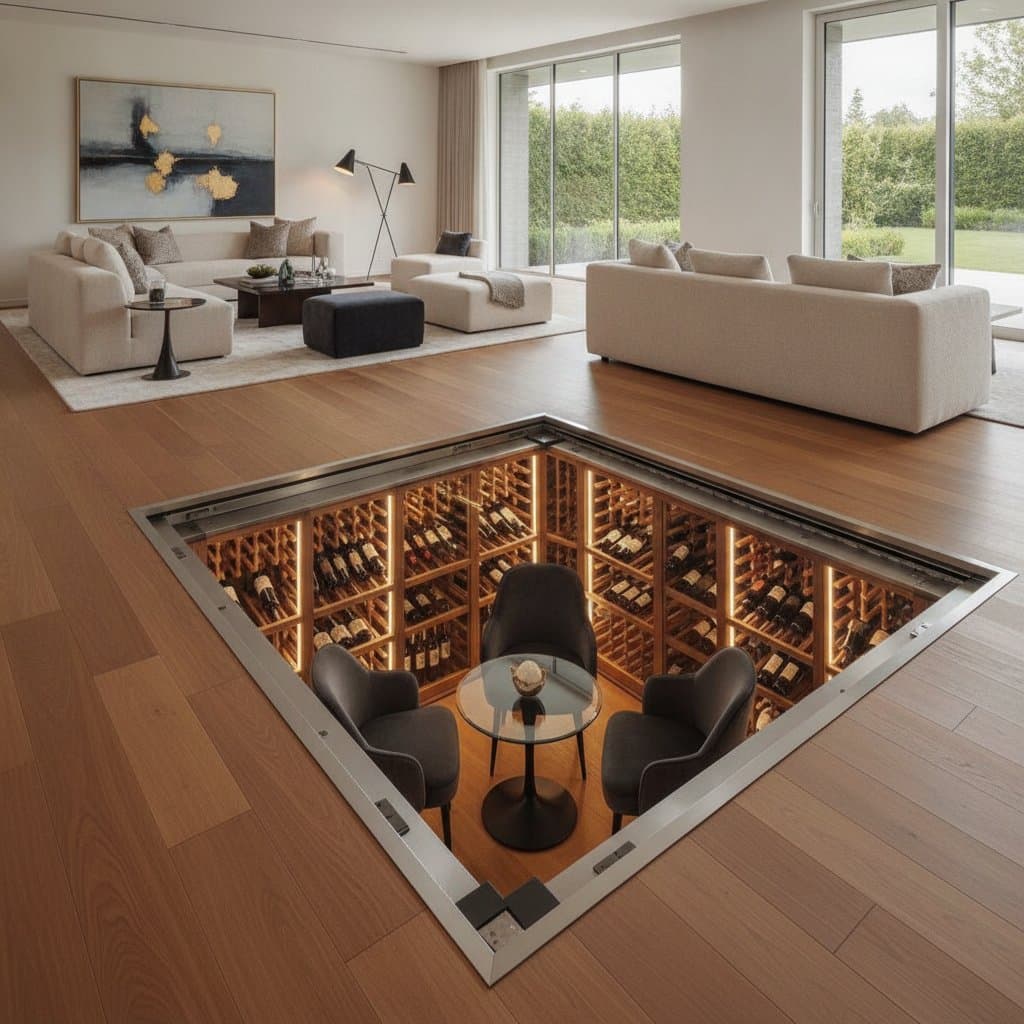
Why Basement Wine Cellars Boost Home Value
Homeowners seek unique features that set properties apart in competitive markets. A well-designed basement wine cellar stands out as a luxury amenity that appeals to affluent buyers. Recent real estate analyses indicate that such installations can elevate resale value by up to 15 percent, particularly in regions with strong wine culture.
This boost stems from the perceived sophistication and functionality the space adds. Buyers view it as a versatile area for entertaining and storage. The investment aligns with trends toward personalized, high-end home improvements that promise long-term appreciation.
Key Design Principles for an Attractive Wine Cellar
Effective design begins with understanding spatial constraints and user needs. Basements often present challenges like humidity and limited light, which require thoughtful solutions. Focus on elements that enhance both aesthetics and utility to ensure the feature captivates potential buyers.
Optimal Layout and Storage Solutions
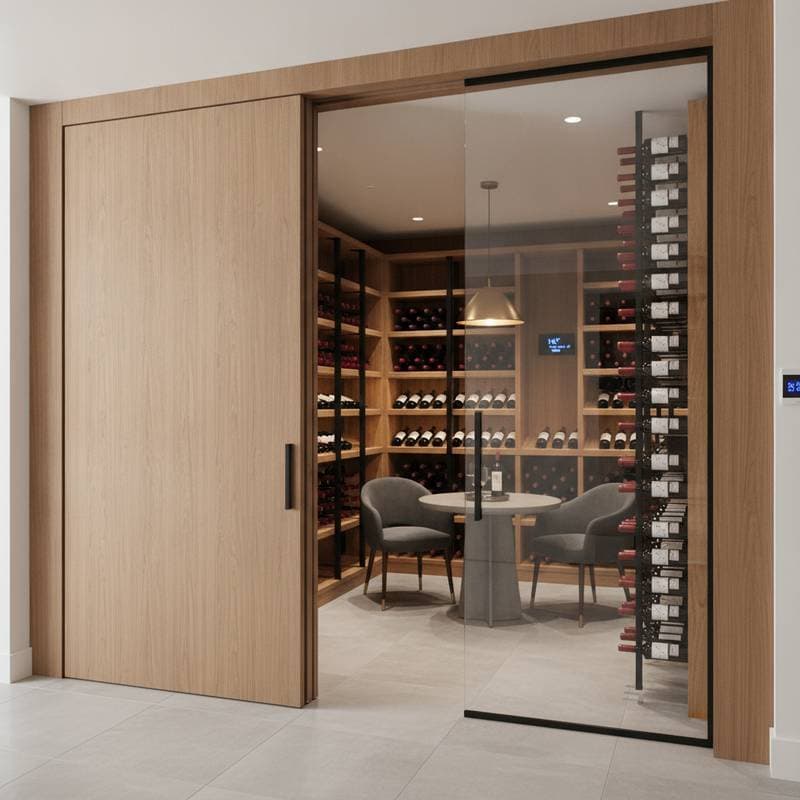
Choose a layout that maximizes capacity without overwhelming the space. Rack systems in wood or metal provide sturdy support for bottles of various sizes. Consider modular designs that allow for future expansion.
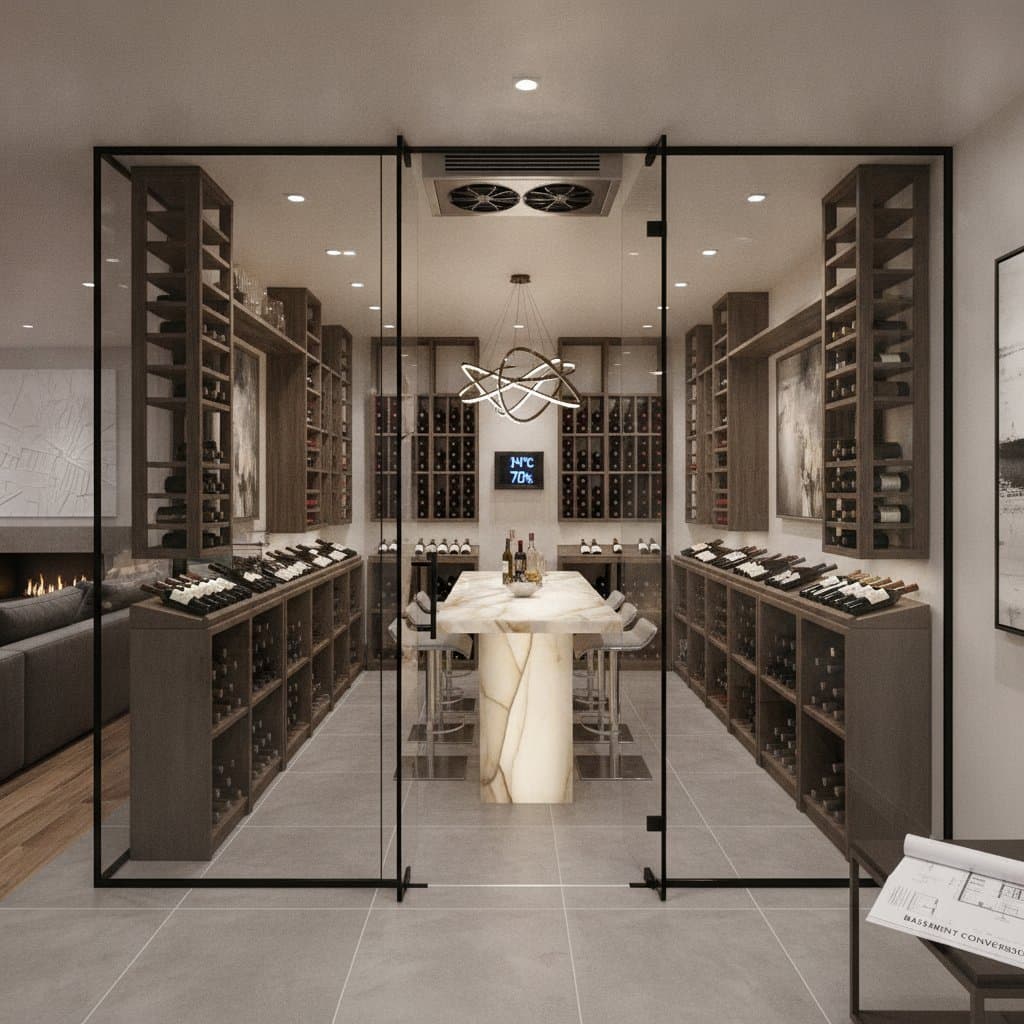
- Install floor-to-ceiling racking along walls to utilize vertical space efficiently.
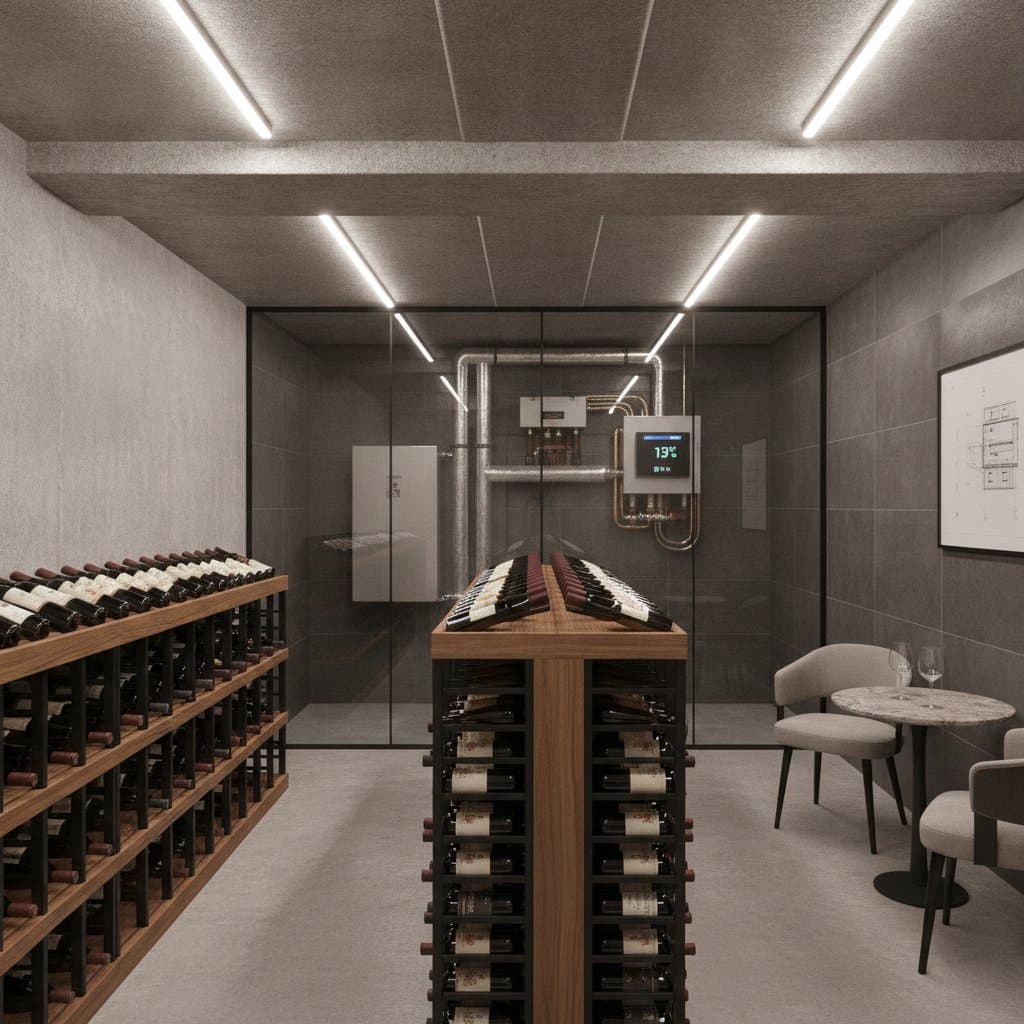
- Incorporate a central tasting area with a small table and seating for four to eight people.
- Reserve space for larger formats, such as magnums, with dedicated lower shelves.
These arrangements create an organized, inviting environment that showcases the collection.
Climate Control Essentials
Maintaining ideal conditions preserves wine quality and demonstrates quality craftsmanship to inspectors and buyers. Temperature consistency between 55 and 58 degrees Fahrenheit prevents spoilage. Humidity levels around 60 to 70 percent keep corks intact.
Dedicated cooling units with humidity controls outperform standard HVAC systems in enclosed spaces. Select models with quiet operation to avoid disrupting home harmony. Backup power sources ensure reliability during outages.
- Monitor conditions with digital sensors linked to a central display.
- Insulate walls and doors with vapor barriers to retain stable environments.
- Integrate UV-filtered lighting to protect bottles from light damage.
Such systems add a layer of professionalism that justifies the value increase.
Material Selections for Durability and Style
Materials influence both longevity and visual impact. Opt for natural elements that evoke a cellar atmosphere while resisting moisture. Stone or brick accents on walls provide texture and insulation.
Flooring in cork or sealed concrete offers cushioning and ease of maintenance. Avoid carpeting, which absorbs odors and humidity. Countertops in granite or quartz withstand daily use during tastings.
- Use reclaimed wood for racking to add warmth and character.
- Apply low-VOC paints or stains for walls to maintain air quality.
- Install glass doors with double panes for secure, stylish access.
These choices ensure the space feels timeless and integrated with the home's architecture.
Installation Options: DIY Versus Professional
Homeowners weigh options based on skill level and budget. DIY approaches suit minor upgrades in accessible basements. Professional services handle complex builds, including structural modifications.
For DIY projects, start with assessing the space for moisture issues. Seal cracks and install basic racking kits from home improvement stores. Expect timelines of two to four weekends for completion.
Professional installations involve architects and contractors specializing in custom features. They address permits, electrical wiring for cooling units, and compliance with building codes. Projects typically span four to eight weeks, depending on scope.