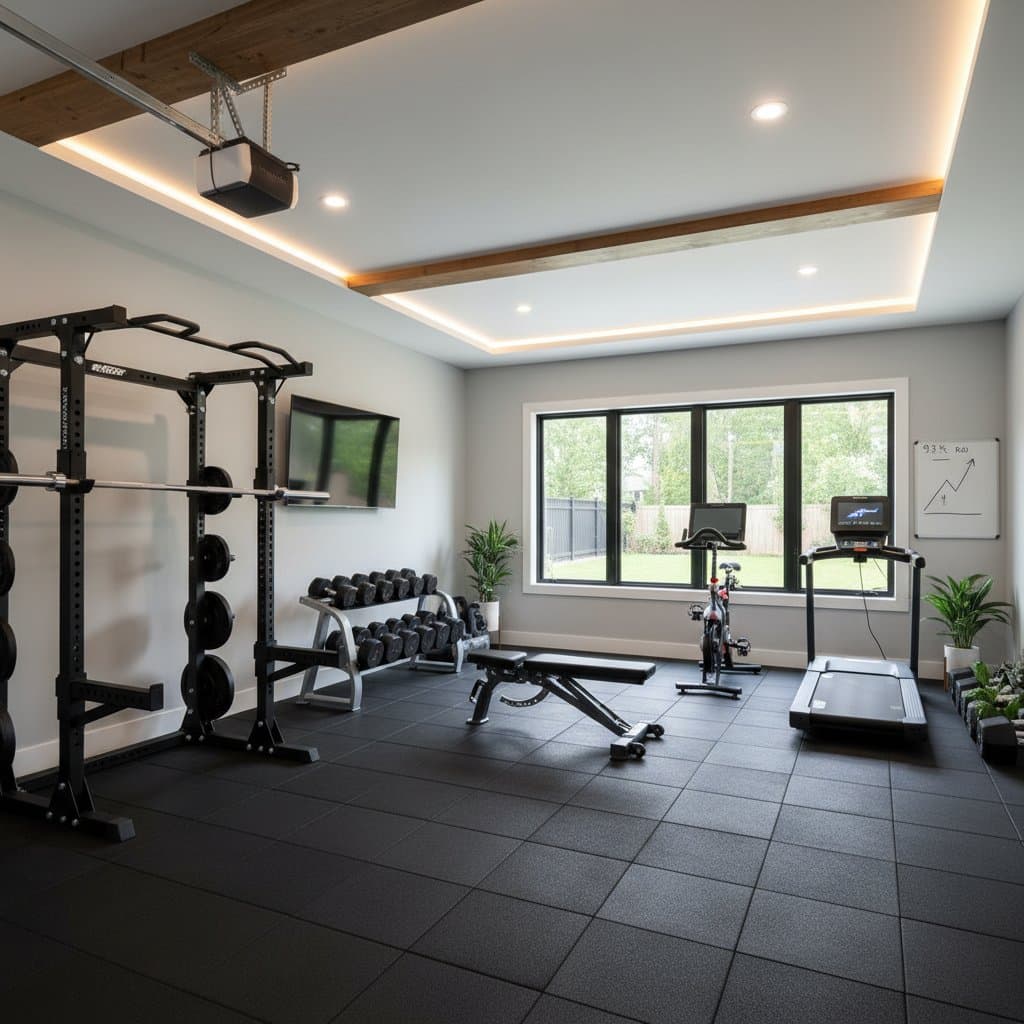
Garage to Gym: Achieving a 93 Percent ROI in 2025
Converting a garage into a home gym increases property value by approximately 93 percent of the investment. This transformation adds usable square footage, enhances everyday convenience, and appeals to prospective buyers seeking versatile living areas. Projects range from basic setups to elaborate designs, yet the financial and lifestyle benefits remain substantial.
Step-by-Step Guide to Garage Con. Clear and prepare the space. Remove all items from the garage. Thoroughly sweep, scrub, and allow the floor to dry completely. Inspect for any cracks, leaks, or structural weaknesses.
-
Evaluate the structure and utilities. Examine walls, ceiling, and door seals closely. Identify issues such as moisture intrusion, pest activity, or outdated electrical systems. Determine needs for insulation, additional outlets, and ventilation.
-
Seal gaps and install insulation. Apply rigid foam boards or fiberglass batt insulation to walls and ceiling. Install weatherstripping around the garage door; consider replacing it with an insulated wall if vehicle access becomes unnecessary.
-
Select durable flooring. Opt for rubber mats, interlocking foam tiles, or an epoxy coating that withstands heavy use. Steer clear of carpet or thin vinyl materials, which may damage easily under equipment loads.
-
Incorporate climate control. Install a mini-split system, portable air conditioner, or space heater based on local weather patterns. Prioritize ventilation through ceiling fans or operable windows to maintain air quality.
-
Upgrade lighting and electrical systems. Swap out standard bulbs for energy-efficient LED fixtures. Install additional outlets to support fitness equipment and devices; hire a licensed electrician for any subpanel modifications.
-
Acquire essential equipment. Begin with foundational items such as a power rack, weight bench, adjustable dumbbell set, resistance bands, and exercise mats. Introduce cardio machines or advanced apparatus as needs evolve.
-
Implement storage and safety measures. Utilize wall-mounted hooks, shelves, and protective mats to organize the area. Install smoke detectors and maintain a first-aid station for immediate access.
Project Timeline
A do-it-yourself conversion typically requires three to seven weekends of intermittent effort. Professional services often complete the work in two to four weeks of dedicated labor. Factors like weather conditions and permitting processes may extend timelines, particularly for electrical or heating, ventilation, and air conditioning modifications that demand inspections.
Essential Tools and Materials
Maintain a basic toolkit and acquire specialized items only as the project advances.
Tools:
- Tape measure and spirit level
- Utility knife and power drill
- Painting supplies including brushes and rollers
- Circular saw for any framing tasks
- Stud finder for accurate installations
- Safety glasses and work gloves
Materials:
- Insulation panels or batts
- Drywall sheets and fastening screws
- Paint and primer for interior surfaces
- Rubber flooring tiles or mats
- LED lighting fixtures and outlet covers
- Weatherstripping and sealants
Align each tool and material with specific conversion steps. Measure precisely before purchasing to avoid excess, and store surplus items systematically for future maintenance.
Analyzing the Return on Investment
Garage gym conversions recover about 93 percent of costs upon resale, driven by the addition of practical living space and modern amenities. This upgrade appeals to buyers valuing multifunctional rooms suitable for exercise, remote work, or wellness activities.
Factors supporting high ROI:
- Transforms idle space into functional square footage
- Incorporates enhancements like improved insulation and illumination
- Offers a more affordable alternative to constructing new rooms
- Draws interest from health-conscious or home-based professionals
Scenarios that reduce ROI:
- Inadequate airflow or incomplete wall finishes
- Highly personalized aesthetics that restrict versatility
- Absence of documentation for structural alterations
Design for flexibility with neutral color schemes, resilient flooring, and modular equipment to facilitate broad market appeal.
Prioritizing Safety and Comfort
Key hazards to address:
- Electrical risks: Disconnect power sources prior to any wiring tasks. Equip the space with ground-fault circuit interrupter outlets, standard for converted garages.
- Air quality concerns: Ensure proper ventilation to disperse vapors from paints, adhesives, or residual automotive residues.
- Floor integrity: Distribute weight loads to prevent concrete cracking; position rubber mats strategically beneath heavy exercise areas.
- Fire prevention: Place smoke alarms strategically and route cords away from walkways.
For heating or cooling units, adhere to manufacturer guidelines regarding installation clearances and exhaust requirements.
Design Strategies for an Effective Space
- Maximize vertical space. Install wall racks and hooks to store weights, mats, and accessories off the floor.
- Incorporate mirrors. These elements expand perceived room size and aid in monitoring exercise technique.
- Apply light-colored paints. Such finishes amplify natural and artificial light, fostering an energizing environment.
- Divide into zones. Dedicate sections for strength training, cardiovascular activities, and flexibility exercises.
- Conceal disorganization. Employ enclosed cabinets or storage bins to sustain a professional appearance.
Thoughtful zoning promotes consistent usage while preserving the room's adaptability for future owners.
Strategies to Manage Expenses
- Source second-hand equipment. Local fitness centers often liquidate reliable machines at reduced rates.
- Handle painting and flooring personally. These straightforward operations can save significant labor fees.
- Prioritize core components initially. Defer nonessential features until budget permits.
- Retain the existing garage door. This approach eliminates expenses related to framing and exterior cladding.
- Coordinate multiple trades. Engaging a single team for insulation, drywall, and finishing typically lowers overall costs compared to individual contractors.
Assess personal expertise honestly; correcting errors frequently exceeds the price of professional assistance from the outset.
Resolving Frequent Challenges
Condensation beneath flooring: Elevate mats regularly and ventilate the area to eliminate moisture buildup. Consider a dehumidifier or slight window openings for ongoing control.
Excessive noise transmission: Layer rubber underlayment beneath surfaces and reinforce wall insulation to dampen sounds.
Insufficient illumination: Transition to full-spectrum LED bulbs that mimic daylight. Strategic mirror placement can further distribute light.
Equipment overheating: Employ fans for circulation, ensure vents remain unobstructed, or enhance door-area insulation.
Prompt resolutions sustain usability and safeguard the project's long-term value.
Expert Recommendations
- Initiate with modest changes and iterate based on experience. Equipment upgrades remain feasible at any stage.
- Emphasize reversibility for imminent sales. Select removable flooring and panels to simplify restoration to original use.
- Record progress through photographs and invoices. Prospective buyers appreciate evidence of compliant workmanship and quality materials.
- Mark electrical panels and circuits for easy reference.
- Integrate brief exercise sessions after completing each phase. This practice sustains enthusiasm and demonstrates tangible advancements.
Each enhancement simultaneously elevates functionality and property worth.
Frequently Asked Questions
What property value increase results from a garage gym? Approximately 93 percent of the conversion expenses, reflecting enhanced space utility and buyer preferences.
Is a permit required for garage conversion? Permits apply to electrical or mechanical installations, but not typically to cosmetic updates like painting or basic flooring. Verify requirements with local authorities.
Can storage coexist with gym functions? Absolutely. Overhead shelving or wall-mounted systems preserve floor area for activities.
Does a gym conversion negatively impact resale for garage-preferring buyers? Not if designed for easy reversal. Prioritize detachable elements in flooring and fixtures.
Which flooring suits weightlifting? Dense rubber mats or modular tiles shield the subfloor and mitigate impact forces.
Finalizing Your Conversion
A garage gym upgrade delivers swift improvements in routine wellness and substantial cost recoupment at sale. Begin by decluttering, then fortify the enclosure, integrate utilities and climate features, and furnish judiciously. Develop a structured weekend schedule, uphold safety protocols, and ensure compliance with building codes. The result is an invigorated residence, optimized fitness routine, and adaptable area that justifies every investment.