Hidden Wine Cellars in 2025: Achieving a 92% Return on Investment
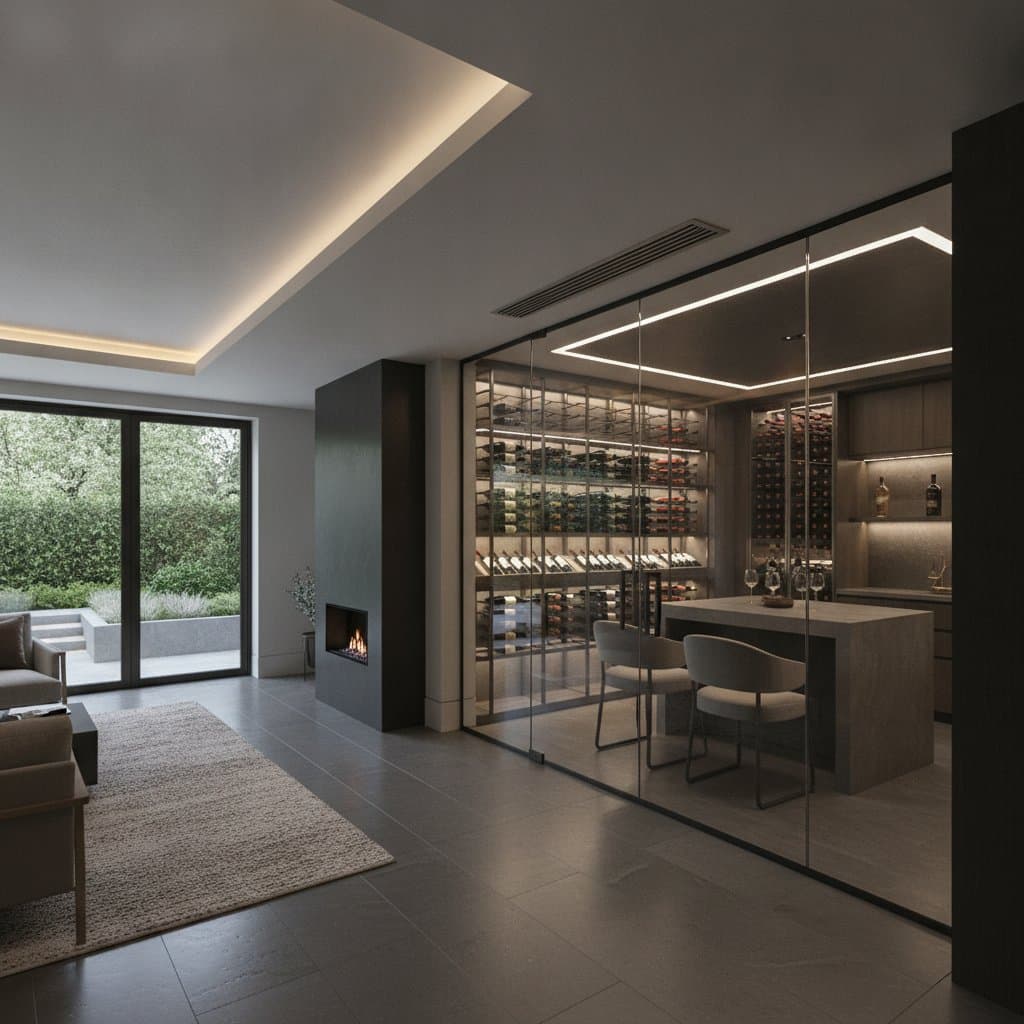
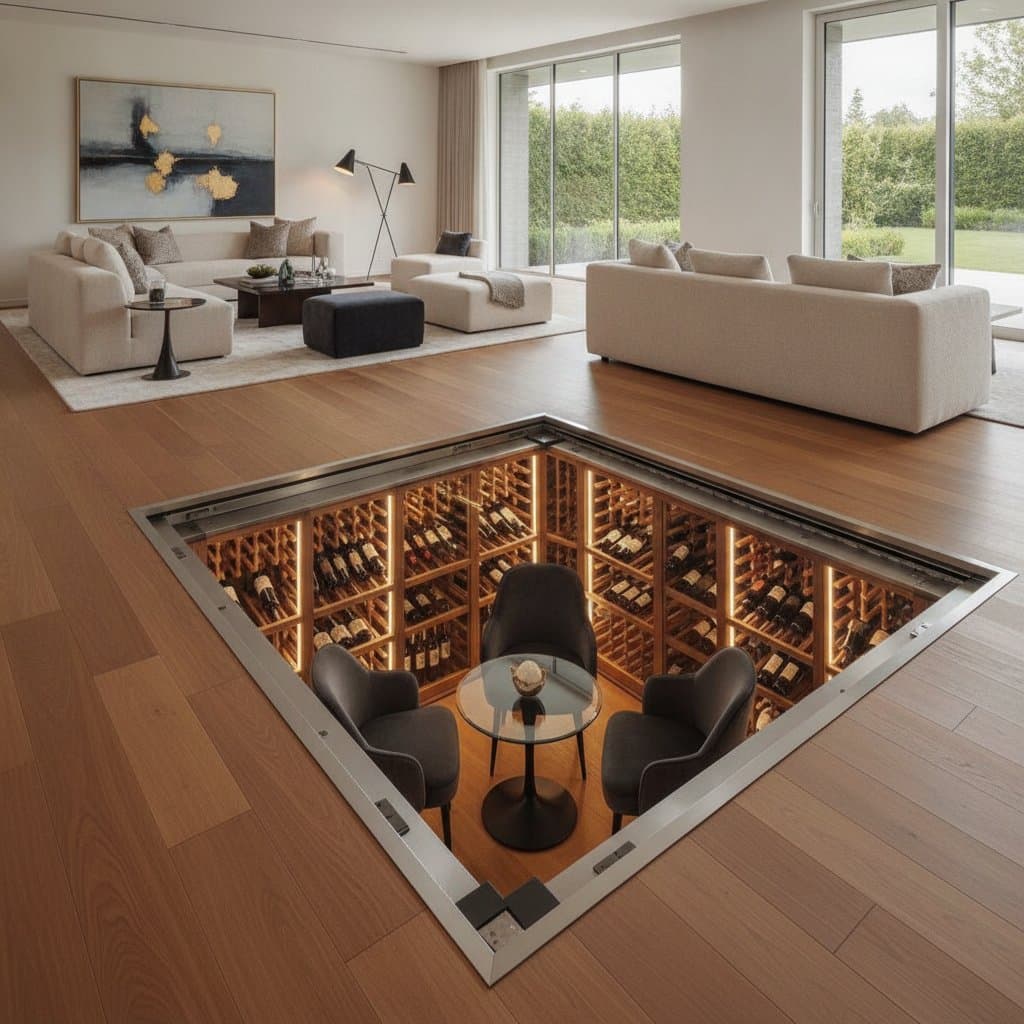
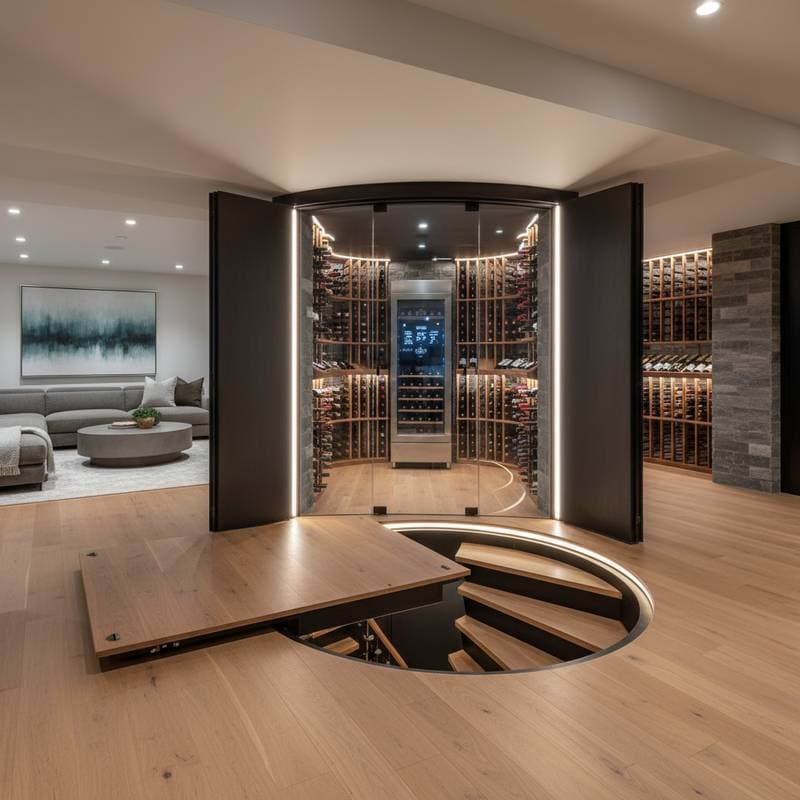
Hidden wine cellars represent a smart investment for homeowners seeking to blend luxury with financial prudence. These discreet spaces not only safeguard valuable collections but also enhance property appeal, recouping approximately 92% of installation costs upon resale. Projects typically range from $18,000 to $45,000, influenced by factors such as size, location, and customization level.
Homeowners appreciate how these cellars integrate seamlessly into modern living areas, transforming underutilized spaces into functional retreats. Proper execution ensures long-term enjoyment while quietly boosting market value. This guide explores costs, construction considerations, and maintenance strategies to help readers make informed decisions.
Key Benefit: A well-designed hidden wine cellar elevates daily comfort and positions the home as a premium offering in competitive markets.
Detailed Cost Breakdown
Understanding expenses allows for precise budgeting and avoids surprises during construction. Costs vary based on project scope, but the following outlines essential components.
1. Excavation and Structural Foundation
For below-grade installations, excavation, concrete pouring, and waterproofing account for $7,000 to $15,000. These steps form the cellar's backbone, preventing moisture intrusion and structural issues. In new builds, integrating the space during initial foundation work reduces expenses by up to 30%, as existing elements require minimal alteration.
Homeowners should assess soil type and site accessibility early; rocky terrain or urban constraints can increase labor demands. Consulting a geotechnical engineer ensures stability, particularly in areas prone to seismic activity.
2. Climate Control Systems
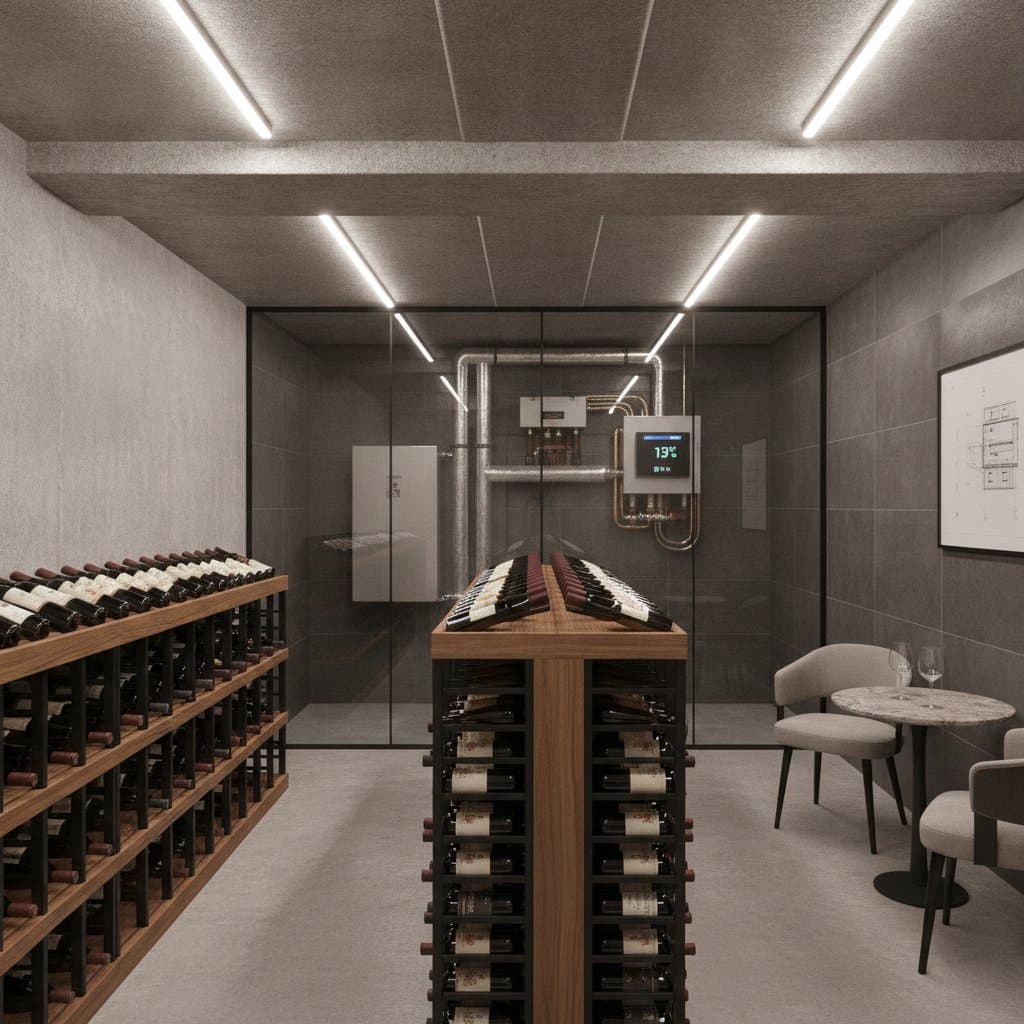
Maintaining optimal conditions—55°F temperature and 60-70% humidity—demands reliable equipment. Ducted cooling units cost $3,000 to $8,000 and suit larger spaces, while split systems with advanced humidity controls range from $8,000 to $12,000.
Energy-efficient models incorporate sensors to adjust automatically, minimizing utility bills over time. Selecting systems certified for wine storage guarantees consistent performance, protecting bottles from cork expansion or label damage.
3. Insulation and Vapor Barriers
Effective barriers against temperature fluctuations and moisture cost $1,500 to $3,500. Closed-cell foam insulation and sealed vapor panels create an airtight envelope, essential for preventing mold growth.
In humid climates, additional dehumidification layers prove invaluable. Professionals recommend R-13 or higher insulation ratings to maintain efficiency without excessive energy use.
4. Interior Finishes and Storage Solutions
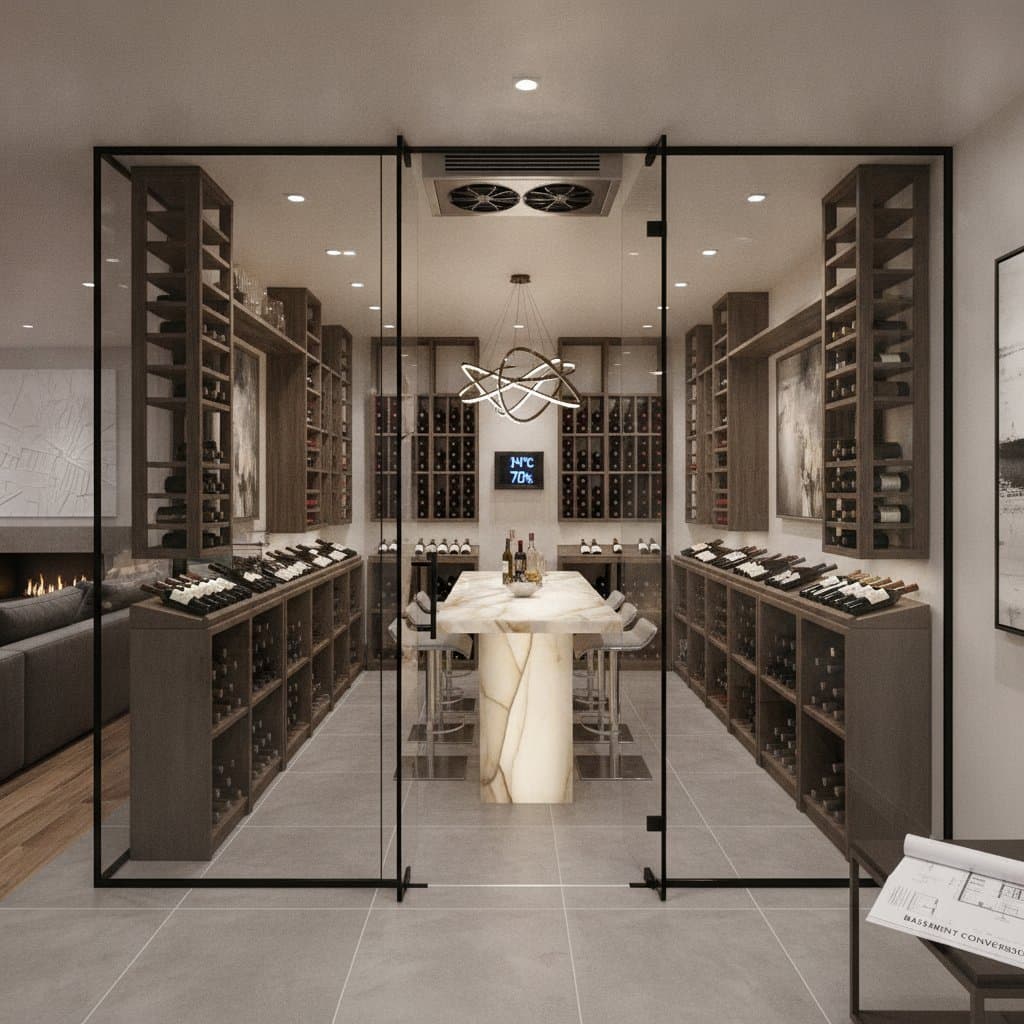
Racking systems in wood, metal, or acrylic begin at $50 per square foot, scaling to $150 or more for stone-clad walls or glass enclosures. These elements define the cellar's aesthetic while maximizing capacity.
LED lighting, priced at $600 to $1,200, provides soft illumination without generating heat that could affect storage conditions. Custom designs accommodate various bottle sizes, from standard Bordeaux to oversized magnums, ensuring versatile organization.
5. Permits, Electrical, and Compliance
Regulatory requirements add $800 to $2,000, covering excavation permits, electrical wiring, and ventilation inspections. Local codes often mandate GFCI outlets and dedicated circuits for safety.
Early submission of plans streamlines approvals, avoiding delays. In historic districts, additional reviews may apply, emphasizing the need for compliant designs that preserve architectural integrity.
6. Optional Enhancements
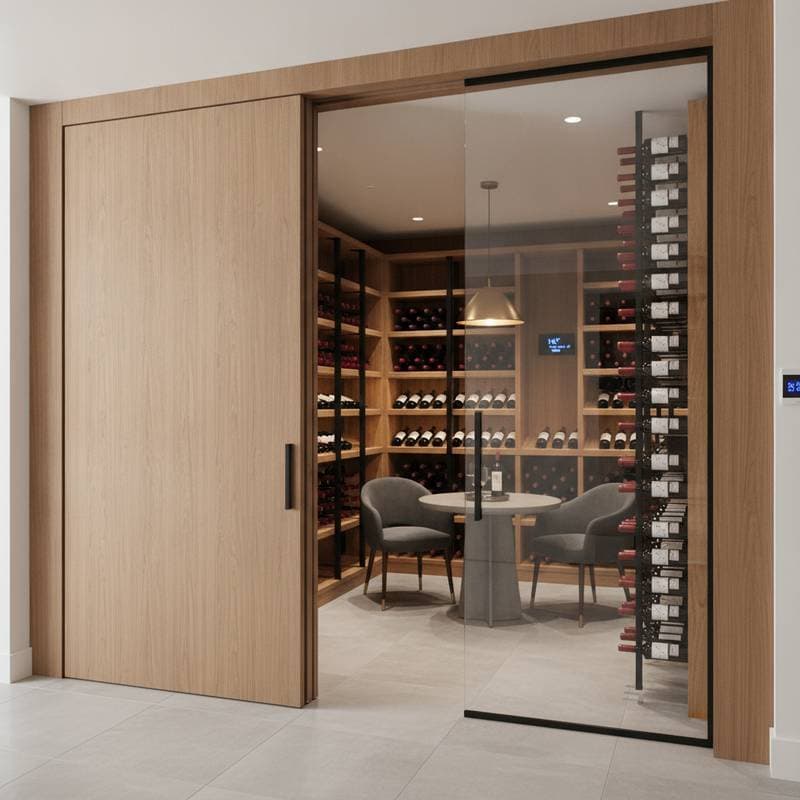
Features like tasting tables, concealed doors, or app-controlled monitors range from $2,000 to $6,000. These additions enhance usability, turning the cellar into a social hub.
Smart integrations allow remote monitoring via smartphone, alerting users to deviations in conditions. Such conveniences justify the investment by extending the space's functionality beyond mere storage.
DIY Approaches Versus Professional Installation
Balancing cost savings with quality requires careful evaluation of capabilities. Certain tasks suit skilled homeowners, while others demand expert intervention.
Suitable DIY Elements
- Basic framing, drywall installation, and painting, using standard building materials.
- Assembly of pre-fabricated racks and low-voltage LED lighting fixtures.
- Application of vapor barriers and sealants, adhering strictly to product guidelines.
These activities reduce labor fees by 20-40%, provided tools and safety measures are in place. Online tutorials and kits simplify processes for those with carpentry experience.
When to Engage Professionals
Structural excavation near foundations necessitates certified contractors to mitigate risks like settling or cracks. Electrical installations, including refrigeration hookups, require licensed electricians for code compliance.
Advanced humidity and temperature controls below 60% relative humidity or precisely at 55°F demand specialized knowledge. Professionals use diagnostic tools to calibrate systems, ensuring reliability.
Potential Pitfalls of DIY Errors
Inadequate sealing leads to condensation buildup, fostering mold and degrading bottle labels. Improper cooling configurations result in uneven temperatures, accelerating wine aging prematurely.
Unpermitted modifications complicate resale transactions or void insurance coverage. To safeguard investments, schedule a professional inspection of DIY work before enclosing walls, focusing on moisture levels and load-bearing integrity.
Ongoing Maintenance and Warranty Essentials
Sustained performance relies on routine care, preserving both the cellar and its contents. Implement these practices from the outset.
- Monitor humidity levels weekly during the initial month, transitioning to monthly checks thereafter.
- Clean cooling unit filters biannually to maintain airflow efficiency.
- Inspect and replace door gaskets, along with insulation checks, every three to five years.
Most climate systems include three- to five-year warranties, with options to extend by two years through annual professional servicing. Racks and finishes require minimal upkeep—gentle dusting suffices, steering clear of alcohol- or ammonia-based cleaners that could damage surfaces.
Prioritize installing a humidity alarm with remote notifications. This device safeguards against undetected failures, averting costly spoilage of collections valued at thousands.
Steps to Build Your Hidden Wine Cellar
A structured approach ensures smooth execution and optimal results. Follow this sequence to align vision with reality.
-
Clarify Objectives: Determine if the focus lies on display aesthetics, long-term storage, or enhancing resale potential. This guides size and feature selection.
-
Assess Space Constraints: Measure depth, entry points, and overhead clearance. Consider proximity to living areas for convenience without compromising discretion.
-
Solicit Multiple Quotes: Obtain estimates from a general contractor and a wine cellar specialist to compare expertise and pricing.
-
Secure Permits Promptly: Initiate applications for any excavation or electrical modifications, as these often require on-site inspections.
-
Procure Climate Equipment Early: Choose units that dictate spatial layout, allowing integration with structural elements.
-
Finalize Finishes at the End: Delay aesthetic touches until environmental stability is confirmed, protecting materials from construction dust.
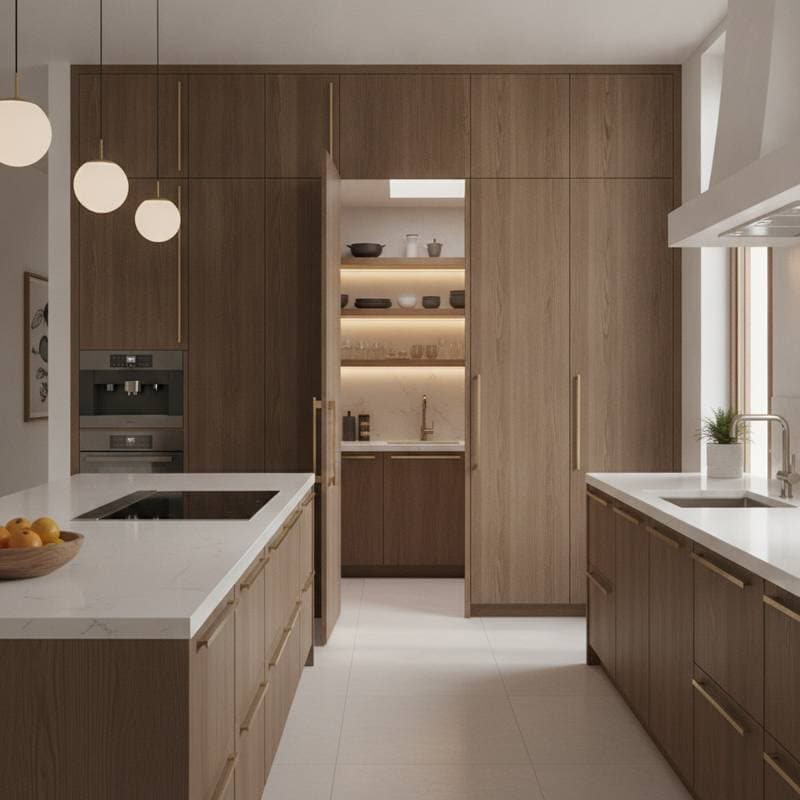
Compact designs thrive in renovations, fitting beneath staircases or behind pantry panels. These solutions cater to urban homes, merging elegance with everyday utility.
Enhancing Home Value Through Strategic Design
Hidden wine cellars transcend storage; they cultivate serene environments balanced for preservation and relaxation. By prioritizing climate precision and thoughtful integration, owners secure enduring protection for prized bottles.
This investment subtly distinguishes properties in the luxury market, appealing to discerning buyers. Proceed by collecting contractor bids, verifying moisture management plans, and preparing the site ahead of rack procurement. The result: a feature that amplifies living quality and financial returns for years ahead.