Smart Glass: Achieving a 73% ROI Boost for Home Resales
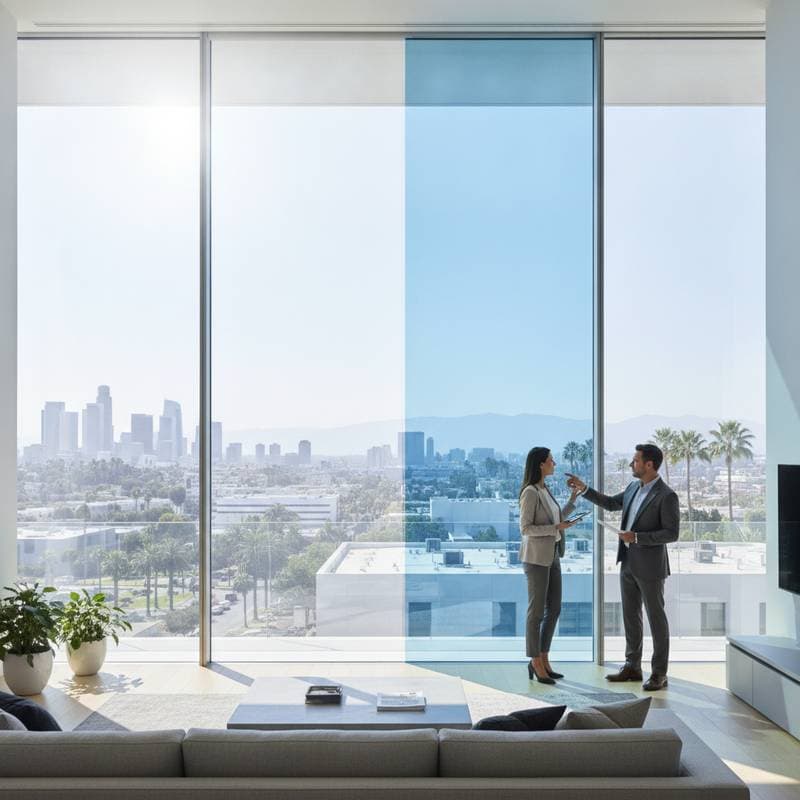
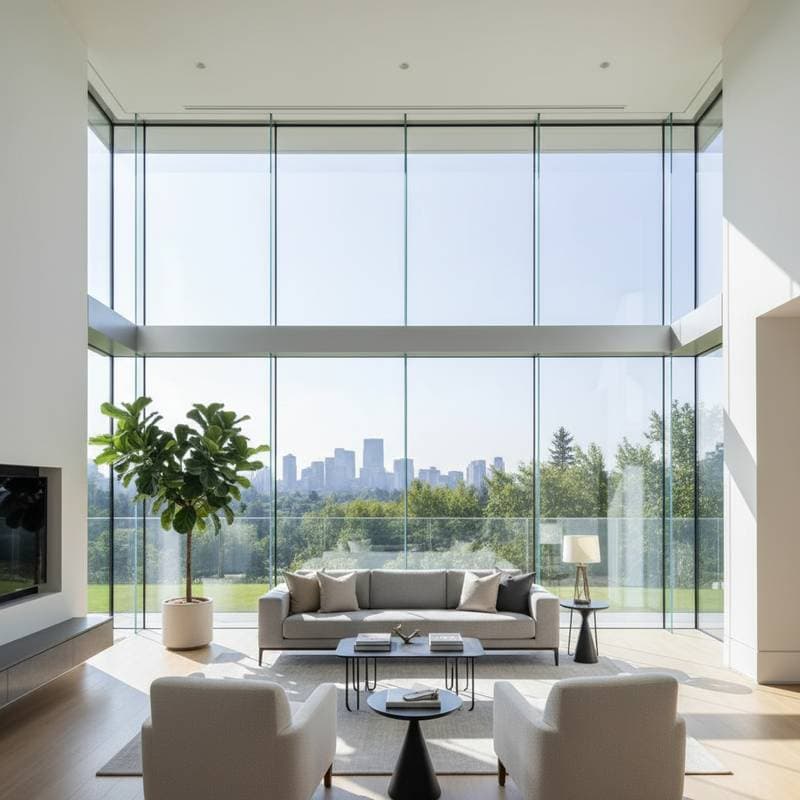
Smart glass, also known as electrochromic glass, adjusts its tint level automatically or through manual controls to regulate light and heat entry. Homeowners install this technology to achieve energy savings, enhance privacy, and incorporate contemporary design elements. The technology proves particularly valuable in regions with intense sunlight or in upscale properties where energy efficiency and aesthetics play significant roles.
Cost Overview
The national cost range for smart glass installation spans from $700 to $1,200 per window. For mid-sized projects, expect prices between $900 and $1,100 per window. Custom large panels or curved units may surpass $1,800 each.
Several factors influence these costs. These include the type of glass and its coating technology, the dimensions and configuration of the window, the intricacy of wiring and control systems, compatibility with existing smart home setups, and regional labor rates for professional installation. Although the upfront expense exceeds that of traditional double-pane windows, the technology delivers substantial energy savings over time and elevates property resale value to bridge the initial investment.
Advantages and Disadvantages
Advantages
- Reduces cooling expenses by minimizing solar heat gain through windows.
- Provides privacy without the need for blinds or shades.
- Diminishes glare and protects interior furnishings from ultraviolet damage.
- Increases the perceived value of the home during resale negotiations.
- Integrates seamlessly with automated smart home ecosystems.
Disadvantages
- Involves a substantial initial outlay for purchase and installation.
- Necessitates electrical wiring and a dedicated control system.
- Availability of local service providers remains limited in certain areas.
- Sourcing replacement components may require extended lead times.
Available Types and Applications
Electrochromic Glass: This variant alters its tint in response to an applied electric current. It suits large windows or skylights that demand precise light management.
Photochromic Glass: The material darkens automatically upon exposure to sunlight, eliminating the need for wiring. It works well for smaller windows or locations lacking electrical access.
Thermochromic Glass: This type reacts to temperature changes. Property owners in warm climates with direct sun exposure benefit most from its performance.
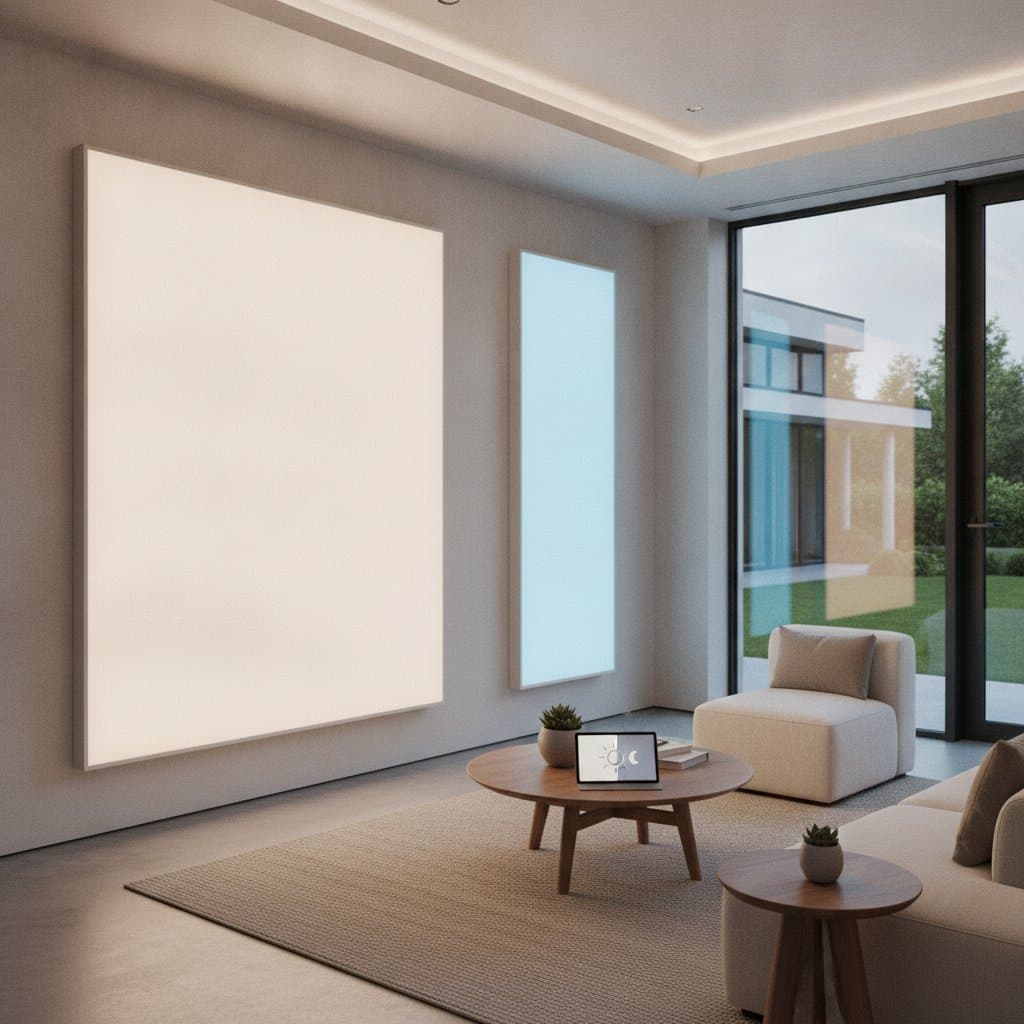
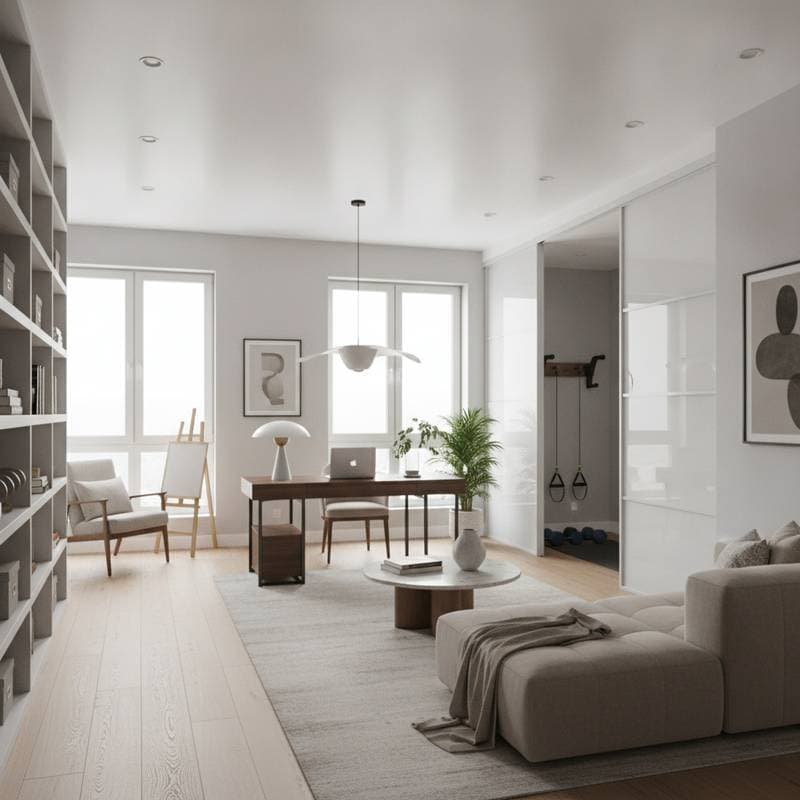
PDLC (Polymer Dispersed Liquid Crystal): The glass shifts from transparent to opaque states for privacy control. It proves ideal for bathrooms, home offices, or conference rooms.
DIY Installation Versus Professional Services
The complexity of installation rates as high. Completion time varies from two to six hours per window, influenced by wiring requirements. Essential tools include a voltage tester, wire strippers, a screwdriver set, sealant, and a smart control hub.
Risks involve electrical mishaps and failures in weatherproofing, which could lead to system malfunctions or water intrusion. Professionals handle large-scale projects or integrations with smart home infrastructure effectively. Homeowners consider DIY feasible only for pre-wired panels or isolated single-window upgrades.
Essential Installation Steps
- Measure the dimensions of current window openings accurately.
- Order compatible smart glass panels and control units.
- Remove existing window sashes and prepare frames by cleaning thoroughly.
- Verify the availability of a power source and route control wiring as needed.
- Secure the new smart glass panels within the frames.
- Attach electrical connections to the controller or switch mechanism.
- Verify the functionality of tinting and clearing operations prior to finalizing.
- Apply weatherproof sealant along all edges.
- Configure automation preferences and wipe down glass surfaces for clarity.
Maintenance Requirements and Durability
Properly installed smart glass endures for 20 to 30 years. Clean surfaces using mild soap and water, steering clear of abrasive materials. Conduct annual inspections of seals to detect cracks or moisture accumulation. Examine control wiring periodically, every few years, for signs of corrosion or disconnections. Many manufacturers provide warranties spanning 10 to 15 years on coatings and electronic components.
Comparable Alternatives
Low-E Windows: These options cost less and limit heat transfer, though they lack dynamic tinting capabilities.
Tinted Glass: Permanent shading offers flexibility limitations but comes at a reduced price point.
Smart Blinds: Installation occurs more simply, providing light control akin to smart glass, yet visible hardware remains present.
Window Films: As a budget-friendly choice, these block ultraviolet rays and glare effectively, although durability falls short compared to full glass replacements.
Regional Considerations
Local climate impacts both the expense and effectiveness of smart glass. In areas with high heat or sunlight, energy reductions prove more pronounced, enhancing return on investment. Colder regions benefit from minimized heat loss, provided low-emissivity coatings accompany the installation for optimal efficiency. Coastal locations demand corrosion-resistant framing materials to withstand environmental exposure.
Certain municipal building codes mandate energy efficiency standards that smart glass helps fulfill. State-level incentives, such as rebates for energy-conserving window upgrades, further decrease overall project expenses.
Return on Investment and Resale Impact
Properties equipped with smart glass windows experience resale value increases equivalent to 73 percent of the installation expenditure, on average. Prospective buyers recognize the technology as a premium attribute, offering tangible improvements in comfort and energy use. Pairing smart glass with additional efficiencies, such as enhanced insulation or updated HVAC systems, amplifies these financial returns.
In luxury or custom-designed residences, the feature distinguishes listings in competitive markets. Real estate appraisers frequently highlight such installations as forward-thinking energy solutions that sustain long-term desirability.
Safety Protocols
Smart glass operates on low-voltage electricity, yet secure wiring practices remain essential. Disconnect power sources before attaching panels. Avoid routing wires through operable window components. Employ waterproof connectors for exterior applications. Install ground fault circuit interrupters in proximity to moisture-prone areas. Adhere strictly to prevailing local electrical regulations.
Planning Your Upgrade
Smart glass delivers tangible enhancements in comfort and positions properties for stronger resale outcomes. Consider this upgrade if resale looms on the horizon or if efficiency improvements form part of a broader remodel. Solicit estimates from a minimum of three certified installers experienced in smart technologies. Inquire about warranty terms, electrical needs, and compatibility with current systems. Review permitting requirements in your jurisdiction prior to commencement.
Strategic implementation ensures that smart glass elevates daily living while securing enduring value for the home.