The Hidden Return on Investment from Electric Panel Upgrades for 2025 Electric Vehicles
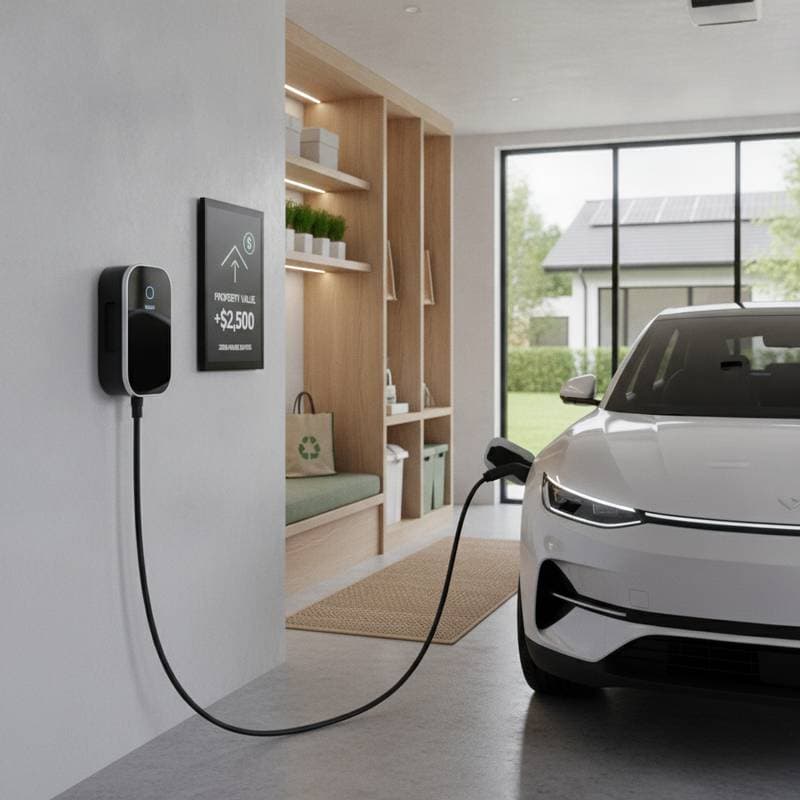
Upgrading the main electric panel in a home represents a strategic investment that enhances resale value, reduces future installation expenses for electric vehicle chargers, and averts costly electrical disruptions. For numerous households, the benefits emerge from overcoming capacity constraints rather than from apparent aesthetic improvements. A typical 200-amp upgrade costs approximately $2,500 and can increase property value by $1,500 to $4,000, depending on local market conditions and the home's overall condition.
Homeowners preparing for the widespread adoption of electric vehicles by 2025 find this upgrade particularly valuable. Modern EVs demand substantial electrical capacity, often exceeding what older 100-amp panels provide. By addressing this proactively, owners secure a reliable foundation for emerging technologies such as solar integration and smart home systems.
Key Cost Considerations
Understanding the elements that influence the price of an electric panel upgrade helps homeowners budget effectively. These factors vary by location, home layout, and existing infrastructure, but they generally contribute to a total expense between $1,800 and $4,000 for most residential projects.
-
Amperage Capacity Increase
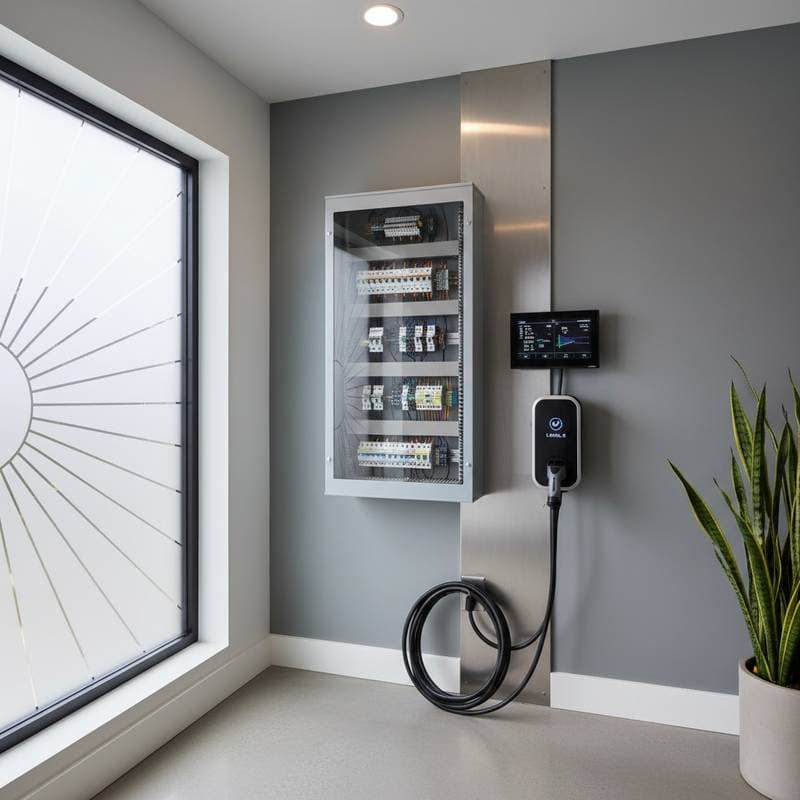
Transitioning from a 100-amp to a 200-amp panel accommodates high-demand devices like EV chargers, induction ranges, and efficient heat pumps. This change typically incurs an additional $400 to $800 in materials, including the panel itself and upgraded breakers. Larger jumps, such as to 400 amps for extensive solar setups, escalate costs further but offer greater long-term flexibility. -
Panel Accessibility and Installation Challenges
When panels reside in finished spaces like basements or attics, contractors must navigate obstacles such as drywall removal or rerouting conduits. Such complexities increase labor charges by 10 to 20 percent, potentially adding $300 to $600. Homes with exterior access points experience smoother and less expensive installations. -
Coordination with Utility Providers
Upgrades often require temporary service interruptions and possible meter replacements, which utilities handle for fees ranging from $200 to $500. Scheduling inspections and reconnections can extend project timelines by several days, emphasizing the need for advance planning. Some regions streamline this process through pre-approved utility partnerships with local electricians. -
Permitting and Regulatory Compliance
Most municipalities mandate permits that cost $100 to $300, along with detailed load calculations to verify the panel's suitability for the home's electrical demands. These steps ensure adherence to national and local codes, such as the National Electrical Code updates. Non-compliance risks fines or voided insurance coverage. -
Handling Obsolete Components and Wiring
Disposing of old fuse boxes or hazardous aluminum wiring adds $300 to $700 to the project, covering safe removal and recycling. This phase not only boosts safety by reducing fire risks but also qualifies homes for lower insurance premiums. Inspectors often recommend full rewiring in tandem with panel upgrades for optimal results.
Weighing DIY Options Against Professional Installation
Attempting a panel upgrade without expertise poses significant dangers, including electrocution or code violations that could invalidate home warranties. Professionals bring specialized knowledge of grounding techniques, proper bonding, and precise labeling required by regulations.
Consider a DIY approach solely under these conditions:
- Possession of a valid electrician license and familiarity with jurisdiction-specific codes.
- Ability to secure all necessary permits independently.
- Access to essential safety equipment, including insulated tools, multimeters for voltage testing, and torque wrenches for secure connections.
Opt for a licensed professional if any of the following indicators appear:
- Lights dim or flicker during the operation of high-power appliances.
- Breakers feel warm to the touch or emit unusual buzzing sounds.
- Plans include imminent additions like EV charging stations or energy-efficient HVAC systems.
Electrical work on service entrances involves voltages that persist even when interior breakers trip, making it inherently hazardous. Certified electricians mitigate these risks while guaranteeing compliance, often completing the job in one to two days.
Ongoing Maintenance and Warranty Protections
Contemporary electric panels demand minimal routine care to maintain peak performance. Schedule inspections every two to three years to examine for signs of corrosion, verify connection tightness, and confirm clear labeling of circuits. Position the panel in an area that remains dry, accessible, and free from storage obstructions to facilitate quick emergency access.
Manufacturers typically provide 10-year warranties on panel components, while reputable installers extend one-year coverage for workmanship. Prompt attention to issues like frequent breaker trips, panel discoloration, or persistent humming prevents escalation into major repairs or fire hazards. Regular upkeep not only extends equipment life but also supports energy efficiency, potentially lowering utility bills over time.
Practical Steps to Proceed with Your Upgrade
Taking deliberate actions ensures a smooth upgrade process tailored to your home's needs. Begin by assessing current limitations and exploring financing options to maximize value.
-
Evaluate Existing Capacity. Examine the rating on your main breaker; capacities of 100 amps or below signal the need for expansion, especially with EV adoption on the horizon. A quick visual inspection or consultation with an electrician reveals if surges or overloads already strain the system.
-
Obtain Multiple Quotes. Solicit bids for both conventional panels and advanced smart versions, which integrate monitoring for optimized energy use. Compare not only prices but also timelines, warranties, and inclusions like load assessments.
-
Inquire About Financial Incentives. Many utilities and government programs offer rebates for EV-ready or energy-efficient upgrades, potentially reducing net costs by 20 to 30 percent. Research federal tax credits under initiatives like the Inflation Reduction Act for additional savings.
-
Anticipate Future Electrical Demands. Factor in expansions such as rooftop solar arrays, home battery storage, or multiple vehicle chargers. Selecting a higher-capacity panel now avoids disruptive and expensive retrofits in the coming years.
An electric panel upgrade establishes a robust backbone for your home's electrical ecosystem, enabling seamless integration of innovative technologies. This investment safeguards against obsolescence, enhances daily reliability, and positions your property as a forward-thinking asset in evolving real estate markets.