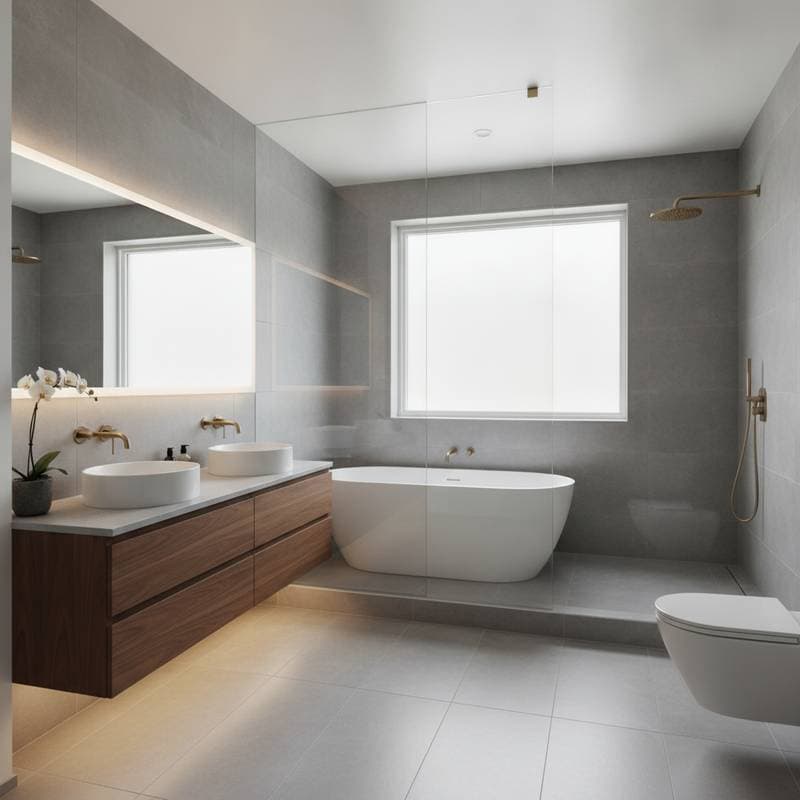

Understanding Wet Rooms and Their Impact on 2025 Home Values
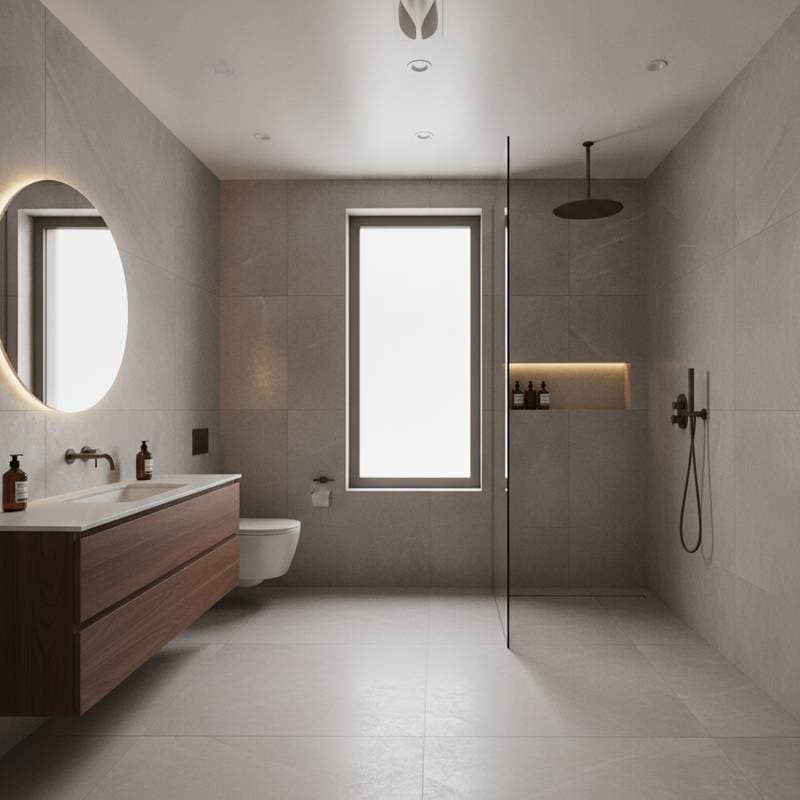
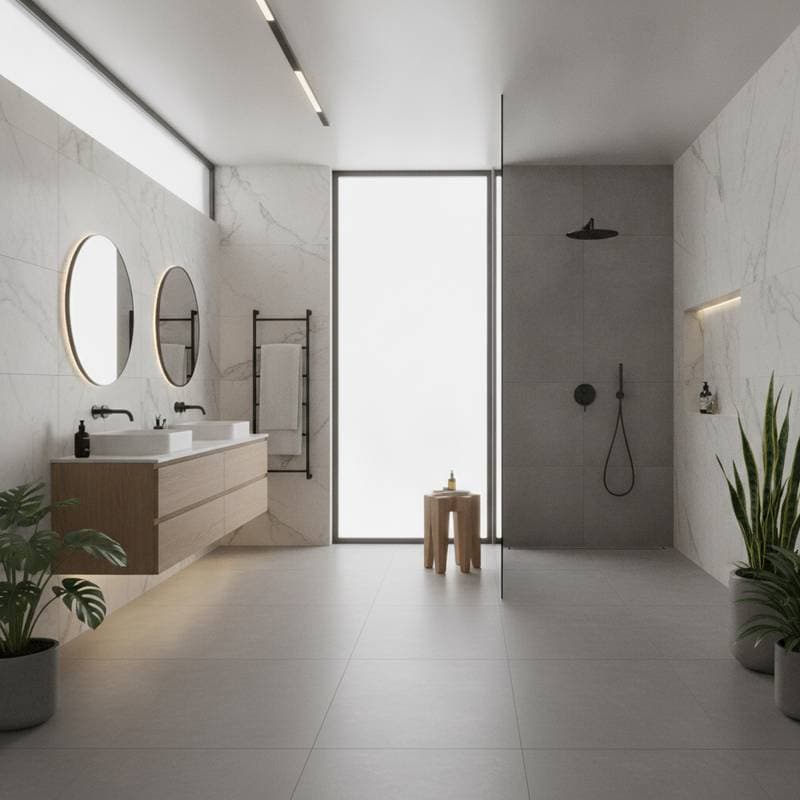
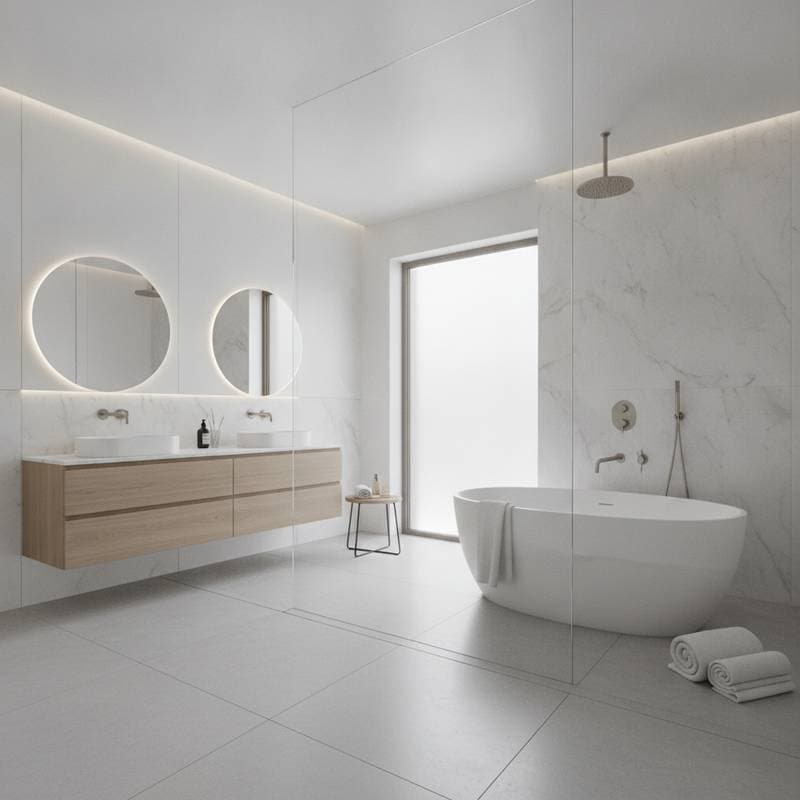
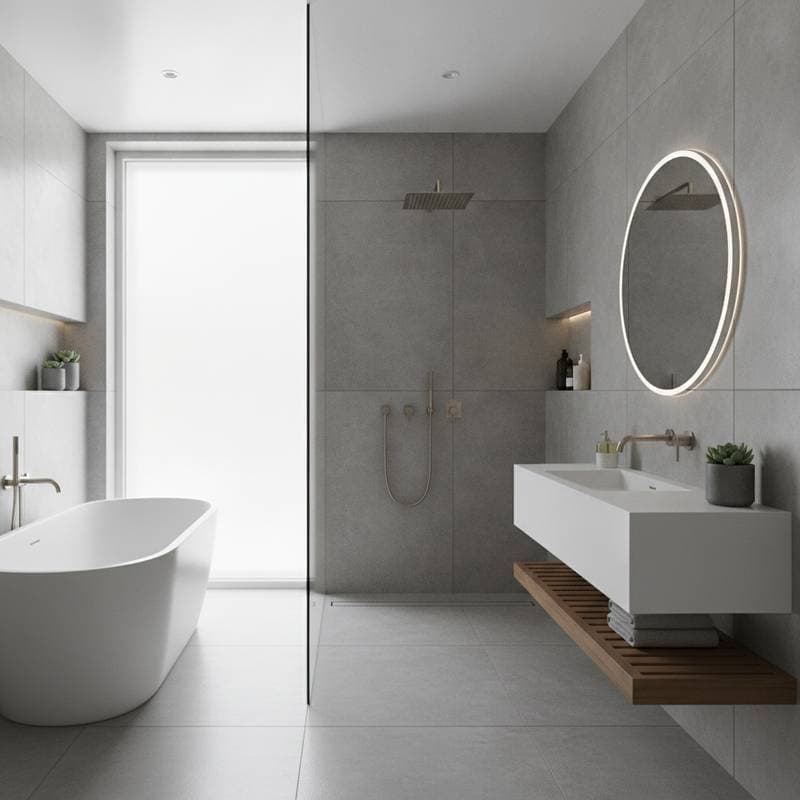
Wet rooms represent a fully waterproofed bathroom design featuring an open shower area without a door or curb. Water drains directly through the floor, which simplifies cleaning and enhances accessibility. In 2025, homebuyers view this feature as a premium addition that delivers both luxury and functionality, often resulting in a 15% increase in resale value for midrange conversions costing $14,000 to $22,000.
This boost stems from the design's appeal to diverse buyers, including those seeking modern aesthetics and practical solutions for aging in place. The seamless integration creates an illusion of more space, particularly in compact bathrooms. As renovation trends evolve, wet rooms stand out for their long-term value and minimal upkeep.
Breaking Down Installation Costs
The total expense for a wet room varies based on room dimensions, material selections, slope engineering, and waterproofing methods. Key components include the following:
- Waterproofing membranes and sealants: $1,200 to $2,800, influenced by coverage area and product quality.
- Drain systems and floor sloping: $800 to $2,000, covering linear or central drain options.
- Tiling and grouting: $3 to $10 per square foot for ceramic tiles; $8 to $25 for natural stone.
- Optional glass partitions: $700 to $1,500 for basic splash protection.
- Labor charges: $60 to $120 per hour from certified installers.
- Plumbing fixtures: $2,500 to $5,000 for standard-quality items.
- Permit and inspection costs: $200 to $600, varying by local regulations.
- Demolition and waste removal: $500 to $1,000 to clear existing surfaces.
In older properties, allocate an additional 10 to 15% of the budget for unforeseen issues, such as subfloor repairs or plumbing adjustments. Detailed planning helps control these variables and avoids budget overruns.
Deciding Between DIY and Professional Installation
Certain tasks suit DIY efforts if you possess basic skills and safety knowledge. These include demolition, provided plumbing lines remain capped and accessible; tiling on surfaces above the sealed base after professional waterproofing; and installing paint, lighting, or accessories.
Professional expertise proves essential for critical elements. Engage licensed contractors for drain installation or relocation, application of waterproof membranes, and precise floor sloping to comply with building codes. Improper execution risks water leaks, mold growth, or structural harm, such as water pooling against walls or beneath flooring. Insist on a written warranty for waterproofing to safeguard your investment.
Installation Timeline and Cost-Saving Strategies
Complete a wet room project in 2 to 4 weeks, though delays in sourcing drains or tiles may extend this period. Build in an extra week for inspections and material curing to ensure quality.
Implement these approaches to reduce expenses:
- Select porcelain tiles over stone for superior water resistance at a lower price point.
- Retain existing plumbing positions to avoid extra charges of $1,000 to $3,000.
- Purchase linear drains in advance, as delivery can take 3 to 6 weeks.
- Time the project for drier seasons to accelerate adhesive and grout setting.
Local incentives for low-flow fixtures or efficient drains may rebate $150 to $300, offsetting part of the investment.
The Reasons Wet Rooms Drive Higher Property Values
Prospective buyers appreciate wet rooms for their contemporary style, ease of access, and reduced maintenance needs. The barrier-free layout supports aging-in-place modifications, broadening appeal across demographics. In smaller residences or condominiums, the continuous flooring expands perceived space, enhancing overall attractiveness.
This contributes to the 15% resale premium through combined visual and practical advantages. Unlike traditional setups, wet rooms minimize leak risks with comprehensive waterproofing, lowering future repair expenses. Buyers willingly invest more for such reliability and updated features.
Comparing Returns on Common Upgrades
| Upgrade Type | Typical Return on Investment |
|---|---|
| Standard bathroom remodel | 8% to 10% |
| Wet room conversion | 12% to 15% |
| Kitchen remodel | 10% to 14% |
Wet rooms outperform due to their enduring construction, which preserves value over time.
Selecting Durable Materials
Prioritize materials that balance performance and affordability. Porcelain tiles offer optimal durability, water resistance, and slip prevention. Epoxy-based grout withstands moisture far better than traditional cement varieties.
Linear drains streamline the slope while providing a sleek appearance. Consider underfloor heating mats for added comfort at $500 to $800, but evaluate ongoing energy use beforehand. Above all, invest in expert waterproofing to avert costly fixes and secure lasting results.
Designing for Long-Term Adaptability
Approach wet room design with versatility to accommodate families, visitors, or individuals with mobility challenges. Ensure flush thresholds and ample entry width for seamless access. Opt for fixtures engineered for humid environments to resist corrosion.
In homes with multiple bathrooms, prioritize the primary one for maximum resale impact. This strategic focus amplifies the upgrade's benefits across daily use and market appeal.
Steps to Launch Your Wet Room Project
- Evaluate your space and current plumbing configuration. Determine feasible slope angles and optimal drain placement.
- Establish a realistic budget with a 10 to 15% contingency for unexpected costs.
- Obtain quotes from at least three licensed professionals. Require documented waterproofing guarantees.
- Source materials promptly. Account for extended lead times on tiles and drains.
- Arrange installation during favorable weather. This promotes quicker drying and fewer interruptions.
- Prepare alternative bathroom arrangements. Expect inaccessibility for a minimum of two weeks.
A well-executed wet room delivers enhanced comfort, simplified maintenance, and substantial financial returns upon selling. Thoughtful preparation paired with skilled installation transforms this renovation into a worthwhile asset for your home.