EV Chargers: Boost 2025 Home Sales with Green Upgrades
Typical cost: $1,200 to $3,000 installed. This investment adds strong buyer appeal in markets that prioritize energy efficiency and sustainability.
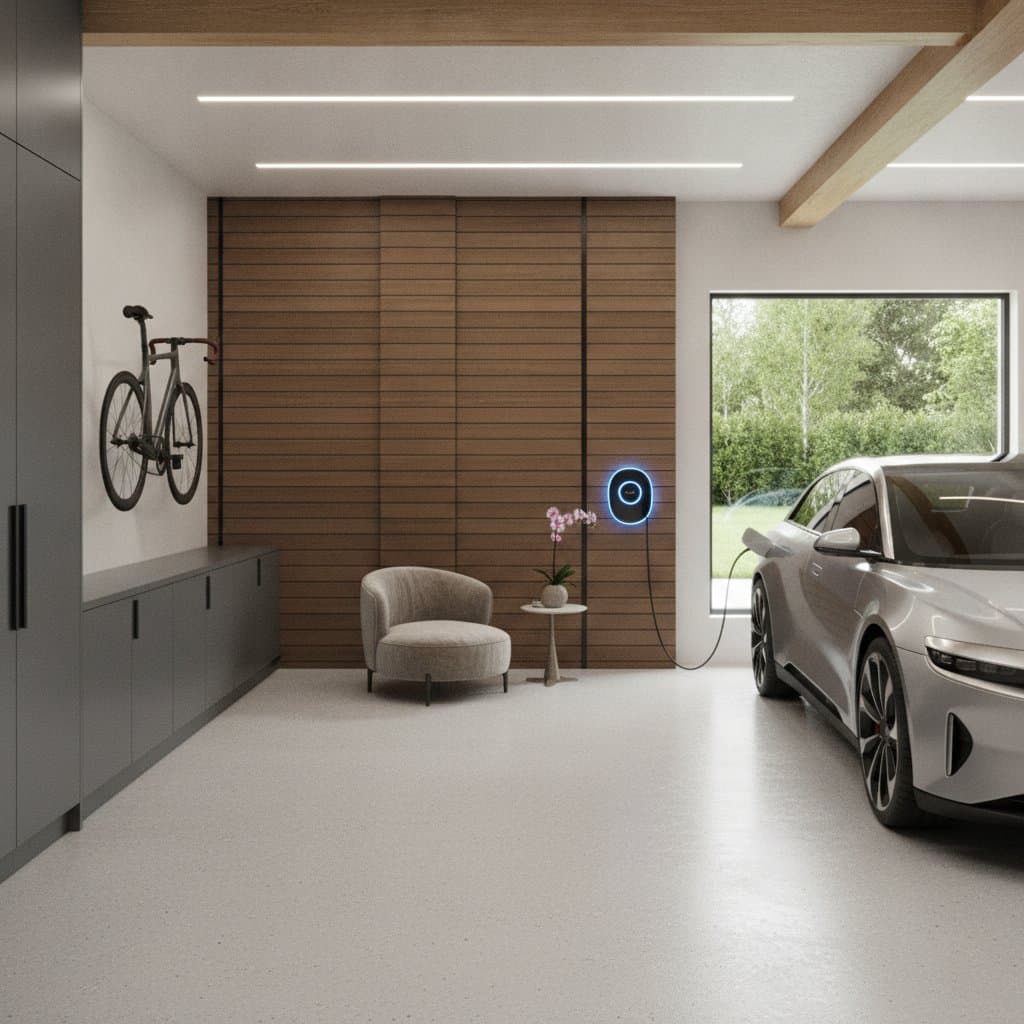
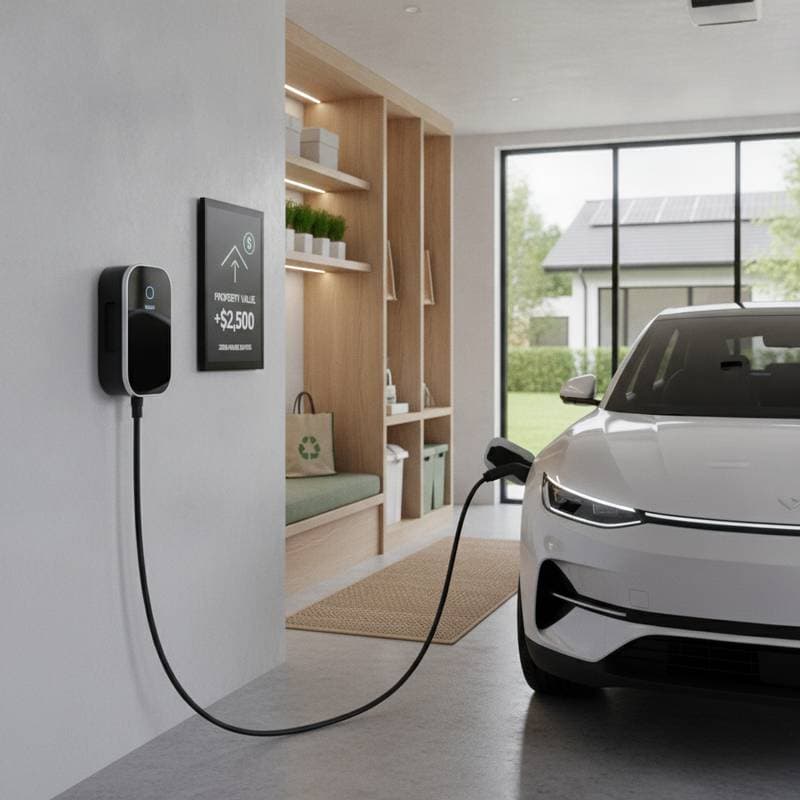
Homeowners who install an EV charger gain one of the most noticeable green upgrades for enhancing residential resale value. Prospective buyers increasingly expect convenient charging access, and properties equipped with this feature tend to sell more quickly and closer to the listed price. As a mid-level electrical project, the installation not only elevates long-term property value but also aligns with the growing transition to electric mobility.
In 2025, real estate trends highlight the appeal of sustainable features. An EV charger signals forward-thinking ownership and attracts eco-conscious purchasers who value reduced carbon footprints and modern conveniences. Beyond immediate resale benefits, the upgrade positions the home for future-proofing against evolving energy standards.
Cost Factors
Multiple elements determine the total expense of installing an EV charger. A clear understanding of these components allows homeowners to establish an accurate budget prior to consulting an electrician.
-
Charger Type:
Level 1 chargers connect to a standard outlet and range from $300 to $600 in price. Level 2 chargers demand a dedicated 240-volt circuit and typically cost $500 to $1,200 for the unit itself, offering faster charging speeds suitable for daily use. -
Electrical Capacity:
When the electrical panel lacks sufficient space for an additional circuit, a panel upgrade becomes necessary, costing $800 to $2,000. Newer homes with ample capacity often avoid this expense entirely. -
Wiring Distance:
Greater distances from the panel to the installation site increase labor charges. Homeowners should anticipate $10 to $20 per foot for conduit and wiring materials. -
Permits and Code Compliance:
Local authorities generally mandate an electrical permit, with fees ranging from $100 to $300. Inspections may extend the project timeline by several days to ensure adherence to safety standards. -
Wall vs Pedestal Mount:
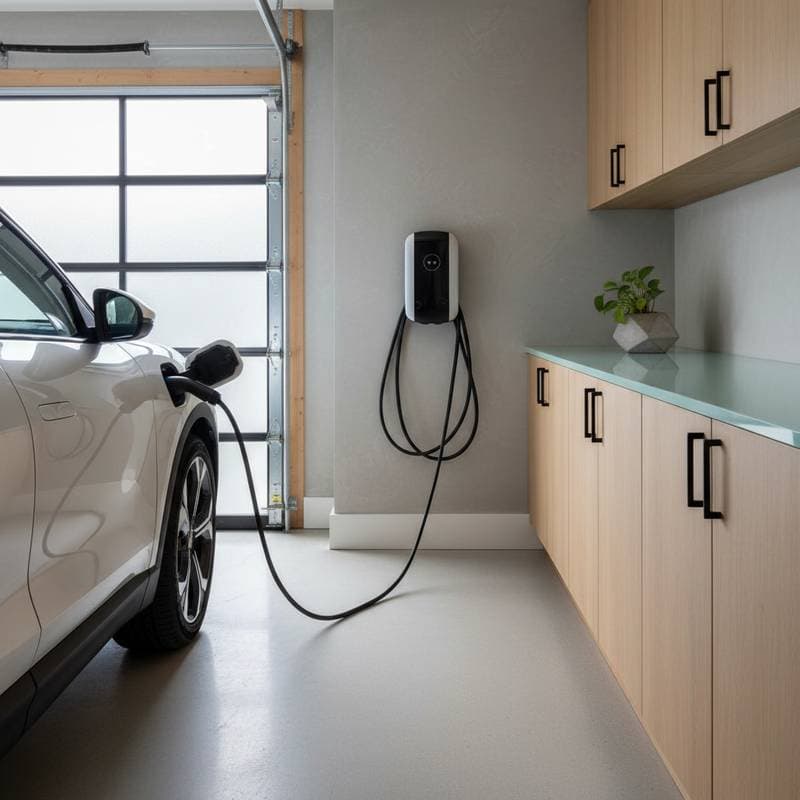
Wall-mounted options prove more economical and integrate seamlessly into garage spaces. Pedestal mounts for outdoor locations require trenching and protective enclosures, adding $400 to $700 to the total. -
Disposal and Repair:
Tasks such as removing old wiring or repairing drywall can contribute $200 to $500, varying by the existing infrastructure.
Homeowners should allocate an additional 10 to 15 percent of the budget to account for unforeseen issues, particularly in older properties where panels or conduits may require updates.
Safety and Compliance
Prior to any work, shut off the main breaker and assess the panel's capacity. Employ a voltage tester to confirm the absence of live current before handling wires. Individuals unfamiliar with 240-volt systems must engage a licensed electrician to mitigate risks.
Safety gear checklist:
- Insulated gloves and safety glasses
- Voltage tester
- GFCI protection for outdoor installations
- Weatherproof conduit and fittings
- Mounting hardware suitable for the charger's weight
Permit triggers:
New 240-volt circuits or panel modifications necessitate permits. Plug-in chargers utilizing existing outlets might bypass this requirement, though verification with the local code office remains essential.
Licensed professional required when:
- Upgrading or replacing the main electrical panel
- Routing wiring through finished walls or underground paths
- Integrating smart charger systems with the home's primary electrical framework
Adhering to these protocols ensures not only personal safety but also compliance with building codes, protecting the home's insurability and resale potential.
Timing and Savings
Active installation typically spans 1 to 2 days, yet the full process, including permits and inspections, may extend to two weeks. Many utility providers offer rebates for energy-efficient EV chargers, potentially reimbursing $200 to $600 post-installation.
Best Timing Strategies
- Spring and fall schedules benefit from reduced demand on electricians.
- Steer clear of peak summer, a period when professionals focus on air conditioning repairs.
- Bundle with other projects, such as solar panel or battery installations, to realize labor savings of $500 to $1,000 through shared efforts.
A preliminary panel inspection stands out as the most prudent single upgrade. This step averts redundant electrical interventions when incorporating future appliances or renewable energy systems.
Rebates and incentives evolve with policy changes, so researching current programs through local utilities can significantly offset costs. For instance, some regions tie rebates to charger efficiency ratings, rewarding models that minimize grid strain during peak hours.
Cost Breakdown Example
| Item | Typical Cost | Notes |
|---|---|---|
| Level 2 Charger | $800 | Midrange smart model |
| Labor | $1,000 | Includes wiring and breaker |
| Permit & Inspection | $200 | Standard for residential |
| Panel Upgrade | $1,200 | Only if capacity is insufficient |
| Total Potential Range | $1,200 to $3,000+ | Varies by site complexity |
This table illustrates a baseline scenario for a standard garage installation. Costs escalate in rural areas due to longer wiring runs or in historic homes requiring specialized compliance.
Repair vs Replace
For existing chargers showing age, evaluate repair feasibility against full replacement.
| Condition | Repair Cost | Replace Cost | Recommendation |
|---|---|---|---|
| Minor cable wear | $100 to $200 | - | Repair |
| Faulty plug or mount | $150 to $300 | - | Repair if under warranty |
| Damaged internal board | $400 to $800 | $1,200+ | Replace |
| Obsolete connector | - | $1,500+ | Replace |
Opt for replacement when the unit proves incompatible with contemporary vehicles or inspection failures arise. Limit repairs to isolated damage where replacement parts remain accessible, ensuring ongoing reliability.
Common Mistakes to Avoid
- Overlooking permits. Absence of proper inspection can complicate insurance claims and resale.
- Selecting undersized wiring. Inadequate gauge leads to overheating and invalidates manufacturer warranties.
- Neglecting weatherproofing. Exterior units demand sealed conduits and protective covers to withstand environmental exposure.
- Positioning mounts too low. Codes specify outlets at least 18 inches above floor level for accessibility and safety.
- Omitting surge protection. Investing in a $50 device safeguards against voltage fluctuations that could damage the charger.
These pitfalls often stem from rushed planning. A thorough site assessment by a professional preempts most issues, preserving both budget and functionality.
Your Next Steps
- Verify panel capacity. Availability of at least 40 amps clears the path for a Level 2 charger installation.
- Obtain three quotes from certified electricians, inquiring about permit management and extended warranties.
- Explore local rebates. Incentives from utilities fluctuate, yet they frequently slash initial expenses by several hundred dollars through targeted programs.
- Select an optimal location. Prioritize spots that minimize wiring distance while maintaining easy access to the charging port.
- Arrange installation amid temperate weather conditions to expedite completion and reduce disruptions.
By following these steps, homeowners unlock the full value of an EV charger, enhancing marketability and embracing sustainable living. This upgrade not only elevates property worth by $1,200 to $3,000 but also appeals to the rising wave of environmentally aware buyers in 2025.