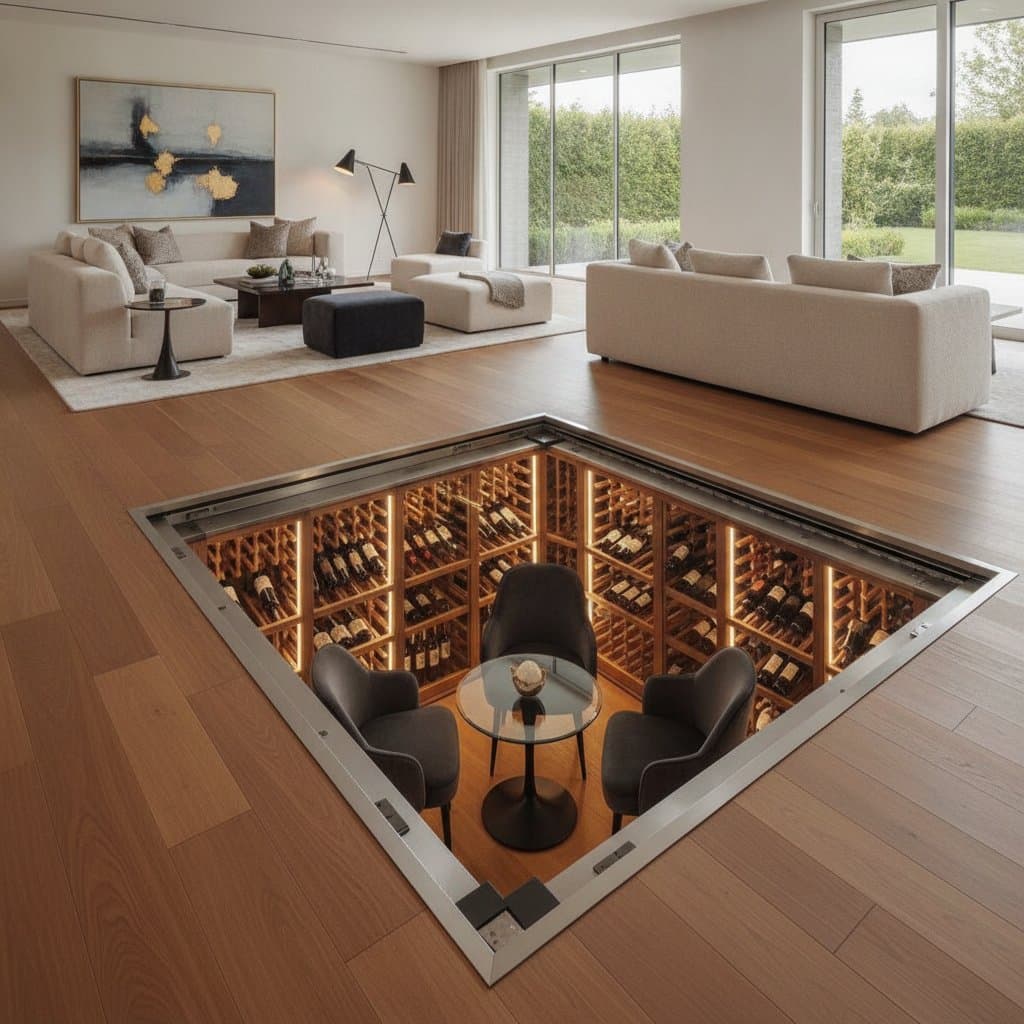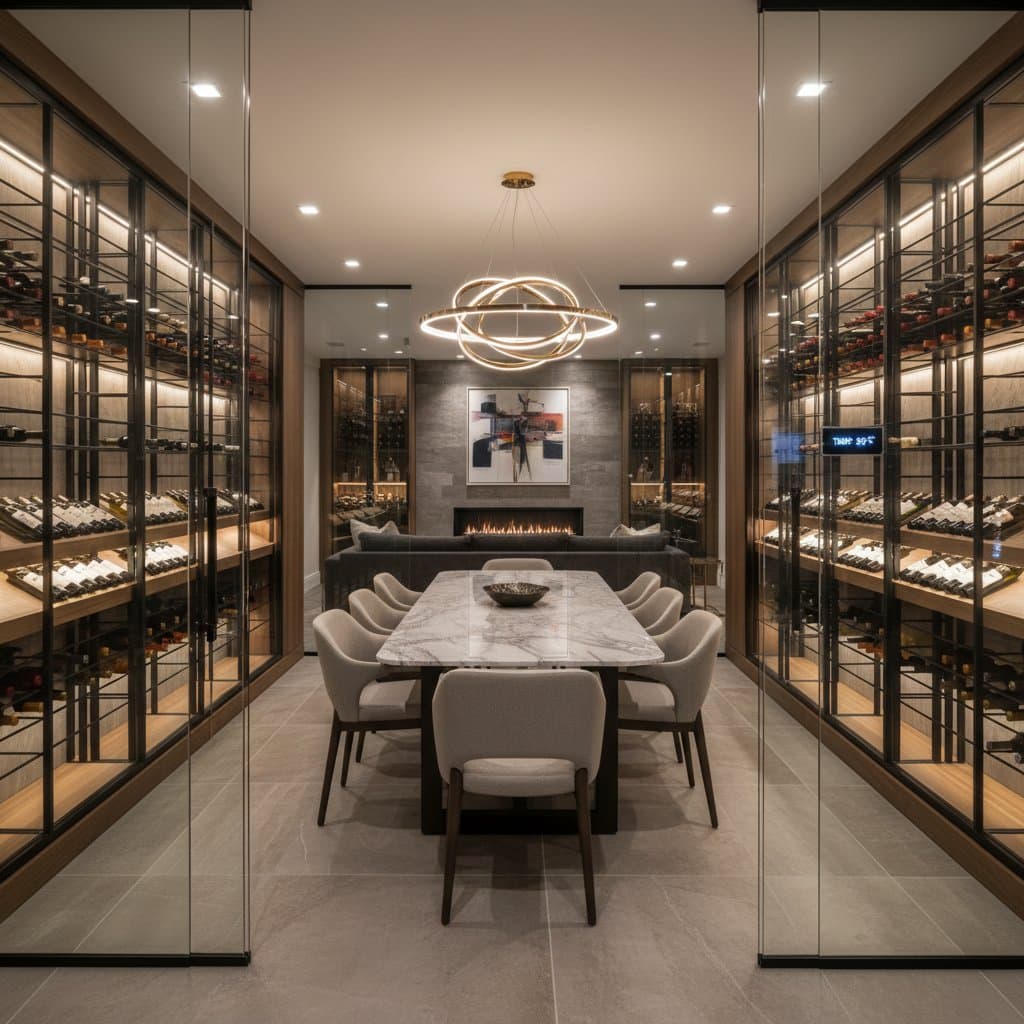
Basement Wine Cellars Increase Home Value by 72% in 2025
Average project cost: $24,000, delivering resale value increases of up to 72% for luxury properties.
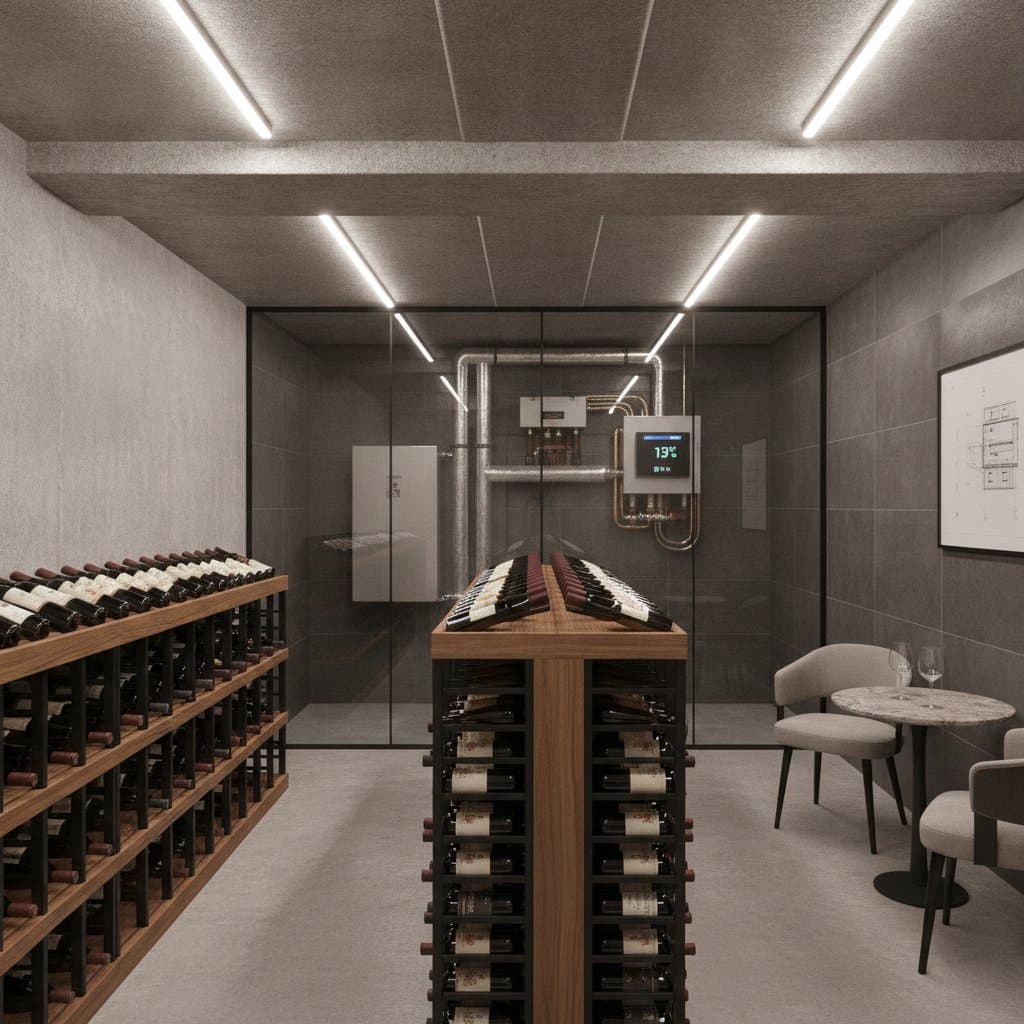
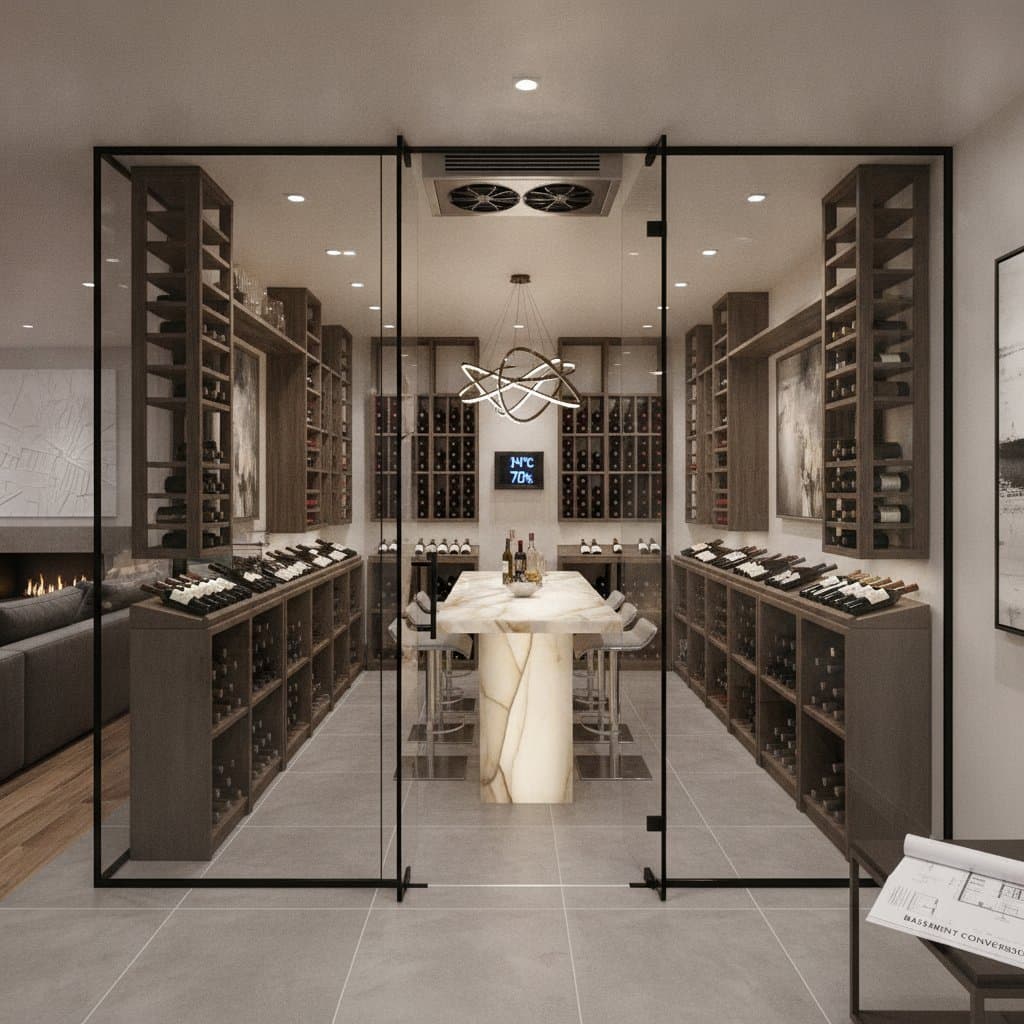
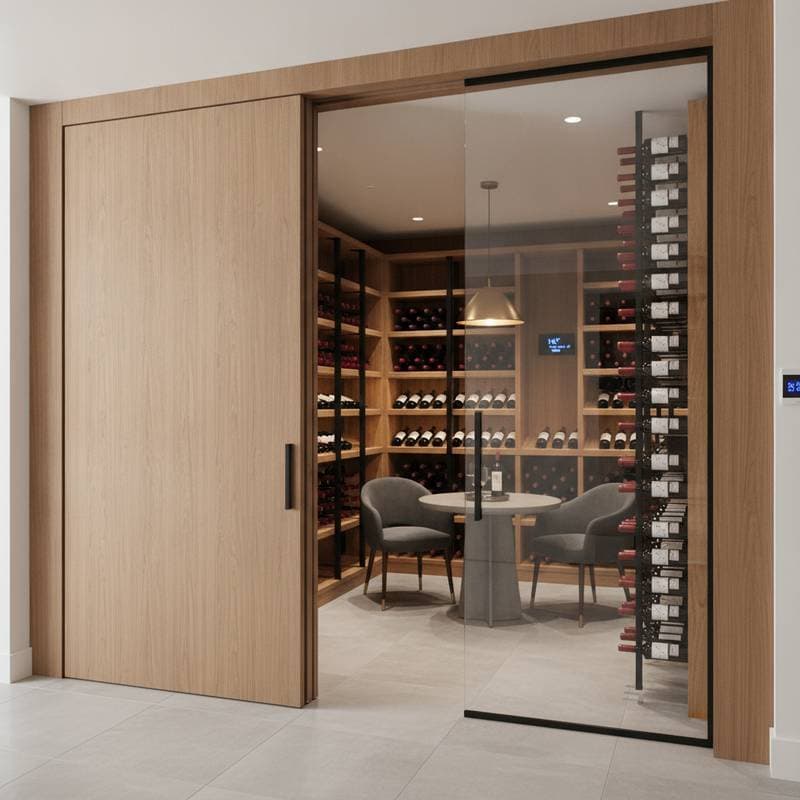
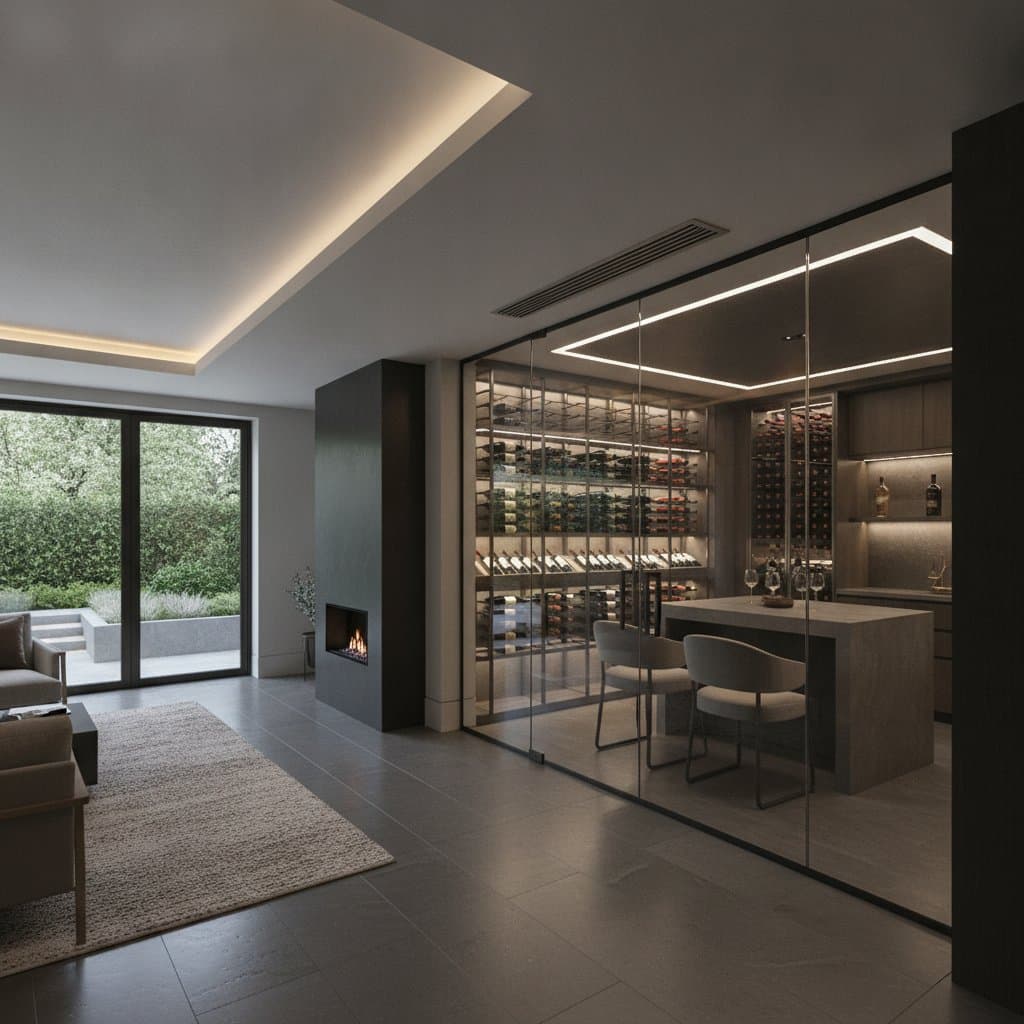
A completed basement featuring a climate-controlled wine cellar ranks among the top upgrades for upscale residences. This enhancement appeals through its blend of refined living and strong financial returns. Prospective buyers recognize it as evidence of superior construction and enduring quality.
Homeowners in premium markets increasingly prioritize such features to distinguish their properties. The cellar not only stores collections securely but also serves as a versatile space for entertaining or relaxation. With careful planning, this addition aligns with broader trends in luxury home customization.
Key Cost Considerations
Project expenses vary based on dimensions, materials, and climate management systems. For instance, a compact cellar accommodating 350 bottles begins around $18,000. Larger installations with glass enclosures and zoned temperature controls often surpass $40,000.
Primary expense categories include:
- Excavation and waterproofing: Between $3,000 and $7,000, essential for addressing moisture issues or reinforcing seals in existing basements.
- Insulation and vapor barriers: Ranging from $1,200 to $2,500, these elements maintain consistent humidity levels to protect stored wines.
- Cooling systems: From $2,000 to $6,000, selected by capacity needs and preferences for quiet operation.
- Racking and shelving units: $3,000 to $10,000, available in durable wood or sleek metal designs.
- Lighting and electrical upgrades: $800 to $2,000, incorporating energy-efficient recessed or LED options for ambiance.
- Labor and permitting fees: Typically 25 to 40 percent of the overall budget.
Costs rise in areas prone to high groundwater or with restricted material availability. For older properties, allocate an additional 10 to 15 percent to cover surprises like concealed dampness or outdated wiring. Consulting local suppliers early helps identify regional pricing fluctuations.
Professional Installation Versus DIY Approaches
DIY opportunities: Limited but feasible for tasks such as installing racks, applying paint, or completing finishes, provided you possess advanced carpentry experience.
Engage professionals if these conditions exist:
- Ongoing moisture problems or persistent odors.
- Deteriorating concrete or visible wall leaks.
- Absence of a dedicated electrical circuit for the cooling unit.
- Requirements for permits involving structural modifications or electrical work.
Importance of expertise:
Errors in managing humidity or temperature can damage valuable wine collections. Professionals coordinate vapor barriers, insulation, and cooling for optimal performance. Compliance with building codes demands certified electricians and HVAC technicians, ensuring safety and longevity.
Attempting complex elements without guidance risks costly corrections. Instead, focus DIY efforts on aesthetic touches while delegating technical aspects to specialists. This strategy balances personal involvement with reliable results.
Project Timeline and Cost-Saving Strategies
Most installations require 4 to 8 weeks, accounting for delays in sourcing custom doors, cooling equipment, and racking components.
Effective scheduling advice:
- Procure materials in advance: Expect 3 to 5 weeks for delivery of cooling units and glass elements.
- Prioritize waterproofing: Unresolved moisture halts subsequent phases more than any other issue.
- Align with seasonal weather: Dry periods simplify humidity management and accelerate sealant drying.
- Inquire about incentives: Utility providers may offer rebates for efficient LED fixtures or variable-speed cooling technologies.
Strategic planning reduces expenses by 5 to 10 percent through avoidance of expedited shipping and premium labor rates. Coordinate with contractors to align phases efficiently, minimizing downtime in your home.
Understanding Return on Investment
Market analysis indicates an average 72 percent ROI for basement wine cellars in luxury homes. This figure reflects both subjective buyer perceptions and objective appraisals. Comparable to features like media rooms or professional kitchens, cellars elevate the property's prestige.
Factors driving high returns:
- Expectations of affluent purchasers: They seek details that showcase thoughtful design and superior build quality.
- Efficient space utilization: Converting basements maximizes square footage at a fraction of the cost of ground-level expansions.
- Quicker sales cycles: Properties with cellars attract offers promptly, limiting holding expenses and bargaining pressure.
- Sustainability benefits: Modern cooling systems provide long-term energy savings, resonating with environmentally aware buyers.
In competitive listings, highlighting the cellar boosts digital engagement and appraisal accuracy. This feature often becomes a key selling point, underscoring the home's overall excellence.
Essential Steps to Launch Your Project
- Assess the basement space: Examine for water intrusion, smells, and ceiling clearance. Aim for at least 7 feet of headroom to ensure usability.
- Measure humidity levels: Invest in an inexpensive meter to determine if dehumidification is necessary prior to construction.
- Design the storage configuration: Account for bottle volume and adequate pathways for access.
- Establish a detailed budget: Incorporate a 10 to 15 percent buffer for unforeseen expenses.
- Secure permits promptly: Processing for electrical and HVAC approvals may span 1 to 3 weeks.
- Obtain multiple estimates: Seek proposals from at least three firms specializing in controlled-environment builds.
Prioritize robust moisture management as the foundation of success. This step averts future interventions and safeguards your investment in fine wines.
Realizing Lasting Benefits
A thoughtfully constructed basement wine cellar enhances daily enjoyment, aesthetic appeal, and property equity. It conveys sophistication that resonates with discerning audiences. Opt for a simple, rack-focused design or an elaborate tasting area, but emphasize precision in environmental controls and spatial planning over ornamental details.
Initiate during favorable weather, retain experts for critical waterproofing and wiring, and tackle simpler elements like shelving personally if equipped. Maintain organized documentation of warranties, regularly check humidity, and update lighting fixtures periodically.
Ultimately, this upgrade transforms a utilitarian area into a cherished haven. You secure substantial financial gains, cultivate a private sanctuary, and position the home favorably for future transactions through evident dedication to quality.