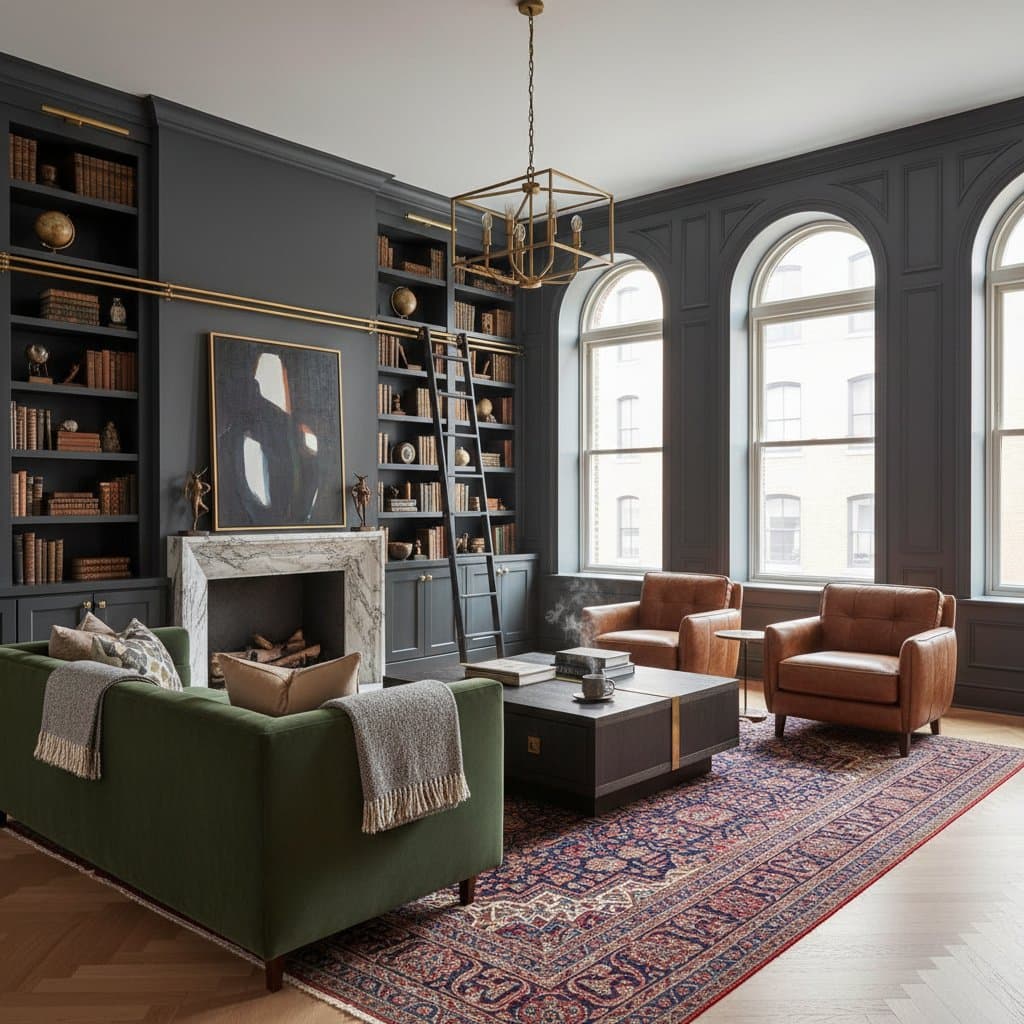
Why Dark Academia Design Elevates 2025 Home Values Quickly
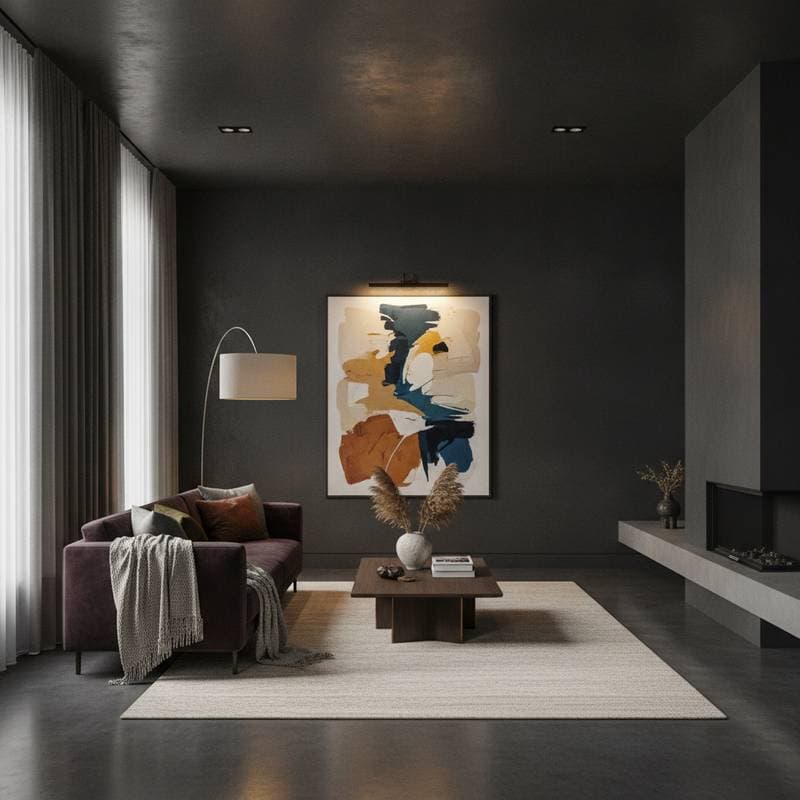
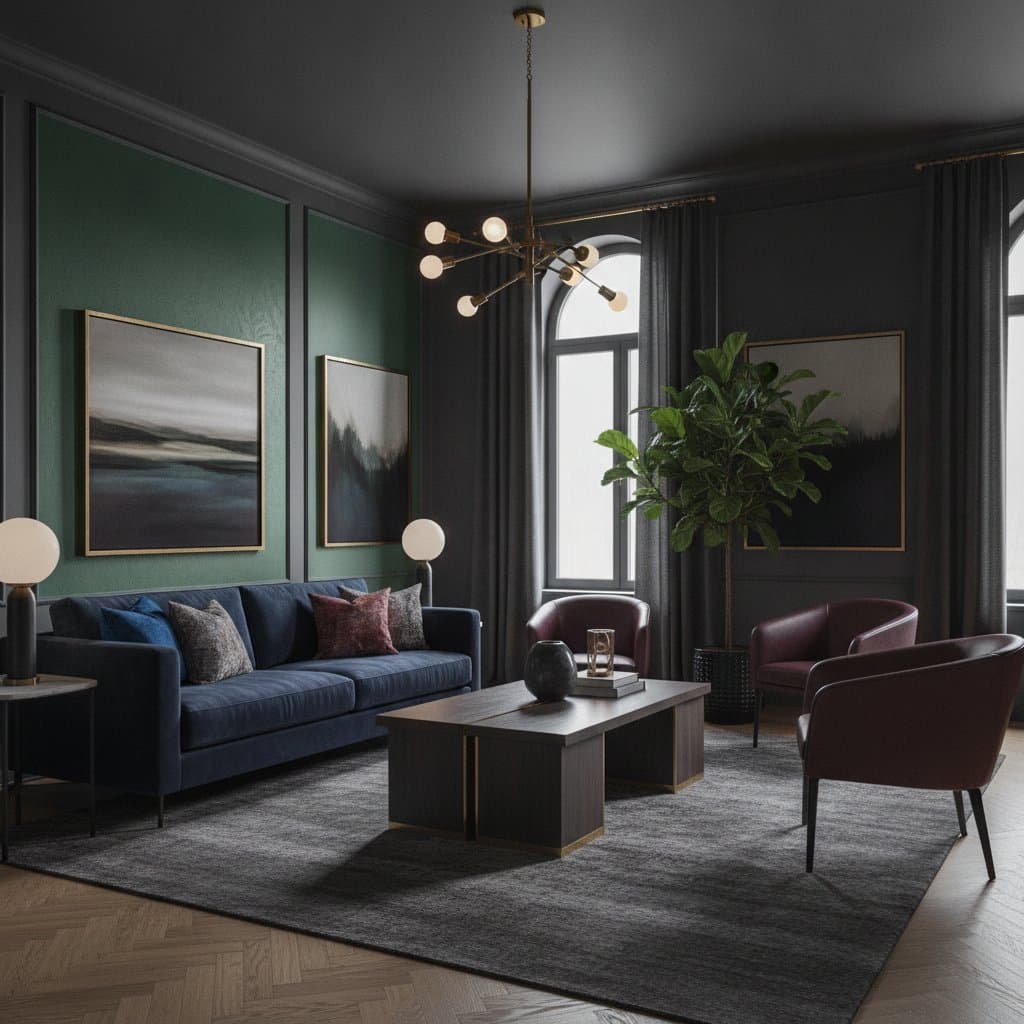
Dark academia design generates significant interest in the resale market. Homeowners who incorporate this aesthetic observe quicker buyer attention and elevated perceived worth. The style appeals to contemporary purchasers seeking rich hues, multifaceted textures, and defined personality over stark minimalism.
This approach suits homeowners aiming to revitalize dated properties or infuse new constructions with warmth and substance. It proves particularly effective in environments that appear bland or undefined. The design integrates seamlessly with classic architectural elements and premium finishes, conveying opulence without extensive renovations.
Advantages and Drawbacks
Advantages
- Enhances visual and emotional appeal rapidly
- Complements both antique and contemporary residences
- Conceals imperfections more effectively than light-colored surfaces
- Promotes selection of robust, enduring materials
- Establishes a unique ambiance that captures well in real estate photography
Drawbacks
- May overwhelm compact or dimly lit areas with darkness
- Demands strategic illumination to prevent a somber atmosphere
- Matte wall surfaces reveal touch-ups more prominently
- Certain buyers favor brighter, more spacious aesthetics
- Bespoke elements might extend timelines and elevate expenses
Handling It Yourself Versus Hiring Professionals
Difficulty for DIY
Moderate to advanced. Homeowners can manage painting and furnishing, yet intricate tasks like custom woodwork, electrical modifications, and integrated storage demand expertise.
Timeline
A single room requires three to seven days for fundamental changes. Comprehensive home transformations span multiple weeks.
Essential Tools
Include paint rollers, fine trim brushes, a stud finder, a level, a power drill, a sturdy ladder, and precision painter's tape.
Potential Pitfalls
Inadequate lighting placement or irregular applications undermine the overall impact. Inferior materials clash noticeably with deep tones.
When to Engage Professionals
Opt for experts in these scenarios:
- Installing wainscoting or ornate molding
- Modifying wiring for wall-mounted lights or overhead fixtures
- Constructing tailored bookshelves or storage units
- Aligning historical wood details or achieving uniform stain finishes
Professionals also ensure harmonious color schemes throughout the home for cohesive transitions.
Upkeep and Durability
Wall paints endure five to ten years based on usage intensity. Clean matte surfaces gently using mild soap solutions and soft fabrics. Apply oil or wax to wooden pieces yearly to avert cracking. Swap out bulbs in groups to preserve uniform warmth in lighting.
Custom wood installations offer a lifespan of ten to twenty years, subject to occasional refinishing. Dark academia environments mature gracefully, as subtle aging enhances their genuine patina.
Regional Considerations
Ambient light and moisture levels influence the perception of deep shades. In seaside or humid zones, select paints formulated to resist mold growth. Northern regions with scarce natural light benefit from multi-tiered illumination or paler ceiling treatments to counteract heaviness.
Municipal regulations may govern electrical upgrades or structural additions like built-in features. Verify permitting requirements prior to commencing any wiring or framing alterations. Professional fees fluctuate by location, typically ranging from 75 to 200 dollars per hour in urban centers.
Safety Guidelines
- Electrical Work: Disconnect power sources before replacing fixtures. Employ certified electricians for all wiring tasks.
- Structural Integrity: Secure substantial shelving or paneling directly into wall studs.
- Air Quality: Ensure adequate ventilation when applying oil-based finishes during drying periods.
- Fire Prevention: Position candles and antique lamps away from textiles.
- Compliance: Obtain necessary inspections for new electrical lines or extensive woodworking per local ordinances.
Expert Recommendations for Optimal Results
Incorporate a minimum of three distinct textures in each space, such as leather upholstery, linen drapery, and polished wood surfaces, to build dimension. Integrate reflective elements like mirrors or glass details to circulate light effectively. Maintain ceilings in lighter shades relative to walls for equilibrium.
Select bulbs with a color temperature near 2700 Kelvin to sustain a cozy glow. Restrict vivid hues to minor decorative items or artwork. Success in dark academia hinges on intentional selections that demonstrate care and precision.
Implementing the Design Effectively
Initiate the project in a single area to assess color-light dynamics. Spaces like home offices, reading nooks, or formal dining areas yield striking outcomes. Monitor expenditures and market feedback to evaluate investment returns prior to whole-home expansion.
Positive responses or swift buyer inquiries signal readiness for wider adoption. Executed with precision, dark academia enhances everyday living while bolstering marketability. It imparts lasting narrative to interiors, fulfilling the current demand for distinctive alternatives to generic simplicity.
Secure estimates from qualified specialists for illumination and woodworking needs. Confirm regulatory approvals as required, and procure resilient materials suited for longevity. Authentic execution ensures the design retains its worth over time.