Luxury Laundry Rooms: A 6% Value Boost for 2025 Homes
A luxury laundry room elevates a home's value by approximately six percent. Homebuyers increasingly seek utility spaces that rival the refinement of kitchens and bathrooms. For homeowners considering renovation, this upgrade delivers enhanced daily comfort alongside substantial resale benefits.
This guide details actual costs, key advantages, and customization options to create a premium laundry area aligned with your home's layout and financial plan.
Cost Overview
National average range: $6,000 to $28,000
Mid-range remodel: $10,000 to $18,000, incorporating upscale elements
Premium custom projects: $30,000 and above, featuring bespoke cabinetry, high-end finishes, or integrated systems
Factors Influencing Expenses
- Quality and finish of cabinet materials, such as solid wood or lacquered panels
- Countertop selections, including quartz for durability or marble for elegance
- Appliance specifications, prioritizing high energy-efficiency ratings
- Relocation of plumbing lines and electrical wiring
- Supplementary features, like drying cabinets for delicates or dedicated pet washing stations
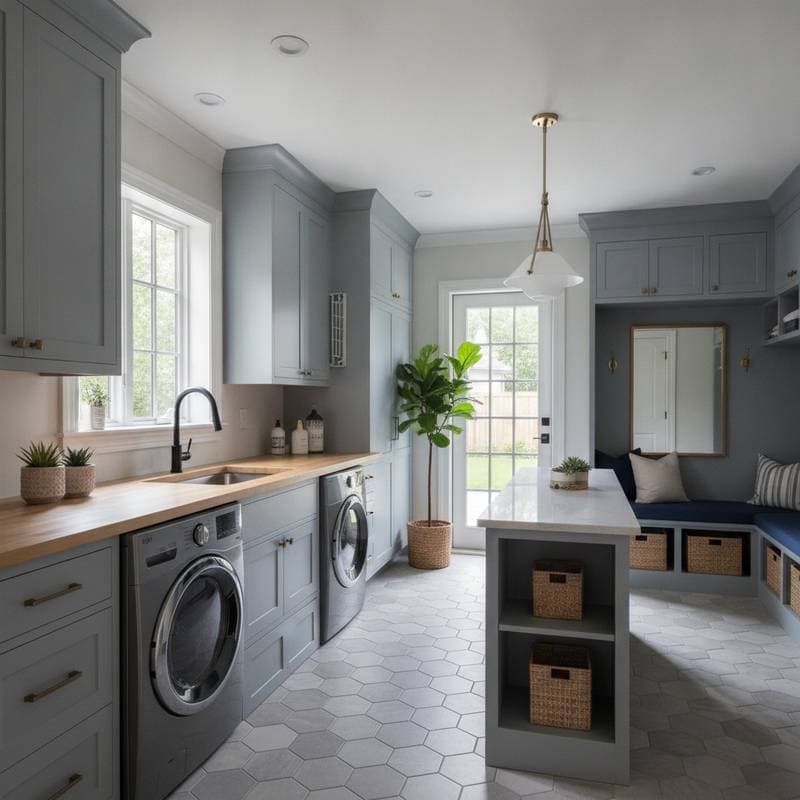
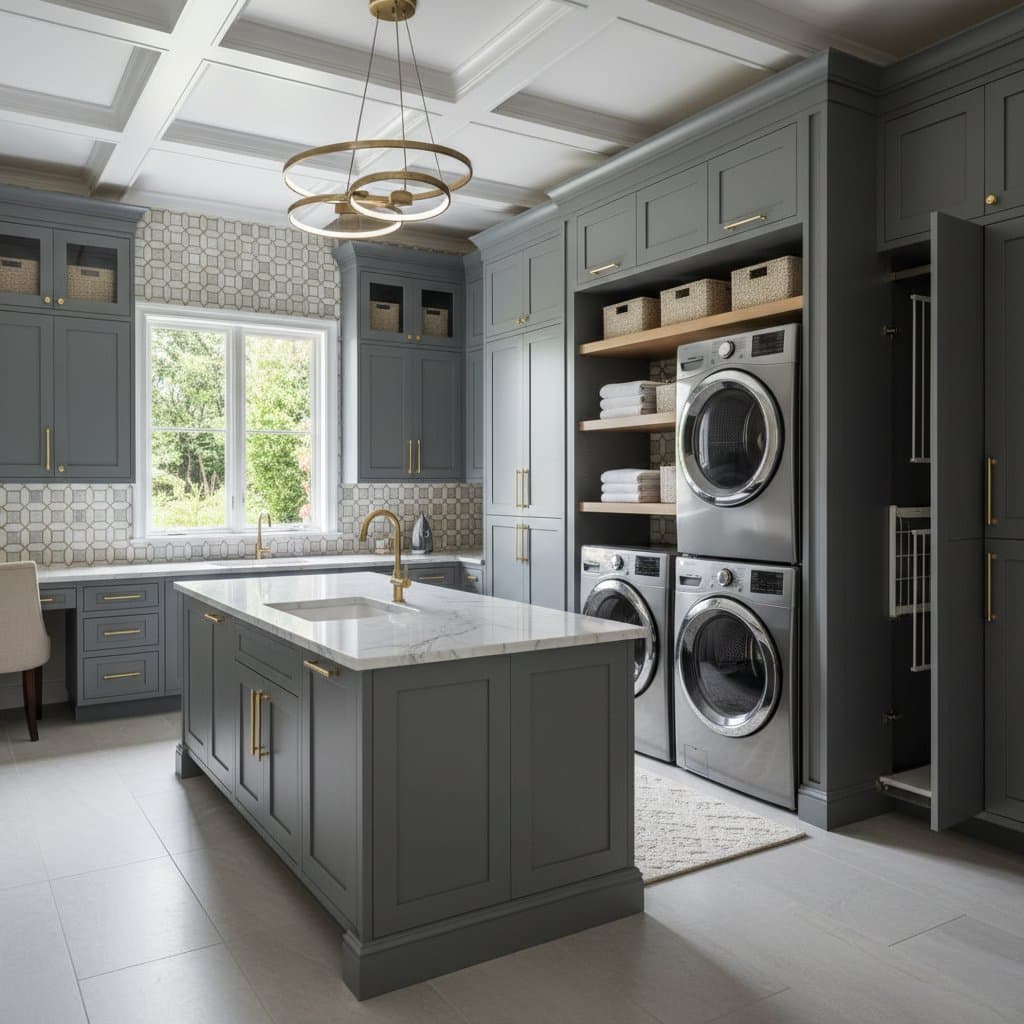
Image suggestion: A sophisticated laundry room showcasing integrated storage solutions, stone countertops, and side-by-side front-loading washers and dryers.
Advantages and Drawbacks
Advantages
- Enhances resale appeal. Prospective buyers perceive it as a desirable functional luxury.
- Optimizes everyday functionality. Improved organization and illumination minimize effort and clutter.
- Expands storage capacity. Tailored cabinetry conceals detergents, linens, and accessories.
- Promotes energy conservation. Modern washers and dryers consume less water and electricity.
- Harmonizes with overall aesthetics. It aligns seamlessly with other upgraded areas of the home.
Drawbacks
- Substantial initial investment. Premium materials and structural modifications accumulate expenses quickly.
- Diminished returns in compact dwellings. Recovery of costs proves challenging in limited square footage.
- Potential regulatory requirements. Alterations to plumbing or electrical systems may necessitate inspections.
- Extended completion timeline. Bespoke installations often span several weeks.
Design Configurations
1. Dedicated Laundry Room
Ideal for spacious residences, this setup accommodates extensive cabinetry, dedicated folding counters, and utility sinks. Position it adjacent to bedrooms for convenience.
2. Laundry Closet
This streamlined option suits apartments or modest homes. Incorporate stacked appliances and retractable shelving to maximize efficiency.
3. Mudroom Integration
Combine laundry functions with entryway storage, perfect for households managing outdoor equipment or pet needs.
4. Basement Laundry Suite
Transform underutilized basement areas into practical zones. While costs remain moderate, compensate for scarce natural light with strategic illumination.
5. Garage Adaptation
Employ this approach when indoor space constraints arise. Address insulation needs and plumbing rerouting to ensure habitability.
All configurations benefit from superior finishes, targeted task lighting, and low-noise appliances to elevate the user experience.
DIY Approach Versus Professional Services
Project complexity: Moderate to advanced
Estimated duration: One to three weeks, based on project scale
Essential tools: Power drill, circular saw, spirit level, plumbing wrenches, and electrical multimeter
Potential hazards: Risks include water leakage, faulty wiring, or uneven cabinet installation
Homeowners manage tasks like surface painting, basic shelving, or appliance swaps independently. Engage certified professionals for plumbing, electrical modifications, and custom cabinetry fabrication. Improper connections or inadequate venting lead to equipment failure or code infractions.
Essential Installation Steps
- Design the layout. Precisely measure the area and identify positions for water supply, dryer venting, and electrical outlets.
- Establish a budget. Account for appliances, surface materials, and professional labor fees.
- Choose resilient materials. Select flooring resistant to moisture and countertops built for longevity.
- Secure professional bids. Consult plumbers, electricians, and carpenters for detailed estimates.
- Mount cabinets and counters. Ensure proper leveling and fastening prior to appliance placement.
- Position appliances. Confirm compliance with drainage, venting, and electrical codes for washers and dryers.
- Incorporate lighting. Install high-lumen, energy-saving fixtures focused on work zones.
- Complete wall and trim work. Apply paint or tile finishes that facilitate straightforward maintenance.
- Conduct final testing. Verify operational integrity across all components before resuming use.
Image suggestion: Sequential photographs depicting the remodel process, from initial framing through cabinet installation to the completed ensemble.
Upkeep and Durability
- Weekly maintenance: Clean counters thoroughly, empty lint filters, and inspect hoses for wear.
- Monthly routines: Vacuum areas behind appliances and execute manufacturer-recommended washer self-clean cycles.
- Annual checks: Examine dryer vent ducts for blockages and reseal grout lines or stone surfaces as needed.
- Expected longevity: Well-crafted cabinetry endures 15 to 25 years; appliances typically last 10 to 15 years.
Appliance warranties generally span one to five years. Bespoke cabinetry and stone elements often carry restricted material guarantees.
Alternative Strategies
- Basic refresh: Update appliances and refresh wall colors for $2,000 to $5,000, yielding modest aesthetic gains at reduced expense.
- Relocation to expanded utility area: Shift laundry operations to a more generous space, enhancing accessibility despite plumbing adjustments.
- Stackable appliance integration: Adapt to tight quarters in small homes, though it restricts counter space for sorting and folding.
- Multifunction closet design: Merge laundry with household supply storage for simplicity, albeit with a more utilitarian finish.
These options vary in their impact on convenience and marketability. The full luxury transformation offers the most enduring value proposition.
Regional Considerations
Environmental Influences
In humid climates, prioritize robust ventilation and mold-resistant materials. Arid zones emphasize water-saving technologies.
Labor Market Variations
Urban centers incur elevated construction fees due to demand. Rural locations provide labor savings, though specialized designers may prove scarce.
Regulatory Compliance
Certain municipalities mandate permits for plumbing relocations or high-voltage installations. Verify jurisdiction-specific guidelines prior to commencement.
Sourcing Materials
Coastal environments necessitate rust-proof fixtures. Colder climates require added wall insulation to safeguard against frozen pipes.
Return on Investment and Market Positioning
A meticulously executed luxury laundry room contributes roughly six percent to overall home valuation. This uplift hinges on thoughtful design, superior materials, and ergonomic flow. Buyers appreciate organized storage, subdued noise levels, and intuitive layouts. For properties entering the market, such a feature enhances visual appeal in listings and differentiates amid competition.
Essential Safety Protocols
- Disconnect water and electricity supplies before handling appliances.
- Install ground-fault circuit interrupter outlets adjacent to water sources.
- Direct dryer exhaust vents to the exterior, avoiding enclosure within walls or attics.
- Assess structural integrity of walls prior to mounting heavy cabinets or counters.
- For gas-powered dryers, confirm secure fuel lines and accessible shutoff mechanisms.
Neglect of these measures invites hazards like flooding, electrical fires, or regulatory penalties. Professional oversight ensures adherence to safety standards.
Frequently Asked Questions
What minimum dimensions support a luxury laundry room?
A space measuring at least six by eight feet accommodates side-by-side appliances alongside counter surfaces. Greater dimensions enable expanded storage and preparation areas.
Does remodeling require permits?
Permits apply to plumbing shifts, new electrical circuits, or gas installations. Surface-level cosmetic changes typically bypass this process.
Which flooring options perform best?
Luxury vinyl plank, porcelain tiles, or sealed concrete withstand moisture effectively. Reserve wood applications for treated, impermeable variants.
Is adding a sink feasible post-installation?
It proves possible, yet demands plumbing extensions. Anticipate drain and venting provisions during initial cabinet setup to prevent disruptions.
What palette enhances luxury appeal?
Opt for serene neutrals such as white, gray, or pale blue to evoke cleanliness. Introduce texture through wooden elements or metallic accents like brass.
Implementing Your Vision
A luxury laundry room merges aesthetic sophistication with practical utility. It streamlines routine tasks while bolstering property equity. Initiate the project with a defined budget and spatial blueprint. Select enduring materials that complement adjacent interiors. Retain qualified specialists for critical infrastructure tasks. The resulting space yields sustained comfort and financial returns. Obtain estimates from at least three regional contractors and review permitting obligations upfront.