EV Chargers Increase Home Sales by 15 Percent in 2025
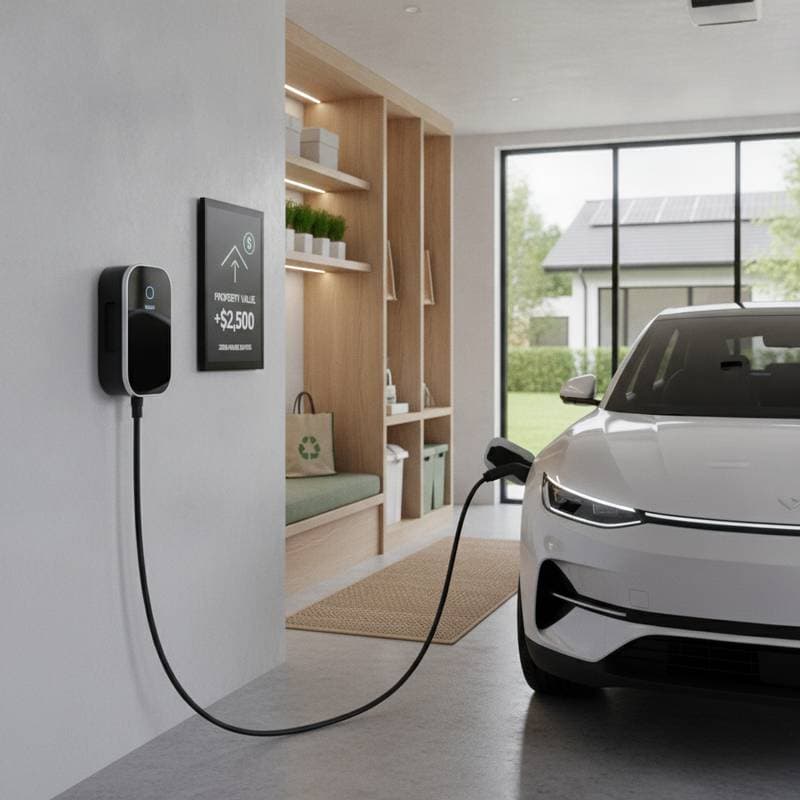
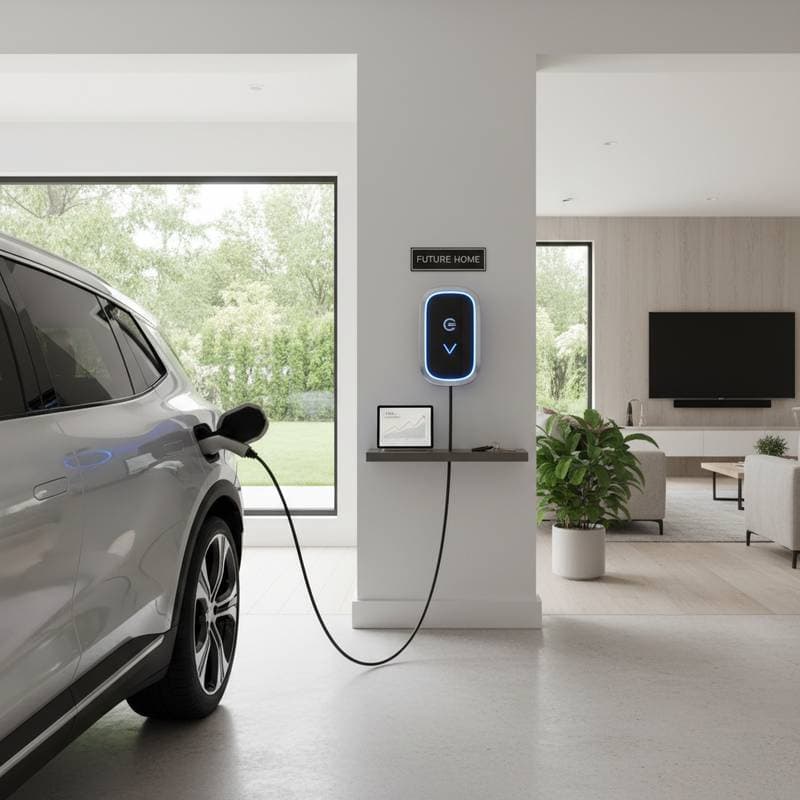
Homeowners nationwide install electric vehicle chargers to elevate property values. Real estate professionals observe that residences featuring integrated EV chargers sell approximately 15 percent faster and secure elevated sale prices. As electric vehicle adoption expands, prospective buyers regard these chargers as indispensable amenities rather than optional extras.
Property owners preparing to sell, lease, or enhance their dwellings benefit from EV charger installation. This upgrade proves most effective in single-family houses equipped with private parking spaces, garages, or driveways. Condominiums and townhouses gain value as well, although implementation often necessitates homeowners association consent or communal infrastructure adjustments.
Advantages and Disadvantages
Advantages
- Elevates resale value by roughly 15 percent across numerous markets
- Enhances charging convenience for routine use and journey preparation
- Draws environmentally aware purchasers and tenants
- Lowers operational expenses relative to gasoline-powered automobiles
- Advances environmental objectives and secures the residence against obsolescence
Disadvantages
- Initial expenditure may surpass $2,000 when including modifications
- Demands appropriate electrical wiring and circuit breaker capacity
- Potentially requires municipal permits or examinations based on jurisdiction
- Offers restricted advantages in regions with minimal electric vehicle prevalence
- Exterior models necessitate weather-resistant enclosures or protective shields
Self-Installation Versus Professional Service
Level 1 chargers require minimal effort: connect to an available standard outlet to commence charging. Level 2 or direct current fast chargers demand a specialized 240-volt circuit, along with possible electrical panel enhancements in certain cases.
Self-installation complexity: Moderate to elevated
Duration: Professionals complete the task in 2 to 6 hours; self-installers require additional time
Required equipment: Wire strippers, conduit benders, voltage testers, drills, and safety apparel
Potential hazards: Electrical shock, regulatory noncompliance, or fire risks arise from improper execution
Engage a professional for these scenarios:
- Situations involving new wiring installation or breaker addition
- Instances where the outlet location distances significantly from the electrical panel
- Jurisdictions mandating official inspections
- Preferences for warranty coverage or documentation supporting resale
Certified electricians manage both setup and authorization processes. Labor fees generally span $400 to $800, varying by cable length and project intricacy.
Upkeep and Durability
Residential EV chargers endure 10 to 15 years under diligent maintenance. Manufacturers provide warranties spanning 3 to 5 years. Upkeep remains straightforward and economical.
Periodic inspections:
- Clean vents and connector tips of dust and residue on a monthly basis
- Examine cables for signs of deterioration or fractures
- Secure mounting hardware annually
- Verify ground fault circuit interrupter functionality if present
- Apply firmware updates via the companion application when offered
Exterior installations benefit from weatherproof certifications like NEMA 3R or NEMA 4. Promptly replace damaged enclosures or gaskets to avert water ingress.
Regional Considerations
Geographic variations affect expenses, approvals, and financial aids.
- Coastal areas demand corrosion-proof casings and durable metal components.
- Frigid environments reduce charging speeds; insulated garages mitigate this issue.
- Urban centers with elevated living costs feature electrician fees exceeding national norms.
- Elevated terrains frequently involve extended piping or excavation work.
- Municipal regulations might stipulate ground fault circuit interrupter safeguards or isolated power switches.
- Public utility programs reimburse $200 to $500 toward device purchases.
- Authorization fees range from $50 to $200 according to local governance.
Certain districts insist on load assessments from qualified installers prior to endorsement. Consult the local construction authority to confirm stipulations before acquiring hardware.
Safety Measures
EV chargers handle substantial electrical loads. Safety commences with compliant wiring and safeguards.
Essential safeguards:
- Employ isolated circuits. Refrain from joint usage with household devices.
- Incorporate ground fault circuit interrupter mechanisms. National codes mandate these for external applications.
- Select appropriate wire thickness. Match gauge to circuit capacity.
- Eliminate extension cables. Continuous operation causes overheating.
- Adhere to producer guidelines. Unique schematics accompany each model.
- Deactivate power sources prior to any electrical modifications.
- Retain certified electricians for elevated-voltage tasks.
Cease charger operation upon detecting frequent breaker trips, excessive warmth, or odd odors; arrange professional evaluation immediately. Regular verifications forestall malfunctions or ignition risks.
Frequently Asked Questions
What expenses accompany home EV charger installation?
Homeowners allocate $1,200 to $1,800 for a Level 2 charger including expert setup. Expenditures increase with electrical panel overhauls or extended cabling.
Does EV charger installation require authorization?
Numerous municipalities mandate permits for fresh 240-volt lines. Reach out to the community construction office. Electricians frequently process the documentation.
Is outdoor EV charger placement feasible?
Affirmative, provided the device holds outdoor suitability ratings. Seek NEMA 3R or superior classifications. Position under shelter where practicable and shield cables from harm.
Does an EV charger enhance residence valuation?
Indeed. Statistics indicate properties with embedded chargers achieve 15 percent higher sale figures on average. Purchasers prioritize accessibility and electric vehicle compatibility.
Can solar arrays energize an EV charger?
Certainly. Integrating solar systems with chargers offsets or nullifies energy bills. Intelligent inverters or power distribution tools ensure equilibrium.
Steps to Install and Benefit
EV charger addition ranks among the most accessible modifications for amplifying property worth and captivating forward-thinking buyers. Accelerating electric vehicle transition signals rising demand. A properly executed Level 2 charger incurs costs below major household fixtures while yielding tangible return on investment.
Assess electrical panel capabilities first, then solicit estimates from at least two certified electricians. Evaluate charger manufacturers based on capabilities such as wireless connectivity for oversight or power allocation features. Retain authorization and verification documents for prospective buyers. For long-term occupancy, daily usability warrants the expenditure independent of sale gains.
Domestic charging evolves into a standard expectation rather than an extravagance. Implement one presently to align the property with emerging driver preferences. Evaluate electrical configurations, select a dependable specialist, and equip the home for sustainable mobility ahead.