Luxury Laundry Rooms: Achieving an 11% Return on Investment in 2025
Upgrading a laundry room to luxury standards typically yields about 11% added value to a home. This transformation turns a utilitarian area into a seamless extension of the household, improving both everyday usability and market attractiveness. Modern designs emphasize efficiency, durability, and aesthetic integration, appealing to buyers who prioritize thoughtful home features.
Key Cost Considerations
Materials and Finishes
High-quality cabinetry and countertops often account for roughly half of the total project budget. Basic stock cabinets begin at $1,200, whereas custom built-ins equipped with soft-close drawers and doors can exceed $6,000. For countertops, quartz options average $70 per square foot installed, offering superior durability against moisture and stains, while more affordable laminate surfaces cost less than $30 per square foot.
Appliances
A standard front-loading washer and dryer set starts at approximately $2,000. For advanced features, consider smart models with app controls, stacked configurations for space savings, or high-capacity units that handle larger loads, priced up to $4,500. Selecting Energy Star-rated appliances not only qualifies for potential rebates but also lowers long-term energy bills by up to 20%.
Plumbing and Electrical Updates
Relocating water hookups or installing a utility sink requires budgeting between $1,000 and $3,000, depending on the complexity and distance from existing lines. Adding dedicated electrical circuits or modern lighting fixtures adds another $800 to $1,500. Always factor in local permit costs, as most areas mandate approvals for any service relocations to ensure code compliance.
Flooring and Wall Treatments
Durable options like luxury vinyl plank or ceramic tile range from $3 to $9 per square foot, including installation. These materials resist water damage and wear from frequent use. Wall painting and trim installation typically costs $400 to $800, with additional preparation for moisture-prone areas. Opt for slip-resistant flooring to minimize accident risks in wet environments.
Storage and Accessory Enhancements
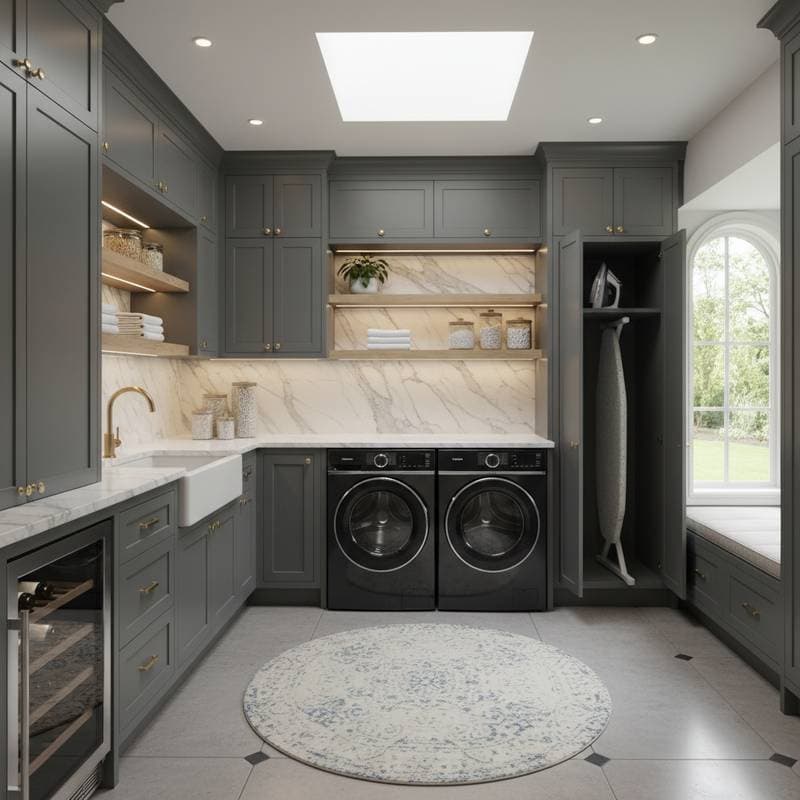
Functional additions such as adjustable hanging rods, pull-out hampers, and fold-down drying racks each cost $200 to $600. An integrated ironing station with built-in board and lighting runs about $400. These elements streamline organization, making the space more appealing to prospective buyers who value practicality.
DIY Options Versus Professional Services
Tasks Suitable for DIY
Homeowners can handle straightforward projects like painting walls and installing trim, adding shelves or hanging rods, updating cabinet hardware, and mounting lighting fixtures on existing wiring. These steps allow for personalization without specialized tools.
When to Engage Professionals
Delegate complex work such as rerouting plumbing or electrical lines, installing ventilation systems or recessed lights, laying extensive tile or heated flooring, and fabricating built-in cabinetry or stone countertops. Professionals ensure precision and adherence to safety standards.
Potential hazards include undetected leaks leading to structural damage, inadequate drainage causing backups, or faulty wiring that risks electrical fires and invalidates insurance coverage. Engage licensed plumbers and electricians for all water and power modifications. Prioritize shutting off utilities before starting any project.
Ongoing Maintenance and Warranty Guidance
Regular appliance care involves cleaning lint filters and inspecting hoses every six months, with full hose replacements recommended every five years to avert bursts. For cabinetry, promptly wipe away spills to preserve surface integrity against humidity. Place protective mats around washers and dryers to shield floors from vibrations and spills.
Annually clear dryer vents of lint buildup to mitigate fire risks and maintain efficiency. Most major appliances come with one- to three-year warranties; consider extended plans for premium models, which often cover repairs beyond the standard period. Prioritize robust ventilation as a foundational upgrade; it combats mold growth and prolongs equipment lifespan by improving air circulation.
Implementing Your Upgrade
- Establish a practical budget based on your space's dimensions and current utility placements.
- Map out an efficient workflow that sequences sorting, washing, drying, folding, and storage without unnecessary steps.
- Select moisture-resistant materials like sealed countertops and waterproof flooring to avoid costly future interventions.
- Incorporate layered lighting with general overhead illumination complemented by focused under-cabinet task lights for better visibility.
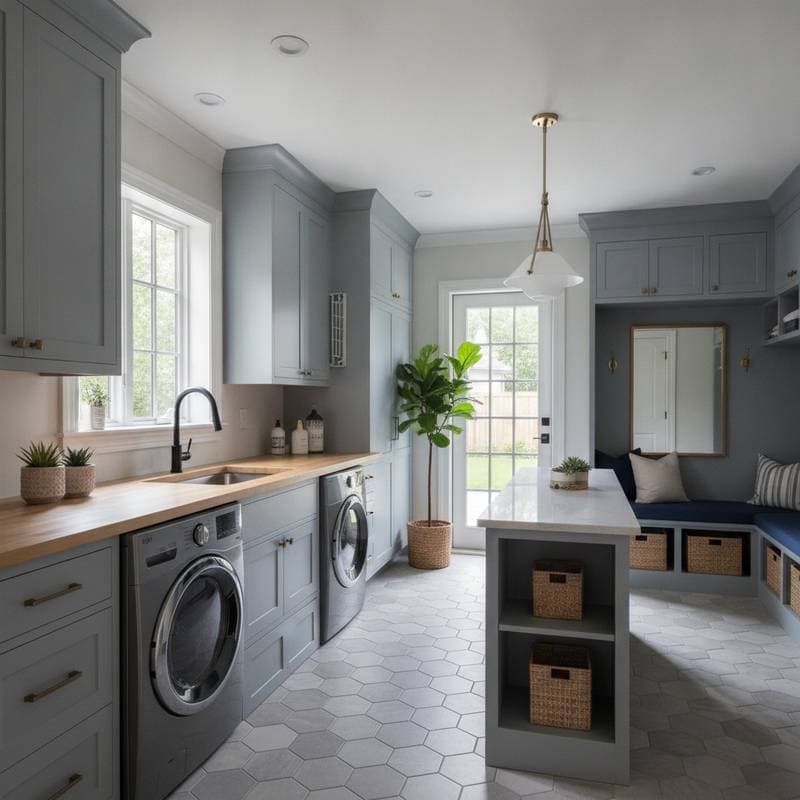
- Introduce elements of comfort, such as a built-in bench, natural light from a window, or subtle artwork, to make routine tasks more enjoyable.
Watch for warning signs like the absence of a floor drain or nearby water shutoff valve, improper venting directed into attics or crawl spaces, or appliances positioned on unstable flooring. Addressing these early prevents issues like water damage, excessive noise, or inefficient operation down the line.
Practical Steps Forward
Begin by measuring your existing laundry area and identifying the primary pain points, such as poor lighting or limited storage. Research material prices independently to evaluate contractor proposals fairly, requesting detailed breakdowns that distinguish labor from supplies.
For those focused on resale, align finishes with your home's overall style and steer clear of highly personalized choices. The most effective luxury laundry rooms blend seamlessly into the property, promoting a sense of order and ease. Through careful design and fiscal prudence, this upgrade not only recoups about 11% of its cost in added home value but also simplifies household routines for years to come.