The Value of Mudrooms in 2025 Home Improvements
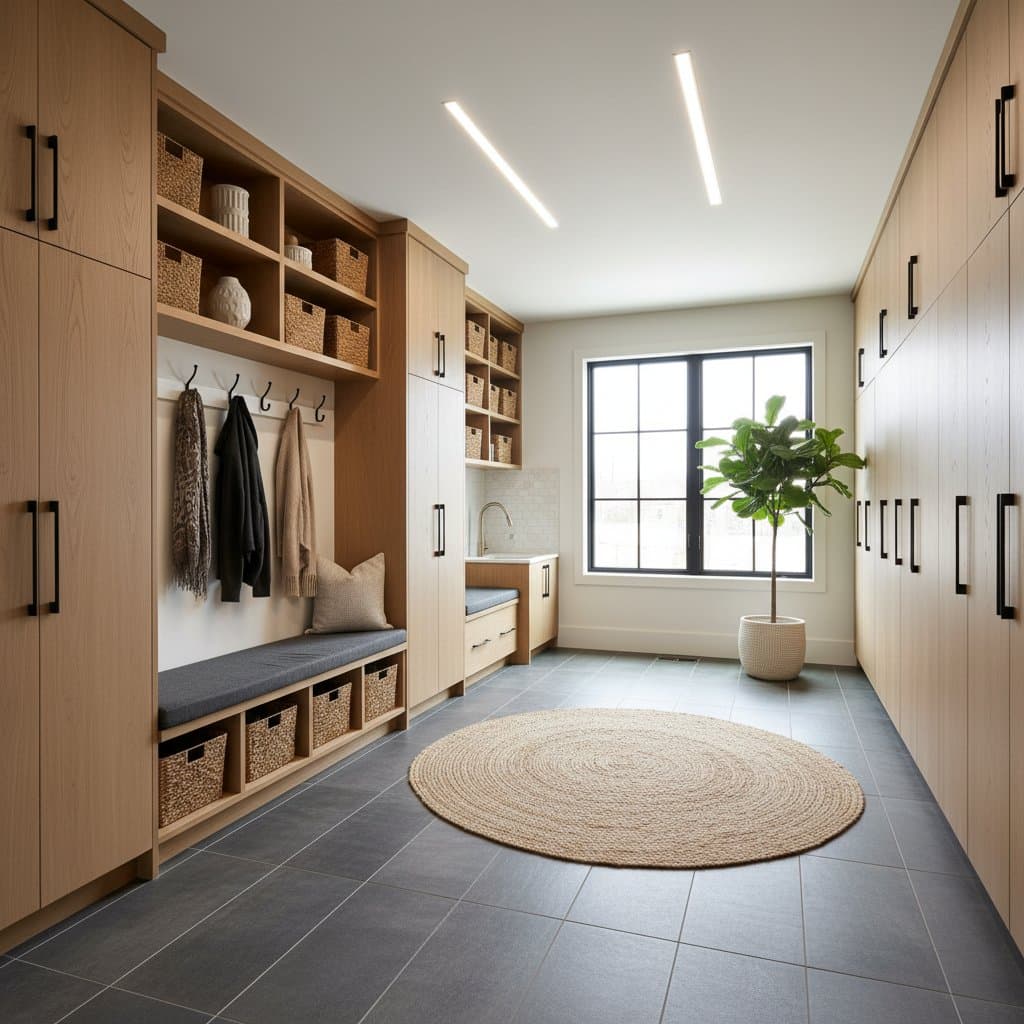
Mudrooms serve as essential transition spaces that protect main living areas from dirt, moisture, and clutter. These functional additions not only simplify everyday entry but also appeal to buyers who prioritize practicality and low-maintenance features. In 2025, real estate trends emphasize organized, durable entryways, making mudrooms a strategic investment that boosts resale value by approximately 6 percent.
Homeowners benefit from reduced cleaning time and a more welcoming atmosphere. Professional appraisals highlight how such spaces contribute to overall property appeal, especially in family-oriented markets. Planning a mudroom requires attention to layout, materials, and integration with existing architecture to maximize both utility and financial returns.
Key Benefits and Project Overview
A well-executed mudroom addition or remodel delivers immediate functionality while enhancing marketability. Expect an average value increase of 6 percent, based on comparable sales data from organized entryway upgrades. Projects range from simple storage enhancements to full-room constructions, each tailored to the home's layout and user needs.
Typical timelines span 2 to 6 weeks, influenced by scope and material availability. Costs vary from $1,000 for basic refreshes to $15,000 or more for comprehensive builds. Focus on durable elements like waterproof flooring and customizable storage to ensure long-term satisfaction and buyer interest.
Detailed Cost Breakdown
Understanding expenses helps budget effectively for a mudroom project. The following table outlines common tasks, associated costs, and factors that influence pricing.
| Task | Typical Cost | Influencing Factors |
|---|---|---|
| Basic remodel (painting, hooks, bench) | $1,000 - $3,000 | Labor savings through DIY, material reuse |
| Mid-range upgrade (built-in shelving, tile flooring) | $4,000 - $8,000 | Customization level, additional lighting fixtures |
| Full mudroom addition | $9,000 - $15,000+ | Integration of plumbing, HVAC systems, required permits |
| Specialized features (heated floors, drainage systems) | $1,000 - $2,500 | Regional climate demands, electrical modifications |
Regional differences play a significant role; urban or high-cost areas often see 20 to 30 percent higher material and labor fees. Consult local suppliers early to lock in accurate estimates and avoid surprises.
Choosing Between DIY and Professional Installation
Homeowners with basic skills can handle straightforward mudroom updates independently. Consider DIY for tasks such as installing wall-mounted hooks, assembling pre-fabricated benches, or applying fresh paint. These approaches keep costs low and allow personalization without extensive disruption.
Professional involvement becomes essential for complex modifications. Engage licensed contractors for structural changes, including wall additions, insulation installation, or HVAC connections. Experts ensure compliance with building codes, proper ventilation, and seamless integration that preserves home warranties.
DIY Suitability Checklist:
- Repainting walls or adding simple hardware.
- Assembling off-the-shelf storage units.
- Projects without electrical or plumbing alterations.
When to Hire Professionals:
- Constructing new walls or installing doors and windows.
- Incorporating built-in cabinetry or durable tile surfaces.
- Addressing moisture control through custom drainage.
Professionals mitigate risks like uneven flooring or inadequate sealing, which could lead to future repairs.
Adapting to Regional and Climate Considerations
Mudroom designs must account for local environmental challenges to perform reliably. In colder climates, incorporate heated flooring or boot warmers to combat ice and snow accumulation. Opt for sealed tile or resilient vinyl surfaces that withstand road salt and tracked-in grit without deteriorating.
Humid or coastal regions demand mildew-resistant paints and ventilated cabinetry to prevent moisture buildup. Select materials like treated wood or composite shelving that resist warping in high-humidity conditions. For wildfire-prone areas, use fire-rated exteriors and non-combustible finishes to meet stringent codes.
Flood zones require elevated storage and water-resistant bases. Always verify local regulations; additions involving structural shifts often necessitate permits from the building department. Early consultation prevents delays and ensures the space enhances rather than complicates property insurance.
Essential Safety and Code Compliance Measures
Safety remains paramount during mudroom projects, particularly with elements like electrical outlets and adhesives. Disconnect power sources prior to any wiring tasks to avoid hazards. Install ground-fault circuit interrupter (GFCI) outlets in areas prone to moisture exposure.
Protect yourself with gloves, masks, and eye gear when handling dust-producing activities such as sanding or cutting materials. Secure all wall-mounted units to studs for stability, and maintain proper ventilation during painting or sealing processes. These steps not only safeguard health but also align with standard building codes.
For expansions involving HVAC or load-bearing elements, involve certified professionals immediately. Unpermitted alterations may void insurance coverage or complicate future sales. Document all work to demonstrate compliance during appraisals or inspections.
Avoiding Pitfalls in Mudroom Design and Installation
Many projects falter due to overlooked details that compromise functionality. Inadequate ventilation fosters mold growth and persistent odors, diminishing the space's appeal. Select flooring wisely; avoid natural wood in high-traffic zones, as it warps and stains easily from wet footwear.
Overloading the area with storage reduces maneuverability, creating a cluttered feel. Insufficient lighting can make the space seem confined and uninviting. Neglecting permits invites legal issues, potentially halting resale processes or triggering fines.
Mitigate these by sketching detailed plans and measuring spaces meticulously. Test layouts with temporary setups before permanent installations. This proactive approach ensures the mudroom serves its purpose without unintended drawbacks.
Expert Recommendations for Optimal Results
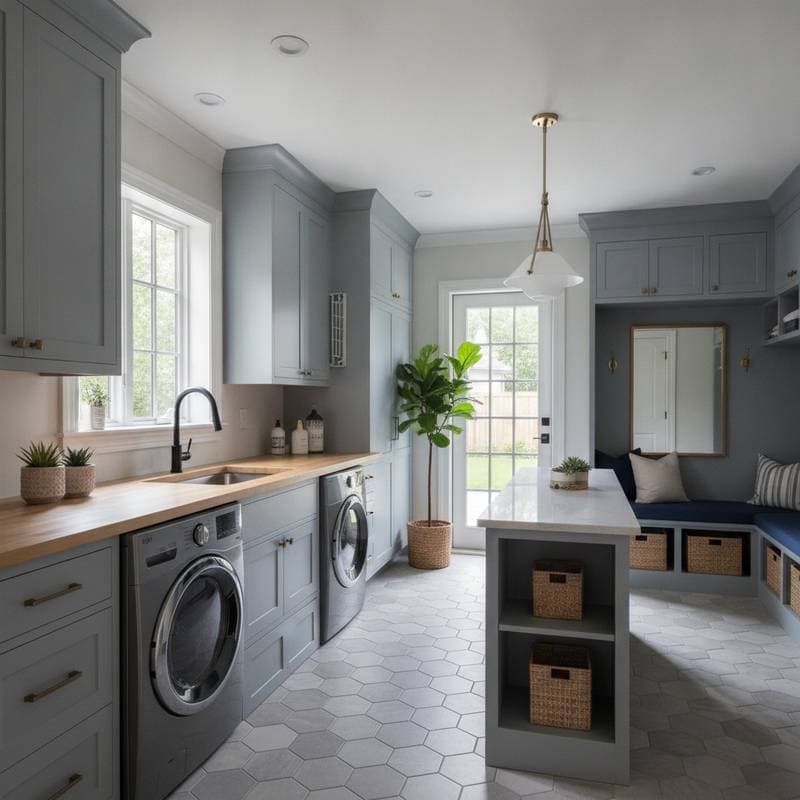
Successful mudrooms balance accessibility with efficiency through thoughtful design choices. Maintain clear pathways of at least 36 inches to facilitate easy movement, even with coats or bags in hand. Blend open shelving for everyday items like keys and gloves with enclosed cabinets for seasonal gear.
Position hooks at heights suitable for all family members, including children, to encourage consistent use. Integrate dimmable LED lighting to adapt to varying times of day, enhancing both usability and ambiance. Protect adjacent floors with felt pads under benches to prevent scratches during repositioning.
For resale-focused projects, adhere to neutral palettes in flooring, walls, and fixtures. This versatility allows buyers to envision their own styles, broadening appeal. Consult color swatches and material samples in natural light to confirm harmonious integration.
Decision Framework for Your Mudroom Project
Tailor your approach based on available space and goals with this practical guide.
| Scenario | Recommended Action | Rationale |
|---|---|---|
| Limited entry area without existing storage | Install wall hooks and a compact bench | Provides quick organization at minimal cost and effort |
| Proximity to garage or utility space | Construct a dedicated partial mudroom | Supports high-volume daily traffic with robust features |
| Incorporating laundry facilities or a utility sink | Engage a licensed professional | Handles necessary plumbing and regulatory approvals |
| Preparing for imminent home sale | Emphasize visual enhancements like lighting and clean lines | Accelerates perceived value and buyer interest |
Evaluate your home's layout and lifestyle needs to select the most fitting option. This targeted strategy maximizes benefits while aligning with budget constraints.
Realizing the Full Potential of Your Mudroom
Implementing a mudroom transforms routine entries into seamless experiences that elevate daily life. The combination of organizational prowess and aesthetic appeal positions this upgrade as a cornerstone of modern home improvement. Homeowners who invest thoughtfully reap ongoing convenience alongside a substantial uplift in property worth.
Beyond immediate utility, these spaces foster a sense of order that resonates with prospective buyers in competitive markets. Prioritize quality materials and precise execution to ensure enduring performance. Your mudroom becomes more than a feature; it evolves into a valuable asset that enhances every home transition.