DIY Approaches Versus Professional Installation
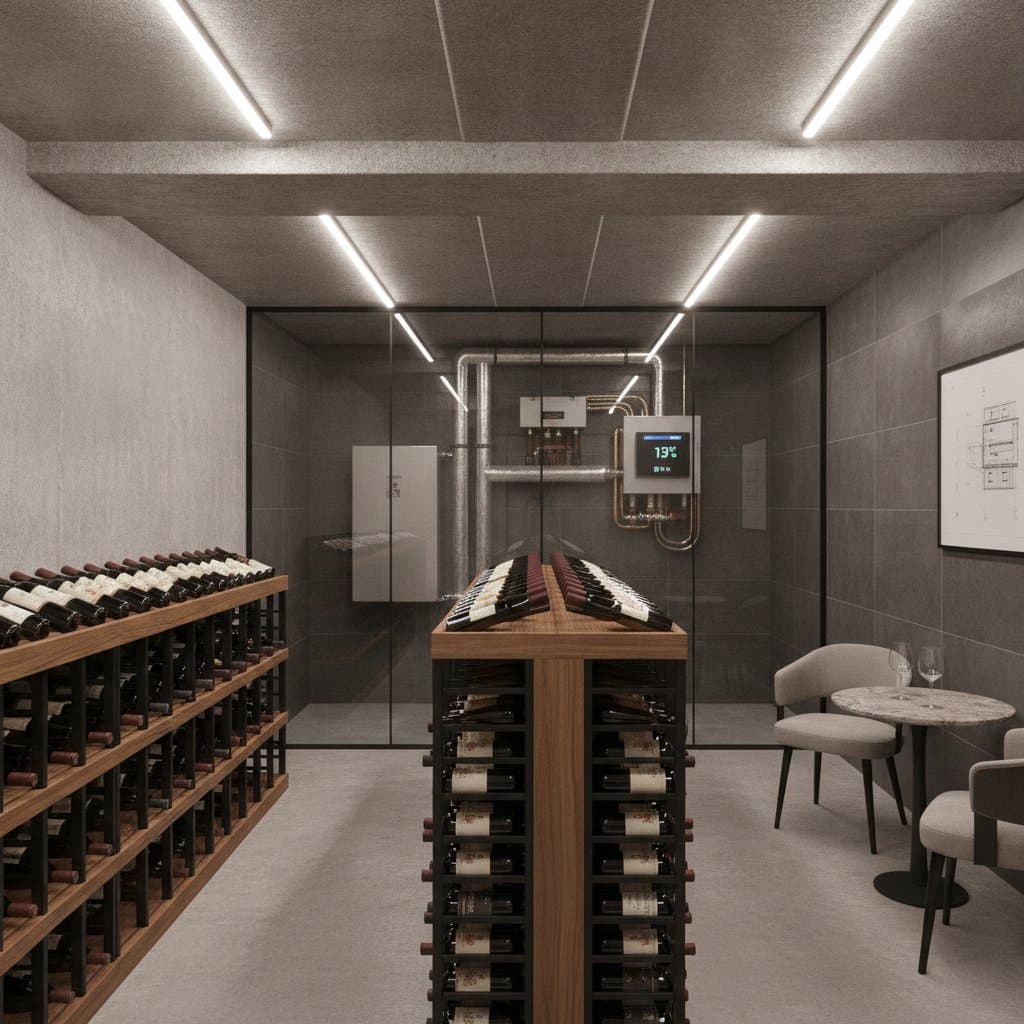
Building a hidden wine cellar presents high difficulty due to the interplay of structural, electrical, and environmental elements. Professional timelines typically span two to six weeks, while DIY efforts often extend longer owing to learning curves and safety precautions.
Essential tools include circular saws for framing, insulation kits for thermal barriers, vapor barrier sheets to combat moisture, dedicated wine cooling units, and electrical supplies for wiring. Risks range from medium to high, encompassing electrical shocks, moisture-induced mold growth, and compromises to load-bearing structures.
DIY suits basic projects, such as retrofitting a small closet with a freestanding cooling unit that plugs into standard outlets. In these cases, focus on simple shelving and basic insulation to achieve functional results without extensive modifications. However, professional involvement becomes essential for projects involving structural alterations, subsurface digging, or sophisticated climate management.
Engage licensed contractors to guarantee compliance with building codes regarding vapor barriers, insulation efficacy, and proper ventilation. Collaborate with HVAC experts for system integration and electricians for safe power distribution. Consider hiring specialists if the project includes:
- Space expansion through excavation or wall removal.
- Advanced humidity regulation surpassing entry-level units.
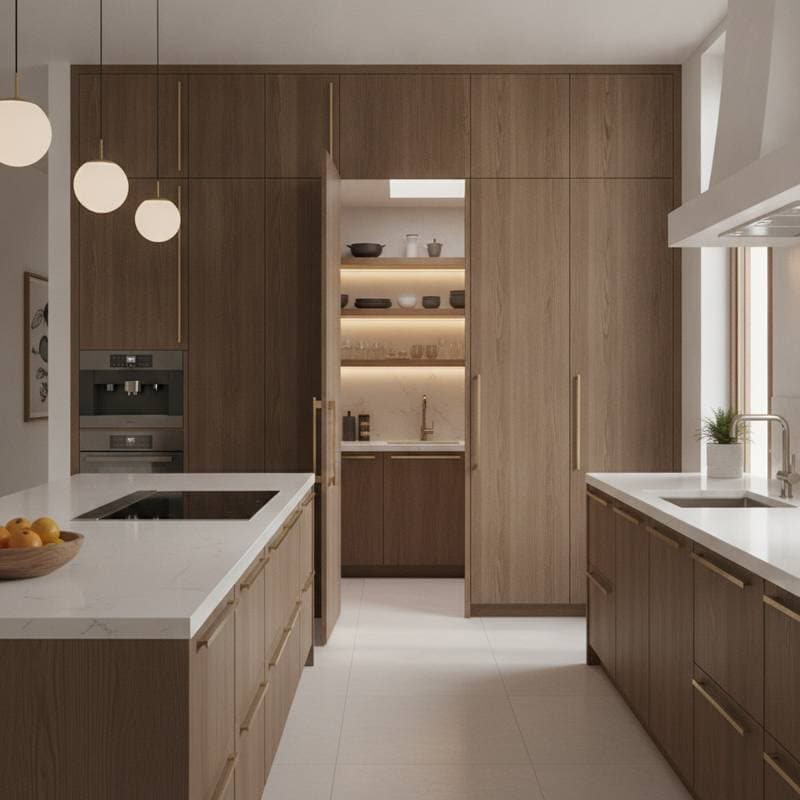
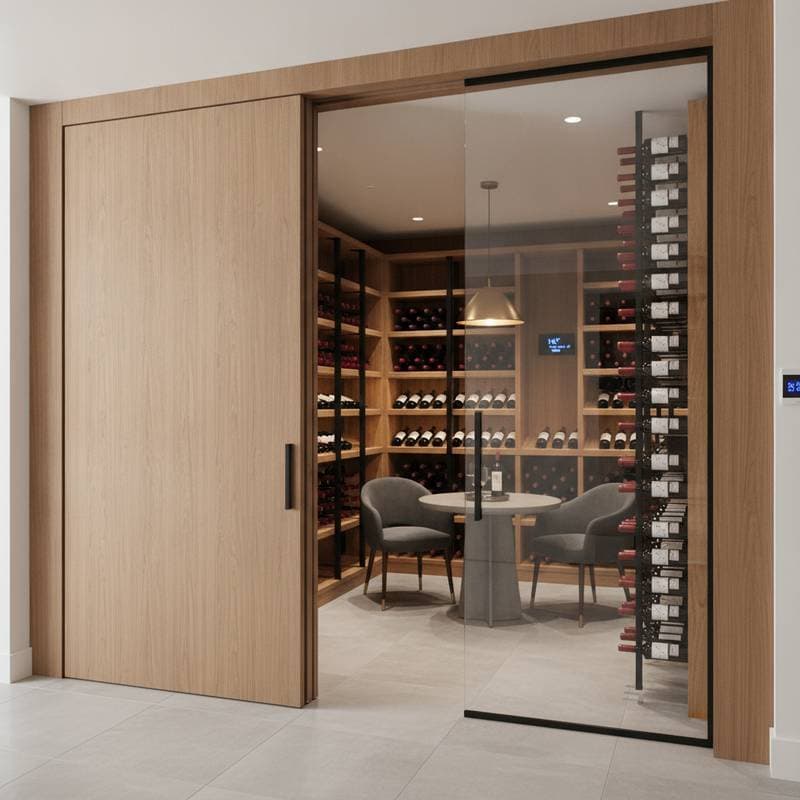
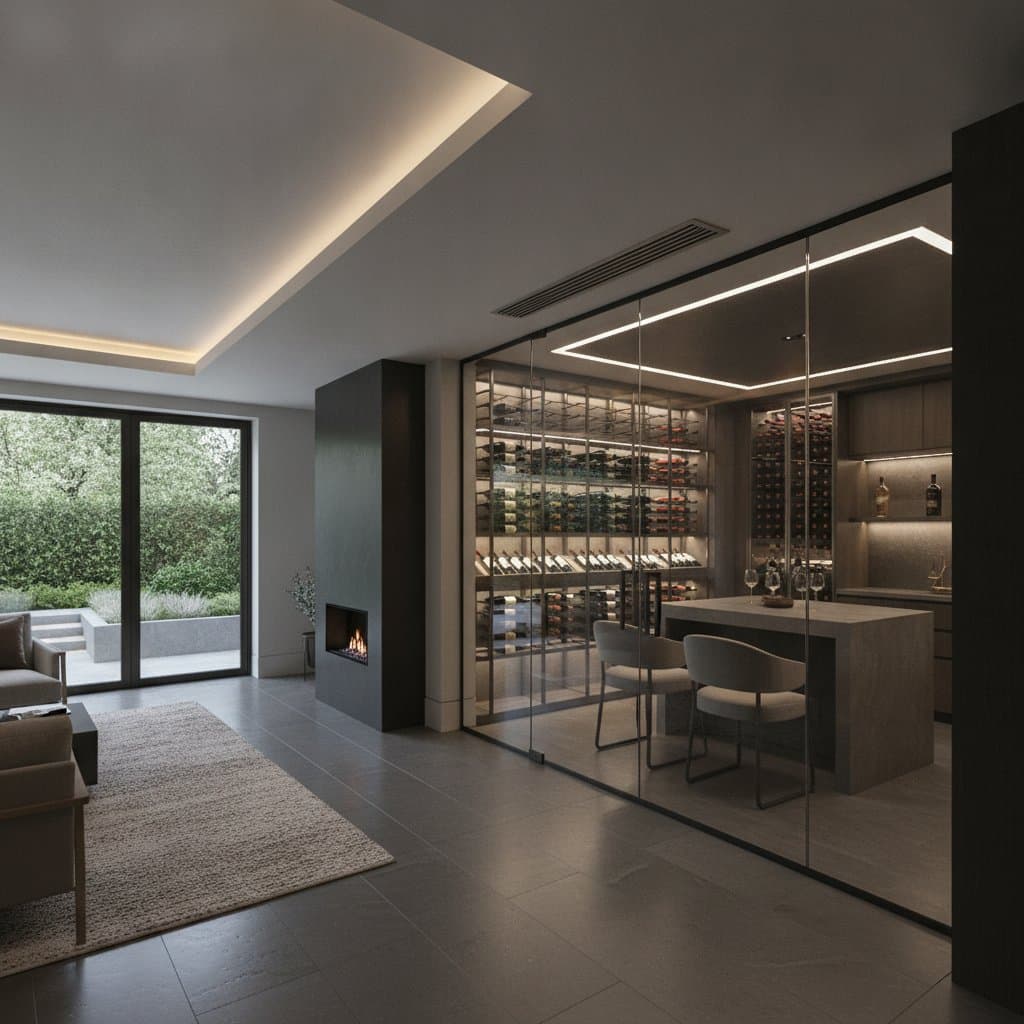
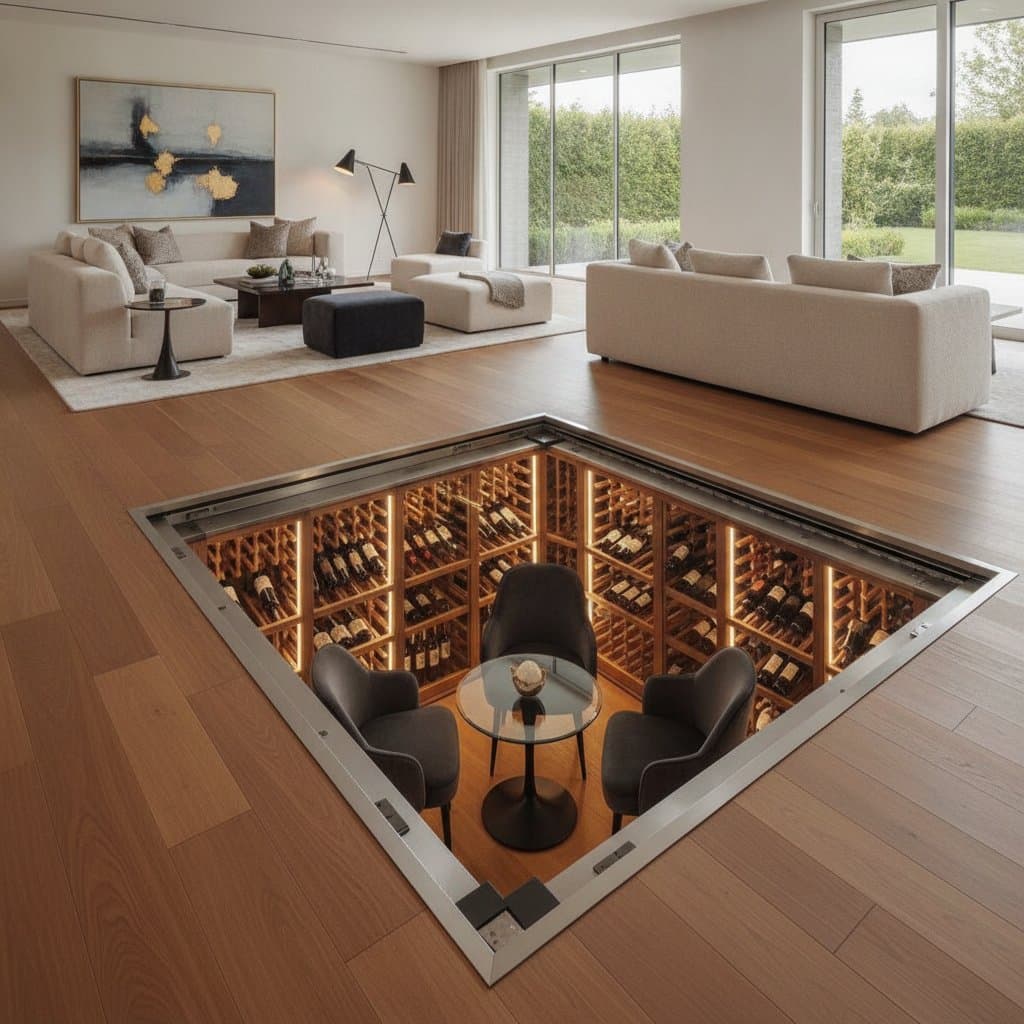
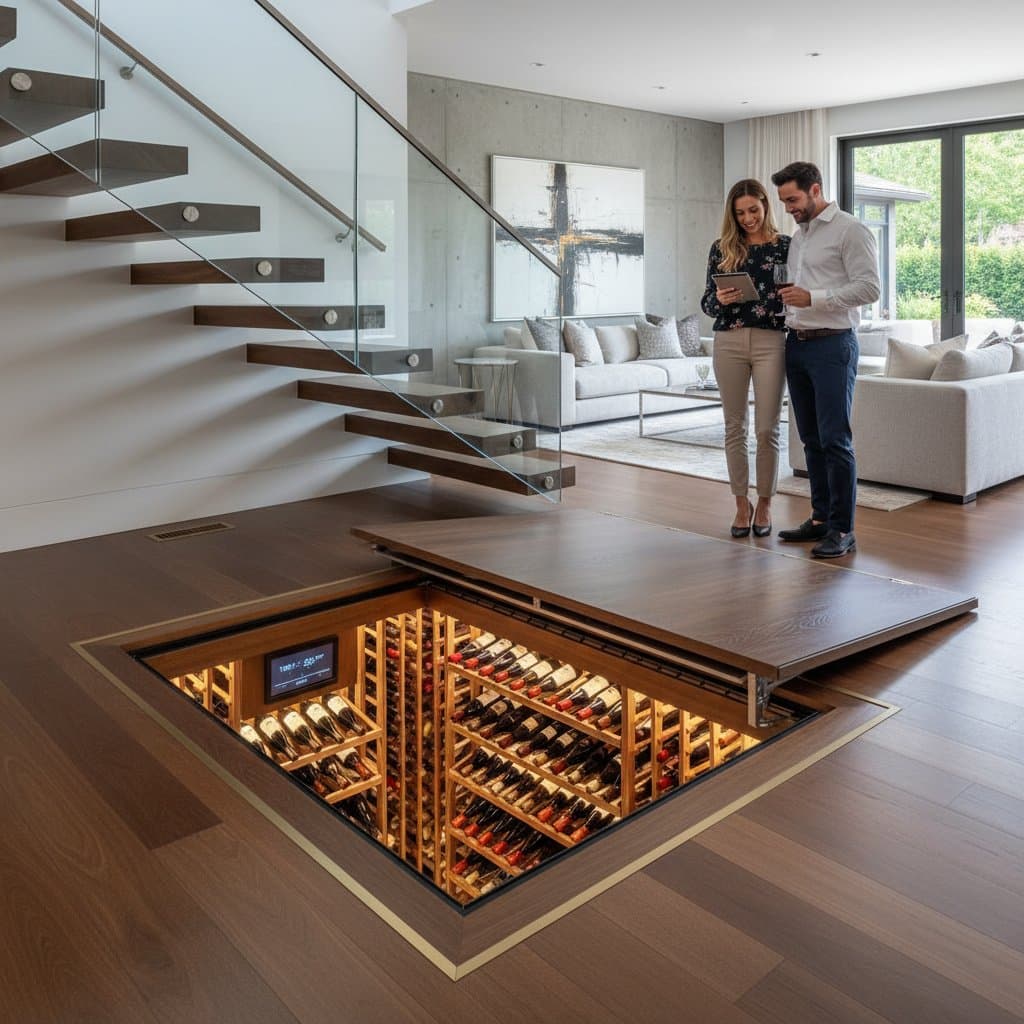
- Seamless integration of concealed access points that blend with cabinetry or millwork.
Professionals also provide insights into material selections, such as corrosion-resistant metals for racks in humid environments, ensuring long-term durability.
Upkeep and Longevity
Proper maintenance extends the lifespan of a hidden wine cellar to several decades, preserving both the structure and its contents. Establish a routine to monitor and service components systematically.
Essential Maintenance Tasks
- Monitor temperature and humidity levels on a weekly basis using digital gauges to detect deviations early.
- Clean and replace filters in cooling units every three months to maintain airflow efficiency.
- Examine door seals and panel joints biannually for wear, applying fresh gaskets as needed to prevent air leaks.
- Arrange annual professional servicing for climate control equipment to calibrate performance and address potential issues.
Cooling systems generally endure eight to fifteen years with diligent care, while durable finishes like sealed wood or natural stone persist indefinitely. Manufacturers commonly extend warranties of three to five years on core components, covering defects in units and structural materials. Retain all records of installations, services, and warranties to bolster resale negotiations and support insurance claims against damages such as flooding or power surges.
To maximize longevity, integrate smart monitoring technology, such as remote sensors that alert owners via mobile apps to environmental fluctuations. This proactive approach minimizes risks and sustains the cellar's value as a premium home asset.
Regional Considerations
Installation costs and design requirements fluctuate based on geographic and environmental factors. Local climate, workforce availability, and regulatory frameworks influence the project's scope and budget.
- Humid Climates: Reinforce defenses with heavy-duty vapor barriers and integrated dehumidifiers to counteract excess moisture that could foster mold.
- Cold Regions: Insulate foundation walls thoroughly and protect plumbing lines from freezing to ensure year-round operability.
- Coastal Environments: Select galvanized or stainless steel for racking and components to resist salt-induced corrosion.
- Urban Settings: Anticipate 10% to 20% higher expenses from elevated labor rates and stringent permitting processes.
Consult local building authorities early to verify standards for electrical spacing, airflow requirements, and fire suppression integration. Certain municipalities mandate mechanical permits for cooling systems exceeding specific wattage thresholds, ensuring installations meet safety benchmarks.
Adapting to these variables not only complies with regulations but also optimizes performance. For example, in arid areas, supplemental humidifiers maintain ideal conditions, preventing cork drying and wine oxidation.
Essential Safety Measures
Hidden wine cellars incorporate electrical, mechanical, and structural systems that demand rigorous safety protocols. Prioritize these elements to protect occupants, property, and investments.
- Electrical Safeguards: Install grounded circuits through certified electricians and distribute loads across multiple breakers to avoid overloads.
- Moisture Management: Apply sealants to all seams and junctions, mitigating risks of mold proliferation or material degradation.
- Structural Integrity: Bolster flooring and staircases to accommodate the weight of fully loaded racks, consulting engineers for assessments in vintage homes.
- Permitting Compliance: Secure building and mechanical approvals prior to commencement, documenting inspections for liability protection.
- Accessible Entries: Design hidden doors with internal release mechanisms, ensuring swift egress and compliance with occupancy codes.
Bypass no aspect of drainage or ventilation setup, as omissions lead to condensation buildup, water damage, or short circuits. Conduct pre-installation audits of existing utilities to identify incompatibilities, such as insufficient amperage, and plan upgrades accordingly.
Planning and Execution Steps
Constructing a hidden wine cellar merges skilled craftsmanship with precise engineering and thoughtful aesthetics. This process yields spaces that captivate visually while recouping nearly the full investment through enhanced property appeal.
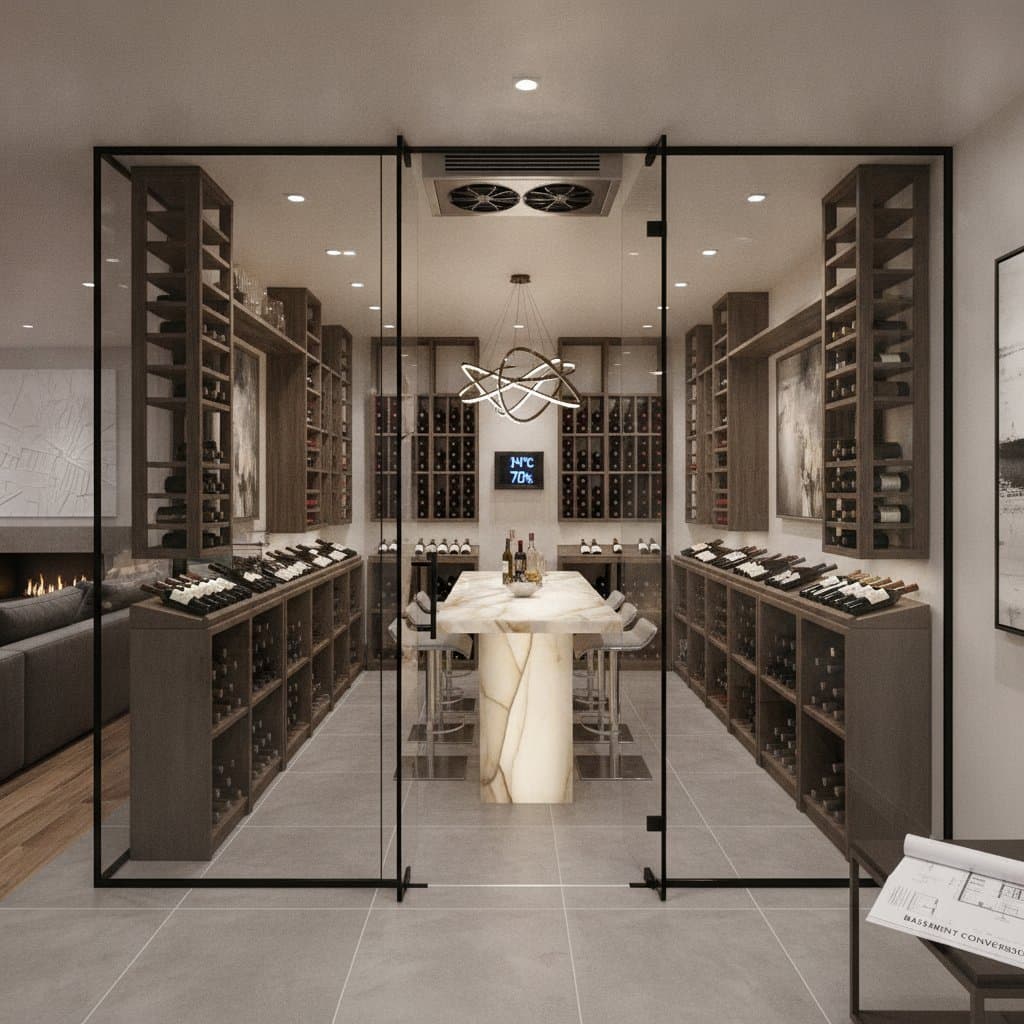
Begin by developing a comprehensive blueprint that assesses available space, desired capacity, and integration with home aesthetics. Evaluate structural capacity, ventilation pathways, and electrical infrastructure to confirm feasibility. Select materials and finishes, such as reclaimed wood panels or frosted glass enclosures, that harmonize with the residence's character.
Budget realistically, allocating funds for contingencies like unforeseen structural reinforcements. Engage three licensed contractors specializing in climate-controlled storage for competitive bids. Request portfolios of completed projects, client testimonials, and details on warranty provisions. Review municipal permitting protocols and timeline projections to align with personal schedules.
Upon selection, oversee milestones from demolition to final testing, ensuring each phase adheres to safety and quality standards. The result transforms overlooked areas into secure, elegant repositories that elevate daily living and future marketability. Homeowners who invest thoughtfully in these features often report not only financial gains but also heightened enjoyment of their collections.