Hidden Wine Cellars: Boosting Home Value by 15% in 2025
Hidden wine cellars represent a sophisticated home upgrade that combines luxury with functionality. These concealed spaces not only store prized collections but also enhance property appeal in competitive real estate markets. In 2025, experts predict they will add up to 15% to home values, drawing interest from discerning buyers who seek unique features.
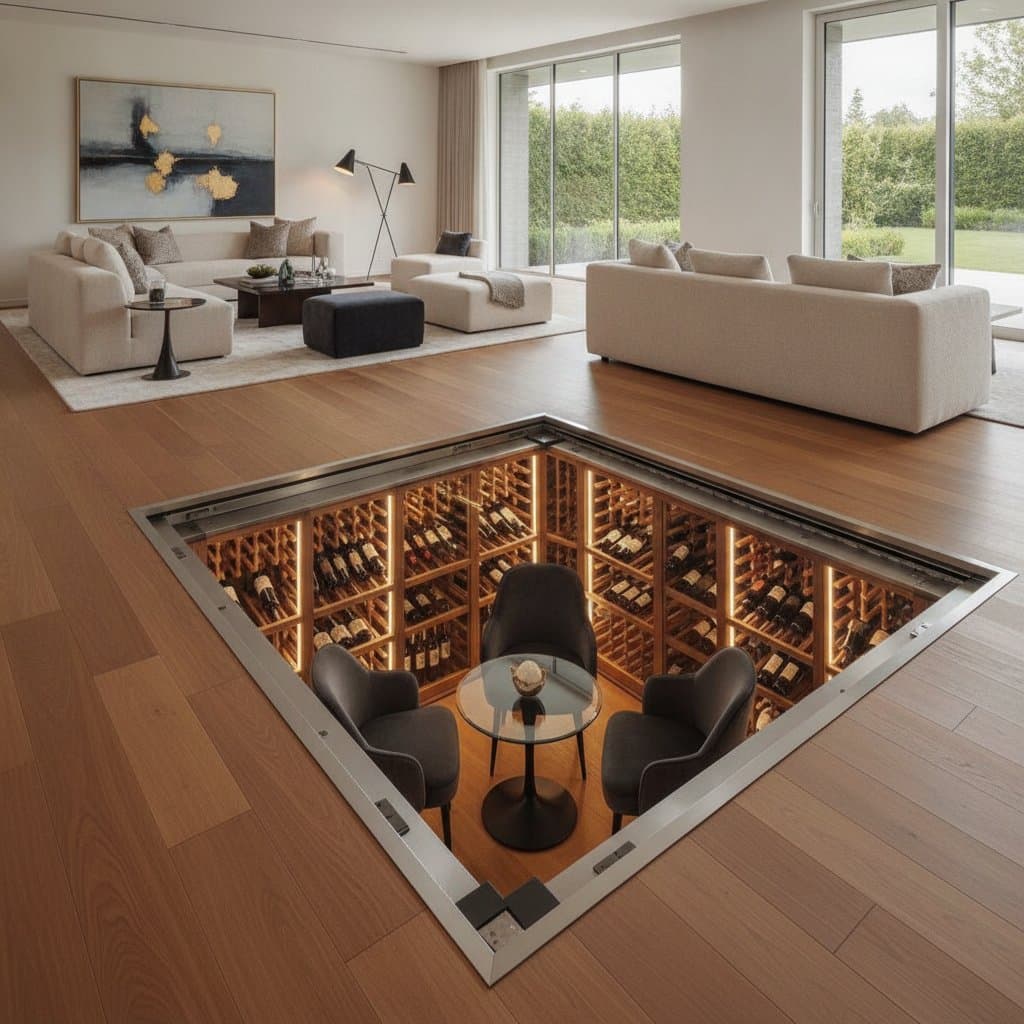
Homeowners install hidden wine cellars to create private retreats that blend seamlessly into existing architecture. Such additions appeal to wine enthusiasts and casual collectors alike. The key lies in their discreet design, which transforms ordinary basements or closets into valuable assets.
The Value Proposition of Hidden Wine Cellars
Real estate trends in 2025 emphasize personalized luxury features that set properties apart. A hidden wine cellar signals refined taste and thoughtful investment. Appraisers recognize these installations as premium upgrades, often citing them in valuation reports.
Market data indicates that homes with custom wine storage sell faster and at higher prices. Buyers view them as indicators of quality construction and lifestyle compatibility. The 15% value increase stems from the perceived exclusivity and the practical benefits of proper wine preservation.
This boost varies by location and execution. In urban areas with high demand for luxury homes, the impact proves more pronounced. Rural properties benefit similarly when targeting affluent buyers who prioritize entertainment spaces.
Selecting the Ideal Location
Choose a location that supports stable conditions for wine storage. Basements offer natural insulation, while ground-level rooms require additional modifications. Consider accessibility for both daily use and entertaining guests.
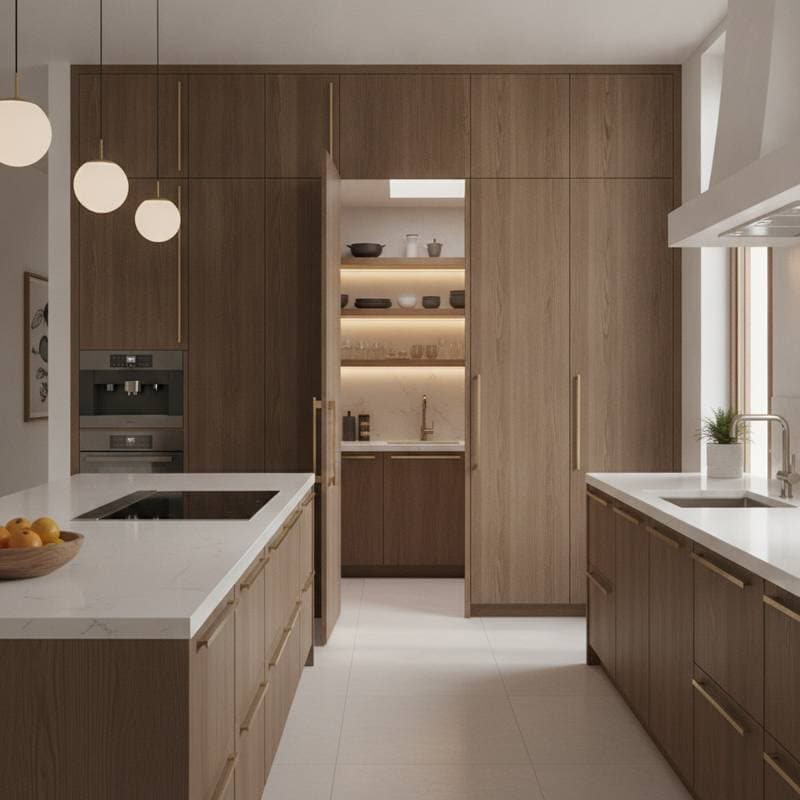
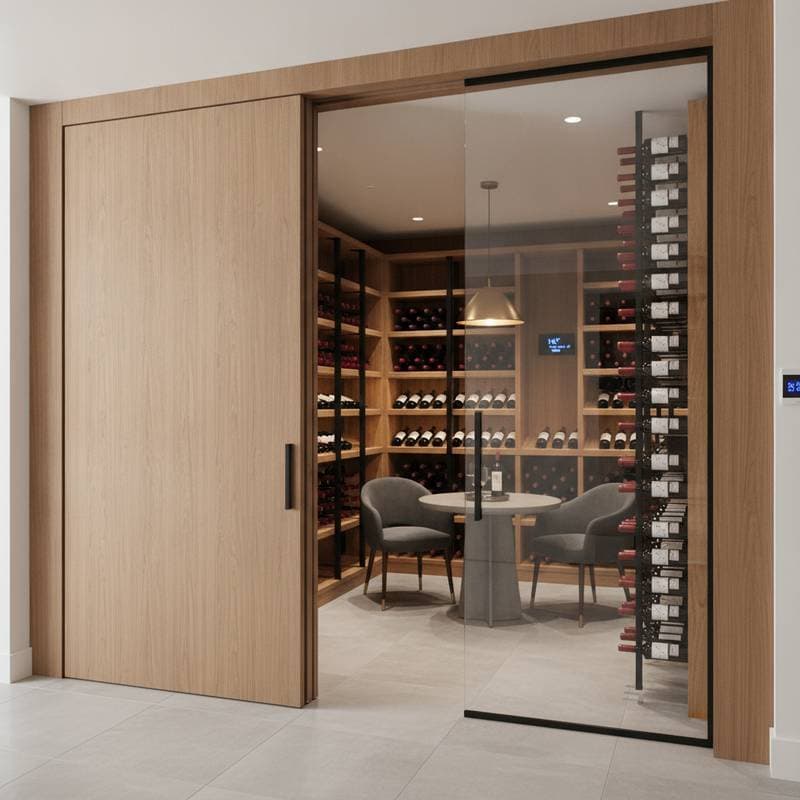
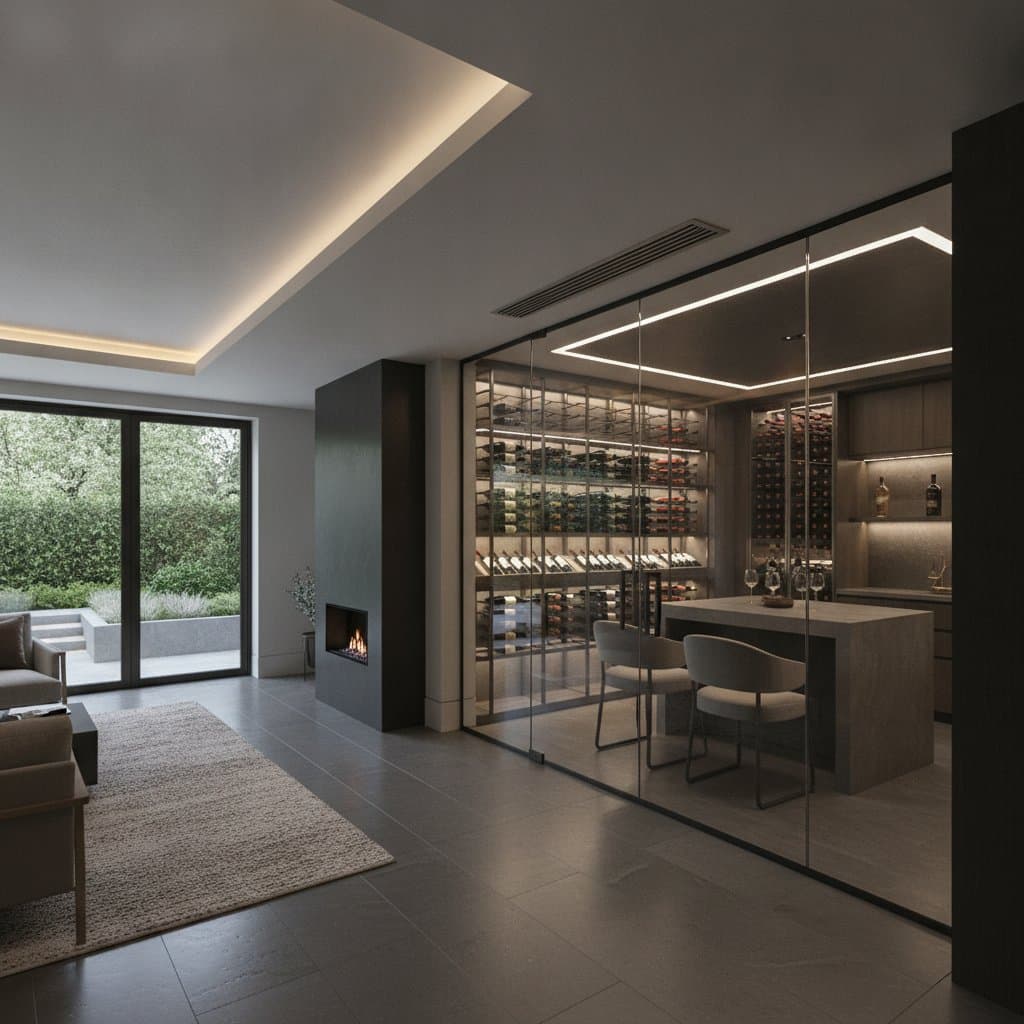
Concealment enhances the allure. Integrate entrances behind bookshelves, cabinetry, or even artwork for a seamless look. Ensure the space remains functional without compromising the home's overall flow.
Assess structural integrity before construction. Older homes may need reinforcements to support racks and shelving. Consult professionals to evaluate humidity levels and ventilation needs specific to your site.
Essential Design Elements
Climate Control Systems
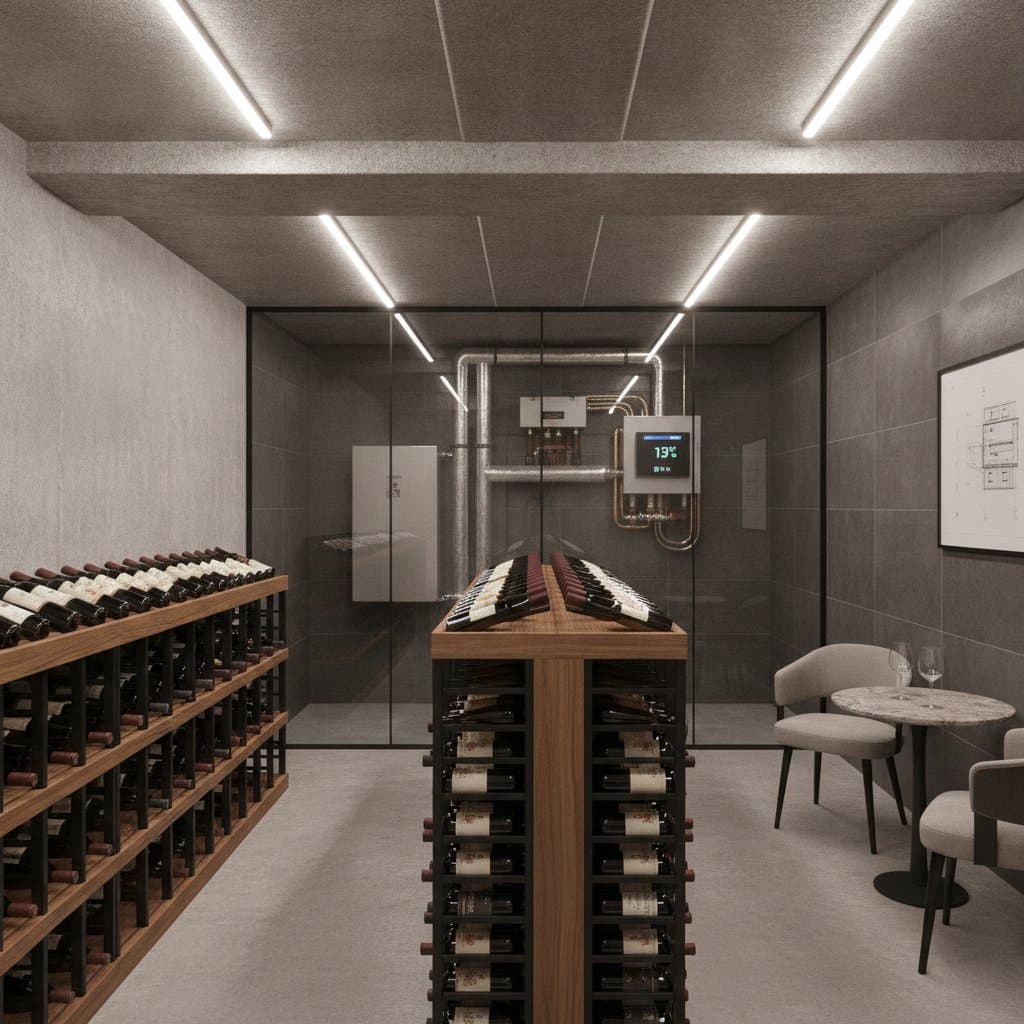
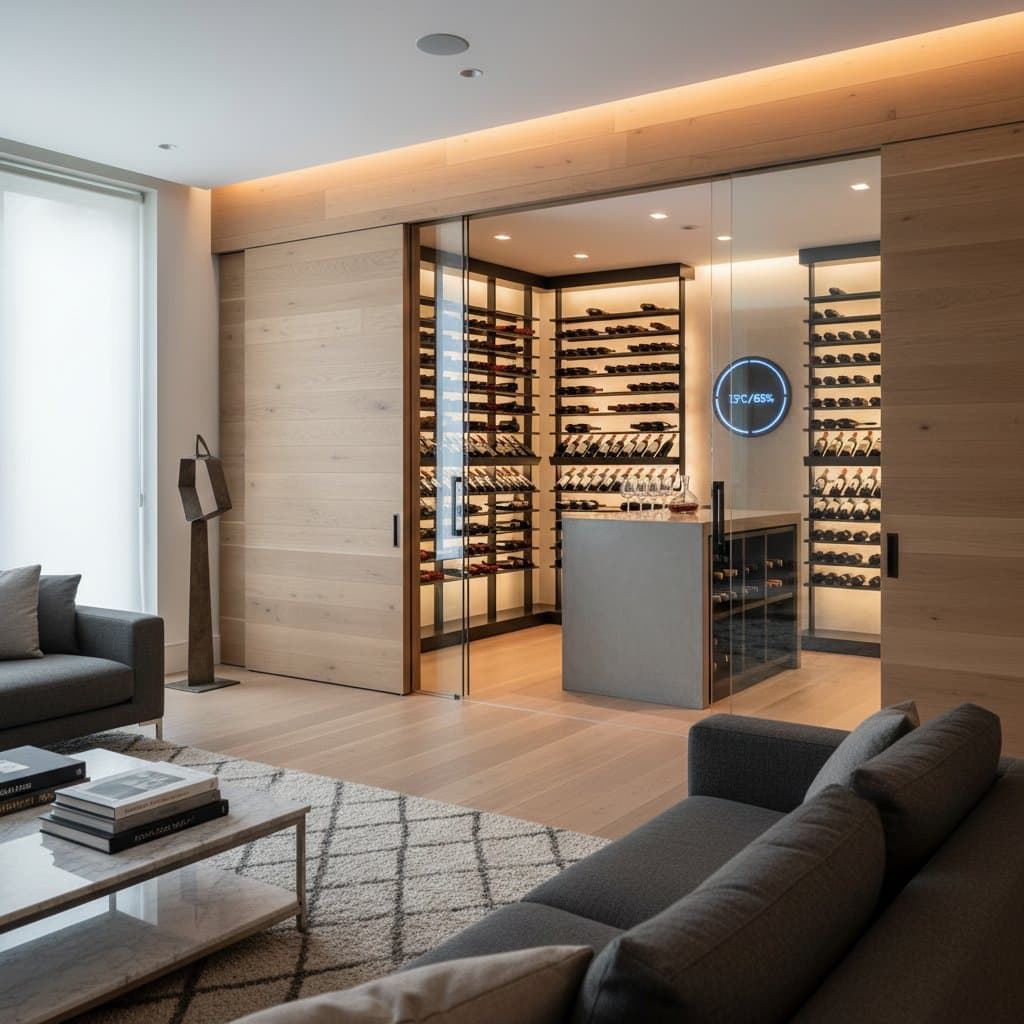
Maintain optimal conditions with precise temperature and humidity controls. Ideal settings range from 55 to 59 degrees Fahrenheit and 50 to 70 percent humidity. Invest in dual-zone systems for varied storage needs, such as reds versus whites.
Passive cooling suits smaller cellars, using insulation and ventilation. Active systems, including cooling units, provide reliability for larger collections. Monitor conditions with digital sensors connected to smart home interfaces.
Storage and Organization
Select materials that resist moisture and pests. Redwood or mahogany racks offer durability and elegance. Modular designs allow customization for bottle sizes, from standard Bordeaux to oversized magnums.
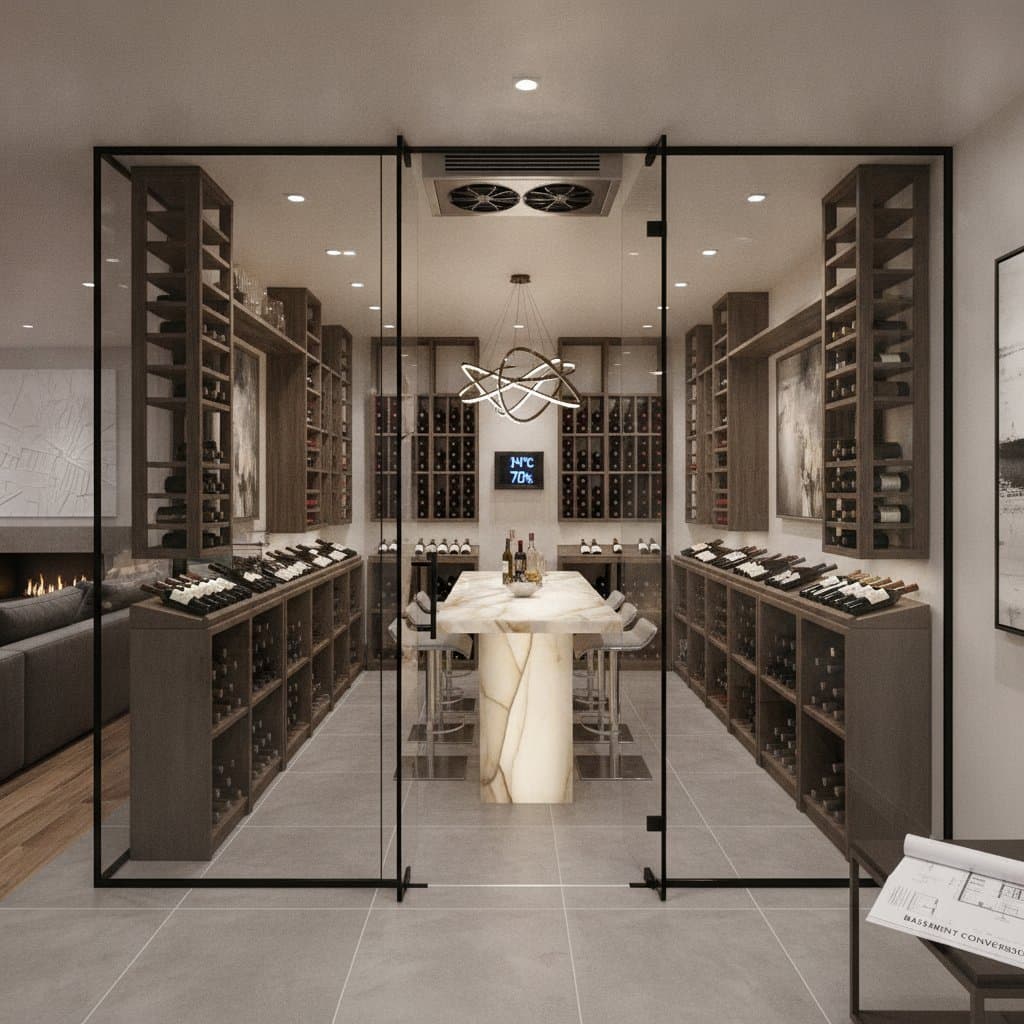
Incorporate display areas for prized bottles. LED lighting highlights labels without generating heat. Allocate space for accessories like decanters and stemware to create a complete entertaining zone.
Luxury Upgrades
Elevate the space with custom glass doors or etched panels for visibility. Add seating nooks or tasting tables to encourage use. Smart locks and security cameras protect valuable collections.
Incorporate sustainable elements, such as energy-efficient lighting and recycled materials. These features appeal to eco-conscious buyers and align with 2025 green building trends.
Costs, Timelines, and Budgeting
Budget for a hidden wine cellar starts at $25,000 for basic installations under 100 square feet. Mid-range projects, including climate control, range from $50,000 to $100,000. Luxury custom builds exceed $150,000, depending on size and finishes.
Timelines vary from four to twelve weeks. Simple conversions take less time, while custom constructions require planning and permits. Factor in design consultations and material sourcing, which add two to four weeks upfront.
Break down costs: 40% for construction, 30% for climate systems, 20% for storage solutions, and 10% for finishes. Obtain multiple quotes to ensure competitive pricing. Financing options, such as home equity loans, make these upgrades accessible.
Professional Tips for Success
Hire certified builders experienced in wine cellar construction. They understand code requirements for electrical and plumbing integrations. Review portfolios to confirm expertise in hidden designs.
Plan for future expansion. Design with modular components that adapt to growing collections. Test climate systems post-installation to verify performance over several weeks.
Engage interior designers for aesthetic cohesion. Match the cellar's style to your home's theme, whether modern minimalist or rustic charm. Document the build process for appraisal purposes.
Realizing Long-Term Benefits
A well-executed hidden wine cellar enhances daily living while securing financial returns. It serves as a personal sanctuary and a selling point that captivates potential buyers. Invest in quality to ensure lasting value and enjoyment.
Homeowners report increased satisfaction from these spaces, fostering a sense of accomplishment. The combination of practicality and prestige positions your property favorably in 2025's market. Begin planning today to capitalize on this rising trend.