Hidden Pantry Upgrades: Achieve 93% ROI in Home Value
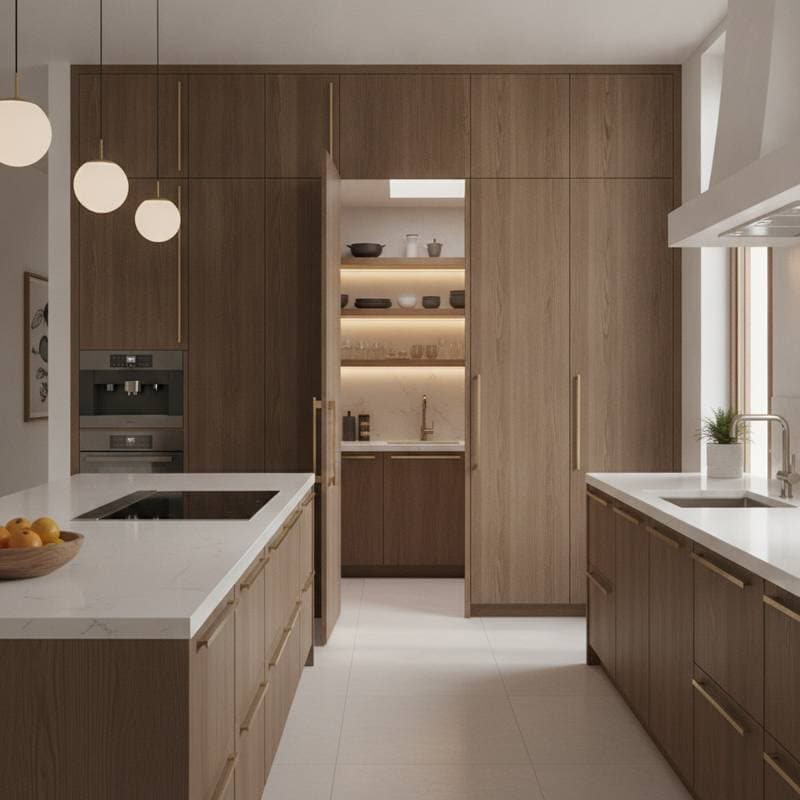
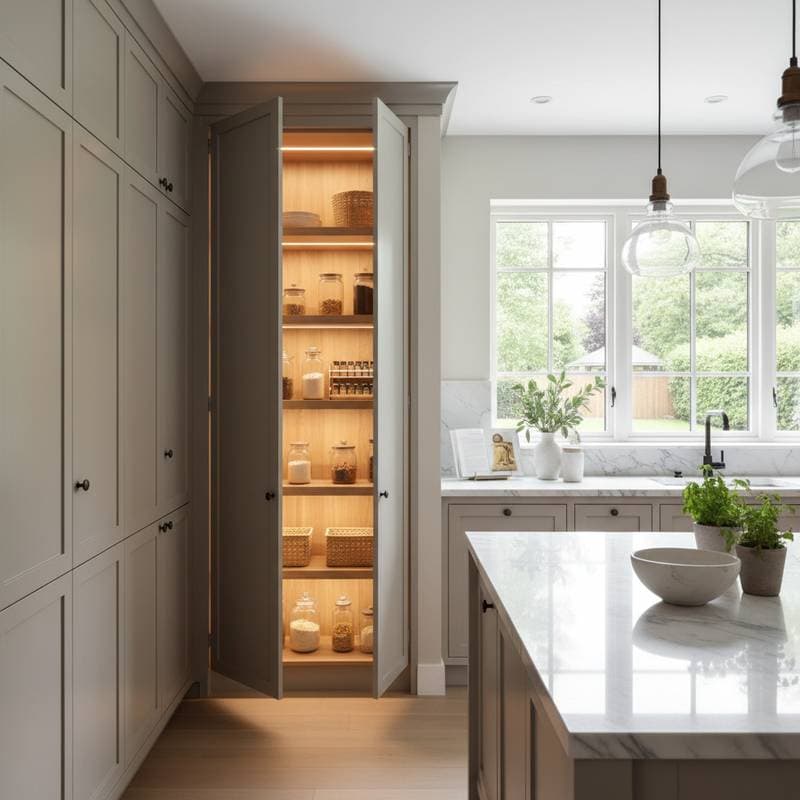
A hidden pantry integrates seamlessly into the kitchen design, returning up to 93 percent of its installation cost through increased home value. This upgrade enhances organization, reduces clutter, and surprises potential buyers with its clever functionality. Homeowners benefit from streamlined daily routines while preparing the property for a stronger market position.
The following sections outline the planning, budgeting, and execution process for a successful hidden pantry installation. Each step includes practical guidance to maximize return on investment and ensure long-term satisfaction.
The Value Proposition of a Hidden Pantry
Potential buyers prioritize kitchens that combine aesthetic appeal with practical storage solutions. A hidden pantry addresses both needs by concealing generous storage behind a discreet panel or door, thereby elevating the overall kitchen experience without disrupting the visual flow. This dual benefit contributes to the impressive 93 percent return on investment, as it signals thoughtful design and ample utility in a space-critical area of the home.
Beyond resale advantages, the installation frees up counter surfaces for meal preparation and appliance placement, minimizing visible disarray from everyday use. Compared to extensive kitchen expansions, this targeted upgrade requires modest investment while delivering substantial improvements in usability and perceived luxury. Real estate professionals often highlight such features as key differentiators in competitive markets.
Detailed Cost Analysis
Understanding expenses helps in setting realistic expectations and allocating funds effectively. The breakdown below covers primary components, with factors influencing variations noted for transparency.
| Task | Typical Cost Range | Key Price Influences |
|---|---|---|
| Framing or Space Conversion | $800 to $2,500 | Dimensions of the area, existing wall construction, required permits |
| Custom Hidden Door or Panel | $1,200 to $3,000 | Selected materials, surface finishes, specialized hardware |
| Shelving and Internal Storage | $500 to $1,500 | Quality of wood or alternatives, inclusion of adjustable components |
| Lighting and Electrical Features | $200 to $600 | Extent of wiring, type of fixtures, professional electrician involvement |
| Painting and Final Finishes | $150 to $400 | Quality of paint or stain, intricacy of trim work |
The overall project typically ranges from $2,800 to $8,000 across the United States. Regional labor rates, choices in premium materials like solid hardwood, or additions such as integrated outlets can elevate costs. Obtaining multiple quotes from local contractors ensures competitive pricing without compromising quality.
Essential Tools and Materials
Gathering the right supplies streamlines the installation and promotes safety. The list below focuses on items suitable for both DIY enthusiasts and professionals overseeing the work.
- Tape measure and bubble level for precise measurements
- Stud finder to locate structural supports in walls
- Power drill with appropriate bits for secure fastening
- Circular saw or jigsaw for cutting panels and openings
- Hammer, nails, or screws for assembly tasks
- Paint, primer, and brushes or rollers for seamless blending
- Wood shelving boards or modular organizers for internal setup
- LED strip lights or motion-activated fixtures for illumination
- Heavy-duty cabinet hinges or pivot mechanisms for the door
Prioritize safety with gloves, safety goggles, and a dust mask during construction. For projects involving drywall removal or electrical modifications, incorporate a respirator and adhere strictly to local building codes to prevent hazards.
Considerations for Regional and Climate Variations
Local environmental factors influence material selection and design choices to ensure durability. Tailoring the pantry to these conditions extends its lifespan and maintains performance.
- In humid regions, opt for moisture-resistant paints and melamine-coated shelves to resist warping from excess dampness.
- For cold climates, position the pantry away from exterior walls prone to condensation buildup, which could lead to mold issues.
- In hot areas, incorporate ventilation slots or a compact exhaust fan, especially if the space adjoins heat sources like ovens or sun-exposed windows.
- Always consult local regulations; certain municipalities mandate inspections for any electrical additions within enclosed storage areas, often requiring a licensed electrician.
These adaptations not only protect the investment but also enhance the pantry's functionality in diverse settings.
Pitfalls to Sidestep in Installation
Avoiding errors preserves the hidden aspect and ensures reliability. The following points address frequent oversights with solutions for prevention.
- Overengineering the door mechanism: Complex designs with multiple panels or oversized hinges wear out rapidly; select simple, robust systems instead.
- Neglecting airflow: Poor ventilation traps odors and promotes spoilage; integrate subtle vents to circulate air effectively.
- Omitting internal lighting: Dim interiors hinder usability; install automatic lights to illuminate contents upon access.
- Relying on inexpensive shelving: Lightweight materials sag under the weight of provisions; choose reinforced options rated for heavy loads.
- Inconsistent surface treatments: Disparate colors or textures betray the concealment; match finishes precisely to surrounding cabinetry.
By anticipating these issues, the project achieves a polished, integrated result that withstands daily demands.
Optimal Timing for Installation
Strategic placement in the home improvement timeline maximizes benefits. Consider these scenarios for integration.
- Integrate during a comprehensive kitchen renovation or cabinet refresh to minimize disruption.
- Repurpose a nearby formal dining room wall for added storage without altering core kitchen layout.
- Implement as a pre-listing enhancement to appeal to buyers seeking modern conveniences.
- Pursue when aiming to declutter countertops while retaining quick access to essentials.
This approach suits homes with sufficient floor space; in cramped kitchens lacking circulation or illumination, a slimmer pull-out pantry alternative may prove more practical.
Expert Recommendations for Optimal Results
Refinements elevate the project from functional to exceptional. Apply these strategies during planning and execution.
- Determine door swing direction at the outset to avoid conflicts with nearby appliances or traffic paths.
- Limit shelf depth to 16 inches maximum, facilitating effortless retrieval of items from the back.
- Organize contents with labeled containers and jars, promoting tidiness and quick location.
- Incorporate a discreet electrical outlet for small appliances like toasters, pending code approval.
- Install soft-close hardware to impart a high-end, whisper-quiet operation.
These details contribute to a seamless user experience and bolster the perceived value.
Decision Framework for Your Project
Assess your kitchen's specifics to select the best configuration. This guide matches options to common situations.
| Kitchen Profile | Recommended Approach | Rationale |
|---|---|---|
| Compact space with few walls | Install a narrow pull-out unit | Preserves precious floor area |
| Spacious layout or full remodel | Construct a complete hidden walk-in | Amplifies storage and luxury appeal |
| Adjacent existing closet | Retrofit with matching panel | Accelerates completion at lower expense |
| No available wall or closet | Opt for a tall cabinet insert | Simplifies DIY without major alterations |
This framework aids in aligning the upgrade with your home's unique constraints and goals.
Engaging Professional Assistance
Certain complexities warrant expert intervention to guarantee safety and precision. Seek professionals for scenarios involving electrical wiring encounters, unexpected plumbing discoveries, or significant structural modifications. Similarly, custom millwork to replicate existing cabinetry demands skilled craftsmanship.
A qualified contractor or specialized cabinetmaker manages framing, precise hinge installation, and professional finishing applications. Their involvement results in a pantry that appears as an original design element, enhancing authenticity and marketability.
Sustaining Performance Over Time
Routine care preserves the pantry's appearance and operation. Lubricate hinges periodically to maintain smooth movement, and wipe door edges regularly to prevent buildup. Monitor LED lighting for fading and replace as necessary to sustain brightness.
Address surface scuffs with touch-up paint every few years, ensuring the hidden facade remains indistinguishable from the surrounding kitchen. These simple habits extend the feature's lifespan and protect the initial investment.
Realize the Benefits of Your Hidden Pantry
Implementing a hidden pantry transforms kitchen efficiency and home equity with minimal intrusion. This upgrade delivers enduring practicality, aesthetic refinement, and a compelling return that resonates with discerning buyers. Begin assessing your space today to unlock these advantages tailored to your lifestyle.