The Impact of EV Chargers on Home Resale Value by 2025
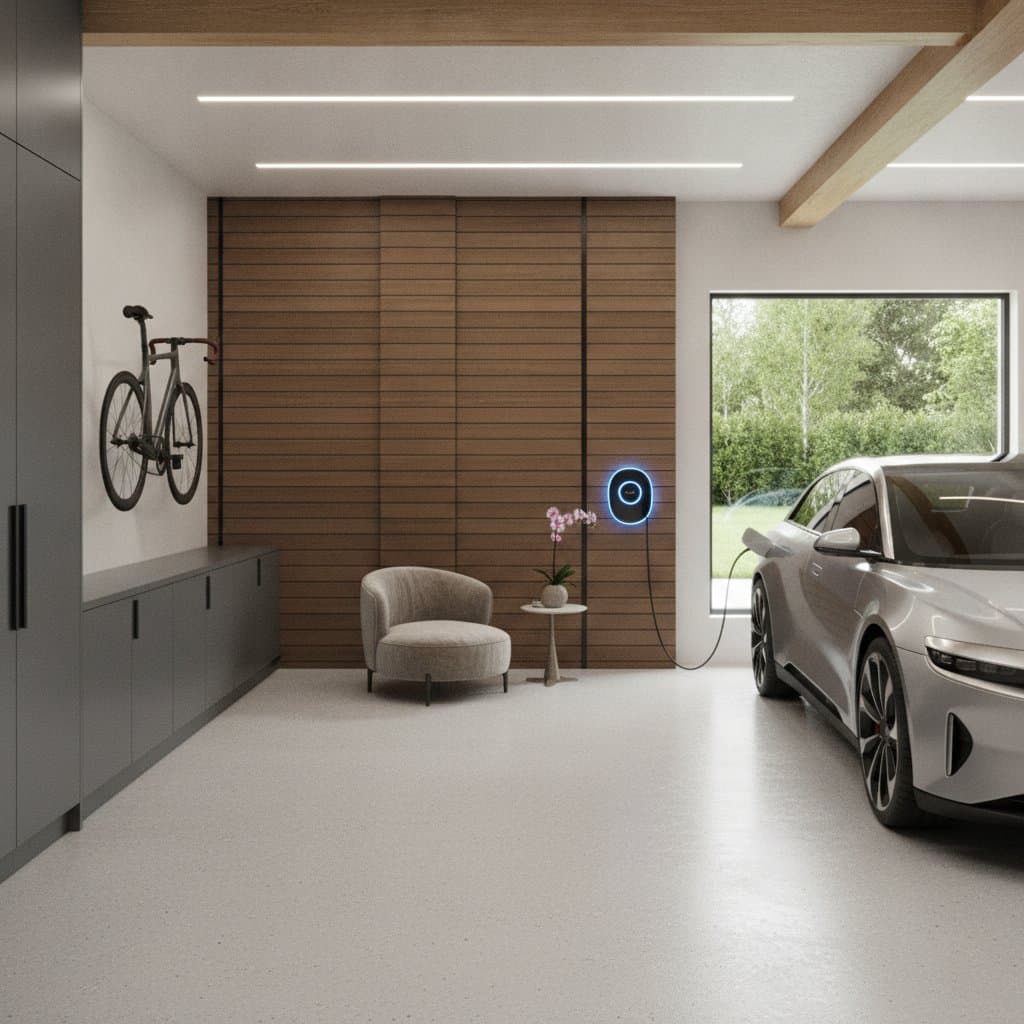
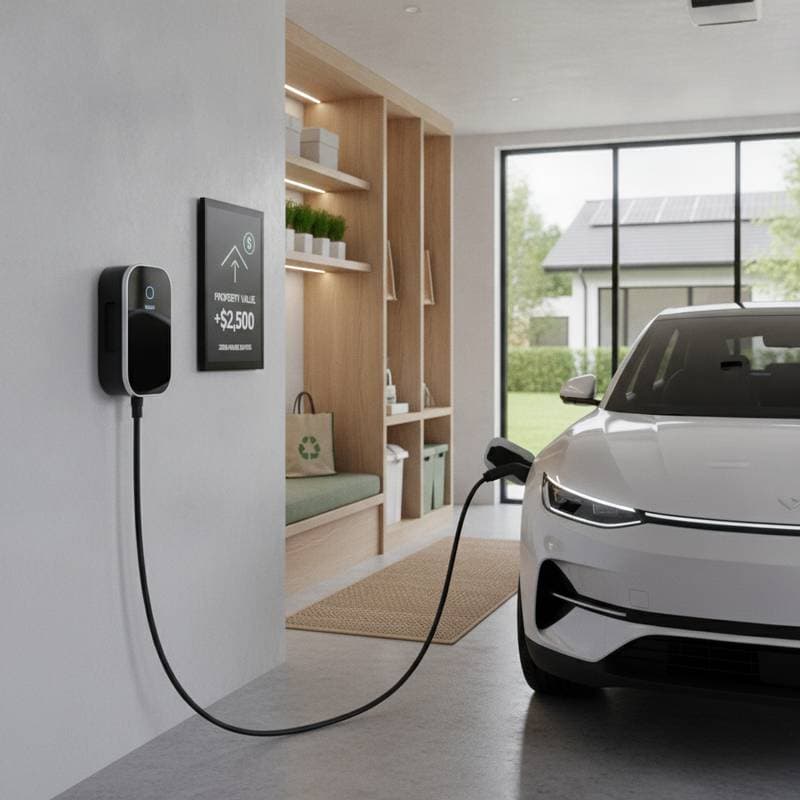
Homes equipped with a Level 2 EV charger stand to gain about 11% in resale value by 2025. This projection stems from increasing buyer preferences for properties that support electric vehicle ownership without additional hassle. As electric vehicles gain mainstream adoption, features like dedicated home charging become essential rather than optional, much like a modern kitchen or energy-efficient windows.
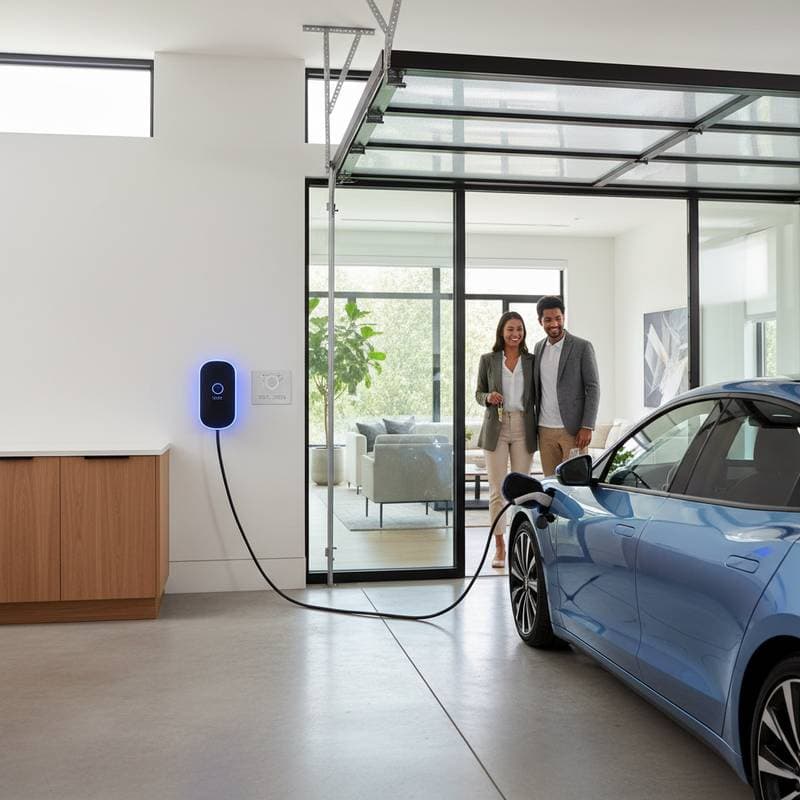
The appeal lies in the seamless integration of charging into daily life. Buyers, particularly younger demographics and environmentally aware families, prioritize move-in-ready homes that align with sustainable lifestyles. A hardwired Level 2 charger not only provides faster charging times—up to eight times quicker than standard outlets—but also signals forward-thinking property maintenance, which can differentiate your listing in a crowded market.
Installation costs for such a system generally range from $1,000 to $2,500, a fraction of what you might spend on a minor kitchen renovation. This investment yields quick returns through enhanced convenience and long-term value appreciation, especially as federal and state incentives continue to promote EV infrastructure.
Breaking Down Installation Costs
Understanding the components of EV charger installation helps homeowners budget effectively. Costs vary based on home specifics, but most fall within predictable ranges. Begin by assessing your electrical setup, as this forms the foundation of the project.
-
Charger Selection: Basic plug-in Level 2 chargers begin at around $400, offering reliable performance for most households. Advanced smart models, which include app connectivity for scheduling and energy monitoring, cost between $800 and $1,200. Opt for units certified by organizations like UL to ensure safety and compatibility.
-
Electrical Modifications: Many older homes operate on 100-amp service, which may require a subpanel or dedicated breaker to handle the charger's 40-amp draw. These upgrades typically add $500 to $1,000, depending on existing wiring quality.
-
Wiring Distance: The path from your electrical panel to the installation site influences expenses. For every 10 feet of conduit needed, expect an additional $50 to $100 in materials and labor. Projects exceeding 30 feet often involve more complex routing, pushing costs to $200 to $400 extra.
-
Permitting and Inspections: Local regulations mandate permits for electrical work, costing $75 to $200. Inspections verify compliance with the National Electrical Code, preventing future issues during home sales.
-
Site Preparation: If the charger mounts outdoors, trenching for underground lines or installing surface conduit can add $300 to $800. Factors like soil type, landscaping, and weatherproofing requirements affect this portion.
Budget an additional 10 to 15 percent for contingencies, especially in homes built before 1980 where outdated wiring might necessitate full panel replacements. Consulting a professional early can uncover these variables and refine your estimate.
Deciding Between DIY Installation and Professional Help
Homeowners with electrical experience might consider a DIY approach for simpler setups, but professional involvement ensures reliability and code adherence. Evaluate your skills and home conditions before proceeding.
DIY Installation
A DIY project suits those comfortable with basic electrical tasks and short wiring runs. Focus on mounting the charger securely and routing conduit neatly.
-
Required Skills: Moderate proficiency in using tools and following diagrams. Familiarity with circuit breakers and grounding principles is essential.
-
Essential Tools: Include a power drill, level, stud finder, wire strippers, and personal protective equipment like gloves and safety glasses.
-
Potential Risks: Errors in wire sizing or connections can lead to electrical hazards or failed inspections. Always double-check local codes to avoid violations that could impact insurance or resale.
Limit DIY to indoor, plug-in models under 20 feet from the panel. Test the setup thoroughly before regular use.
Hiring a Professional
Engage a licensed electrician for complex scenarios to safeguard your investment. Their expertise minimizes downtime and ensures optimal performance.
Professionals are advisable when your panel operates near capacity, the wiring path involves outdoor elements, or codes demand advanced features like ground-fault circuit interrupter protection. They perform precise load calculations to prevent overloads and label circuits clearly for future reference.
The value of professional work extends beyond installation. It preserves manufacturer warranties, reduces fire risks from improper setups, and provides documentation that reassures potential buyers. Expect to pay $500 to $1,500 for labor, a worthwhile expense for peace of mind.
Ongoing Maintenance and Warranty Essentials
Level 2 EV chargers demand little routine care, allowing homeowners to focus on enjoyment rather than upkeep. Regular checks preserve functionality and extend the unit's lifespan.
Perform monthly inspections to wipe away dust and debris from the charger body and connectors. Examine cables for signs of wear, such as insulation cracks or exposed wires, and store them loosely to prevent damage. In humid climates, ensure mounting areas remain dry to avoid corrosion.
Most manufacturers offer warranties spanning 3 to 5 years, covering defects in materials and workmanship. Electricians often include 1-year labor guarantees, providing recourse for installation-related issues.
To maximize durability, integrate surge protectors rated for EV applications, which shield against power fluctuations. Smart chargers may experience software glitches; updating firmware via manufacturer apps resolves most concerns without cost.
Common issues, like cable fraying from frequent handling, rarely require full replacements. Individual cords cost $80 to $150, far less than a new charger. With proper care, these systems operate reliably for over a decade, aligning with the growing lifespan of electric vehicles.
Practical Steps to Install Your EV Charger
Taking structured action streamlines the process and positions your home for future value growth. Start with foundational assessments to build confidence in your decision.
-
Evaluate Electrical Capacity: Open your breaker panel and note available slots and amperage. If unsure, hire an electrician for a $100 to $200 audit to confirm compatibility.
-
Gather Multiple Quotes: Contact at least two certified installers, specifying your site details and desired charger features. Insist on itemized bids that cover permits, materials, and any upgrades.
-
Explore Incentives: Reach out to your utility provider or state energy department for rebates, which can offset 30 to 50 percent of costs. Programs like the federal EV charger tax credit may apply, reducing effective expenses further.
-
Select the Right Charger: Consider your vehicle's charging requirements and household needs. Look for models with adjustable amperage and weather-resistant designs for versatile placement.
-
Document Everything: Retain receipts, permits, and inspection reports. This paperwork demonstrates professional installation to appraisers and buyers, bolstering your home's market position.
Realizing Long-Term Benefits for Your Property
Investing in a Level 2 EV charger delivers more than immediate utility; it future-proofs your home against evolving transportation trends. As EV adoption accelerates, properties with built-in charging will command premiums, attracting buyers who value efficiency and reduced carbon footprints.
This upgrade enhances daily life by eliminating public charging dependencies, potentially saving hundreds annually on electricity versus gasoline. For sellers, it shortens market time and justifies higher asking prices, turning a modest outlay into substantial equity gains.
Begin the process today to capitalize on current incentives and expertise availability. Your forward-looking choice not only elevates property appeal but also contributes to broader sustainability goals.