Moody Maximalism: How Dark Paints Increase Home Value by 6 Percent
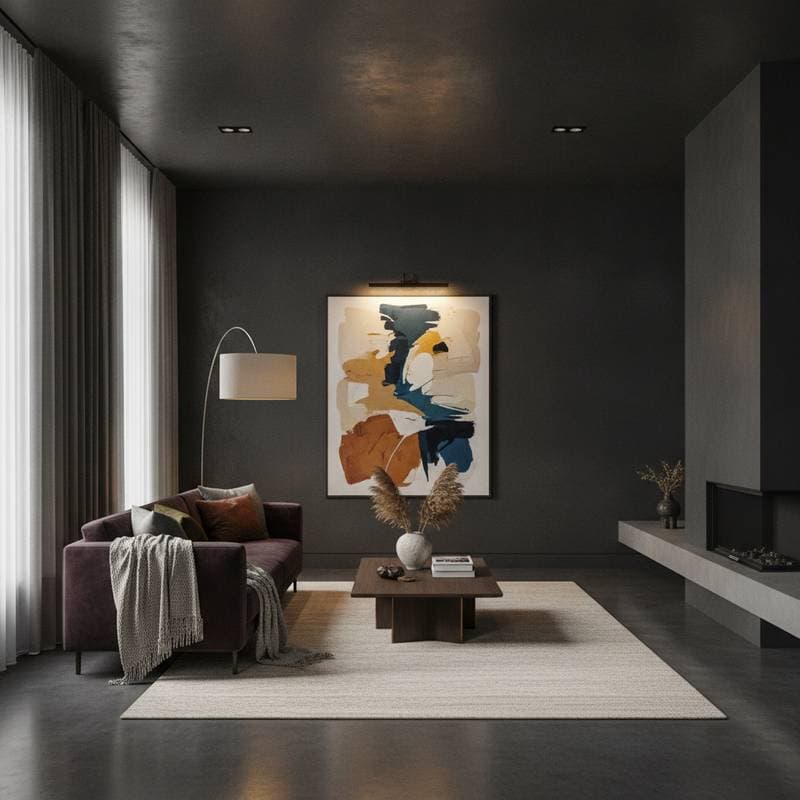
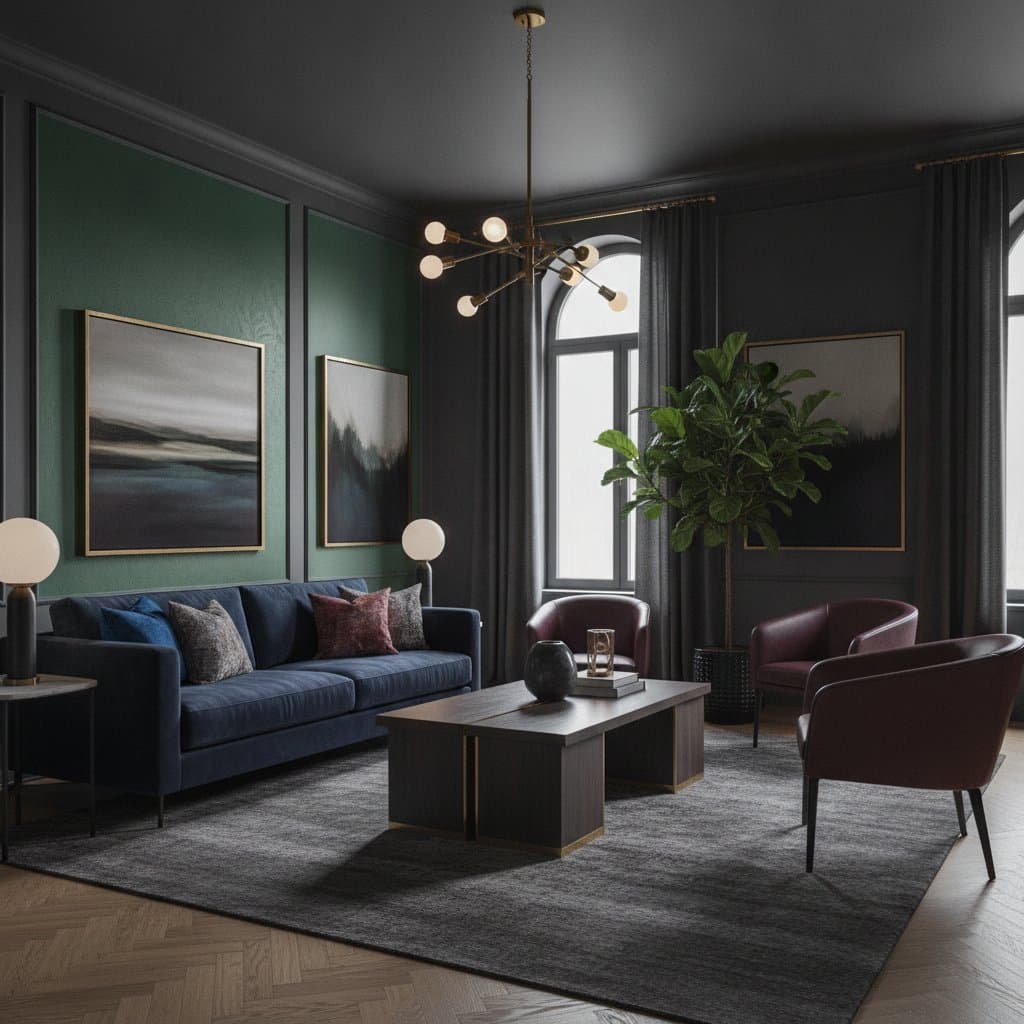
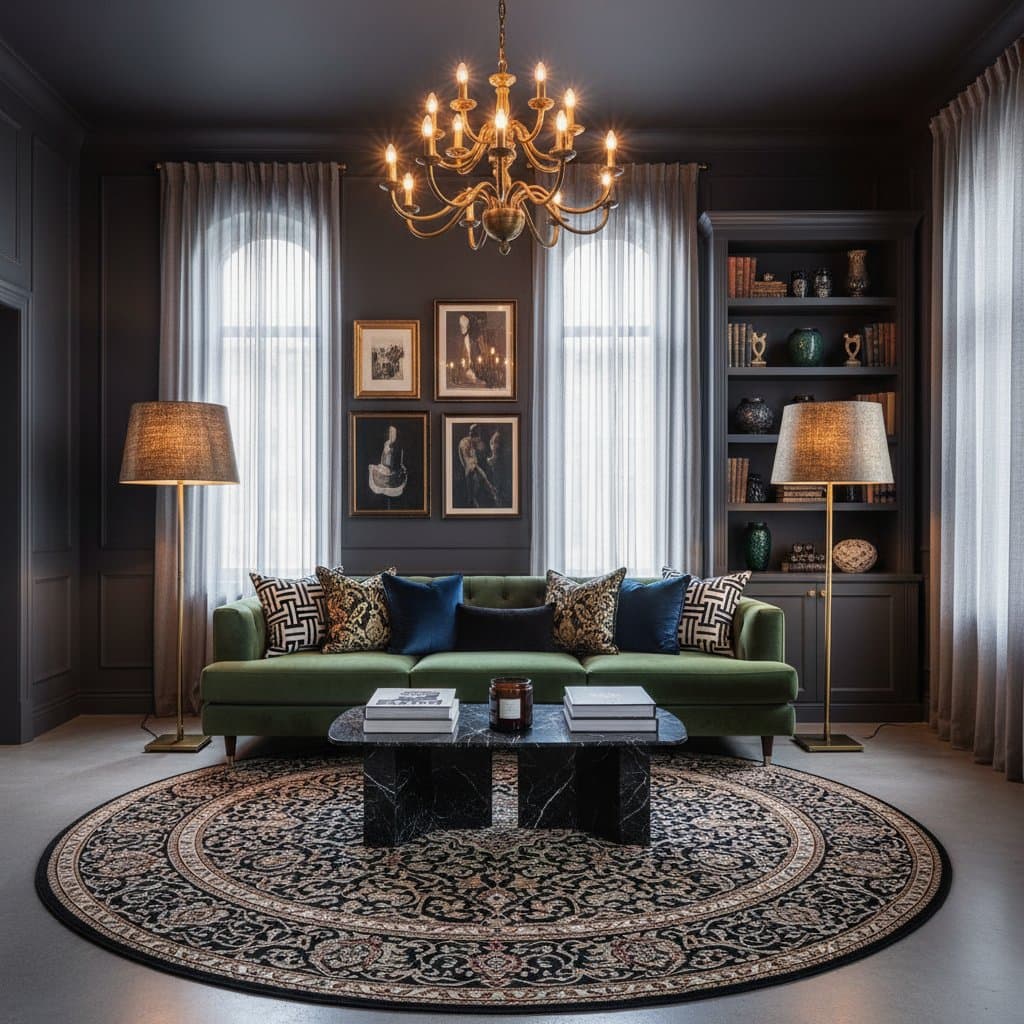
Dark, layered interiors have returned to prominence in contemporary design. Homeowners who select moody paint colors often realize a tangible financial benefit, as research indicates that properties featuring rich, dark tones sell for approximately six percent more than comparable homes with lighter palettes. This trend aligns with the emergence of moody maximalism, a design philosophy that integrates deep colors, varied textures, and intricate patterns to foster bold, individualized environments.
This aesthetic appeals to those transitioning from minimalist styles. It performs effectively in residences with ample natural light or distinct architectural elements. A dark color scheme establishes a sense of stability, refinement, and customization in living spaces.
Advantages and Disadvantages
Advantages
- Enhances the perception of luxury and overall value
- Conceals minor imperfections on walls more effectively than lighter paints
- Introduces dimension and intensity to rooms of any size
- Complements metallic accents, wooden elements, and striking artwork
- Generates greater interest from prospective buyers in premium real estate markets
Disadvantages
- May cause small or dimly lit areas to appear confined
- Demands accurate edging and precise application techniques
- Reveals touch-ups more prominently if the finish degrades unevenly
- Often requires multiple coats to achieve complete opacity
- Appeals less to buyers who favor neutral tones for staging purposes
DIY Application Versus Professional Services
Applying dark paints presents greater challenges than initial appearances suggest. For those considering a do-it-yourself approach, the process involves careful preparation and execution to avoid common pitfalls.
DIY Considerations
The difficulty level ranges from moderate to high, depending on room size and surface conditions. Plan for six to ten hours of work in a standard room, including preparation and drying times.
Essential tools include high-density foam rollers for smooth application, angled brushes for edges, painter's tape for clean lines, drop cloths to protect floors, sanding blocks for surface smoothing, a high-adhesion primer suited for dark topcoats, and premium paint formulated for durability.
Potential risks encompass inconsistent coverage that leads to patchy results, noticeable roller stippling on walls, and blurred boundaries around trim or ceilings. To mitigate these, apply primer in thin, even layers and allow full curing before the first topcoat. Test colors on small sections to assess undertones under various lighting conditions.
Professional Recommendations
Engage a professional painter for flawless results, particularly with specialty finishes like velvet or eggshell sheens. Experts excel at priming surfaces to prevent bleed-through and layering coats for uniform depth. They handle complex transitions, such as ceiling-to-wall junctions and intricate trim work, ensuring the dark hue appears purposeful rather than overwhelming.
Professionals also advise on sheen selection: matte finishes absorb light for a softer look, while semi-gloss adds subtle sheen in high-traffic areas. Costs typically range from two to four dollars per square foot, varying by location and project scope. Request portfolios of similar dark-paint projects to verify expertise.
Maintenance Strategies and Longevity
Dark paints demonstrate resilience when installed using superior materials and techniques. Regular upkeep preserves the finish and extends the paint's service life.
Routine Care
Schedule touch-ups every three to five years, or sooner if wear becomes evident. For cleaning, employ a solution of mild soap and water with a microfiber cloth to gently remove dust and smudges. Steer clear of harsh abrasives or chemical solvents that could dull the surface.
Monitor for common issues such as scuff marks in passageways, color fading from prolonged sun exposure near windows, and sheen reduction in moisture-prone rooms like bathrooms. Address these promptly with matching paint to maintain consistency.
Premium paint brands often provide limited lifetime warranties covering adhesion failure and color retention. Review product specifications for coverage guarantees and environmental resistance claims before purchase.
Regional Influences on Application and Performance
Local environmental conditions and building regulations significantly affect both the execution and durability of dark paint projects.
In humid or coastal regions, opt for paints with built-in mildew inhibitors and apply sealant primers to combat moisture infiltration. These measures prevent bubbling or peeling in damp climates.
For colder areas, select matte or low-sheen finishes that mask minor cracks from thermal expansion and contraction. Insulate walls beforehand if repainting during winter months to avoid condensation issues.
In arid zones, paints can set too quickly, leading to brush marks; professionals frequently incorporate paint conditioners or retarders for extended working time and smoother finishes.
Urban settings benefit from dark interiors, as they capture light dynamically in photographs for online listings, enhancing marketability. Rural or suburban homes may require additional accent lighting to balance the drama.
Permits seldom apply to standard painting, though integrating elements like wainscoting or decorative plaster could necessitate inspections for fire safety or structural compliance. Labor expenses fluctuate: anticipate premiums in metropolitan and waterfront areas, where rates may reach five dollars per square foot.
Return on Investment and Resale Impact
Properties with thoughtfully executed dark, moody interiors draw buyers who appreciate innovative design. Real estate analyses confirm an average six percent uplift in resale value for homes showcasing well-applied dark paint schemes. Tones such as deep navy, soft charcoal, and lush forest green perform strongly in communal spaces like living rooms, kitchens, and dining areas.
Execution quality determines the financial outcome. Inadequate coverage or clashing trim diminishes appeal, while strategic lighting elevates the space. Install a combination of ambient, task, and accent fixtures to diffuse shadows and highlight textures, ensuring the room remains inviting for everyday living.
To maximize ROI, focus on high-impact areas first. A dark accent wall in the entryway can set a sophisticated tone without committing the entire home. Pair with neutral furnishings to allow flexibility for buyer preferences during showings.
Safety Protocols for Painting Projects
Dark paint endeavors remain safe with adherence to basic precautions, minimizing health and property risks.
Ensure adequate ventilation by opening windows and using exhaust fans during application to disperse fumes. Select low-VOC paints to reduce airborne irritants.
Don protective gear, including a respirator mask and nitrile gloves, especially when sanding old finishes or mixing primers. Position ladders stably and use extension poles to reach high areas without overextending.
Store paint cans and solvents in cool, dry locations away from ignition sources like heaters or stoves. Follow manufacturer guidelines for drying times to prevent slips on wet surfaces.
For disposal, transport unused paint to designated hazardous waste facilities, as standard trash services prohibit such materials. Avoid covering or obstructing smoke alarms and HVAC vents with fresh paint or coverings.
Implementing Dark Paint Successfully
Moody maximalism emphasizes intentionality over uniformity; select shades that enhance rather than dominate the space. Begin with low-commitment areas such as hallways, powder rooms, or a single accent wall to evaluate the effect.
Observe how the color shifts throughout the day under natural and artificial light. If the result harmonizes with existing decor, proceed to larger applications, incorporating textures like woven rugs or linen drapes for balance.
Solicit bids from two or three licensed painters experienced in dark hues. Provide them with fabric swatches or digital renderings of your vision. Insist on in-home color samples applied to drywall patches, viewed at different times, to confirm suitability.
Achieving Timeless Appeal Through Dark Interiors
When executed with precision, dark interiors convey assurance and enduring style. They accentuate artwork, upholstery, and architectural details while demonstrating meticulous attention to the home's character. This approach not only personalizes living spaces but also positions the property favorably in competitive markets, delivering that six percent value enhancement as an added reward.