Butler's Pantries: A 15 Percent ROI Boost for 2026 Kitchens
A butler’s pantry increases the resale value of a kitchen by approximately 15 percent. This addition provides concealed storage, preparation space, and a touch of luxury that appeals to prospective buyers. For homeowners undertaking a remodel, this compact room delivers significant returns.
Functions of a Butler’s Pantry
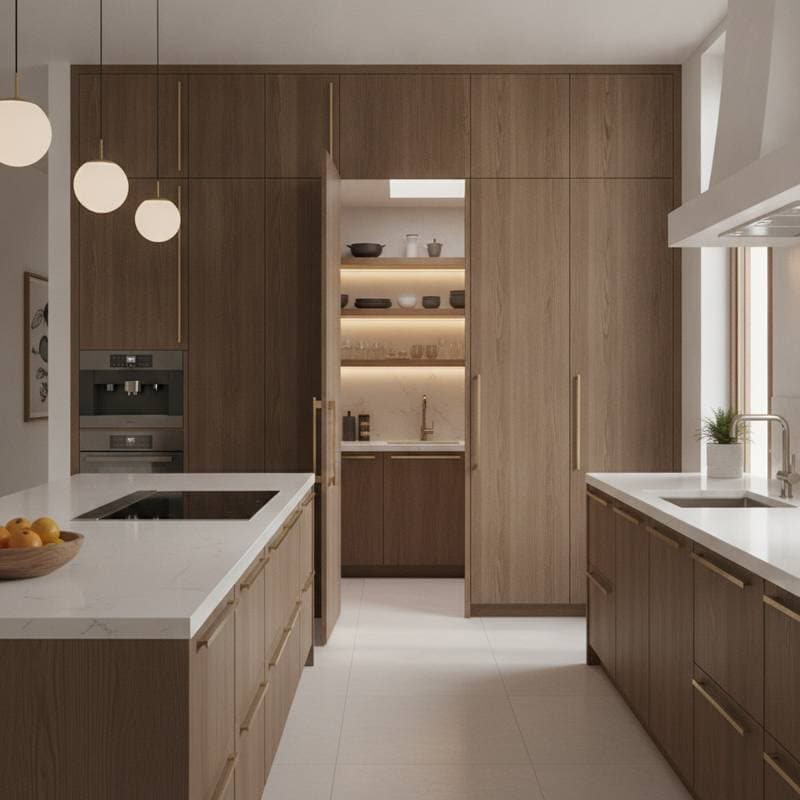
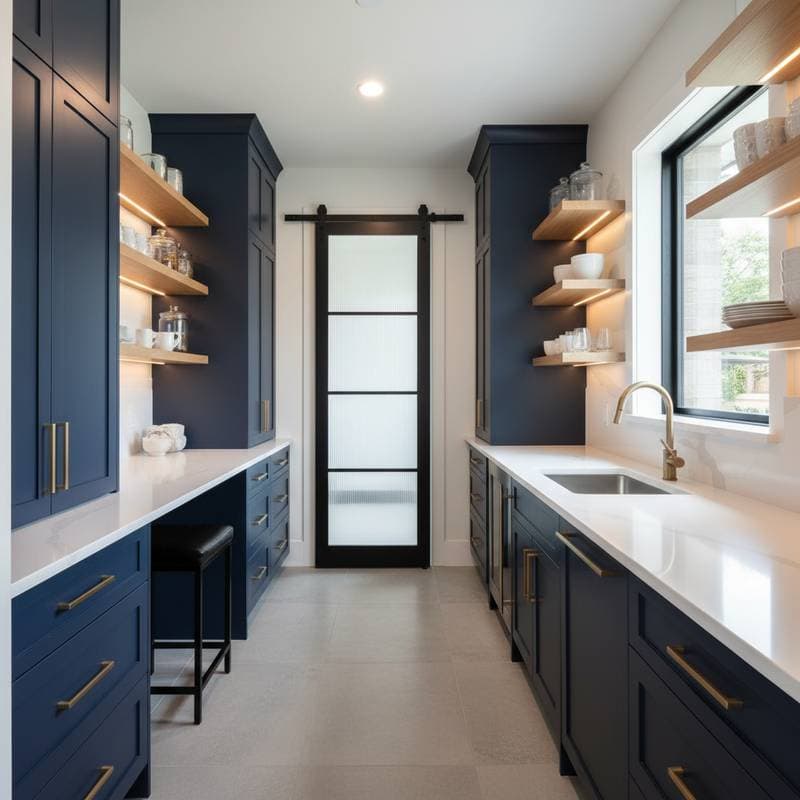
A butler’s pantry typically occupies space between the kitchen and dining area. It accommodates dinnerware, small appliances, and pantry staples. Homeowners often incorporate it for meal preparation, coffee stations, or wine storage, maintaining a tidy and presentable main kitchen.
Consider it an operational extension of the primary kitchen. The design conceals clutter, minimizes noise, and promotes organization. In open-concept layouts, it serves as a convenient area to store dishes ahead of guest arrivals, enhancing overall functionality.
Step-by-Step Guide to Incorporating a Butler’s Pantry
1. Select the location.
Identify a kitchen corner, hallway, or adjacent closet near the dining space. Allocate approximately 25 to 50 square feet to ensure adequate room for movement and storage.
2. Design storage zones.
Incorporate upper cabinets for glassware, base cabinets for heavier items, and drawers for utensils. Install a countertop surface dedicated to preparation or serving tasks, optimizing vertical and horizontal space.
3. Incorporate plumbing as required.
For a sink or beverage center, arrange for water supply lines and drainage systems. This enhancement elevates utility but increases expenses; evaluate based on intended use.
4. Install appropriate lighting.
Combine under-cabinet task lighting with a central ceiling fixture. Effective illumination supports practical activities and highlights design features.
5. Align finishes with the kitchen.
Select cabinet styles, hardware, and countertop materials that complement the main area. This approach creates a seamless transition while preserving the pantry's distinct purpose.
Cost Breakdown
Costs for a butler’s pantry vary from several thousand dollars to tens of thousands, influenced by project scale and material quality.
| Task | Typical Cost | Factors Influencing Price |
|---|---|---|
| Basic dry storage (no plumbing) | $3,000 to $6,000 | Stock cabinets, basic shelving, absence of sink |
| Mid-range with sink and counter | $8,000 to $15,000 | Custom configurations, plumbing integration, lighting additions |
| High-end with appliances | $20,000 to $35,000+ | Built-in features, refrigeration units, premium stone surfaces |
Custom cabinetry, high-end materials, or plumbing relocations elevate expenses. Opt for stock cabinets, laminate counters, and dry setups to control costs. Regional labor rates and material availability further impact pricing.
Project Timeline
Butler’s pantry installations generally span 2 to 6 weeks from initial design to completion.
- Planning and design phase: 1 week
- Material procurement: 1 to 2 weeks
- On-site installation: 1 to 3 weeks
Plumbing or electrical modifications may prolong the schedule. Simpler dry storage projects conclude more swiftly, often within the shorter end of the range.
DIY Approach Versus Professional Installation
Pursue DIY when:
- Basic carpentry and painting skills are present.
- Stock cabinets form the basis, with no plumbing involved.
- Accurate measurements and level installations are manageable.
Engage professionals when:
- Plumbing, electrical, or custom cabinetry is necessary.
- Built-in appliances or stone surfaces are desired.
- Resale value and warranty protections are priorities.
Professionals excel in achieving precise cabinet alignments, code-compliant plumbing, and harmonious finishes. They mitigate risks of layout errors that could lead to higher long-term costs.
Essential Tools and Materials
Required tools: Tape measure, stud finder, drill, level, screwdriver, caulk gun, and saw.
Core materials: Cabinets, countertop slabs, backsplash tiles, paint, lighting fixtures, and hardware.
For plumbing additions, include supply lines, fittings, and a complete sink assembly.
Creative Storage and Utility Concepts
- Coffee station setup: Integrate a compact sink, espresso machine, and dedicated cup storage for daily convenience.
- Wine storage area: Feature a cooling unit and overhead racks to preserve collections securely.
- Snack organization zone: House quick-access foods and disposable serveware in accessible drawers.
- Preparation workstation: Position cutting boards, knives, and mixing utensils within reach for efficient tasks.
- Appliance concealment: Design a garage-style compartment to store blenders, toasters, or slow cookers out of sight.
Value Enhancement Through a Butler’s Pantry
Prospective buyers appreciate integrated organization and streamlined kitchen aesthetics. A butler’s pantry addresses these preferences by expanding perceived space and utility. During home tours, such features signal intentional design, accelerating sales and supporting higher offers.
Real estate professionals note that properties with this addition often close quicker and nearer to list price. Uncluttered countertops improve listing photography and in-person viewings. Comparable homes without this element typically yield 15 percent less in resale proceeds.
Essential Design Recommendations
- Maintain cohesion: Harmonize cabinet colors and countertop textures with the adjacent kitchen for visual unity.
- Incorporate electrical outlets: Position receptacles strategically for powering small appliances without extension cords.
- Provide ventilation: Install a fan or exhaust system if preparation activities generate odors or steam.
- Select resilient surfaces: Prioritize wipeable countertops and moisture-resistant paints to withstand daily use.
- Maximize brightness: Employ layered lighting to avoid a confined feel in the compact area.
Considerations for Specific Regions
In humid or coastal environments, specify moisture-resistant cabinetry and sealed stone surfaces to prevent damage. Colder regions benefit from insulated plumbing lines, particularly if the pantry adjoins exterior walls. For areas prone to wildfires or hurricanes, integrate fire-rated and impact-resistant materials.
Verify local permit requirements for plumbing or electrical alterations. Certain municipalities mandate inspections for even minor wet bar installations. Consult authorities prior to commencing work to ensure compliance.
Safety Protocols and Code Compliance
- Disconnect power sources before installing outlets or fixtures.
- Employ licensed plumbers for all water and drainage connections.
- Prohibit storage of flammable materials near electrical components or heat-producing elements.
- Maintain unobstructed pathways, especially in transitional spaces between kitchen and dining areas.
Undocumented modifications may invalidate insurance policies or warranties. Retain records of all work for resale documentation purposes.
Evaluating Storage Alternatives
| Scenario | Recommended Solution | Rationale |
|---|---|---|
| Compact kitchen with limited area | Wall-mounted pantry cabinet | Cost-effective and space-efficient |
| Open layout adjacent to dining | Dedicated butler’s pantry | Conceals disorder while enhancing appeal |
| Extensive kitchen renovation | Full walk-in pantry | Offers expansive capacity |
| Frequent entertaining | Beverage or prep station integration | Streamlines hosting logistics |
Optimal Timing for Installation
Integrate a butler’s pantry during comprehensive kitchen remodels or structural adjustments. Open walls and cabinet replacements facilitate seamless incorporation. For imminent sales, this upgrade distinguishes listings in competitive markets. In new builds, incorporate early to align plumbing and wiring efficiently.
Enduring Advantages
A butler’s pantry sustains order in the primary kitchen by minimizing visible disarray. It prolongs the usability of stored goods through protected environments. Daily applications include snack retrieval, coffee brewing, or ingredient staging, benefiting all households regardless of entertaining frequency.
The design also safeguards main kitchen surfaces from wear; relegate intensive preparation to the pantry to preserve pristine counters. Its modest footprint combined with versatile functionality positions it as a highly efficient investment per square foot.
Advanced Recommendations for Optimal Results
- Ensure doorways measure at least 30 inches for unobstructed access.
- Favor drawers over deep base cabinets to improve item retrieval.
- Implement pull-out shelves for accommodating small appliances.
- Install motion-activated lights for hands-free operation.
- Consider pocket doors in spacious designs to conceal the area when not in use.
Practical Actions to Proceed
Assess available space adjacent to the kitchen and draft a preliminary layout that preserves traffic flow. Determine necessities such as a sink versus dry storage alone. Obtain estimates from contractors or specialists, evaluating both pricing and proposed features.
Prioritize enduring materials and neutral palettes if resale is a goal; these elements appeal broadly to buyers. Thoughtful execution transforms the butler’s pantry into a bespoke feature, securing the anticipated 15 percent value uplift upon sale.
Frequently Asked Questions
Does a butler’s pantry benefit small kitchens?
Yes, a scaled-down version enhances storage capacity and creates an illusion of greater space.
Is plumbing essential in a butler’s pantry?
No, a dry configuration suffices for basic needs. Plumbing enhances versatility at additional expense.