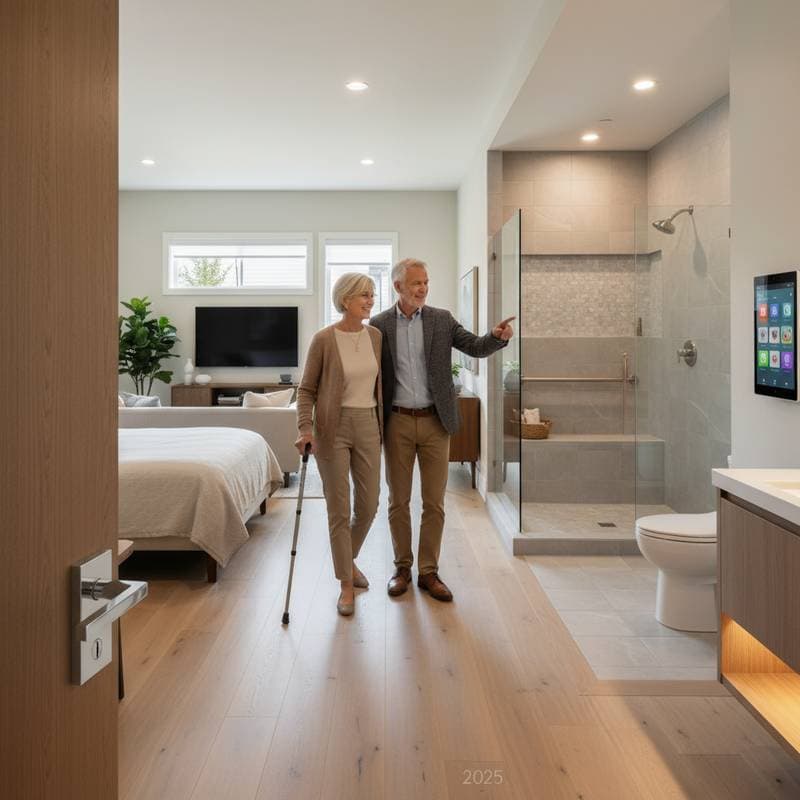
Understanding Aging-in-Place and Its 15% ROI Appeal for 2025 Buyers
Aging-in-place renovations transform standard homes into accessible sanctuaries designed for lifelong residency. These updates eliminate physical barriers, promote independence, and align with the growing demand from multigenerational families and older adults. In 2025, such modifications consistently deliver a 15% return on investment, as buyers willingly pay premiums for properties that require minimal future adaptations.
The appeal stems from demographic shifts. With the population over 65 projected to reach record levels, homes featuring universal design principles stand out in competitive markets. Simple changes like adjustable-height counters or non-slip surfaces not only improve safety but also broaden the buyer pool, ensuring faster sales and higher offers.
Key Cost Factors Influencing Aging-in-Place Projects
Budgeting accurately requires consideration of multiple elements that drive expenses. Understanding these factors helps homeowners prioritize high-impact updates without overspending.
1. Materials Selection
Materials form the foundation of any aging-in-place project, with costs varying based on durability and aesthetics. Basic items such as grab bars start at $50 per unit, while lever handles for doors and faucets range from $20 to $100 each. Slip-resistant flooring options, including textured vinyl or cork tiles, typically cost $3 to $8 per square foot installed.
For premium choices, quartz countertops with rounded edges to prevent injuries fall between $50 and $100 per square foot. Composite decking for outdoor access paths adds $40 to $70 per square foot but resists weathering effectively. Selecting materials certified for accessibility ensures compliance and longevity, justifying the investment through reduced replacement needs.
2. Labor Expenses
Labor constitutes a significant portion of the total budget, often 40 to 60 percent. General contractors charge $60 to $120 per hour, depending on location and project complexity. Accessibility experts, who specialize in universal design, may add a 10 to 20 percent premium to cover specialized knowledge and compliance verification.
Projects involving multiple trades, such as electricians for outlet repositioning or plumbers for curbless showers, increase hourly rates. To manage costs, obtain multiple bids and specify scope clearly in contracts. This approach minimizes surprises and ensures value for each dollar spent.
3. Layout Modifications and Structural Adjustments
Homes built before 1980 often feature challenging layouts, such as narrow hallways under 36 inches or multi-level entries. Widening doorways to 32 inches minimum requires framing adjustments, costing $500 to $2,000 per opening. Split-level designs may necessitate installing stair lifts or platform elevators, with prices from $3,000 to $15,000.
These changes can inflate overall expenses by 20 to 50 percent due to potential disruptions to existing structures. An initial home assessment by a professional identifies these issues early, allowing for phased implementation to spread costs over time.
4. Permits, Codes, and Compliance
Local building codes mandate permits for any alterations affecting safety systems. Relocating plumbing fixtures or electrical wiring triggers reviews, with fees ranging from $300 to $1,200 per permit. Inspections ensure adherence to standards like the Americans with Disabilities Act (ADA), adding $200 to $500 per visit.
Non-compliance risks fines or rework, eroding ROI. Consult municipal offices early to understand requirements, and choose contractors experienced in accessibility regulations to streamline the process.
5. Technology and Add-On Features
Integrating smart home elements enhances functionality without major overhauls. Automatic lighting sensors cost $50 to $200 per unit, activating via motion to prevent falls in low-light areas. Smart thermostats and voice-activated controls range from $150 to $400, improving energy efficiency and ease of use.
Zero-threshold entries for patios or garages, achieved through sloped ramps, add $1,000 to $5,000 but eliminate tripping risks. These features appeal to tech-savvy buyers, potentially boosting resale value by 5 to 10 percent beyond the baseline ROI.
DIY Options Versus Professional Installation
Homeowners with handyman skills can tackle select tasks to save on labor, but discernment is essential to avoid safety compromises.
Suitable DIY Projects
Straightforward updates include installing lever handles on doors and cabinets, which require only basic tools like a screwdriver and drill. Adding peel-and-stick non-slip mats to bathrooms costs under $50 and installs in minutes. Painting walls in high-contrast colors to aid visibility involves standard brushes and drop cloths, completed over a weekend.
Temporary solutions, such as portable ramps for entryways, provide immediate benefits at $100 to $300. Always prioritize safety gear, including gloves and eye protection, and follow manufacturer guidelines to ensure stability.
When to Engage Professionals
Complex work demands expert intervention to maintain structural integrity and code adherence. Moving interior walls or rerouting electrical circuits risks hazards if mishandled, with correction costs exceeding initial savings. Plumbing modifications, like converting tubs to walk-in showers, involve drainage expertise to prevent leaks.
ADA-compliant installations, such as reinforced bathroom walls for future grab bars, require precise anchoring. Professional oversight also preserves home insurance validity and facilitates smooth resale inspections. Investing in pros for these areas protects long-term value.
Long-Term Maintenance and Warranty Considerations
Aging-in-place features demand minimal ongoing care, but regular attention preserves their effectiveness and appearance.
Annual inspections should verify grab bar stability by applying firm pressure to test anchors. Reapply sealant to grout lines and flooring edges every two years to sustain slip resistance against moisture buildup. Inspect and replace weather-stripping around doors and windows seasonally to optimize insulation and reduce drafts.
Hardware like hinges and locks benefits from lubrication biannually to ensure smooth operation. Flooring materials, particularly those with warranties spanning 10 to 25 years, require documentation of purchase and installation details. Organizing these records in a dedicated file supports warranty claims and demonstrates upgrade quality to potential buyers.
Implementing Your Aging-in-Place Strategy
Begin by conducting a thorough self-audit of your home. Identify potential hazards like uneven thresholds, dim corridors, or high cabinetry that complicates access. Document these observations with photos to share with contractors.
Solicit bids from at least three licensed professionals versed in accessibility design. Request breakdowns of material, labor, and permit costs, along with timelines and warranty specifics. Compare options not just on price but on references and past projects similar to yours.
Timing matters: Undertake major updates during off-peak seasons to secure better rates, and consider tax incentives for energy-efficient or accessibility improvements. Phasing projects, starting with bathrooms and kitchens, allows for manageable financing while building equity incrementally.
Realizing Benefits Through Strategic Planning
Aging-in-place renovations extend beyond immediate comfort to secure financial advantages. These updates future-proof your property against evolving needs, attracting diverse buyers in 2025's dynamic market. By focusing on quality craftsmanship and targeted enhancements, homeowners achieve enhanced livability paired with a reliable 15% ROI, turning homes into enduring investments.