Achieve 15% ROI with Aging-in-Place Bathroom Upgrades
Aging-in-place bathroom upgrades deliver up to 15% return on investment while enhancing safety and livability. Thoughtful combinations of design, layout, and fixtures elevate comfort and boost property value. These modifications prepare homes for long-term use without compromising aesthetics.
Benefits of Aging-in-Place Bathrooms
Homebuyers and appraisers prioritize functionality alongside appearance. Bathrooms that promote mobility, balance, and independence attract seniors, families, and forward-thinking individuals. As more properties incorporate accessible elements from the outset, buyers appreciate the advantages, maintaining market competitiveness.
These upgrades extend beyond seniors to benefit anyone seeking reduced slip risks, simplified maintenance, and optimized space. Options range from minor adjustments to comprehensive remodels, with lasting utility over decades.
Steps to Design an Accessible Bathroom
1. Optimize Layout for Clear Movement
Target a minimum five-foot turning radius where space allows. Maintain pathways at least three feet wide. Eliminate barriers such as low cabinets that impede flow. Consider navigation for walkers or wheelchairs during planning.
2. Install a Curbless or Low-Threshold Shower
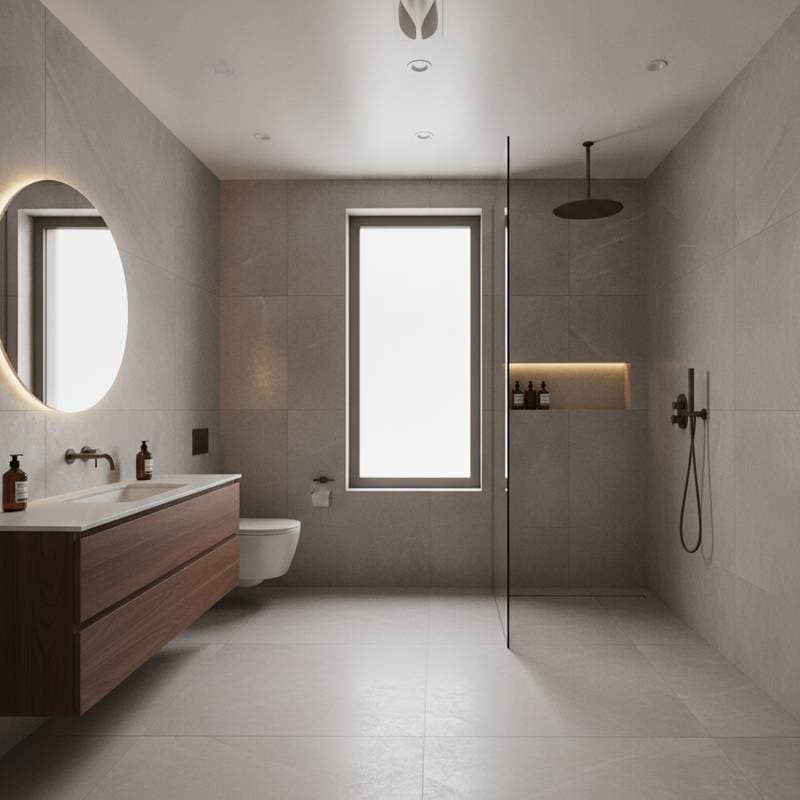
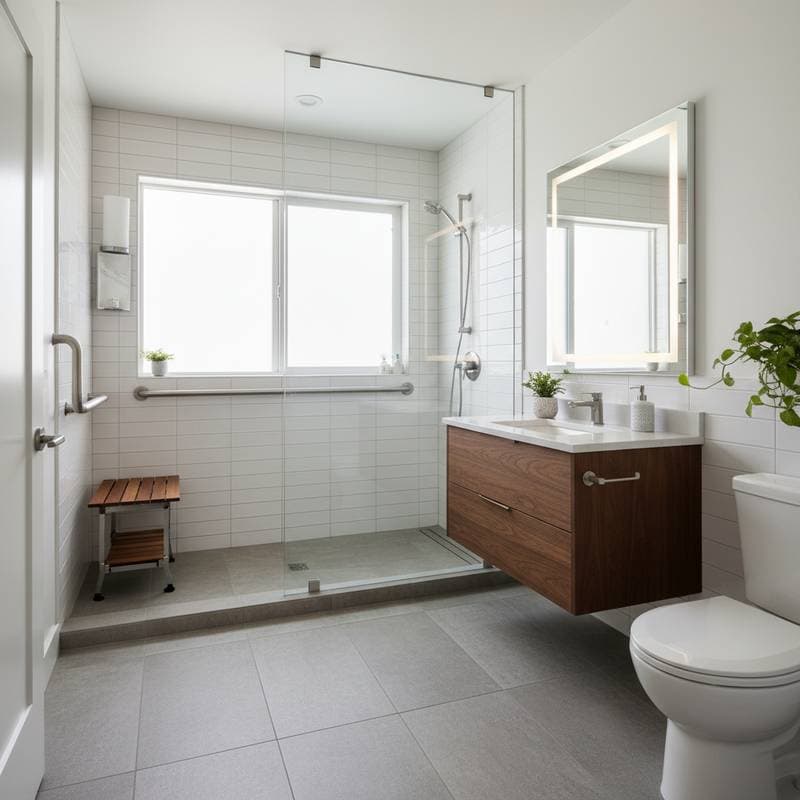
A step-free walk-in shower facilitates safe entry. Incorporate a linear or trench drain to contain water effectively. Select matching tiles for a cohesive appearance. Include a fixed bench or folding seat to support seated use.
3. Select Accessible Tub Alternatives
For bathing preferences, choose a walk-in tub featuring a wide entry door and rapid-draining mechanism. These models suit individuals with mobility or balance limitations.
4. Elevate Toilet Height for Ease
Opt for a comfort-height toilet, approximately two inches above standard models. This adjustment simplifies sitting and standing. Position grab bars adjacent to the toilet for added support.
5. Enhance Lighting for Better Visibility
Layer illumination with overhead fixtures, task lighting at vanities, and motion-activated options. Select bulbs that provide uniform, bright illumination. Employ matte surfaces to minimize glare.
6. Secure Grab Bars and Rails
Place grab bars near showers, tubs, and toilets. Choose options with textured grips and corrosion-resistant coatings. Anchor them firmly into wall studs or reinforced backing, avoiding reliance on surface drywall.
7. Select Slip-Resistant Flooring
Choose materials with a coefficient of friction rating of 0.42 or greater. Suitable selections include textured porcelain tiles, resilient vinyl planks, or rubber surfaces. Steer clear of loose rugs that shift or create tripping hazards.
8. Update Faucets and Controls
Lever handles outperform traditional knobs for effortless operation. Touchless faucets minimize physical effort and promote hygiene. Integrate anti-scald valves in showers to regulate temperature and prevent injury.
9. Boost Ventilation Efficiency
Equip the space with a low-noise exhaust fan. This setup controls moisture levels and inhibits mold growth. Advanced units with humidity sensors activate automatically as needed.
10. Anticipate Future Modifications
Incorporate wall reinforcements during initial work for potential grab bars or seats. Pre-wire for expanded lighting or automated systems. Such foresight reduces expenses in subsequent updates.
Cost Considerations
Costs fluctuate by location, yet national averages provide reliable estimates. The following table outlines common ranges for key tasks.
| Task | Typical Cost | Key Price Factors |
|---|---|---|
| Curbless shower conversion | $5,000 - $10,000 | Tile selection, plumbing adjustments, drain configuration |
| Walk-in tub installation | $6,000 - $12,000 | Model quality, electrical integration, structural repairs |
| Comfort-height toilet | $250 - $800 | Manufacturer, plumbing modifications, subfloor alterations |
| Grab bars and rails | $150 - $400 each | Reinforcement needs, material finish, installation expertise |
| Slip-resistant flooring | $3,000 - $6,000 | Material type, demolition requirements, pattern intricacy |
| Lighting and electrical upgrades | $800 - $2,000 | Fixture choices, wiring pathways |
| Complete accessible remodel | $15,000 - $35,000+ | Room dimensions, material grades, regional labor rates |
Factors elevating expenses include relocating plumbing or selecting premium finishes. Bundling multiple upgrades often trims overall costs by sharing labor and setup.
To economize, preserve the existing footprint when feasible. Prefabricated shower pans offer alternatives to bespoke tiling. Homeowners with appropriate skills may handle grab bar or lighting installations independently.
Project Timeline
Minor retrofits typically span one to two weeks. Extensive remodels require three to five weeks, encompassing demolition through final touches. Variables influencing duration encompass:
- Delays for custom orders or specialized materials
- Adjustments to plumbing or electrical systems
- Processing of permits and conducting inspections
- Curing periods for sealants, waterproofing, and grout
Coordinate with contractors to phase work if preserving bathroom access proves essential.
DIY Versus Professional Installation
Suitable for DIY
- Fixture swaps, such as grab bars or faucets
- Projects demanding only foundational plumbing or woodworking knowledge
- Compliance with local regulations for straightforward enhancements
Best for Professionals
- Structural alterations involving wall removal, drain relocation, or circuit modifications
- Applications requiring precise waterproofing, tiling, or load-bearing installations
- Assurance of product and workmanship warranties
Professionals excel in engineering shower gradients, applying impermeable barriers, and adhering to accessibility standards. They manage permitting and oversight efficiently. Unpermitted major alterations risk invalidating insurance coverage or diminishing resale potential. Consult local authorities to determine requirements.
Essential Tools and Materials
Prepare these items for an aging-in-place project:
- Drill and stud locator for securing supports
- Level and tape measure for precise alignment
- Tile cutting tools
- Caulking applicator with moisture-resistant sealants
- Non-slip surface materials
- Elevated toilet or adaptive seating
- Compliant grab bars
- Lever-operated faucets
- Energy-efficient LED lights
- Sensor-equipped exhaust fans
- Moisture-barrier boards and adhesive mortar
Stock all components prior to beginning demolition to avoid interruptions.
Adaptations by Region and Climate
In colder climates, radiant floor heating mitigates condensation-related slips. Humid environments benefit from antimicrobial coatings and robust airflow systems. Coastal settings demand saltwater-resistant hardware for durability. Areas with elevated groundwater necessitate thorough subfloor sealing. Verify municipal codes, as some locales mandate approvals for drainage alterations or water-proximate electrical work.
Key Safety and Accessibility Practices
Mock grab bar positions with temporary tape to evaluate usability. Verify shower temperatures do not exceed 120 degrees Fahrenheit via thermostatic controls. Distribute lighting uniformly to eliminate deceptive shadows. Employ color contrasts at boundaries for enhanced spatial awareness. Favor matte finishes over polished surfaces to curb slickness. Incorporate adjustable handheld showerheads on rails for versatile application and maintenance.
Indicators for Professional Intervention
Engage experts upon observing:
- Water seepage beneath tubs or enclosures
- Yielding subfloors
- Evidence of mildew or damp smells
- Fractured tiles adjacent to wet areas
- Unstable illumination or frequent circuit interruptions
Such signs often indicate underlying plumbing, structural, or wiring concerns demanding certified resolution.
Enhancing Property Value Through Accessibility
Aging-in-place principles expand usability while preserving elegance. Prospective buyers value bathrooms that convey spaciousness, illumination, and security. Elements like broadened doorways, ergonomic controls, and barrier-free entries accommodate diverse needs.
Market analyses indicate that accessible bathrooms accelerate sales. They appeal to intergenerational households and proactive purchasers. Proactive installations avert future expenses for owners or successors.
A 15% return on investment aligns with effective remodels blending visual appeal and utility. Returns vary by local demand and execution quality, yet universally designed homes consistently surpass comparable properties.
Integrating Aesthetics with Utility
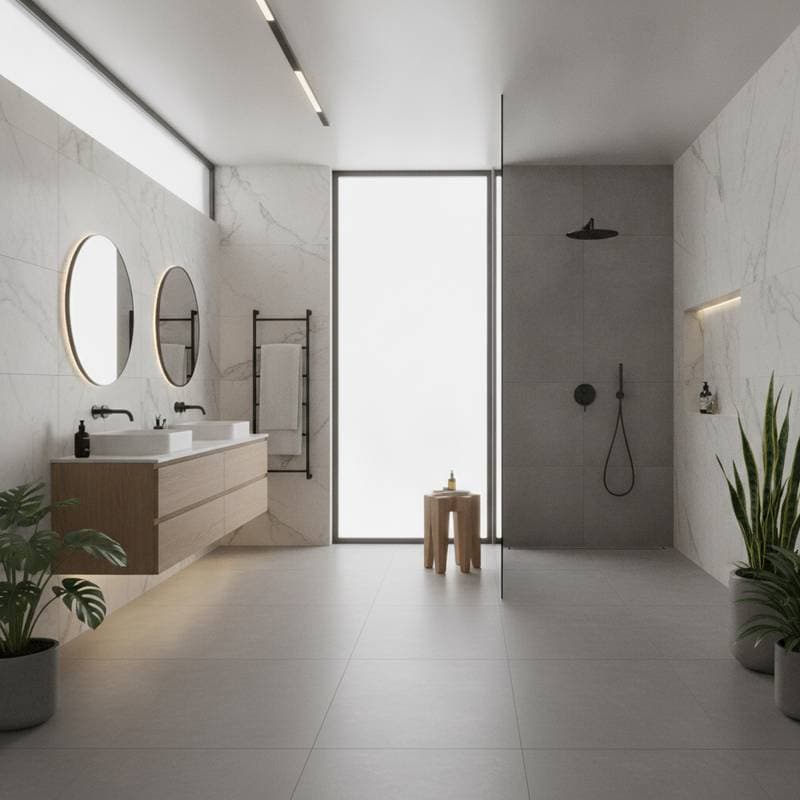
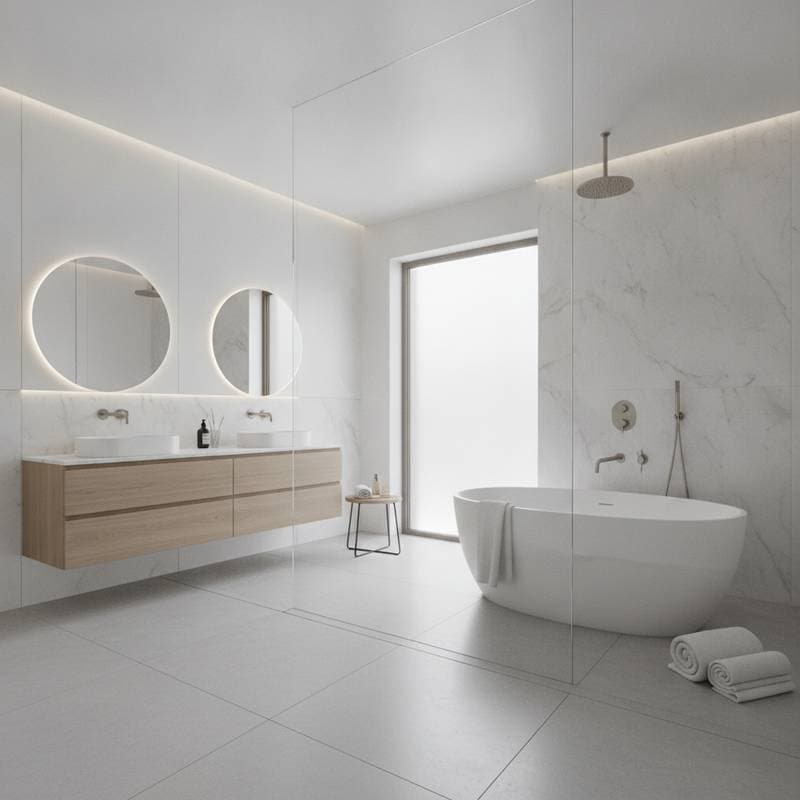
Accessibility integrates seamlessly with contemporary style through streamlined profiles, neutral palettes, and understated accents. Brushed metal supports harmonize with hardware, while seamless flooring extends into shower zones. These choices evoke relaxation rather than institutional sterility.
Incorporate varied surfaces and ambient glow for dimension. Design vanities with knee space for approachability, yet integrated aesthetics. Large reflective surfaces paired with diffused lighting foster usability and serenity.
Executing Your Upgrade
Define objectives early, whether extending residency, elevating market worth, or achieving both. These priorities guide budgeting and extent.
In compact spaces, prioritize unobstructed areas, illumination, and traction. Larger rooms accommodate comprehensive features like entry-level showers and refreshed surfaces. Seamless fusion of accessibility and design maximizes returns.
Collaborate with certified specialists experienced in universal design. Review portfolios and secure itemized proposals delineating supplies from workmanship. This transparency enables scope refinements while tracking expenditures.
Upon completion, the result is a secure, intuitive, and appreciating asset. Such transformations yield immediate ease and enduring fiscal advantages, justifying the investment.
Frequently Asked Questions
What does an aging-in-place bathroom remodel typically cost? Full projects range from $15,000 to $35,000, influenced by configuration and selections.