Why Moody Interiors Rule 2026 Home Trends
Typical cost to shift your space toward a moody interior: $2,500 to $8,000 for a full-room transformation.
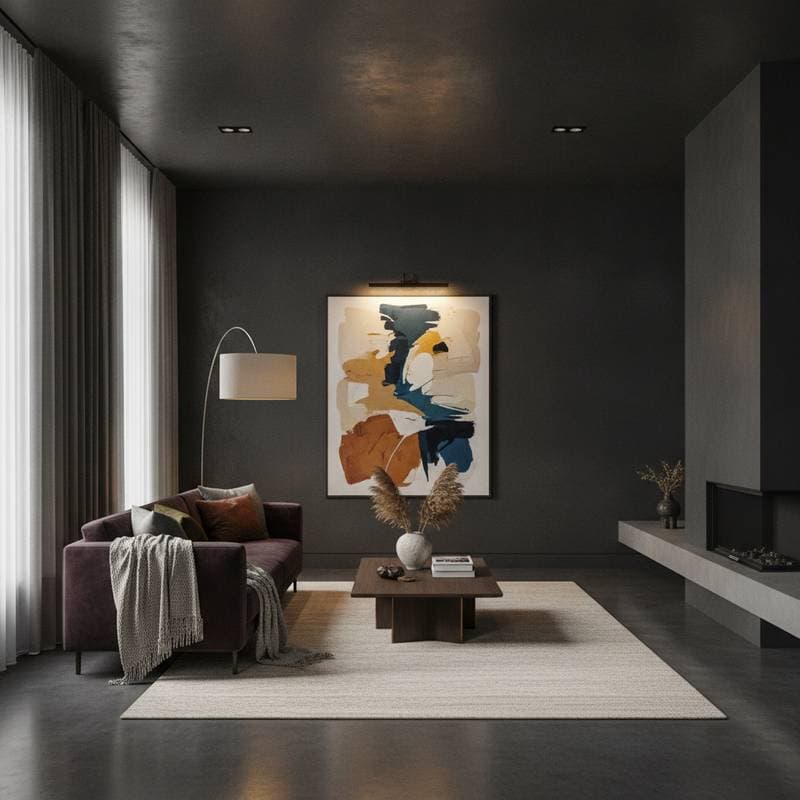
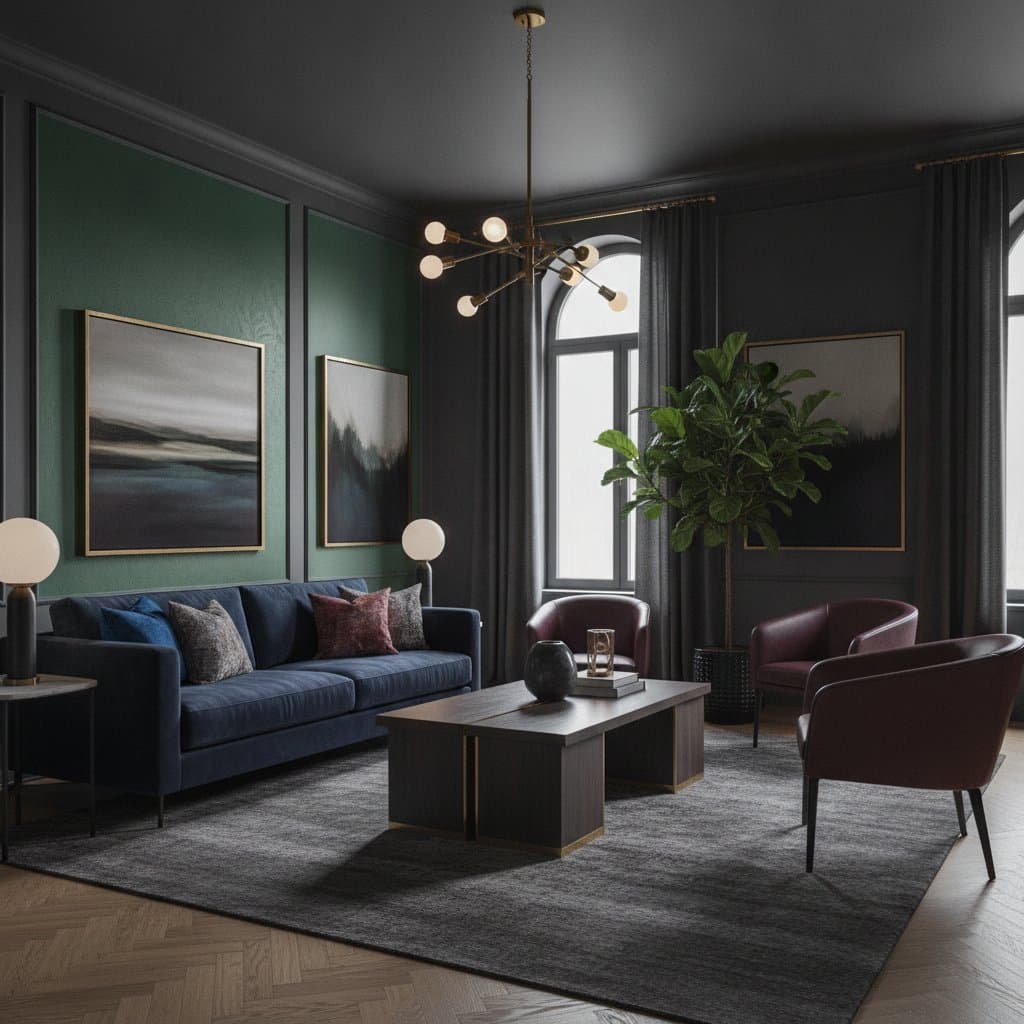
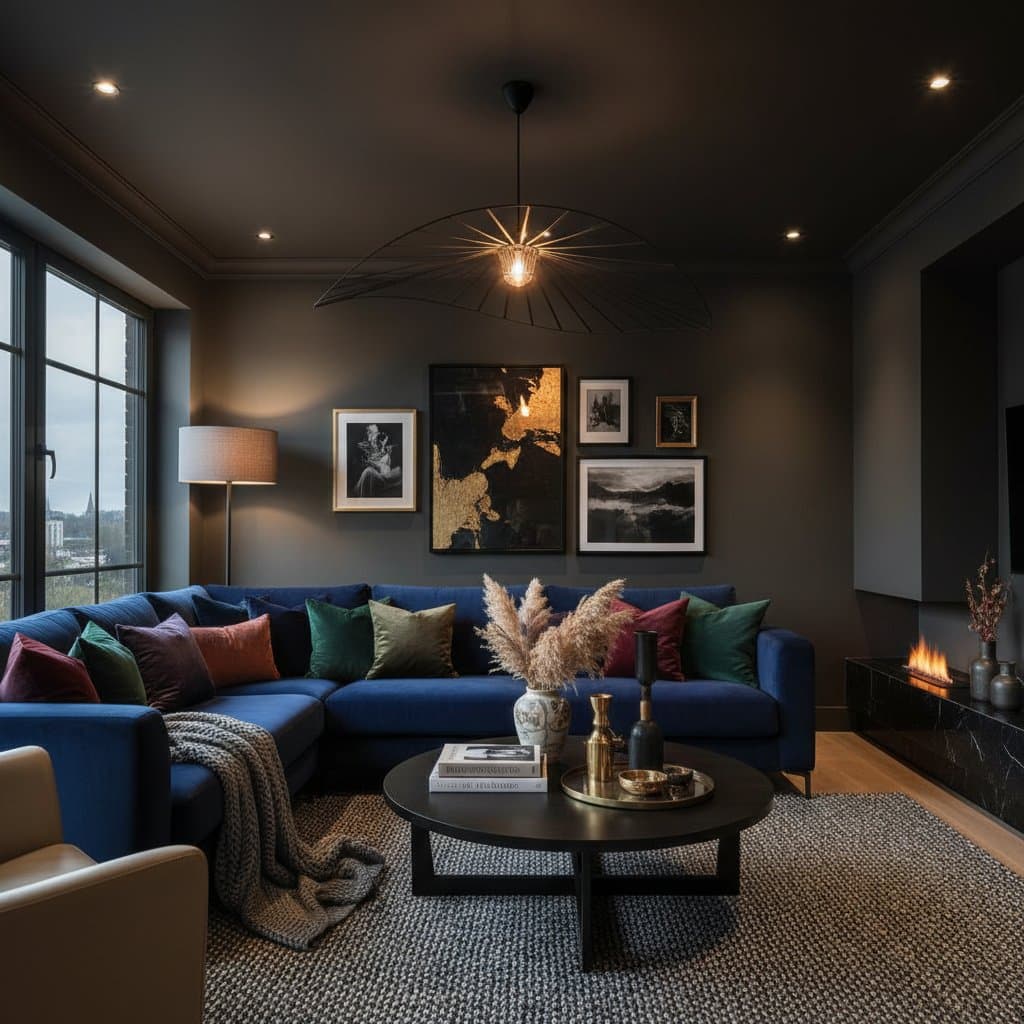
Dark, layered interiors are taking over modern homes. Rich paint colors, deep textures, and low-sheen finishes are replacing bright minimalism. Homeowners seek calm, character, and comfort that feels personal rather than suited for showrooms.
Cost Factors
Several factors determine the investment required for a moody interior.
1. Paint and Finish
- High-quality matte or eggshell paints cost $40 to $90 per gallon.
- Deep pigments require extra coats, so allocate 25 percent more paint than for a light color.
- Specialty finishes such as Venetian plaster or limewash add $8 to $12 per square foot.
2. Lighting
- Upgrading fixtures or dimmers costs $150 to $600 per light when installed.
- Layered lighting reduces glare and maintains an inviting atmosphere in dark rooms.
3. Furniture and Textiles
- Reupholstering existing pieces in rich tones costs $400 to $900 per item.
- New accent textiles, including velvet curtains or wool rugs, range from $300 to $1,200 per set.
4. Labor and Design
- Hiring a color consultant or interior designer begins at $75 per hour and helps avoid wasted paint or decor purchases.
- Professional painters charge $3 to $6 per square foot, which includes preparation and cleanup.
5. Add-ons and Contingency
- Budget 10 to 15 percent extra for trim repair, outlet updates, or wall preparation.
- Removing existing wallpaper or texture adds $500 to $1,000 per room.
Options and Steps
1. Basic Refresh (Under $3,000)
- Repaint walls in one rich shade such as charcoal, aubergine, or navy.
- Replace harsh white bulbs with 2700K warm LEDs.
- Add one statement textile, for example, a velvet throw or heavy curtain.
- Use existing furniture but exchange light accessories for darker ceramics or glass.
2. Midrange Upgrade ($3,000 to $6,000)
- Incorporate accent wall treatments like plaster, paneling, or beadboard.
- Install dimmable sconces or floor lamps to create layered light.
- Refinish or paint furniture in complementary tones.
- Include artwork with deep backdrops or metallic frames to provide contrast.
3. Premium Transformation ($6,000 to $12,000)
- Redesign the lighting layout with recessed fixtures and smart dimmers.
- Replace flooring with dark-stained wood or stone-look tile.
- Add custom built-ins that integrate lighting.
- Engage a designer to coordinate finishes and maintain balance between dark and light elements.
Timing and Savings
Projects typically require 2 to 4 weeks from start to finish. Paint curing and fixture delivery account for most delays.
Smart timing tips:
- Schedule interior painting during cooler months to achieve faster drying and avoid insects.
- Purchase paint during seasonal promotions to save 10 to 20 percent.
- Order light fixtures early to account for common shipping delays.
- Combine multiple rooms in one project to lower painter travel costs.
Rebates and incentives:
Energy-efficient LED lighting and smart dimmer systems qualify for small utility rebates in many areas. Verify local programs prior to purchase.
Common Mistakes to Avoid
1. Insufficient Lighting
Deep tones can make a space feel confined if lighting is inadequate. Incorporate three layers of light: overhead, task, and ambient.
2. Overlooking Undertones
A navy with green undertones may clash with warm woods. Test samples on multiple walls before final selection.
3. Neglecting Surface Preparation
Dark paint highlights every imperfection. Fill holes, sand rough areas, and apply tinted primer to avoid uneven coverage.
4. Excessive Dark Accessories
An overload of dark elements can overwhelm a room. Maintain 30 percent of visible surfaces in lighter tones for equilibrium.
5. Disregarding Temperature Effects
Dark paints absorb heat. In sun-exposed rooms, install insulating curtains to mitigate overheating.
Material Choices by Level
| Level | Paint Type | Lighting | Fabric | Notes |
|---|---|---|---|---|
| Good | Latex matte, $40 per gallon | Standard LED bulbs | Cotton or polyester blend | Budget-friendly with simple upkeep |
| Better | Acrylic eggshell, $65 per gallon | Dimmable LEDs | Velvet or linen blend | Strong color depth and easy cleaning |
| Best | Mineral or limewash, $90+ per gallon | Smart dimmable fixtures | Wool, silk, or mohair | Rich texture, long life, premium look |
Long-Term Value
Moody interiors enhance resale value by appealing to buyers who desire warmth and personality. Although bright minimalism once characterized modern design, deeper tones now convey refinement and timelessness.
Energy expenses may decrease modestly because dark walls absorb heat and minimize glare, permitting lower lamp wattage. Pairing these with smart lighting amplifies savings over time.
Steps to Create Your Moody Space
- Select your palette. Choose three dark colors that appeal to you. Apply sample pots and evaluate them under morning and evening light.
- Map out lighting. Identify locations for task, accent, and ambient light. Select bulbs with consistent color temperature.
- Establish budget and timeline. Compile a list of materials, include a 15 percent contingency, and plan for cooler months.
- Prepare the area. Relocate furniture, protect floors, and use protective gear.
- Apply paint or engage professionals. If confident, begin with one wall. Otherwise, hire experts for even coverage and precise edges.
- Incorporate styling elements gradually. Introduce dark textiles, artwork, and finishes incrementally. Pause frequently to assess balance and comfort.
Moody interiors emphasize depth, serenity, and genuineness rather than dimness. Through careful integration of color, light, and texture, a home achieves boldness alongside tranquility. This approach suits transformations of a single room or the entire residence, provided one invests time in thoughtful execution.