Heat Pumps and Home Value
A heat pump provides both heating and cooling through a single system while consuming less energy than many older furnaces and air conditioners. Homeowners considering an energy-efficient upgrade often find that these systems improve comfort and attract buyers, though the actual value depends on the home, climate, equipment quality, and installation standards.
Heat pumps move heat rather than generate it directly. In cooling mode, they function similarly to air conditioners. In heating mode, they extract heat from outdoor air or the ground and transfer it indoors. This approach works well for homes replacing aging heating and cooling equipment, particularly in climates where the system can operate efficiently.
Heat Pump Installation Cost
Installation costs across the United States typically range from $4,000 to $20,000. A standard ducted air-source system for an average home usually falls between $7,000 and $14,000, including both equipment and labor. Ductless systems may cost less for single-zone applications, while ground-source systems and extensive ductwork modifications can exceed $25,000.
These figures serve as planning ranges rather than local quotes. Actual costs depend on home size, equipment capacity, electrical service requirements, and the work needed to integrate the system.
Cost Factors
- System type: Ductless mini-splits, ducted air-source systems, and ground-source heat pumps carry different equipment and labor costs.
- Home size and layout: Larger homes or buildings with separate temperature zones require greater capacity or additional indoor units.
- Existing ducts: Leaky, undersized, or damaged ducts may need sealing, repair, or replacement.
- Electrical work: Panel upgrades, new circuits, or wiring modifications can increase expenses.
- Climate and equipment: Cold-climate models and higher-efficiency equipment often cost more initially.
Request contractors to itemize equipment, labor, electrical work, duct modifications, permits, and warranty coverage separately. This approach simplifies comparison of competing bids.
Advantages and Limitations
Advantages
- Combined heating and cooling: One system can replace both a furnace and central air conditioner in many homes.
- Energy efficiency potential: Efficient models may consume less electricity than electric resistance heating and reduce heating costs compared to some older systems.
- Resale appeal: Buyers may value newer mechanical equipment and documented energy improvements.
- Zoning flexibility: Ductless units can heat or cool specific rooms without extending ductwork.
- No onsite fuel combustion: Electric heat pumps eliminate gas or oil burning inside the home.
Limitations
-
Higher initial investment: Installation costs may exceed those of replacing individual components in an existing system.
-
Proper sizing importance: Oversized or undersized units can waste energy and compromise comfort.
-
Infrastructure modifications: Existing electrical or duct systems may not accommodate new equipment.
-
Outdoor unit considerations: The outdoor component requires clearance and stable mounting space.
Heat Pump System Types
- Ducted air-source: Uses outdoor air and existing ducts. This type suits homes with serviceable central ductwork.
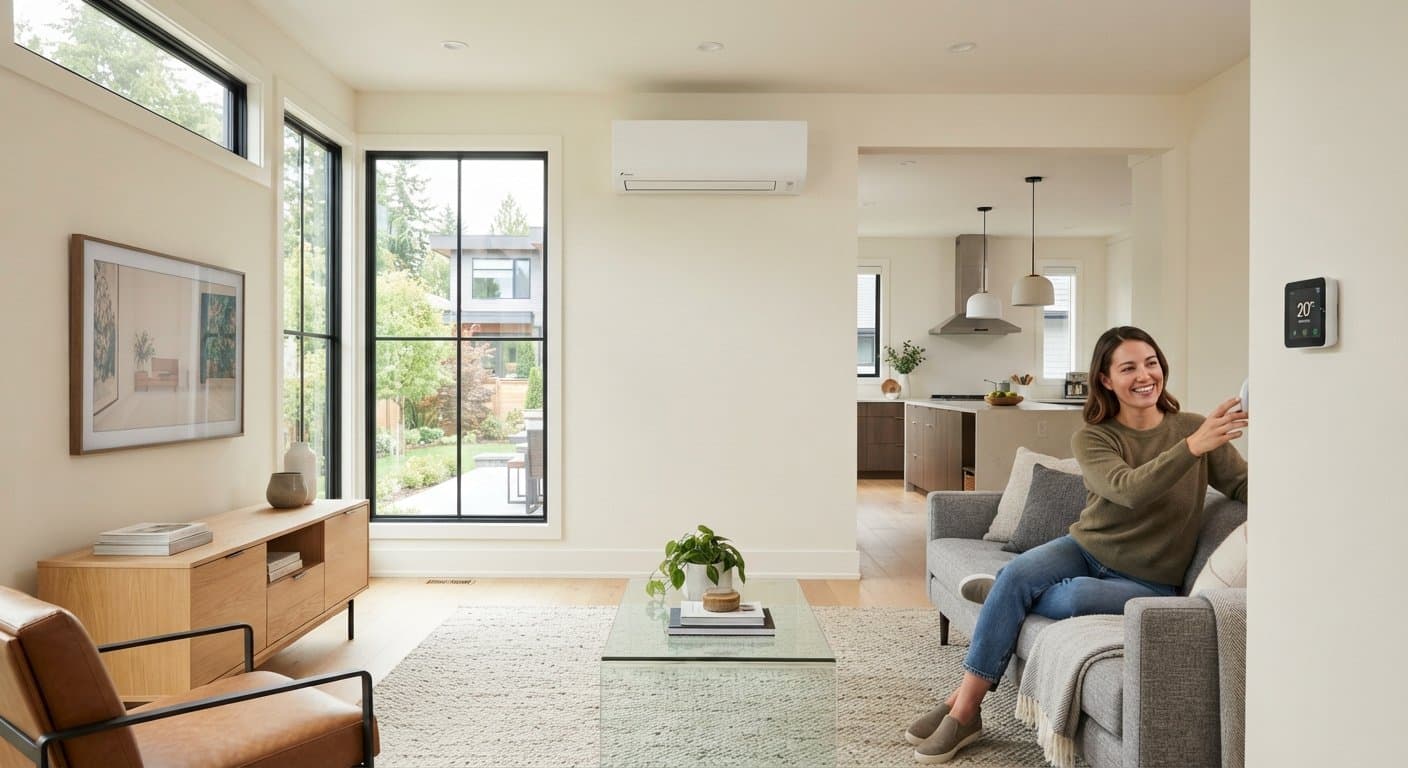
- Ductless mini-split: Connects an outdoor unit to one or more indoor heads. It works well for additions, room-by-room zoning, or homes without ducts.
- Cold-climate air-source: Designed to maintain heating output at lower outdoor temperatures. Review manufacturer performance data for local winter conditions.
- Ground-source: Uses underground loops to exchange heat. This system can operate efficiently, though drilling or trenching increases installation costs and requires suitable land.
Contractors should calculate the home's heating and cooling load rather than select equipment based on floor area alone. Load calculations account for insulation, windows, air leakage, and local weather patterns.
Professional Installation Requirements
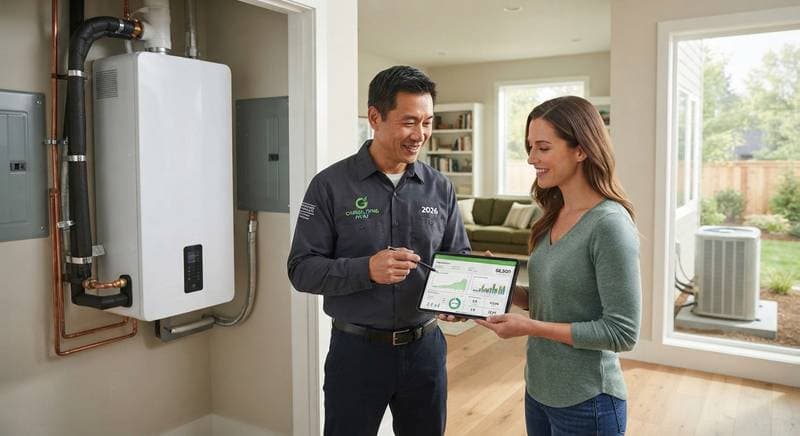
Most homeowners should hire licensed HVAC contractors for heat pump installation. The work involves refrigerant lines, electrical connections, drainage systems, system commissioning, and often permits. Refrigerant handling requires appropriate credentials, and errors can reduce performance or damage equipment.
Simple ductless installations typically require one to two days. Ducted replacements often take one to three days, with extended timelines for duct repairs, electrical upgrades, or ground loop installation. Homeowners can prepare by clearing access and moving stored items, but should not open refrigerant lines or wire the system.
Select contractors who perform load calculations, assess duct condition, explain backup heat options, and provide written commissioning details. Ask how the team will verify airflow and refrigerant charge after installation.
Installation Process
- Home inspection: Review insulation, ducts, electrical capacity, drainage, and outdoor unit placement.
- Load calculation: Size equipment for the specific home and climate rather than matching the old unit's capacity.
- Permit verification: Confirm local permit and inspection requirements with the contractor.
- Site preparation: Protect floors, clear access, and ensure adequate clearance for the outdoor unit.
- Equipment installation: Connect indoor and outdoor components, ducts or refrigerant lines, wiring, and drainage.
- System testing: Verify airflow, controls, refrigerant charge, and both heating and cooling operation.
- Documentation review: Obtain manuals, warranty documents, filter instructions, and control demonstrations.
Maintenance and Longevity
Air-source heat pumps typically last 12 to 20 years, depending on equipment quality, usage patterns, climate conditions, and maintenance practices. Neglected systems may lose efficiency or fail prematurely.
- Check or clean filters every one to three months according to manufacturer instructions.
- Keep leaves, snow, and stored items away from the outdoor unit.
- Schedule professional service annually. Technicians should inspect coils, electrical connections, drainage, and overall system operation.
- Monitor for unusual noise, weak airflow, frequent cycling, persistent ice, or sudden energy consumption increases.
Warranty terms vary by manufacturer and installer. Register equipment when required and maintain installation and service records. Local codes may specify permit requirements, approved electrical work, or equipment placement standards.
Climate, Codes, and Financial Incentives
Climate influences equipment selection and operating costs. In colder regions, compare cold-climate performance specifications and determine whether backup heat is necessary. In humid areas, verify the system can manage indoor moisture effectively. Coastal homes may require corrosion-resistant components and regular outdoor unit cleaning.
Labor rates, permit fees, utility prices, and contractor availability differ by region. Some utilities and government programs offer rebates or financing for qualifying heat pumps. Program details change frequently, so verify current eligibility, equipment requirements, and application procedures with the utility or relevant agency before signing contracts.
Resale Value Considerations
Heat pumps do not guarantee specific increases in sale price. Resale value depends on buyer expectations, local energy costs, existing system condition, and installation quality. The primary benefit often involves providing buyers with newer, documented heating and cooling equipment that does not require immediate replacement.
Maintain invoices, equipment specifications, permit records, warranty details, and service receipts. These documents help buyers and appraisers understand the installation. Avoid claiming guaranteed cost savings, as actual savings depend on previous equipment, electricity and fuel rates, thermostat settings, and home insulation quality.
Alternative Options
- High-efficiency furnace and air conditioner: Suitable for homes with gas service and functional ducts, though this maintains separate heating and cooling equipment.
- Ductless air conditioner with existing heat: Improves cooling in selected rooms but does not replace the main heating system.
- Weatherization improvements: Air sealing and insulation reduce heating and cooling demand before equipment replacement.
Safety Guidelines and Next Steps
Do not handle refrigerant, modify gas piping, or work on live electrical circuits. Maintain required clearances around the outdoor unit and avoid blocking condensate drains. Structural changes, new circuits, and equipment replacement may require permits or inspection. Confirm permit responsibility in the written proposal.
Obtain three itemized bids from licensed local contractors. Compare load calculations, equipment performance specifications, electrical and duct work requirements, permit handling, and warranty terms. Review local permit rules and available utility incentives before selecting a system.