Heat Pumps: A Smart Upgrade for Home Value
A heat pump can make a home more comfortable, reduce heating and cooling energy use, and appeal to buyers who value efficient systems. Installation commonly costs $6,000 to $18,000 nationally, depending on equipment and home conditions. The best value comes from a correctly sized system, quality installation, and lower operating costs that suit your climate.
How a Heat Pump Can Add Home Value
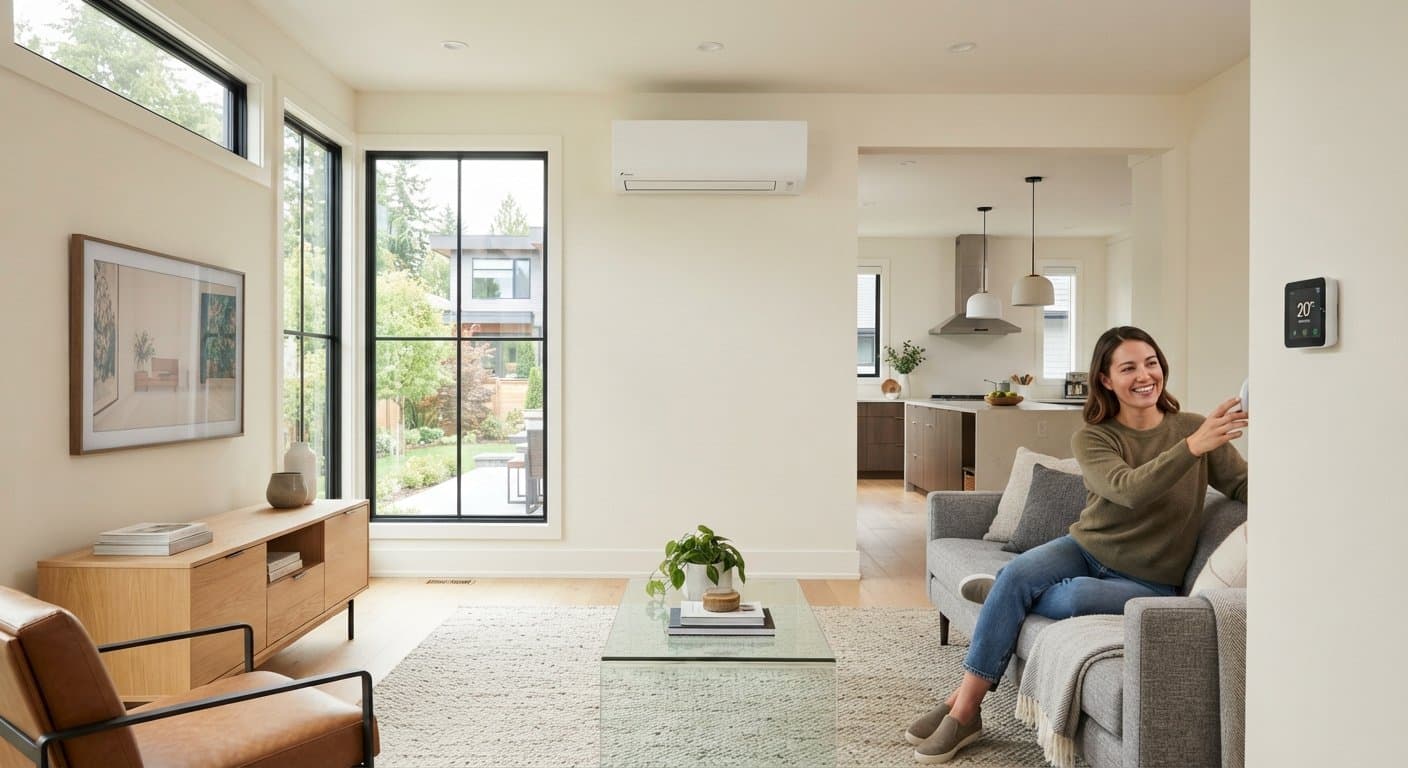
A heat pump moves heat instead of generating it by burning fuel or relying on electric resistance. In summer, it works like an air conditioner. In cooler weather, it draws heat from outdoor air and moves it inside. Some homes use ground source systems, which exchange heat with the ground.
For a buyer, the practical benefits matter: one system can provide heating and cooling, and an efficient model may lower utility bills. A heat pump can also replace aging equipment, improve comfort, and reduce dependence on gas or oil.
That does not guarantee a specific increase in resale price. Home value depends on local buyer preferences, energy costs, system condition, and comparable sales. Keep installation records, equipment specifications, warranties, and recent service invoices to help buyers assess the upgrade.
Heat Pump Installation Steps
- Review your current system. Record its age, fuel type, repair history, and recent utility bills. Note rooms that feel too hot or cold.
- Get a home assessment. Ask a qualified contractor to inspect insulation, air leaks, ductwork, electrical capacity, and equipment location.
- Compare written proposals. Request the proposed system size, efficiency ratings, scope of work, warranty terms, and estimated operating costs.
- Confirm permits and equipment. Ask who will obtain permits and whether the model fits your climate and home.
- Schedule installation and commissioning. The installer should test airflow, refrigerant charge, controls, and heating and cooling operation.
- Save the paperwork. Keep permits, inspection approvals, manuals, warranties, and maintenance records with your home documents.
A proposal should explain how the contractor sized the system. A simple rule of thumb based only on square footage can lead to oversized or undersized equipment. Proper sizing accounts for insulation, windows, air leakage, ceiling height, and local weather.
Heat Pump Costs and Installation Time
Prices vary by region and assume a typical residential project. Duct changes, electrical work, difficult access, and equipment type can raise the total. Ground source systems usually cost more because they require excavation or drilling.
| Task | Typical cost | Notes |
|---|---|---|
| Ducted air source heat pump | $6,000 to $15,000 | Existing ducts in usable condition |
| Ductless mini split | $3,000 to $10,000 | Cost depends on indoor unit count |
| Ground source heat pump | $15,000 to $35,000 or more | Drilling or trenching adds expense |
| Duct or electrical upgrades | $500 to $5,000 or more | Depends on the home and panel capacity |
| Maintenance visit | $100 to $300 | Price depends on service and location |
Many standard installations take one to three days. A ductless system may take longer if it needs several indoor units. Duct replacement, electrical upgrades, structural access, or permit inspections can extend the project.
Check current utility rebates, state programs, and tax rules before signing a contract. Incentives change, and eligibility often depends on equipment specifications, household details, or installation requirements. Ask the contractor and your utility for written confirmation.
Choosing Between a Heat Pump and Other Systems
| Your situation | Consider | Why |
|---|---|---|
| You need both heating and cooling | Air source heat pump | One system can serve both functions |
| Your home lacks ducts | Ductless mini split | It can heat and cool separate rooms without new ductwork |
| You have usable ducts and an aging furnace | Ducted heat pump | Existing ductwork may reduce installation work |
| Your property has suitable space and budget | Ground source system | Ground temperatures can support efficient operation |
| You face very cold winters | Cold climate heat pump or hybrid setup | The right design helps maintain comfort in low temperatures |
A heat pump is not automatically the best choice for every house. Compare the full installed cost and estimated annual energy use with a new furnace and air conditioner. Electricity rates, gas prices, insulation, and climate all affect the comparison.
DIY or Hire a Heat Pump Installer?
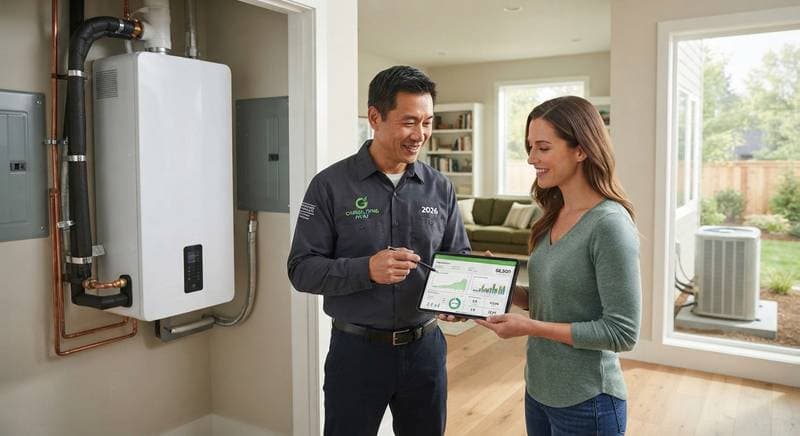
Leave system selection, refrigerant work, electrical connections, and commissioning to qualified professionals. Refrigerant handling requires appropriate certification, and electrical work may require a licensed electrician. Incorrect sizing or setup can reduce comfort, efficiency, and equipment life.
You can handle basic preparation:
- Clear access to indoor and outdoor equipment locations.
- Photograph existing equipment labels and duct connections.
- Gather utility bills and note recurring comfort problems.
- Ask your local building department which permits and inspections apply.
Do not bypass permit requirements. Rules differ by city and county. A replacement may need a mechanical permit, an electrical permit, or both. Permit records can also help document compliant work for a future sale.
What to Check Before Installation
Ask each contractor these questions:
- What sizing method will you use, and can I see the load calculation?
- Will you inspect and test the existing ducts?
- What heating capacity can this model deliver at low outdoor temperatures?
- Are electrical upgrades, a thermostat, condensate drainage, and permit fees included?
- Who handles inspections and registers the warranty?
Compare proposals line by line. A low bid may leave out duct sealing, panel work, disposal, or startup testing. Confirm that the installer will explain system controls and provide the model and serial numbers.
Climate and Maintenance Notes
Heat pump performance depends on the equipment, its installation, and your local weather. In cold regions, choose a model designed for low temperatures and ask how it handles defrost cycles. A backup heat source may make sense where prolonged cold snaps are common.
In hot, humid regions, correct sizing and airflow help control moisture. Coastal homes may need corrosion-resistant equipment or regular cleaning. In wildfire-prone areas, keep outdoor units clear of debris and follow local guidance on defensible space. Snowy areas need a stable, properly raised outdoor unit with room for drainage and airflow.
Replace or clean filters as directed, keep the outdoor coil clear, and schedule service according to the manufacturer instructions. Do not place plants or stored items where they block airflow.
When to Call a Pro
Call a licensed HVAC contractor if your system struggles to hold temperature, cycles on and off frequently, makes new grinding or buzzing sounds, or shows ice that does not clear during normal operation. Turn the system off and get help if you smell burning, see damaged wiring, or suspect a refrigerant leak.
A properly selected heat pump can support comfort, lower energy use, and strengthen a home appeal. Start with a home assessment, compare complete proposals, and verify permits and incentives before approving the work.
Heat Pump FAQs
Does a heat pump increase home value?
It can make a home more attractive to buyers, though any price effect depends on local sales, utility costs, and the system condition.
How much does heat pump installation cost?
Many air source systems cost $6,000 to $15,000 installed, while ductless, electrical, and ductwork needs can change the total.
How long does installation take?
A straightforward project often takes one to three days, with extra time for inspections, electrical work, or duct replacement.
Can a heat pump work in a cold climate?
Yes. Choose equipment rated for local winter conditions, and ask whether backup heat is appropriate for your home.