Understanding Wet Rooms in 2025 Bathroom Trends
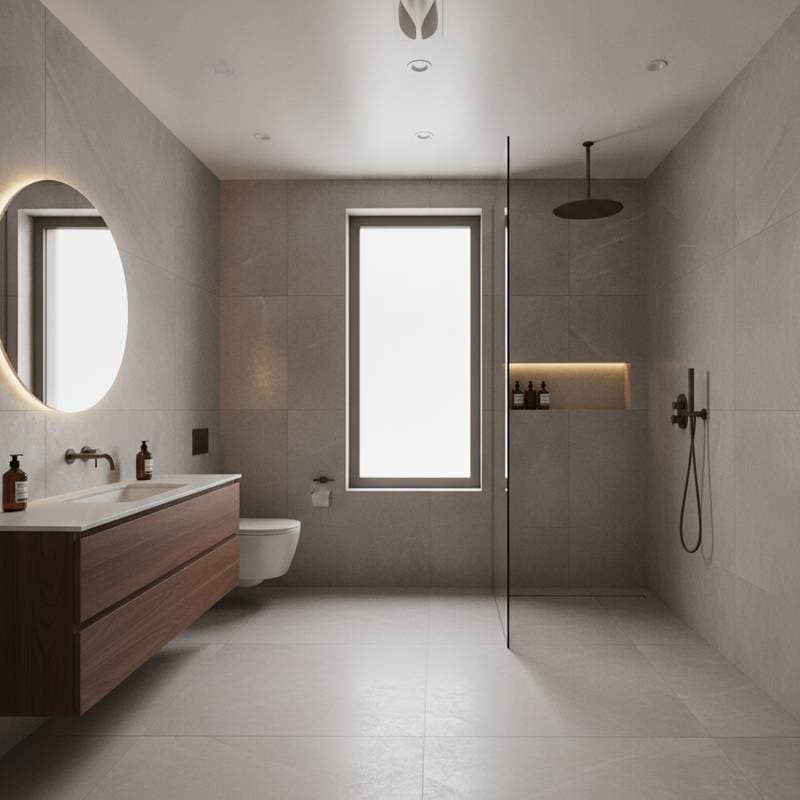
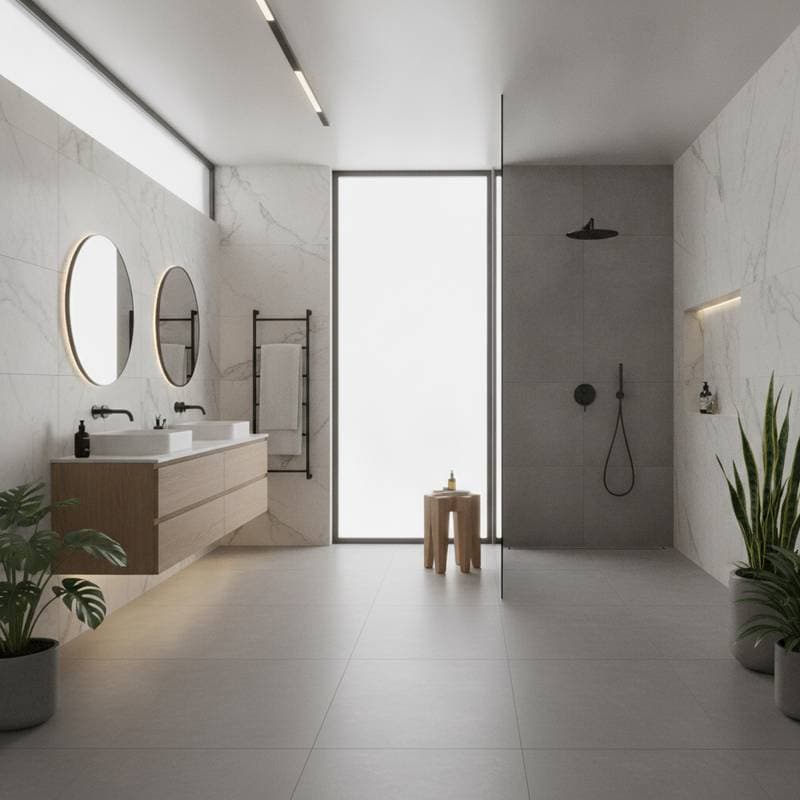
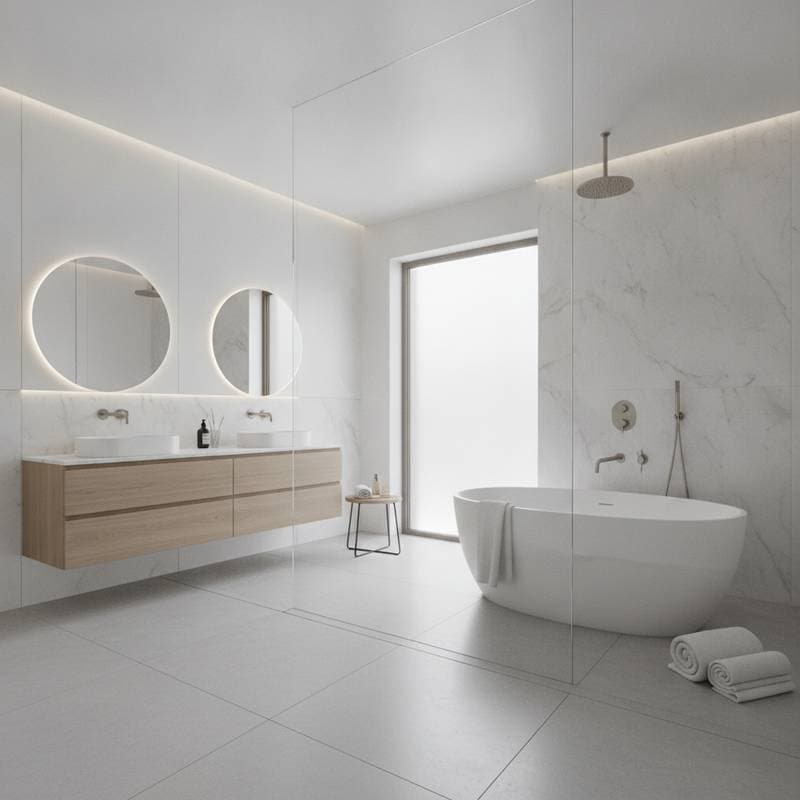
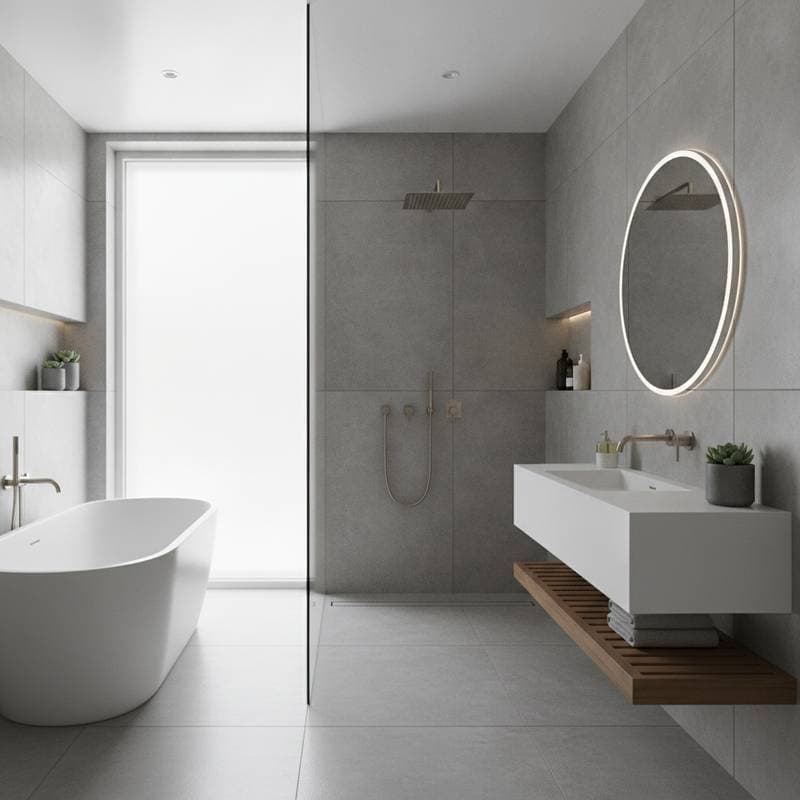
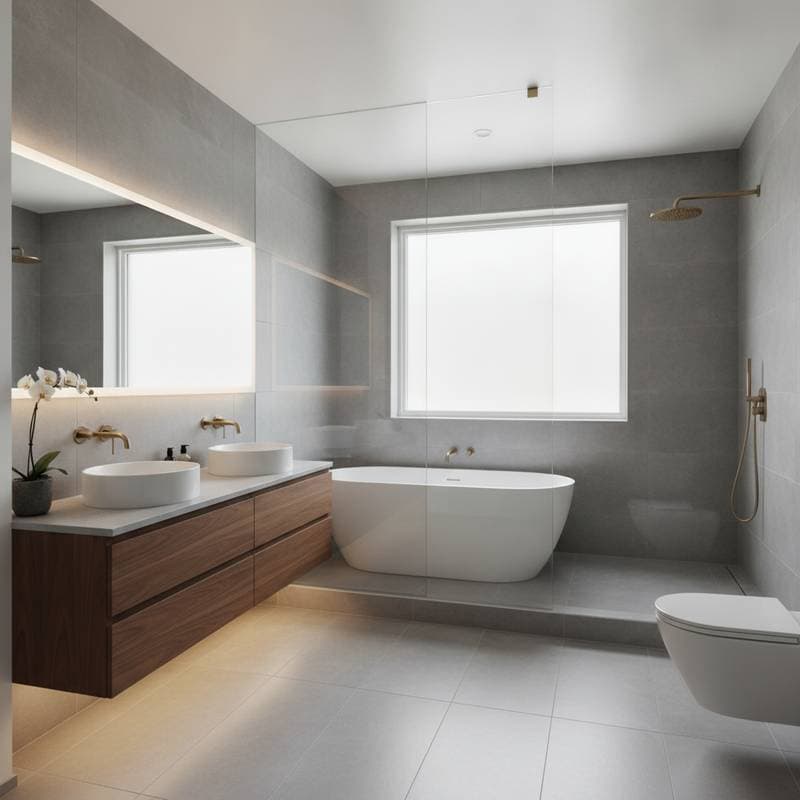
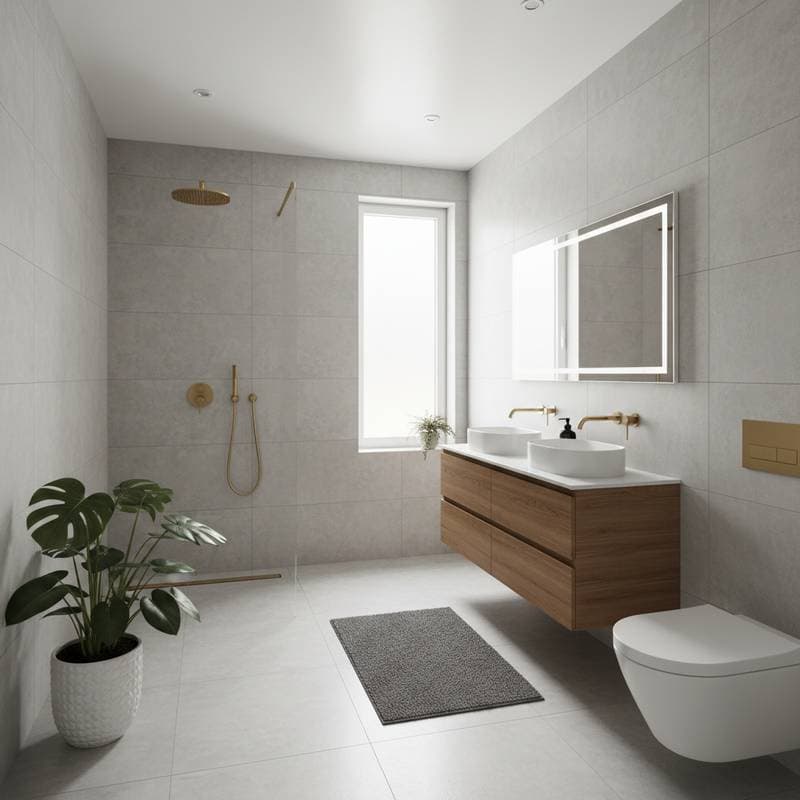
Wet rooms represent a shift toward minimalist and functional bathroom designs. These spaces integrate the shower area directly into the room without curbs or enclosures, creating an open, spa-like environment. In 2025, they gain popularity for their ability to replace outdated tubs, freeing up space and modernizing aesthetics.
Homeowners appreciate wet rooms for their versatility. They suit various lifestyles, from families seeking easy cleaning to aging-in-place residents needing barrier-free access. Real estate experts predict that installing a wet room can increase property value by up to 11%, particularly in urban markets where compact, efficient designs command premiums.
The appeal extends beyond style. Wet rooms promote water conservation through targeted low-flow systems and reduce slip hazards with proper flooring. As building codes evolve to emphasize sustainability, these features align with broader environmental goals.
Key Benefits of Switching to a Wet Room
One primary advantage lies in space optimization. Removing a tub often reclaims 20 to 30 square feet, allowing for larger vanities or additional storage. This reconfiguration enhances daily usability and broadens the bathroom's appeal during home sales.
Accessibility stands out as another benefit. Level-entry designs eliminate steps, making wet rooms ideal for wheelchair users or those with mobility challenges. Non-slip tiles and grab bars integrate seamlessly, supporting universal design principles without compromising elegance.
From a value perspective, the 11% boost stems from market demand. Appraisers note that updated bathrooms rank among top return-on-investment features. A well-executed wet room signals quality craftsmanship, potentially shortening time on the market by 15 to 20 days.
Durability further solidifies the choice. High-quality installations withstand daily use for 20 to 25 years, outlasting traditional setups prone to mold in tub surrounds.
Costs Associated with Wet Room Installation
Budgeting for a wet room requires accounting for several components. Base costs range from $12,000 to $18,000 for a standard 50-square-foot space, covering materials and labor. Factors like room size, material selections, and location influence the final figure.
Materials drive a significant portion of expenses. Waterproof membranes, such as liquid-applied systems or sheet products, cost $500 to $1,500. Custom glass panels or frameless enclosures add $1,000 to $3,000, while premium tiles range from $5 to $20 per square foot.
Labor varies by region and complexity. In high-cost areas, professional installation averages $8,000 to $12,000. DIY approaches can save 30 to 40%, but only experienced individuals should attempt them to avoid costly errors.
Hidden fees include permits, typically $200 to $500, and potential plumbing rerouting at $1,000 or more. Energy-efficient additions, like radiant floor heating, increase costs by $2,000 to $4,000 but enhance comfort.
Installation Process and Timeline
Installing a wet room demands precision to ensure functionality and longevity. The process begins with demolition, removing the existing tub and surrounding fixtures. This phase takes 2 to 3 days, followed by subfloor preparation to create a gentle slope toward the drain.
Waterproofing forms the core of installation. Apply a membrane over the sloped subfloor, extending it up walls by at least 6 inches. Linear drains integrate into the floor, tying into existing plumbing lines. Professionals test for leaks before proceeding.
Tiling follows, using large-format porcelain or natural stone for a seamless look. Electrical work accommodates features like underfloor heating or recessed lighting, requiring licensed electricians for code compliance.
The full timeline spans 3 to 5 weeks, accounting for material lead times and curing periods. Order tiles, drains, and waterproofing kits 4 to 6 weeks in advance to mitigate delays. Schedule during spring or early fall to benefit from lower humidity, which speeds grout and sealant drying.
When to Hire Professionals
Certain conditions necessitate expert involvement. An uneven subfloor demands leveling to achieve the required 1/4-inch slope per foot, preventing water pooling. Poor existing drainage may require pipe replacement to handle increased flow volumes.
Signs of hidden moisture, such as soft drywall or musty odors behind walls, signal potential mold issues. Remediation adds $1,000 to $3,000 but prevents future structural damage.
Complex plumbing tie-ins, especially in older homes, benefit from plumber oversight. Electrical upgrades for heated elements or smart lighting also require certified technicians to meet safety standards.
For DIY enthusiasts, simple retrofits in well-conditioned spaces work best. However, always consult local codes and consider hiring for waterproofing to safeguard against water damage claims, which average $5,000 in repairs.
Maximizing Savings and Incentives
Strategic planning reduces overall expenses. Opt for prefabricated drain kits at $300 to $600, which simplify installation. Low-flow showerheads and faucets qualify for rebates in many regions, offsetting $200 to $400.
Bulk purchasing through suppliers yields discounts on tiles and membranes. Energy Star-certified heating systems may access federal tax credits up to 30% of costs.
Timing installations during off-peak seasons lowers labor rates by 10 to 15%. Compare quotes from at least three contractors, ensuring bids detail waterproofing and warranties.
Ongoing Maintenance for Longevity
Wet rooms require minimal daily care due to their durable construction. Wipe surfaces with mild cleaners to prevent buildup, and ensure the exhaust fan runs during showers to control humidity.
Inspect grout lines annually for cracks, resealing every 2 to 3 years with silicone-based products. This maintains the waterproof barrier and extends tile life.
Monitor for early moisture signs around fixtures. Prompt attention to leaks preserves the 10- to 25-year lifespan of quality membranes. Certified installations often include 10-year warranties, covering defects if maintained properly.
Good habits, like using exhaust fans and mats, deter mildew growth. Annual professional inspections, costing $100 to $200, catch issues before they escalate.
Steps to Plan Your Wet Room Upgrade
Start by measuring the bathroom dimensions and mapping drain positions. Sketch a layout to visualize the open space and identify plumbing adjustments.
- Gather quotes from licensed contractors, specifying full waterproofing and slope details.
- Select slip-resistant flooring with a coefficient of friction above 0.6 for safety.
- Verify the slope design achieves proper drainage, typically 1/8 to 1/4 inch per foot.
- Time the project for dry seasons to optimize curing.
- Retain all documentation, including warranties and receipts, to support future resale claims.
Realizing Lasting Value from Your Investment
A thoughtfully designed wet room elevates daily routines while positioning your home for market success. It combines aesthetic refinement with practical durability, delivering returns through enhanced livability and appeal. With careful execution, this upgrade becomes a cornerstone of modern home improvement, benefiting owners for generations.