Wet Rooms Drive 15% ROI in 2025 Bathroom Trends
Expect a 15% increase in resale value, with midrange project costs ranging from $18,000 to $28,000.
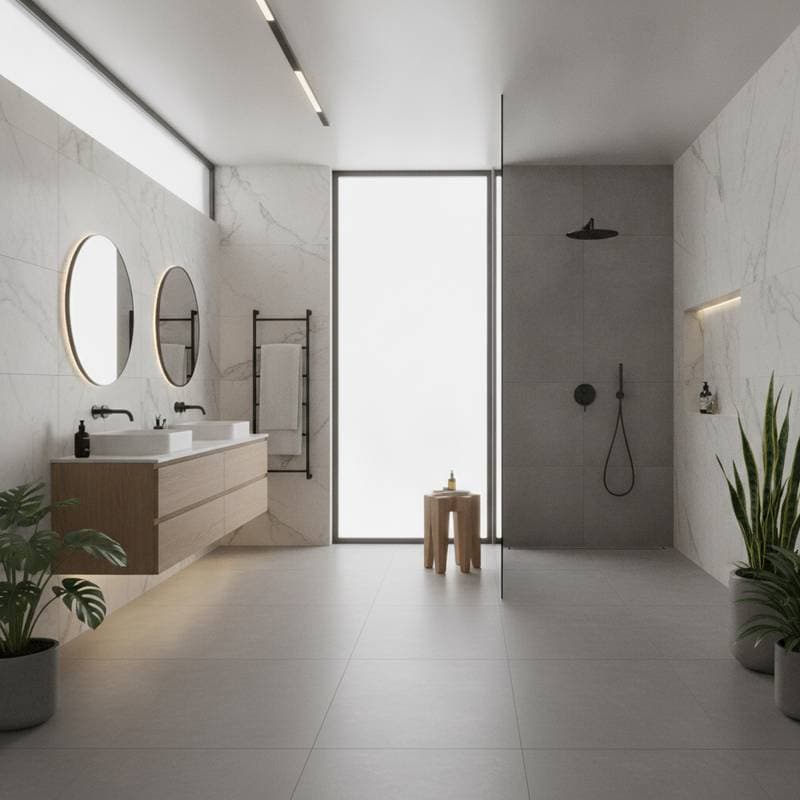
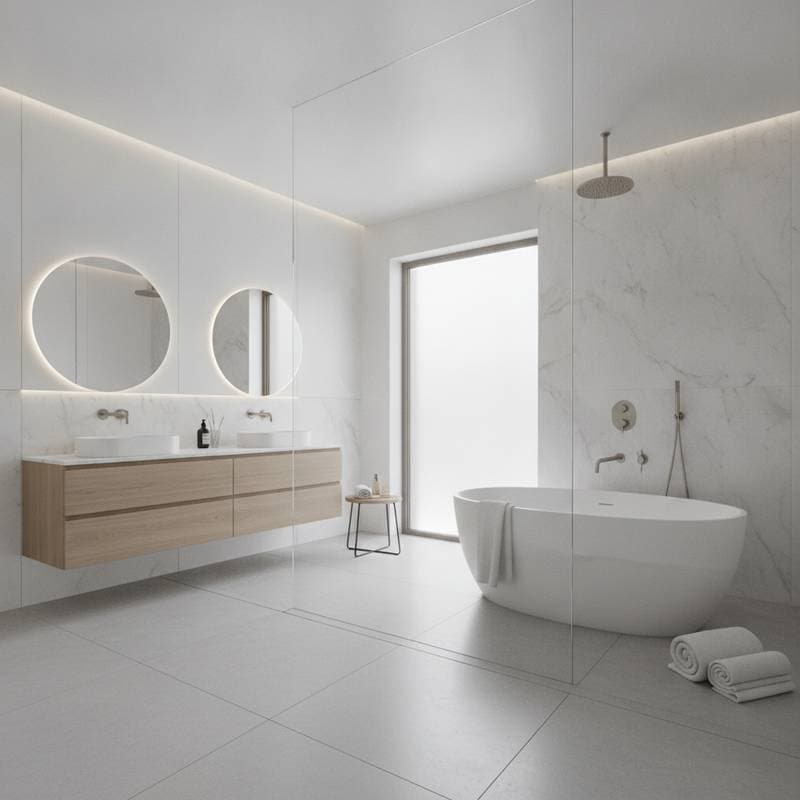
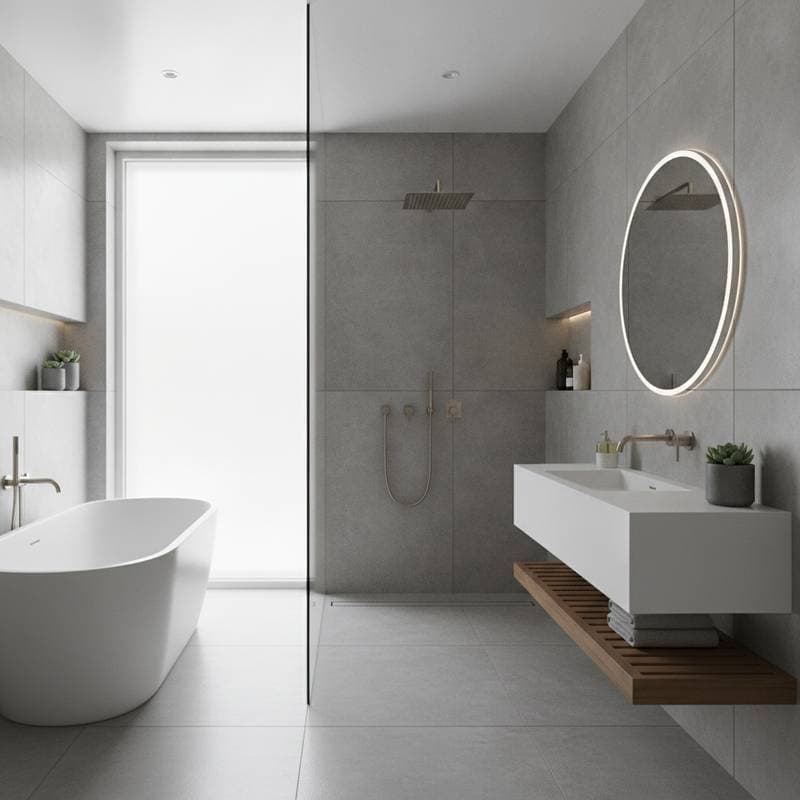
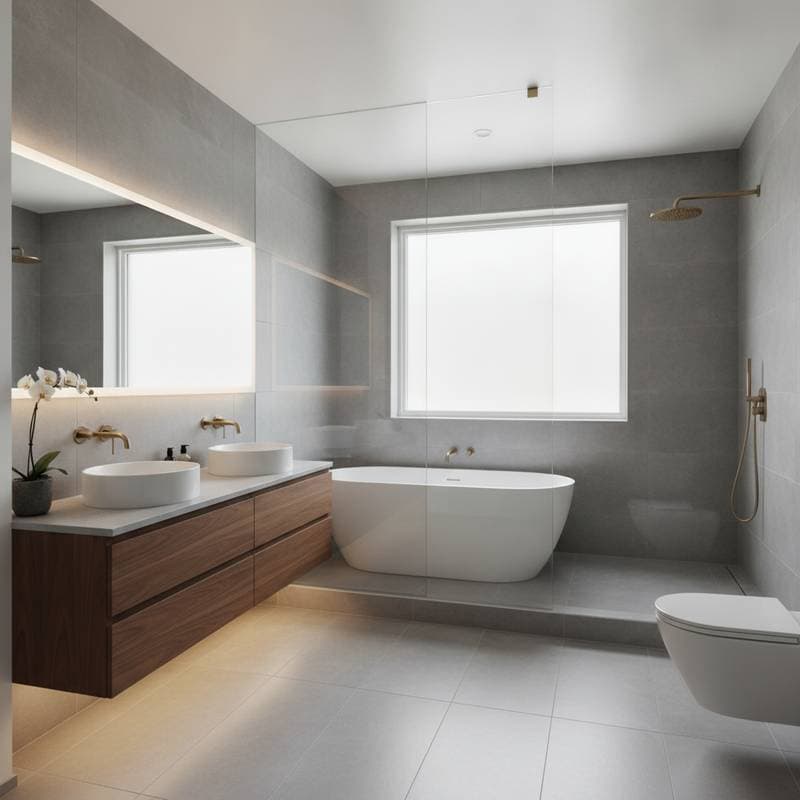
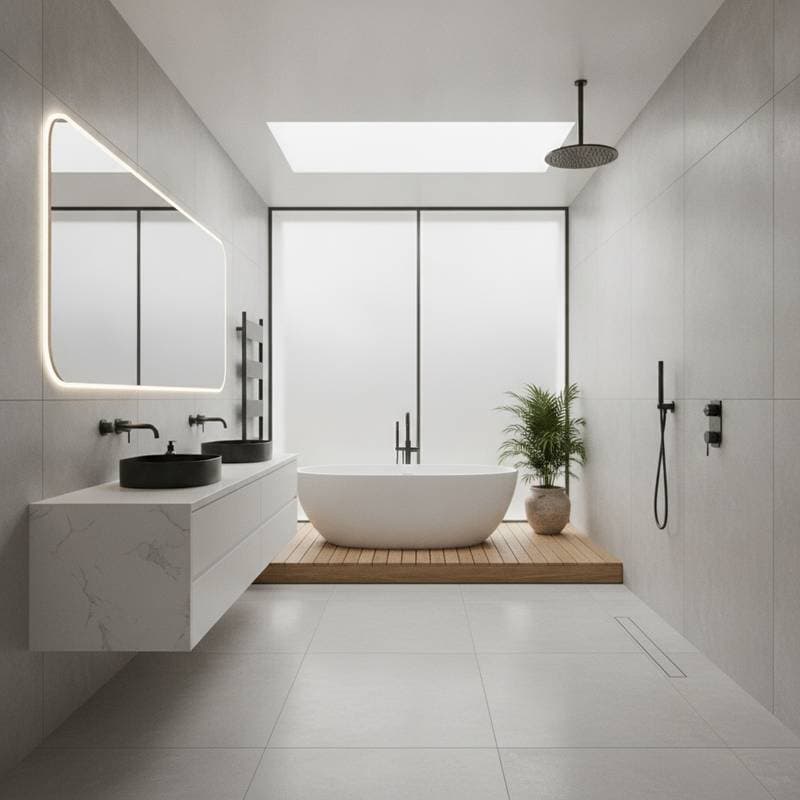
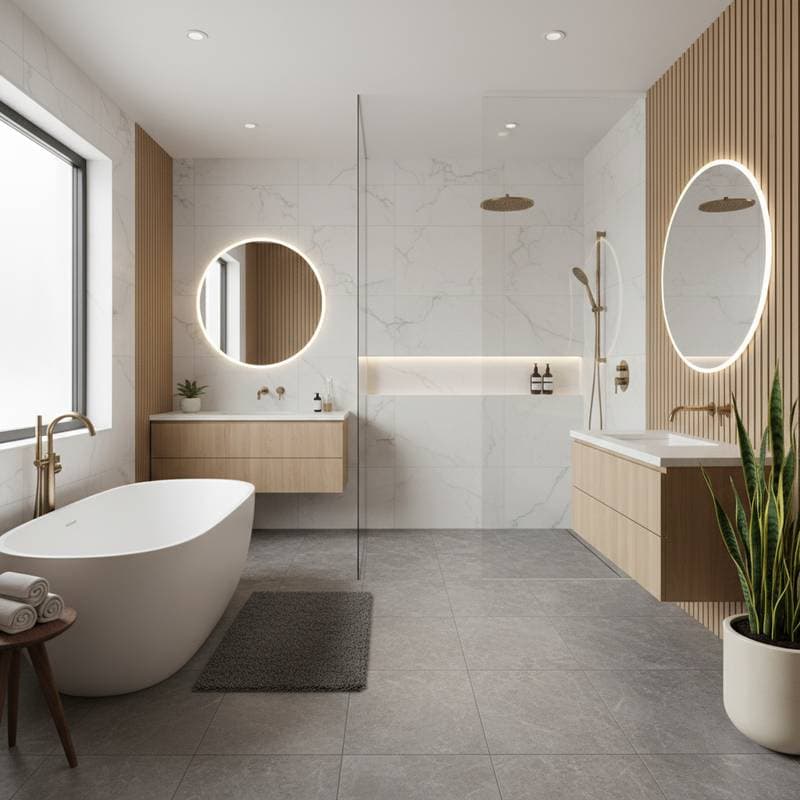
Wet rooms redefine bathroom renovations through their open, doorless configurations. These designs expand the perception of space in compact areas and incorporate universal accessibility features that modern buyers prioritize. The primary benefit lies in the return on investment, as properties featuring contemporary wet rooms sell more quickly and attract premium prices in dynamic real estate environments.
Key Cost Considerations
Materials
Tile selections, waterproof membranes, drainage systems, and glass enclosures form the bulk of expenses. Large-format porcelain tiles range from $4 to $10 per square foot, whereas mosaic or natural stone options climb to $25 per square foot. Allocate $800 to $1,500 for a linear drain setup and $1,000 to $2,500 for frameless glass panels or partitions.
Labor
Achieving proper waterproofing and floor sloping demands meticulous attention. Skilled tile installers bill $10 to $25 per square foot. The application of waterproof membranes contributes an additional $1,500 to $3,500, varying with project intricacy.
Size and Layout
Converting a standard 5x8-foot bathroom into a wet room incurs lower costs compared to overhauling a master suite. Relocating plumbing lines or adjusting drain positions incurs extra charges of $1,000 to $3,000.
Permits and Building Codes
Municipalities typically mandate permits for plumbing modifications and waterproofing evaluations. Fees for permits average $300 to $700. Verify that drainage slopes and barrier-free elements comply with local regulations.
Demolition and Preparation
Removing existing tile and drywall adds $800 to $1,500 to the total. Hidden water damage may escalate expenses unexpectedly. Reserve an additional 10 to 15 percent of the budget for contingencies, particularly in older structures.
DIY Options Versus Professional Services
Tasks Suitable for DIY
-
Planning the layout and handling initial demolition
-
Installing tile backer board
-
Laying basic tile patterns, provided prior experience exists
Situations Requiring Professionals
-
Any waterproofing efforts, as errors in membrane application or sloping can result in leaks that compromise subfloor integrity.
-
Relocating plumbing lines, where licensed plumbers guarantee appropriate drain pitch and ventilation.
-
Incorporating radiant heating or steam systems, which necessitate adherence to electrical and vapor barrier codes.
Associated Risks
Failures in waterproofing rank as the leading trigger for costly bathroom overhauls. Engage certified installers for this critical phase. Neglecting professional input often leads to deferred, expensive corrections.
Essential Tools for Partial DIY Efforts
-
Wet saw for precise cuts
-
Level and slope gauge for accuracy
-
Tile spacers to maintain even gaps
-
Notched trowel for adhesive application
-
Safety equipment, including gloves, goggles, and a respirator
Disconnect the water supply and confirm electrical isolation prior to commencing demolition.
Project Timing and Cost-Saving Strategies
Anticipate extended wait times for custom drains and oversized tiles. The process spans 3 to 6 weeks, accounting for curing periods and required inspections. Procure materials in advance to prevent interruptions during execution.
Effective Timing Approaches
-
Time tile installation for dry seasons to accelerate curing.
-
Integrate the wet room conversion with a comprehensive bathroom renovation to minimize labor setup fees.
-
Inquire about rebates for water-efficient fixtures, which may reimburse up to $300.
Influences of Seasonality on Pricing
Costs for tiles and glass panels increase modestly during winter, coinciding with heightened demand for interior work. Initiate planning at the start of the year to secure optimal contractor schedules and rates.
Upkeep and Warranty Essentials
A properly maintained wet room endures for decades. Grout and sealant degradation represents the principal vulnerability. Conduct annual inspections of joints and reapply sealants every two to three years.
Daily Maintenance Practices
-
Clear drains regularly to remove hair and soap residue.
-
Operate the exhaust fan throughout and following showers to inhibit mold growth.
-
Employ pH-neutral cleaning agents exclusively, as abrasive chemicals accelerate tile deterioration.
Warranty Coverage
Professionally installed waterproofing systems frequently include 10-year guarantees from certified contractors. DIY membrane products generally limit coverage to material replacement, excluding labor costs. Request detailed documentation and complete warranty registration post-installation.
The ROI Advantages of Wet Rooms
Prospective buyers appreciate the aesthetic and practical merits of barrier-free configurations. Seamless tiled flooring amplifies spatial illusions and satisfies accessibility criteria without an institutional appearance. Properties equipped with these features capture superior images for real estate listings, enhancing market differentiation.
This 15% resale premium stems from surging lifestyle preferences and reduced ongoing maintenance demands. Thoughtfully constructed wet rooms remove tripping hazards, minimize mold accumulation in crevices, and support aging-in-place modifications. Such attributes ensure sustained desirability in the housing market.
Steps to Launch Your Wet Room Project
-
Obtain Quotes from Specialists: Solicit estimates from three licensed bathroom remodelers experienced in waterproofing. Evaluate their proposed drain configurations and warranty provisions.
-
Assess Subfloor Condition: Examine the underlying structure before finalizing plans. Existing water damage or irregular framing impacts sloping precision and overall expenses.
-
Secure Materials Promptly: Tiles and glass supplies may encounter shortages. Verify exact quantities prior to demolition.
-
Select Drain Configuration: Opt for a linear drain for a streamlined look, though it commands higher fees. A central drain simplifies installation in confined areas.
-
Incorporate Ventilation Planning: Install a high-capacity, low-noise fan to manage humidity and safeguard surface materials.
Prioritize a robust waterproofing system above all else. This foundation averts future repairs and safeguards your financial commitment. Strategic preparation yields a wet room that enhances everyday usability while substantially increasing property worth.