Wet Rooms: The 2026 Trend That Boosts Home Value by 11 Percent
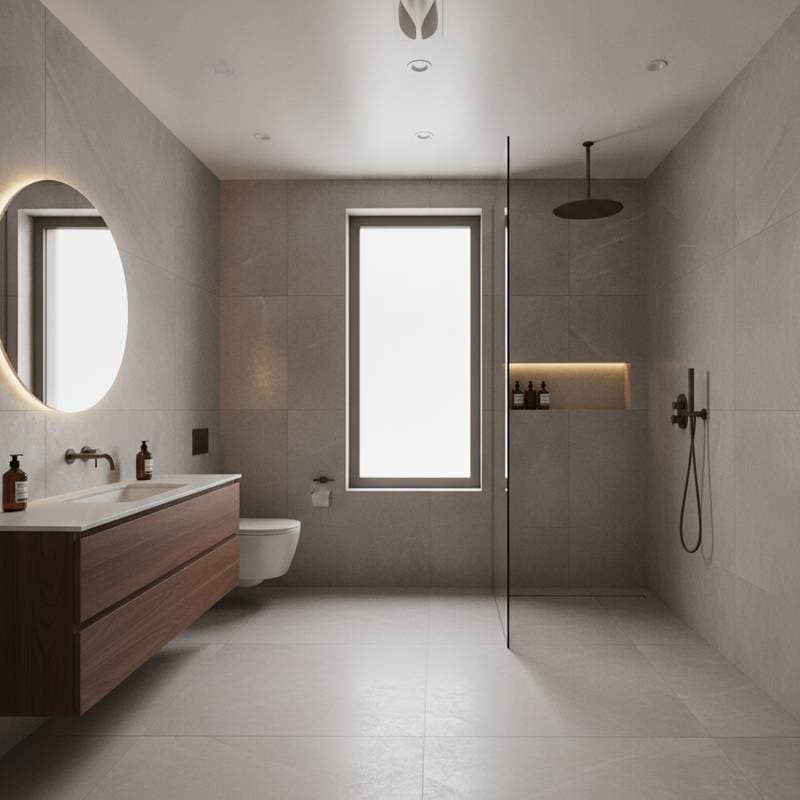
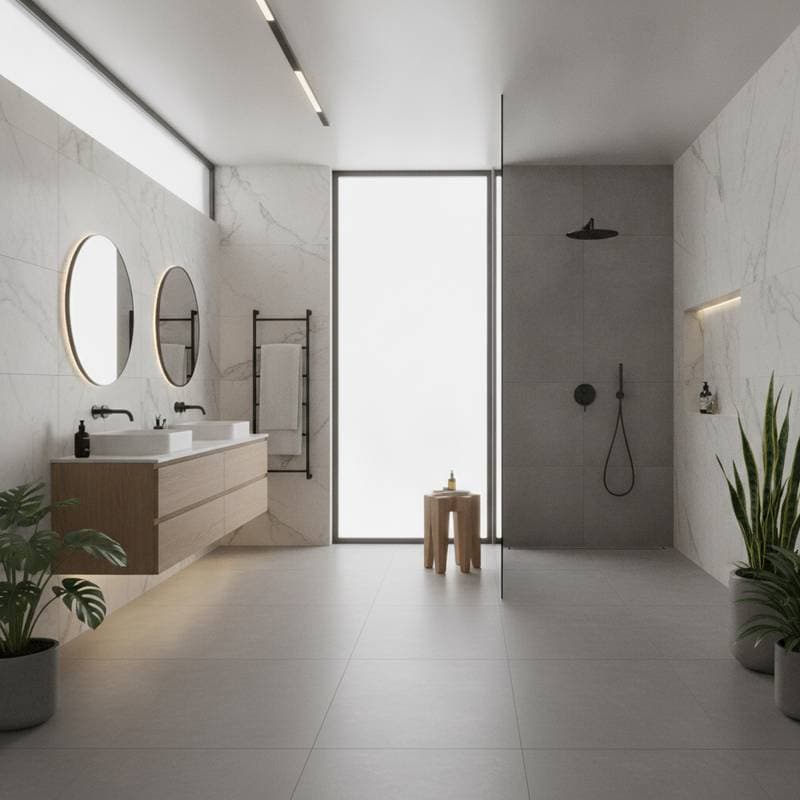
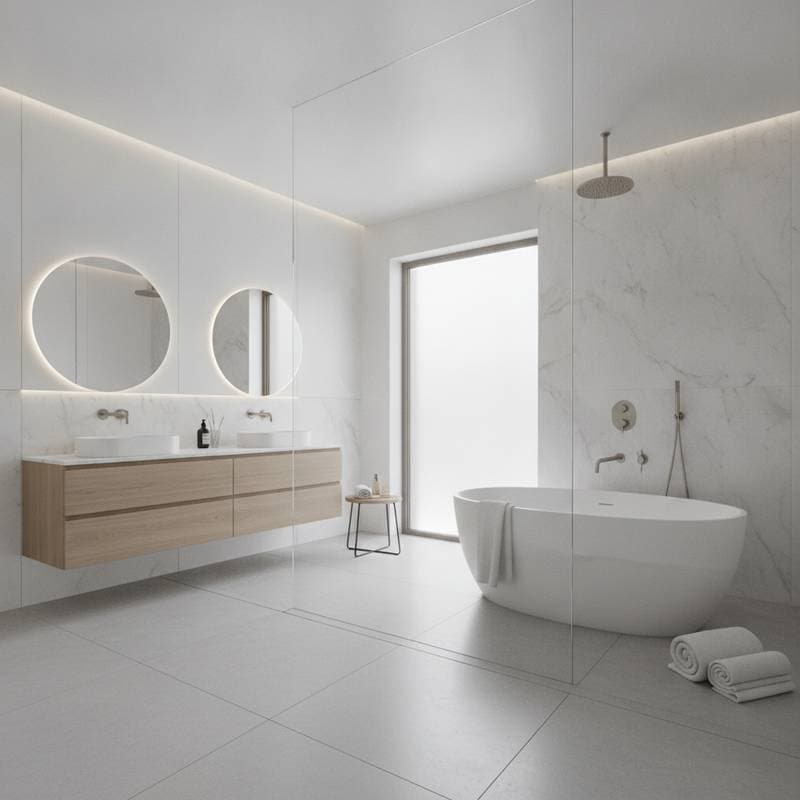
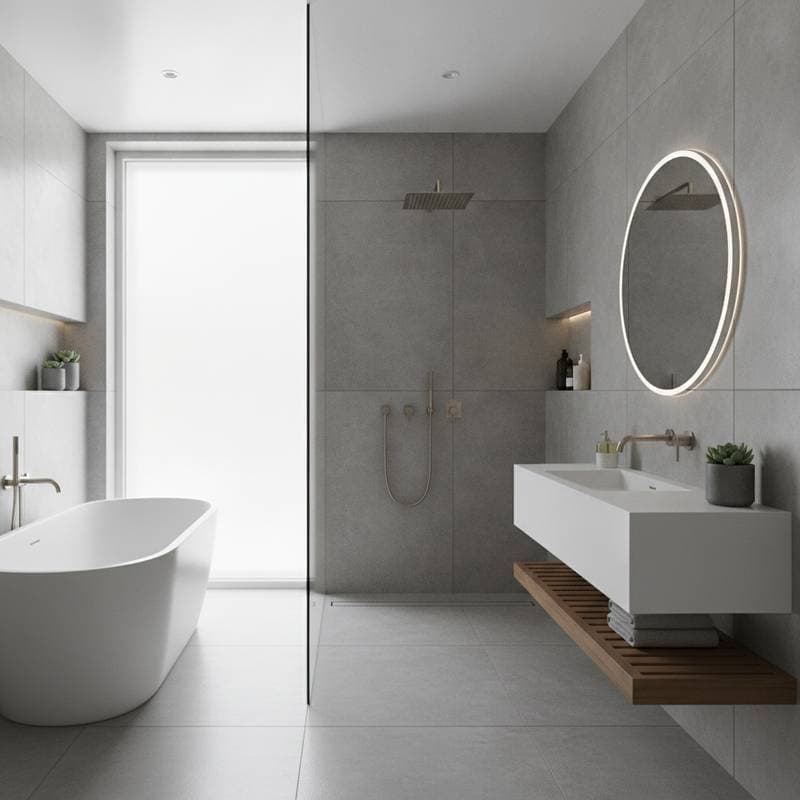
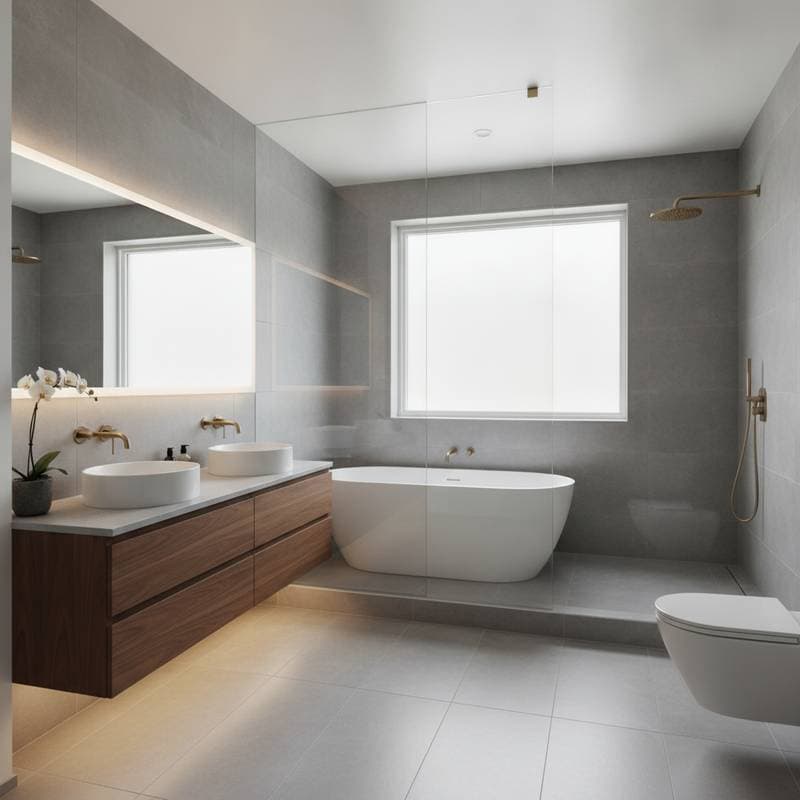
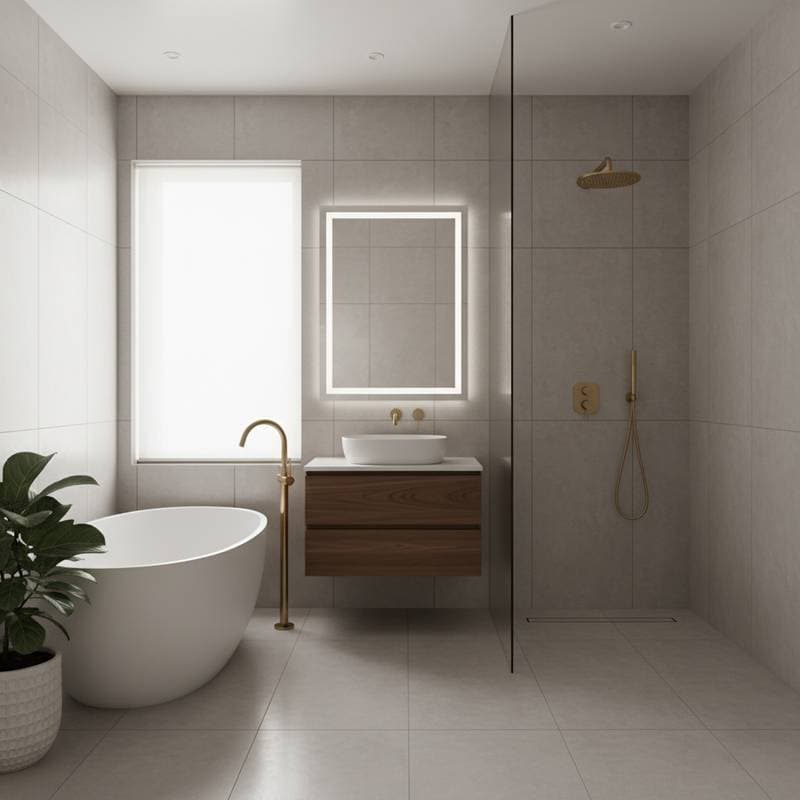
Wet rooms represent a fully waterproofed bathroom design where the shower integrates seamlessly with the floor. Without curbs, trays, or raised edges, the entire area slopes gently toward a central drain, creating a barrier-free space. This approach delivers practicality, a contemporary aesthetic, and straightforward maintenance, making it ideal for renovating dated bathrooms or incorporating universal accessibility features.
The popularity of wet rooms continues to surge among homeowners and buyers alike. According to real estate professionals, properties featuring thoughtfully executed wet rooms often command up to an 11 percent premium at sale. Buyers appreciate the streamlined layout, reduced upkeep demands, and luxurious feel that enhances the home without requiring additional space.
Advantages and Drawbacks
Advantages
- Elevates property value. Well-integrated wet rooms attract more interest from potential buyers, often translating to faster sales and higher offers.
- Enhances accessibility. The absence of steps or thresholds accommodates users of all abilities, including those with mobility challenges.
- Streamlines cleaning efforts. Seamless tiled surfaces eliminate corners where dirt and mildew accumulate, allowing quick wipes with standard cleaners.
- Optimizes compact spaces. By forgoing traditional shower enclosures or bathtubs, wet rooms free up floor area in smaller bathrooms.
- Delivers a sleek, modern vibe. The minimalist lines and open flow align perfectly with current interior design preferences.
Drawbacks
- Involves elevated initial expenses. The specialized waterproofing layers and custom drainage systems increase material and labor costs compared to standard setups.
- Demands precise moisture management. Inadequate sealing can result in water seepage, leading to wall dampness or subfloor damage over time.
- Requires expert installation. Amateur attempts risk compromising the waterproof integrity, potentially causing costly repairs.
- Poses slip hazards. Wet surfaces demand high-traction flooring materials and an accurate slope to prevent accidents.
- Necessitates humidity controls. Without proper exhaust systems, excess moisture can affect adjacent rooms or promote mold growth.
Costs and Budgeting Essentials
Installing a wet room typically ranges from $15,000 to $30,000 for a standard 60-square-foot space, depending on materials and location. Basic setups with porcelain tiles and standard fixtures fall toward the lower end, while premium options like heated floors or custom glass partitions push costs higher. Factor in $5,000 to $10,000 for professional labor, which covers plumbing rerouting, membrane application, and code-compliant finishing.
To budget effectively, obtain itemized quotes that separate materials from installation. Allocate 10 to 15 percent extra for unforeseen issues, such as subfloor adjustments. Long-term savings emerge through lower maintenance and the documented 11 percent value uplift, often recouping the investment within five years of resale.
DIY Installation Versus Professional Expertise
Constructing a wet room demands proficiency in plumbing, tiling, and waterproofing techniques. Even minor errors, like uneven slopes or incomplete sealing, can invite leaks and structural issues.
DIY Challenges: This project rates as highly complex, requiring accurate slope measurements (typically 1/4 inch per foot), application of liquid-applied membranes, and precise tile layout. Expect 5 to 10 days of work, factoring in drying periods for adhesives and sealants.
Essential Tools: A wet tile saw for clean cuts, notched trowels for even mortar spread, a laser level for slope verification, a shop vacuum for debris, and a full drain assembly kit.
Potential Risks: Improper waterproofing may lead to water intrusion, mold proliferation, or weakened joists, especially in older homes.
Opt for Professional Help When: Your bathroom features wooden subflooring, constrained ceiling heights limit slope options, or existing pipes demand reconfiguration. Engage a licensed contractor certified in wet room systems to guarantee compliance with building codes. They will install vapor barriers on walls, integrate exhaust fans, and coordinate with licensed electricians for safe lighting and heating elements.
Maintenance Strategies and Expected Durability
With diligent upkeep, wet rooms endure 20 to 30 years, preserving both functionality and appearance. The cornerstone of longevity lies in maintaining the waterproof envelope against wear.
Daily and Weekly Routines: After each shower, squeegee walls and floors to minimize water spots. Weekly, remove and clean drain screens to avoid buildup of hair and soap residue.
Periodic Inspections: Every six months, examine grout lines for cracks and test sealant flexibility. Reapply silicone sealant around fixtures and edges every three to five years to seal micro-gaps.
Red Flags to Monitor: Watch for bulging tiles, discolored grout indicating hidden moisture, or sluggish drains signaling clogs or slope erosion.
Many suppliers offer 10-year warranties on waterproofing components when professionals handle the installation. Consult local regulations for mandated materials, such as approved membrane types and minimum drainage gradients, to ensure warranty validity.
Regional Considerations for Success
Project costs and design choices vary by geography, influenced by climate, regulations, and market dynamics.
- Coastal Regions: Prioritize marine-grade sealants and stainless-steel drains to combat salt corrosion and high humidity.
- Colder Areas: Incorporate insulated subfloors or radiant heating to counter condensation and maintain comfortable temperatures.
- Urban High-Cost Zones: Anticipate labor rates 50 to 100 percent above national averages, plus premium for expedited permitting.
- Older or Historic Properties: Assess for load-bearing needs before adding waterproof layers; reinforcements may add $2,000 to $5,000.
Before proceeding, secure permits through your local building authority. Inspections often verify drain positioning, membrane coverage, and ventilation efficacy to prevent future compliance issues.
Prioritizing Safety in Wet Room Design
Combining water exposure with electrical and structural elements underscores the need for rigorous safety protocols.
Essential Safeguards: Equip all nearby outlets with ground-fault circuit interrupter (GFCI) protection to mitigate shock risks. Select tiles with a slip resistance rating of R10 or above, tested under wet conditions.
Ventilation and Drainage: Fit a humidity-sensing exhaust fan capable of 50 cubic feet per minute for a typical bathroom. Ensure the floor achieves a 2 percent minimum slope to channel water efficiently and avoid pooling.
Plumbing and Materials: Restrict drain connections to certified plumbers to prevent backflow. Steer clear of moisture-vulnerable elements like wooden vanities; opt for composite or sealed alternatives.
Regular safety checks, including GFCI testing monthly, reinforce the design's reliability.
Frequently Asked Questions
Does a wet room require a full shower enclosure? Not necessarily; the open design thrives without one. However, installing a hinged or folding glass panel containing 70 percent of spray protects dry zones and eases drying times.
Is an upstairs wet room feasible? Absolutely, provided you reinforce the subfloor to support added weight and apply extensive underlayment sealing. Structural engineers can evaluate joist strength to avert sagging or leaks below.
Which tiles suit wet rooms best? Porcelain tiles with textured surfaces excel for their density and grip. Avoid glossy ceramics; instead, choose matte finishes rated for wet areas to enhance safety.
How can I address cold floors? Embed electric under-tile heating cables or mats, wired to a thermostat for efficiency. These systems also accelerate drying, reducing slip risks and energy use.
Could a wet room raise overall home humidity? Only with subpar airflow; counter this by sizing an exhaust fan to exchange air eight times hourly. Pair it with a dehumidifier in humid climates for balanced indoor conditions.
Steps to Implement Your Wet Room Upgrade
Wet rooms merge everyday utility with sophisticated style, suiting everything from cozy powder rooms to expansive master baths. Homeowners benefit from enhanced usability and the potential for substantial return on investment through elevated market appeal.
To proceed, sketch a scale layout highlighting drain placement and slope paths. Solicit bids from at least three vetted contractors experienced in barrier-free designs, requesting breakdowns for membranes, tiles, and fixtures.
Confirm all components align with code standards and supplier guidelines. Post-installation, adhere to a maintenance schedule to safeguard the system's performance. With careful planning, your wet room will deliver enduring comfort and value for years ahead.