Open-Concept Wet Rooms: A 11% Home Value Increase Projected for 2026
Open-concept wet rooms offer a straightforward path to enhancing a home's resale value by approximately 11 percent. These designs expand the perceived size of compact bathrooms, deliver a contemporary aesthetic, and simplify cleaning routines. Installation costs typically range from $12,000 to $28,000, influenced by the room's dimensions and selected materials.
Reasons Wet Rooms Enhance Property Value
Homebuyers prioritize bathrooms that combine cleanliness with ease of access. A wet room delivers a premium appearance while requiring minimal upkeep. Real estate professionals observe that properties featuring updated bathrooms attract quicker offers and achieve superior sale prices.
Several factors contribute to this 11 percent uplift in value:
- Luxury Attraction: The fluid layout echoes the elegance of high-end spas and boutique hotels.
- Inclusivity Features: Absence of steps or barriers facilitates movement for individuals of varying abilities and ages.
- Spatial Expansion: Removal of partitions or shower enclosures creates an illusion of greater area, even in confined spaces.
- Long-Term Resilience: Comprehensive waterproofing safeguards against concealed moisture issues that might otherwise diminish future worth.
For those preparing to sell or lease, incorporating a wet room conveys sophistication and alignment with current preferences.
Detailed Cost Analysis
| Component | Estimated Cost Range | Influencing Factors |
|---|---|---|
| Design and Planning | $800 - $2,000 | Room dimensions, design intricacy |
| Waterproofing and Drainage | $2,000 - $6,000 | Material choices, required gradient adjustments |
| Tiling and Flooring | $3,000 - $8,000 | Tile dimensions, patterns, and material grades |
| Plumbing and Fixtures | $4,000 - $10,000 | Fixture brands, preferences for wall-mounted installations |
| Labor and Final Touches | $3,000 - $6,000 | Local rates, contractor expertise |
The overall expenditure generally spans $12,000 to $28,000. Regional differences and finish quality play significant roles. Opting for high-end natural stone or bespoke glass elements may elevate costs beyond $35,000.
Deciding Between DIY and Professional Installation
Consider a do-it-yourself approach if the following conditions apply:
- Existing plumbing knowledge is sufficient.
- Proficiency in tiling and creating proper slopes exists.
- The space is compact and readily accessible.
Engage a professional when:
- New drainage systems or pipe modifications are necessary.
- Subfloor adjustments for leveling are required.
- A warranty or official inspection approval is desired.
Professionals guarantee accurate slopes, effective drainage, and robust waterproofing. Numerous manufacturers stipulate professional installation to validate warranties; neglecting this step risks nullifying protection.
Essential Safety and Compliance Considerations
Before commencing any project, shut off water supplies. Employ a certified plumber for all drain integrations. Local regulations often mandate permits for plumbing alterations or structural modifications.
Verify whether your jurisdiction requires a flood test prior to final approval. Install ground-fault circuit interrupter outlets for any electrical components in proximity to water sources.
Waterproof integrity testing is non-negotiable. Even minor leaks can damage underlying structures and complicate insurance claims.
Tailored Design Approaches for Different Aesthetics
Minimalist Aesthetic
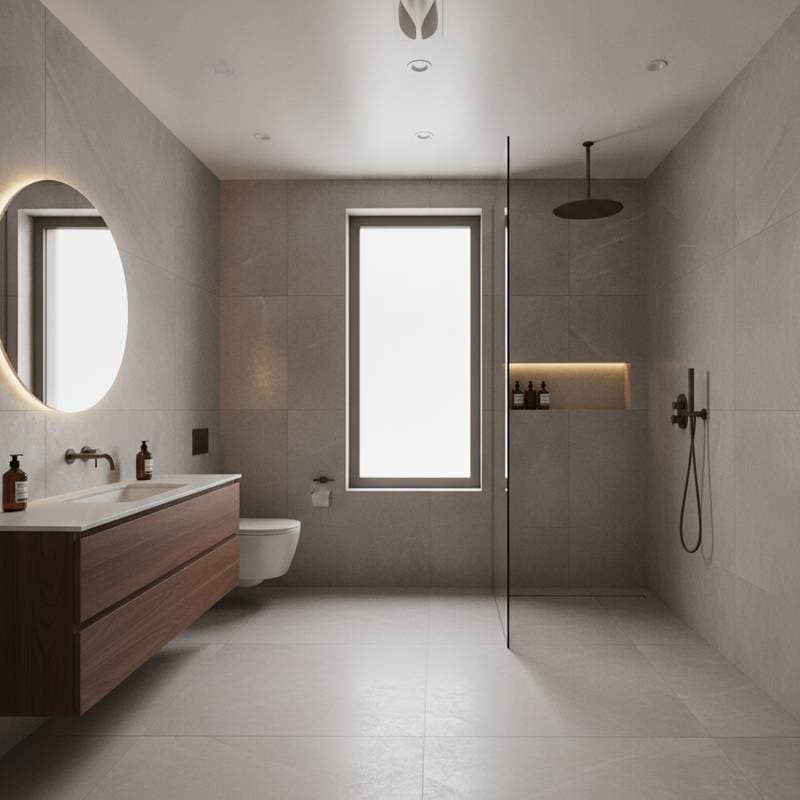
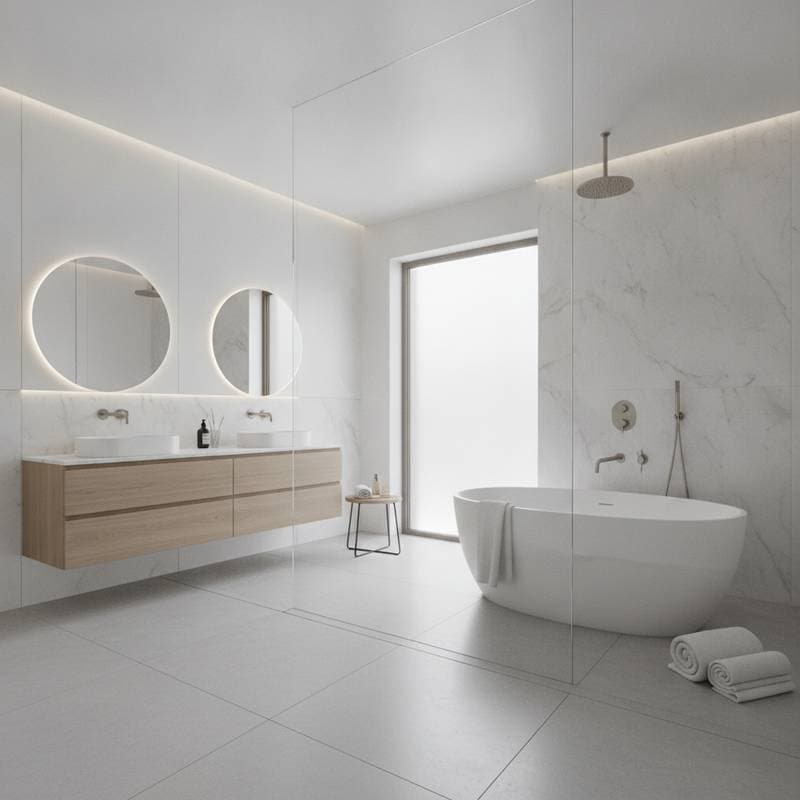
Opt for seamless walls, subdued tile palettes, and concealed storage solutions. This configuration suits urban apartments with limited square footage.
Spa-Inspired Sanctuary
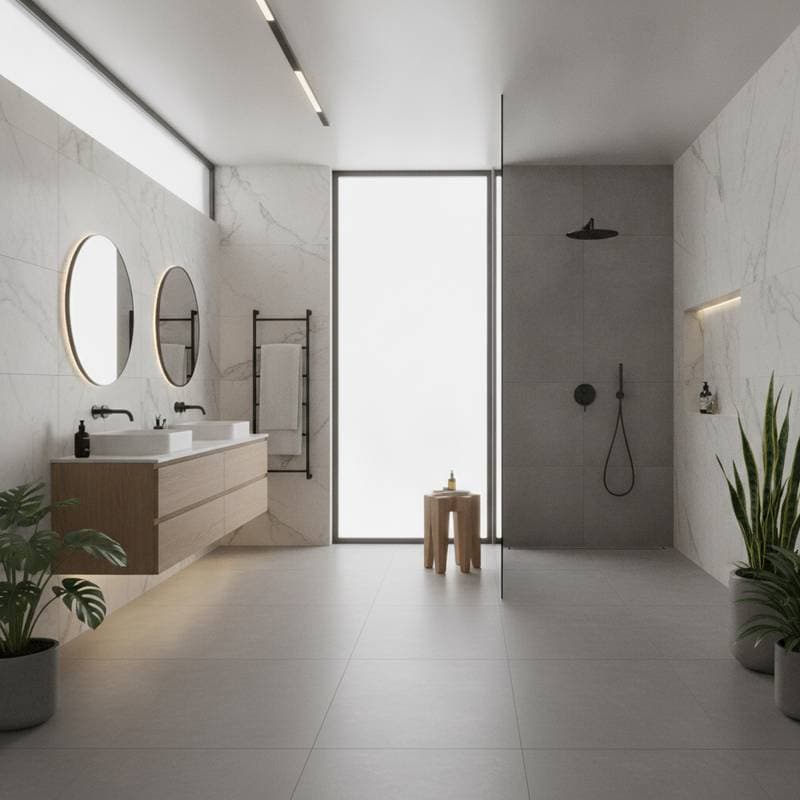
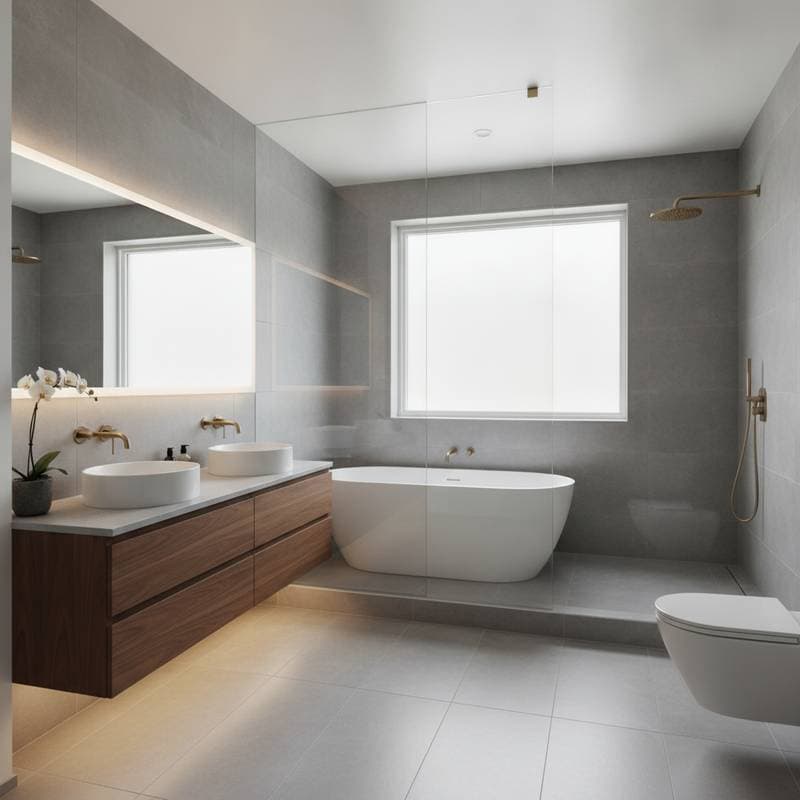
Incorporate natural stone elements, wood-inspired tiles, and overhead rainfall shower systems. Integrate a built-in bench or recessed shelf to enhance usability and relaxation.
Industrial Vibe
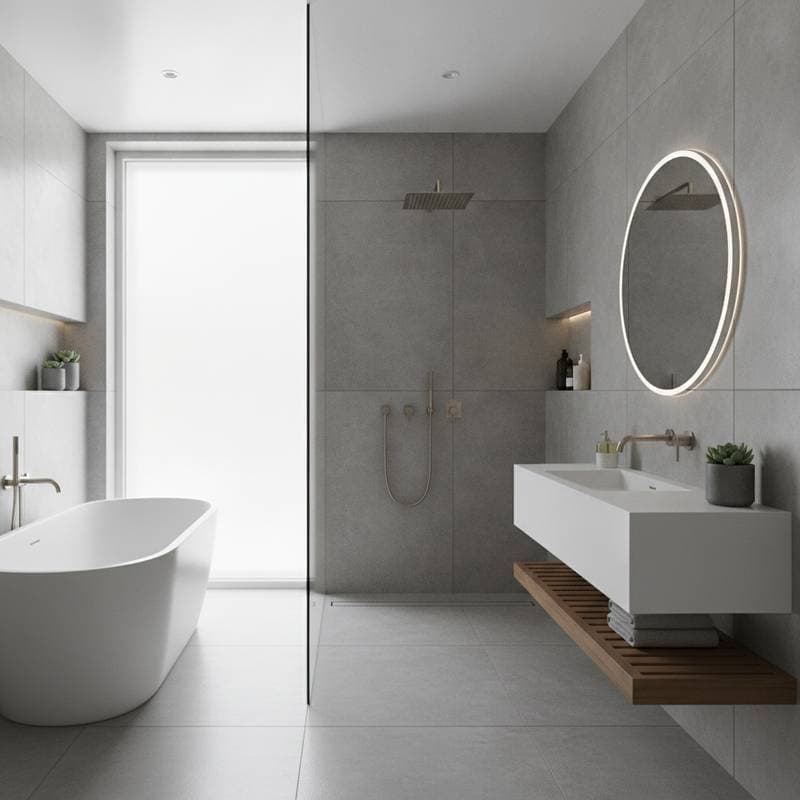
Select concrete-resembling tiles, fixtures in matte black, and visible piping accents to infuse personality and texture.
Inclusive Design Principles
Install support grab bars, non-slip flooring, and adjustable handheld showers to ensure safety across demographics.
Blend elements thoughtfully, maintaining a uniform flooring material throughout. This continuity fosters a cohesive and expansive feel.
Evaluating Return on Investment
Beyond the projected 11 percent value increment, a wet room upgrade heightens overall market desirability. Surveys indicate that contemporary bathrooms rank among the primary influences on purchasing decisions.
A standard renovation at around $20,000 might recoup $22,000 or greater in enhanced property worth. Premium configurations with elite fixtures promise amplified gains, provided they align with local market expectations.
Prioritize foundational aspects like waterproofing and spatial planning over ornamental details to optimize outcomes.
Indicators for Professional Involvement
Seek expert assistance if:
- Evidence of structural deterioration or irregular subfloors appears.
- Significant plumbing relocations are essential.
- Code enforcement demands oversight.
- Extended waterproofing guarantees are sought.
- Imminent property sale requires documented professional execution.
Certified contractors provide verification of waterproof measures, thereby instilling assurance in potential buyers.
Ongoing Maintenance Strategies
After each use, clean surfaces to avert mineral buildup. Reapply sealant to grout lines biennially. Employ removable strainers to prevent drain clogs.
Regularly examine edges and joints for signs of wear or fading. Activate exhaust fans throughout and following shower sessions to control humidity.
Consistent practices preserve the installation's pristine condition and safeguard the financial commitment.
Expert Recommendations for Optimal Results
Acquire 10 percent additional tiling material to accommodate potential fixes. Choose light-toned grout for seamless visuals or darker shades for simplified care.
Strategize illumination in layers to minimize reflections from polished surfaces. Favor recessed wall niches over protruding shelves for streamlined organization.
Thoughtful choices transform a modest wet room into a bespoke feature.
Common Questions Addressed
What is the cost range for an open-concept wet room?
Projects typically range from $12,000 to $28,000, varying with dimensions, tiling selections, and plumbing requirements.
Will a wet room develop leaks?
When constructed correctly with integral membranes, wet rooms remain watertight. Issues arise only from omitted or compromised barriers.
Is every bathroom suitable for conversion to a wet room?
Most spaces qualify, provided the substructure supports enhanced drainage and inclines. Upper-level installations occasionally demand reinforcement.
Do wet rooms accommodate children or seniors safely?
Affirmative, especially with anti-slip surfaces and support features. The level-entry design promotes effortless navigation.
Are specialized cleaners necessary for wet rooms?
Standard mild formulations suffice. Steer clear of abrasive acids that may erode grout or natural stones.
Steps to Implement Your Wet Room Upgrade
Initiate the process with a defined blueprint and feasible financial outline. Emphasize waterproofing, gradient precision, and air circulation ahead of aesthetic decisions. This upgrade transcends fleeting styles, delivering enduring accessibility, visual appeal, and economic advantages.
Executed with care, a wet room enhances daily enjoyment and maximizes returns upon sale.