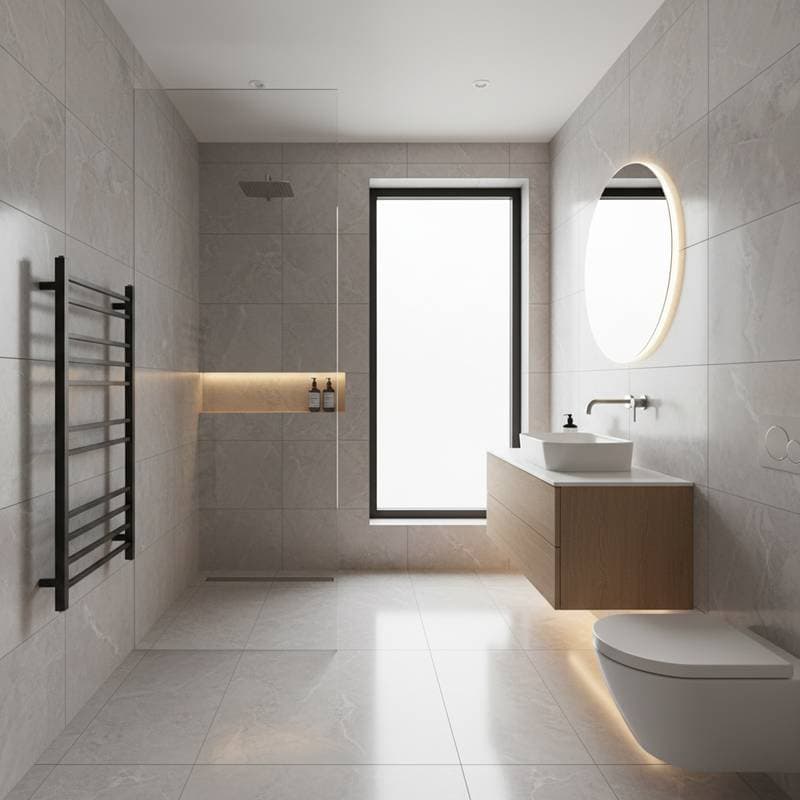
Understanding Wet Rooms and Their Value Proposition
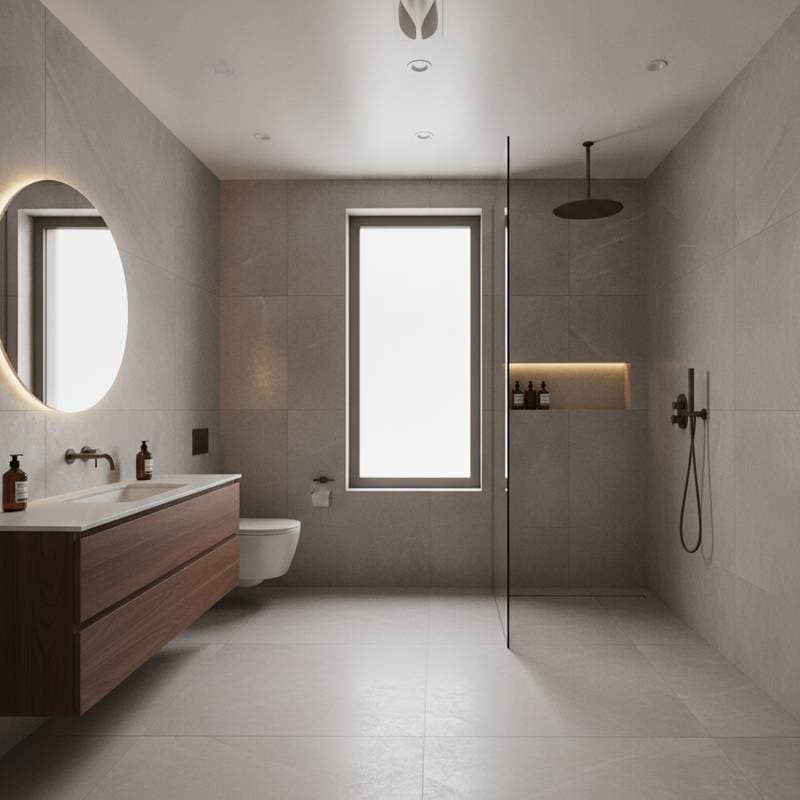
Wet rooms represent a contemporary approach to bathroom design, featuring a fully waterproofed space with an open shower area and a level floor that drains directly. This eliminates the need for shower trays or traditional bathtubs, creating a seamless and efficient layout. Homeowners who seek modern aesthetics, reduced maintenance, and enhanced accessibility often choose this option, particularly when preparing a property for resale.
The appeal extends to a broad audience, including aging-in-place enthusiasts and those desiring spacious, open environments. By integrating advanced waterproofing techniques, wet rooms minimize moisture-related issues and promote longevity. This design choice not only elevates daily use but also positions the home favorably in competitive real estate markets.
Investment Overview: Costs Involved
The national average cost for installing a wet room ranges from $8,000 to $18,000, depending on scope and materials. For a mid-sized bathroom, expect to invest between $10,000 and $14,000, covering essential waterproofing, tiling, and plumbing. High-end projects with premium finishes or custom elements can exceed $25,000.
Several factors influence the final price. The bathroom's size and existing layout determine demolition and reconfiguration needs. Complex waterproofing and drainage systems add to expenses, as do choices in tile varieties and installation methods. Plumbing modifications, such as relocating pipes, and features like glass partitions further impact the budget.
To manage costs effectively, obtain detailed quotes that break down labor, materials, and potential unforeseen issues. Consider energy-efficient options, such as low-flow fixtures, to offset long-term utility bills. Planning ahead ensures the investment aligns with both immediate needs and future resale potential.
Advantages and Potential Drawbacks
Wet rooms excel in accessibility, accommodating users of all ages and mobility levels through barrier-free designs. They create an illusion of expanded space in compact areas, enhancing visual flow and openness. The modern aesthetic appeals to contemporary buyers, often translating to higher property values.
Cleaning proves straightforward due to fewer seams and corners, reducing mold growth risks. Robust waterproofing safeguards against structural damage from humidity. These benefits make wet rooms a practical upgrade for busy households.
However, the initial expense surpasses that of basic shower installations. Achieving flawless waterproofing demands precision to avoid leaks, which could lead to costly repairs. In smaller spaces, managing humidity requires vigilant ventilation strategies. Storage solutions must integrate thoughtfully during the design phase to prevent clutter.
Design Variations to Consider
A full wet room waterproofs the entire bathroom, featuring an open shower without enclosures, ideal for complete renovations or new constructions. This maximizes the sense of space and simplifies cleaning routines. It suits homeowners committed to a fully immersive, spa-like experience.
Partial wet rooms limit waterproofing to the shower zone, using glass panels or low walls for separation. This approach fits tighter budgets and smaller footprints, offering a balance between openness and functionality. It allows retention of existing elements while introducing modern touches.
Accessible wet rooms prioritize safety with features like grab bars, non-slip flooring, and zero-threshold entries. These elements support universal design principles, benefiting families across generations. Custom adjustments ensure compliance with accessibility standards.
Luxury iterations incorporate upscale materials, such as natural stone tiles, linear drains for discreet water flow, and integrated lighting. These enhance ambiance and comfort, appealing to design-conscious individuals. Professional input refines these details for optimal performance and style.
Professional Installation Versus DIY Efforts
Constructing a wet room involves intricate work in plumbing, tiling, and waterproofing, making it unsuitable for most DIY projects. While initial savings appear attractive, errors in sealing can result in water damage and health hazards. Professionals bring expertise to navigate these challenges effectively.
The process typically spans five to ten days, requiring specialized tools like tile cutters, trowels, waterproof membranes, and drain kits. Amateurs risk non-compliance with building codes, potentially voiding insurance coverage. For complex tasks, such as drain relocation or underfloor heating integration, expert involvement proves essential.
Hiring certified contractors offers peace of mind through warranties, often lasting ten years on waterproofing components. They handle permits and inspections, ensuring the installation meets local regulations. This investment safeguards the project's integrity and enhances overall value.
Essential Installation Steps
Begin by removing outdated fixtures, flooring, and surrounding structures to access the subfloor. Inspect for underlying damage, such as rot or unevenness, and address repairs promptly to establish a stable foundation.
Apply a waterproof membrane across the floor and up the lower walls, creating a continuous barrier against moisture intrusion. This critical layer prevents water from seeping into structural elements.
Position the floor drain strategically and adjust the slope to facilitate efficient water runoff, typically a one-quarter-inch drop per foot. Test the gradient to confirm proper flow before proceeding.
Select and install tiles on floors and walls, using grout formulated for wet environments. Ensure even application to avoid weak points.
Apply flexible sealant along all joints and corners to accommodate minor movements and maintain watertightness.
Mount shower components, including heads, valves, and any dividing partitions, aligning them precisely with the drainage system.
Conduct thorough testing by running water extensively to verify containment and drainage efficacy. Address any issues immediately.
Finalize with surface cleaning and protective sealers on tiles to bolster resistance against stains and wear.
Ongoing Care and Durability
Routine maintenance involves inspecting grout lines biannually for cracks or erosion, reapplying sealant as necessary to preserve integrity. Clear drains regularly to prevent blockages from hair or soap residue. Proper ventilation, such as exhaust fans, controls humidity levels effectively.
With diligent upkeep, wet rooms endure for over 20 years, outlasting many traditional setups. Waterproofing systems typically include decade-long guarantees, underscoring their reliability. Addressing minor issues early extends the lifespan and maintains aesthetic appeal.
Incorporate user-friendly habits, like wiping down surfaces post-use, to minimize buildup. Professional inspections every few years catch subtle wear, ensuring sustained performance.
Comparable Bathroom Solutions
Walk-in showers provide a simpler retrofit option at lower costs, though they retain some enclosure elements that limit openness. They suit quick updates without full waterproofing overhauls.
Tub-shower combinations preserve soaking capabilities but compromise on accessibility and space efficiency. These work for households valuing versatility over modern minimalism.
Prefabricated shower units offer rapid installation and affordability, yet lack the customized elegance of wet rooms. They serve as temporary fixes in rental properties or budget-conscious remodels.
Each alternative balances trade-offs in cost, style, and functionality, allowing tailored decisions based on lifestyle needs.
Regional Considerations for Success
In coastal regions, enhanced moisture barriers combat salt air corrosion, incorporating marine-grade sealants. Humid climates demand superior ventilation to mitigate mold risks.
Colder areas gain from underfloor heating systems, warming tiles for comfort during winter months. These additions improve usability without excessive energy use.
Urban environments often enforce strict codes, necessitating certified waterproofing documentation for inspections. Labor rates escalate in bustling cities, influencing overall budgets. Local climate and regulations shape the project's specifications for optimal results.
Realizing Returns on Your Investment
Converting a standard bath to a wet room frequently delivers a 15 percent return on investment, driven by buyer preferences for innovative, durable features. The open layout and accessibility broaden market appeal, accelerating sales and potentially commanding premium prices.
Appraisers recognize the upgrade's contribution to perceived home value, especially in aging populations. Long-term savings on maintenance further justify the expenditure. This strategic enhancement aligns functionality with financial gains.
Steps to Launch Your Wet Room Project
Solicit estimates from at least three licensed remodelers specializing in bathrooms. Request evidence of waterproofing expertise, including certifications and client testimonials from comparable jobs.
Review permit requirements with local authorities to avoid delays. Factor in timelines for material sourcing and installation phases.
Collaborate closely with your chosen team to refine designs, ensuring alignment with your vision and practical constraints. A meticulously executed wet room elevates living standards, infuses contemporary style, and secures tangible property appreciation.