Wet Rooms Deliver an 11 Percent Premium Over Traditional Bathrooms
Wet rooms raise home values. Homes featuring modern wet rooms instead of tubs sell for about 11 percent more than similar homes with standard bathrooms. The open layout creates a sense of space and luxury that matches current living preferences.
Definition and Core Features
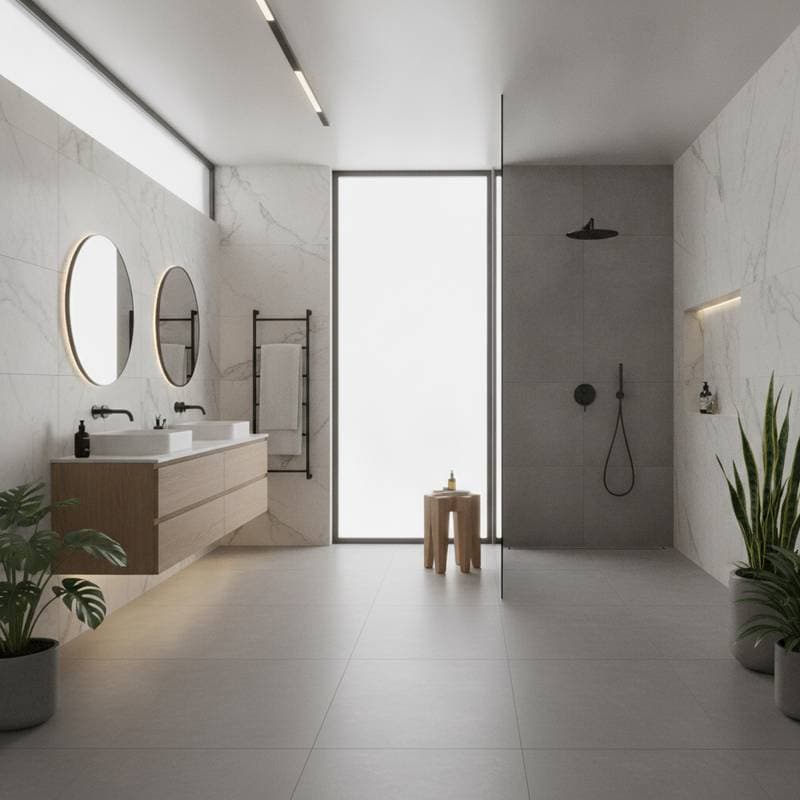
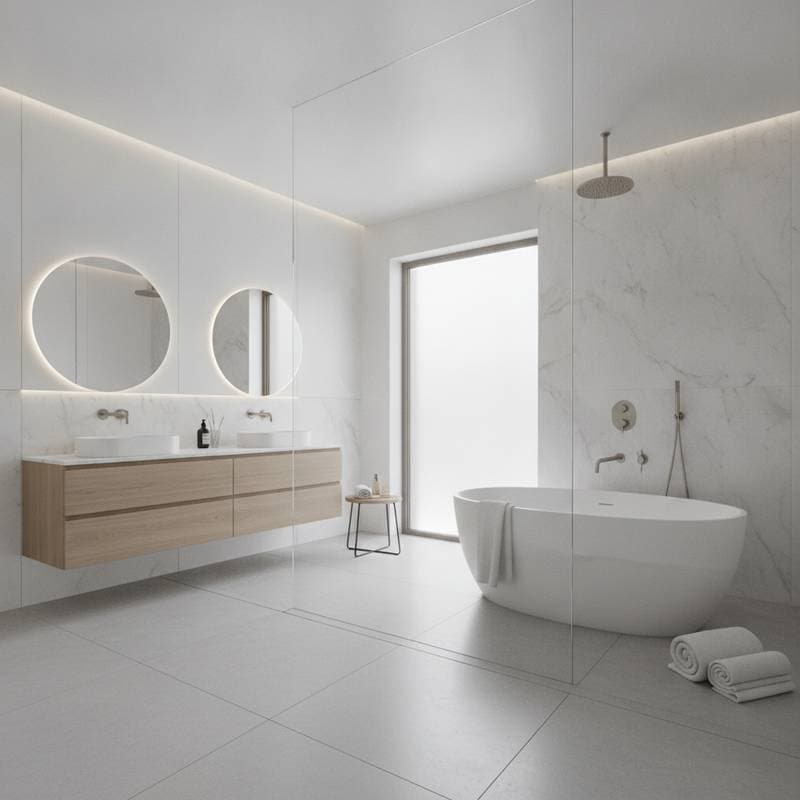
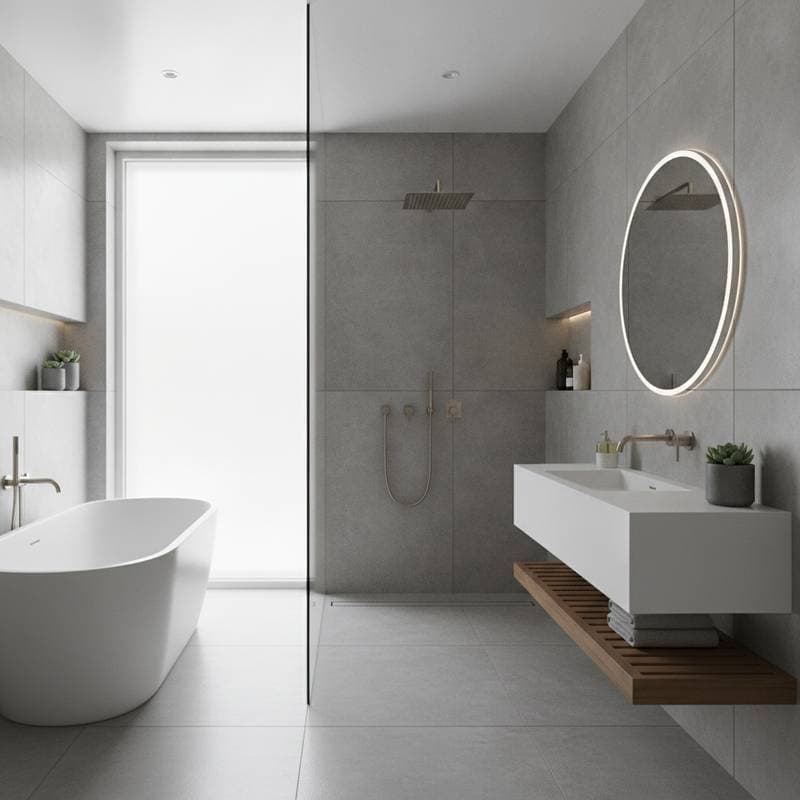
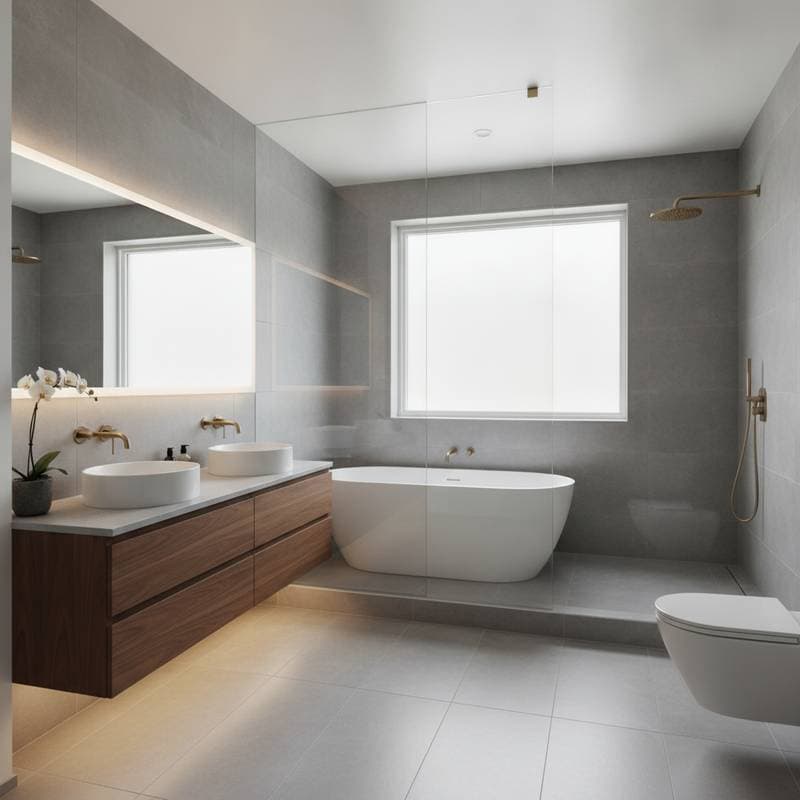
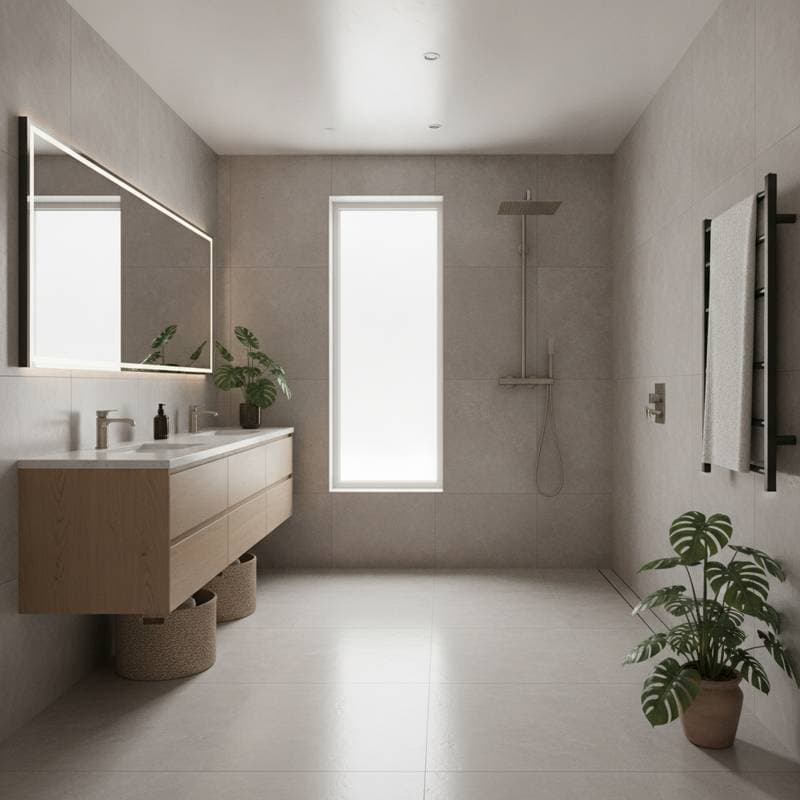
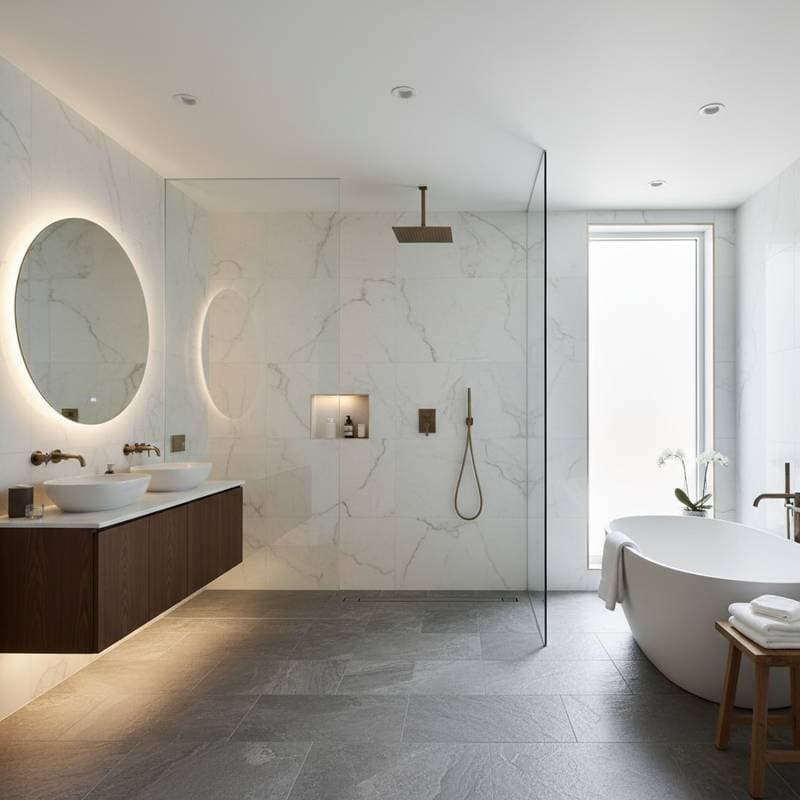
A wet room consists of a fully waterproofed bathroom with a shower area level with the surrounding floor. No step, curb, or tray separates the zones. Water flows across a gentle slope into a linear or central drain while the sealed surfaces contain all moisture.
This design produces a clean, open appearance suitable for compact bathrooms and upscale renovations alike.
Value Drivers for Buyers
Purchasers pay more for accessibility, reduced maintenance, and contemporary style. A wet room satisfies each requirement. The continuous floor expands visual space. The lack of a tub simplifies cleaning. The barrier-free layout accommodates every age and mobility level.
Real estate professionals note that updated bathrooms help properties sell more quickly. The spa-like quality raises perceived value across various home sizes.
Conversion Process
- Measure the space and verify that drainage slope and waterproofing remain feasible.
- Shut off water, disconnect plumbing, and remove the existing tub without damaging surrounding walls.
- Relocate the drain to a central or linear position and adjust the waste line to achieve proper slope.
- Install a sloped subfloor, waterproof membrane, and wall panels rated for continuous moisture exposure.
- Apply non-slip floor tiles, seal every joint, and add glass panels if desired.
- Run water across the floor to confirm correct drainage before final sealing.
- Complete the installation with fixtures, lighting, and ventilation.
Project Costs
| Task | Typical Cost | Price Influences |
|---|---|---|
| Tub removal and prep | $400 to $900 | Plumbing condition and wall surfaces |
| Waterproofing and subfloor | $1,500 to $3,000 | Drain size and placement |
| Tiling and finishes | $2,000 to $6,000 | Tile selection and layout complexity |
| Fixtures and glass | $800 to $2,500 | Brand and hardware style |
| Total | $4,700 to $12,000 | Regional labor rates and material quality |
Coastal and urban markets often incur higher labor expenses. Large-format tiles or custom drains further increase the total.
Timeline Expectations
A typical conversion requires one to two weeks from demolition to completion. Active labor occupies five to seven days. Membranes, thinset, and grout need three to five additional days for curing. Tile delivery or plumbing adjustments represent the most common sources of delay.
Decision Framework: DIY or Professional
Homeowners with prior tiling and plumbing experience may handle the project when the subfloor is sound and waterproof integrity can be verified. Professional installation becomes necessary when drains must move, the floor requires regrading, or structural or moisture issues exist. Licensed contractors ensure accurate slope, code compliance, and permit adherence.
Essential Tools and Materials
- Waterproof membrane or tanking kit
- Tile backer boards
- Non-slip porcelain or stone tile
- Thinset mortar and wet-area-rated grout
- Linear or center drain assembly
- Level, trowel, mixing bucket, and drill
- Silicone sealant and waterproof tape
- Safety gear including gloves, goggles, and knee pads
Climate and Regional Considerations
Cold climates benefit from subfloor insulation and an optional heated floor mat beneath the membrane. Humid or coastal locations require epoxy grout and stainless steel drains to resist corrosion. Earthquake or flood zones demand verification of local requirements for waterproof barriers, slope angles, and drain flow rates.
Safety and Compliance
All waterproofing layers must satisfy plumbing code standards. Proper ventilation prevents humidity buildup and mold growth. Wood-framed structures require confirmation that new slopes do not compromise joist integrity.
When Professional Service Is Required
Contact a contractor if slow drainage, water pooling, soft subfloor areas, wall discoloration, or persistent odors appear after installation. Moisture meters can locate leaks before structural damage develops.
Wet Room Versus Walk-In Shower
| Situation | Wet Room | Walk-In Shower |
|---|---|---|
| Small bathroom | Maximizes usable floor area | Simpler retrofit |
| Luxury project | Seamless open design | Defined shower zone |
| Accessibility priority | True zero threshold | Low threshold option |
| Budget focus | Higher initial investment | Lower overall cost |
| Maintenance | Easiest cleaning | Slightly less waterproofing |
Wet rooms eliminate all barriers, while walk-in showers retain a curb or tray. The complete openness of a wet room produces the higher resale premium.
Installation Recommendations
Maintain a slope of one quarter inch per foot toward the drain. Select waterproof-rated lighting. Verify every layer before tiling begins. Choose matte or textured surfaces to reduce slip risk. Position fixtures early to prevent awkward spray patterns.
Maximizing Return on the Upgrade
A properly executed wet room combines immediate daily comfort with measurable market advantage. Careful planning, quality materials, and code-compliant workmanship protect both the investment and long-term home value.