Age-in-Place Renovations Increase Resale Value
Age-in-place renovations help homeowners maintain comfort and independence over time. These changes improve safety and ease of movement throughout a home. Recent real estate data shows homes with accessible features sell for about 11 percent more than comparable properties without them.
Homeowners benefit whether they plan to stay long term or sell in the future.
Typical Project Costs
Moderate updates limited to one or two rooms average between 8000 and 25000 dollars. Full bathroom, kitchen, and entry remodels often range from 35000 to 60000 dollars. Complete home conversions can exceed 100000 dollars.
Several factors influence final pricing. Scope of work such as adding ramps or rebuilding bathrooms plays a major role. Material quality, structural modifications, local labor rates, and permit fees also affect totals. Smart home integrations add further expense.
Key Advantages and Tradeoffs
These projects deliver multiple benefits. They raise resale value by roughly 11 percent in most markets. They support safe independent living and reduce fall risks. They also broaden buyer appeal to families and retirees while lowering future modification costs.
Upfront expenses can be substantial for whole-house work. Some features limit storage or design flexibility. Poorly integrated elements may appear institutional. Permits and inspections sometimes extend timelines.
Common Upgrade Categories
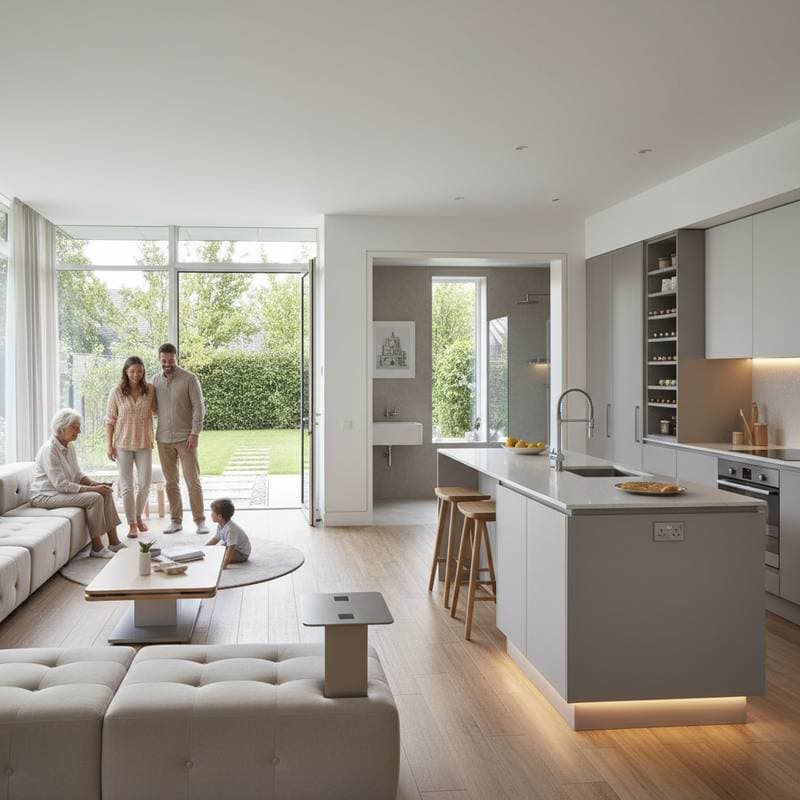
Bathroom improvements include walk-in showers, grab bars, and comfort-height toilets. Kitchen changes feature pull-down shelves, side-opening ovens, and lever handles. Entry modifications cover no-step thresholds, wider doorways, and slip-resistant surfaces.
Additional options involve motion-activated lighting, rocker switches, and smart controls. Bedroom and living area adjustments include lowered closets, reinforced walls for future rails, and open layouts.
Professional Installation Versus DIY
Difficulty ranges from moderate to complex based on the specific feature. Minor tasks such as handle swaps may take one weekend. Major work involving plumbing or framing requires several weeks.
Hire licensed contractors for showers, ramps, or electrical updates. Simple installations like lighting or lever handles remain suitable for experienced DIYers. Structural or code-related changes carry high risk when attempted without proper credentials.
Implementation Steps
Begin with an assessment of current mobility needs. Develop a floor plan that emphasizes clear paths and level transitions. Remove tripping hazards such as loose rugs. Replace round knobs with lever handles and add grab bars plus non-slip flooring.
Adjust counter heights where necessary. Improve lighting placement and test all changes for accessibility. Confirm fixtures are anchored securely before finishing.
Ongoing Care and Durability
Inspect grab bars and ramps twice yearly for stability. Monitor flooring for wear. Update lighting systems and controls as needed. Properly installed fixtures typically last 10 to 20 years. Warranties generally span one to five years depending on brand and installer.
Other Housing Approaches
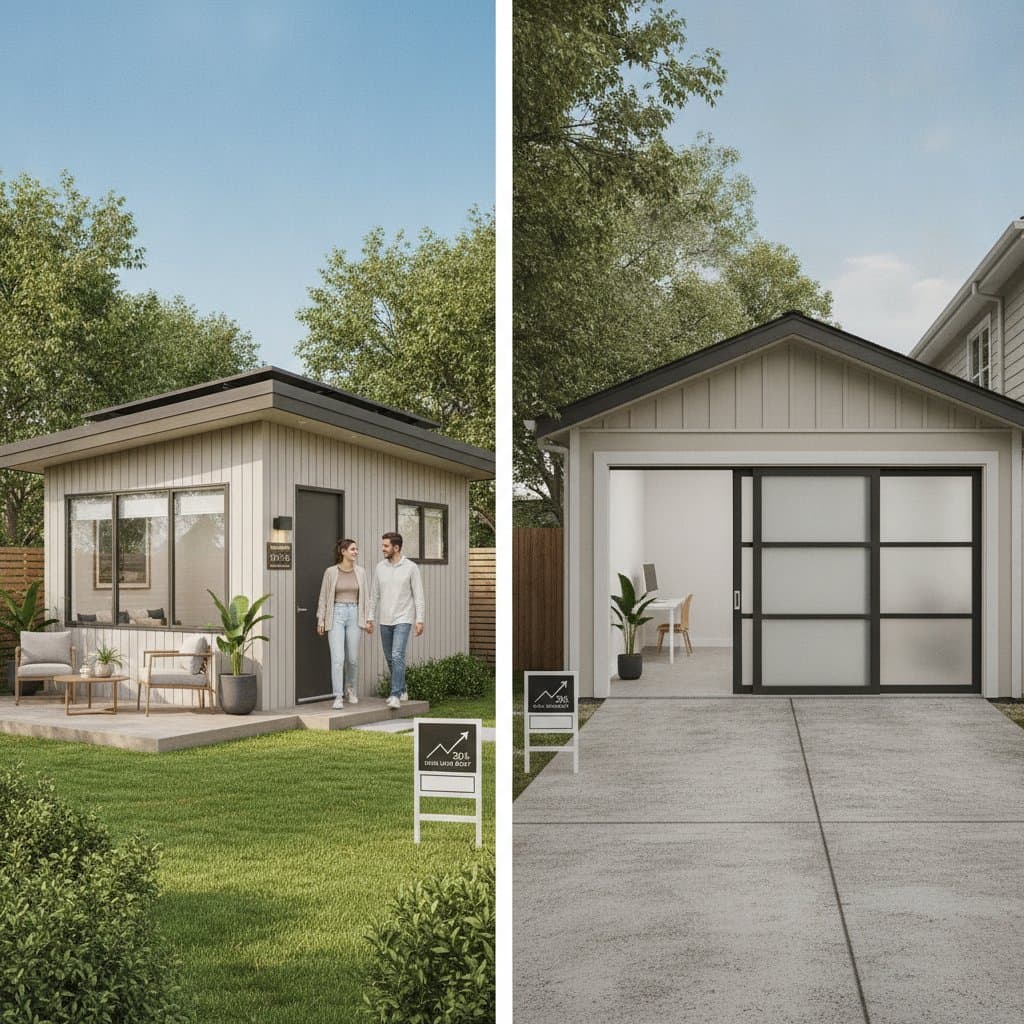
Downsizing to an already accessible property avoids major construction but requires relocation. Building an accessory dwelling unit provides on-site independence at higher cost. Assisted living eliminates remodeling yet involves recurring monthly fees. Portable aids offer short-term solutions with minimal resale impact.
Regional Considerations
Climate influences material choices for ramps and flooring. Coastal areas require corrosion-resistant hardware. Mountain locations may need reinforced railings. Local codes often mandate permits for structural work, and labor costs vary by market.
Financial Returns at Sale
Well-planned features recover 60 to 80 percent of costs upon resale. Accessible homes attract broader interest from multigenerational buyers and retirees. The documented 11 percent premium stems from both practical demand and contemporary design preferences.
Essential Safety Practices
Select slip-resistant flooring rated for wet zones. Follow established standards for grab bar placement and ramp slopes. Engage licensed electricians for any wiring. Anchor all elements to wall studs and verify permit requirements before starting structural changes.
Next Actions for Homeowners
Schedule a safety evaluation with a certified aging-in-place specialist. Focus first on critical safety items, then comfort features. Obtain three detailed quotes from licensed professionals and review their references before proceeding.