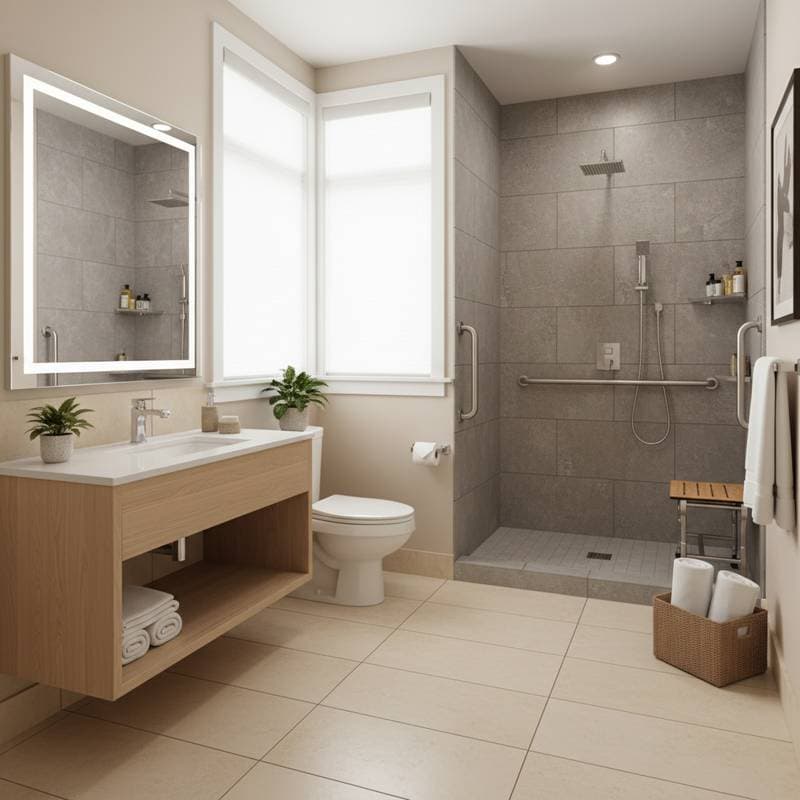
Aging-in-Place Bathrooms Deliver Strong Resale Returns
A well-planned aging-in-place bathroom remodel delivers about 93 percent resale return on investment. Costs start near 12,000 dollars for partial upgrades and reach 35,000 dollars for full conversions.
Understanding Cost Factors
Fixtures and finishes such as grab bars, lever faucets, and slip-resistant flooring improve safety at low cost. Plan for 200 to 600 dollars per fixture.
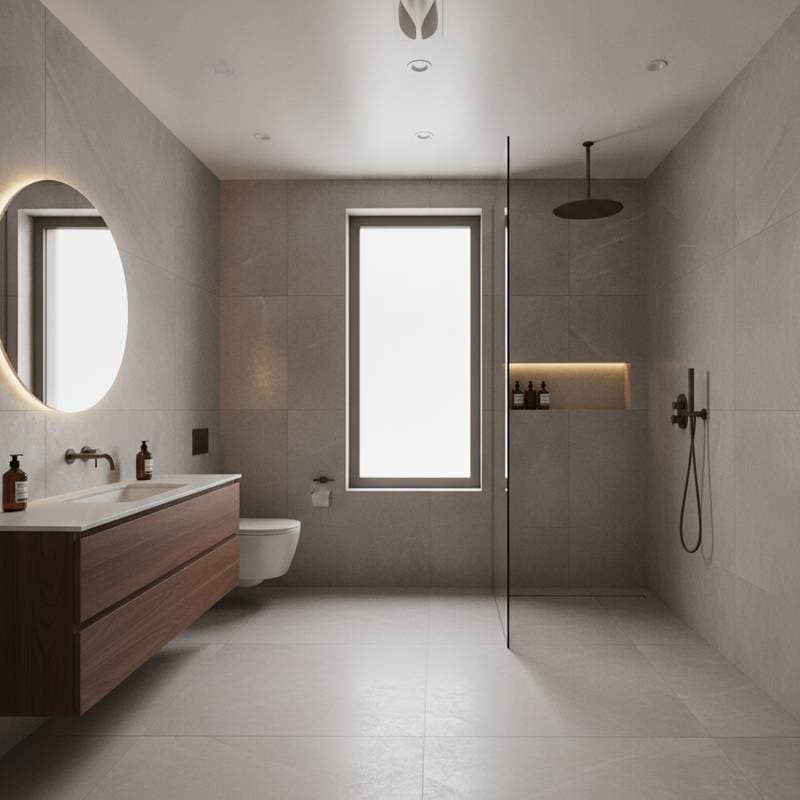
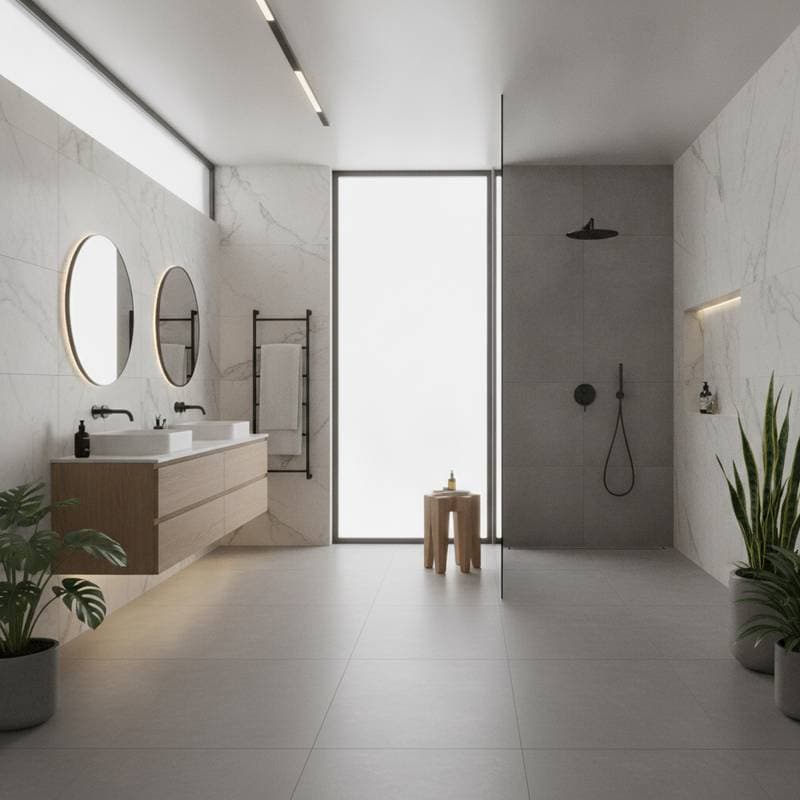
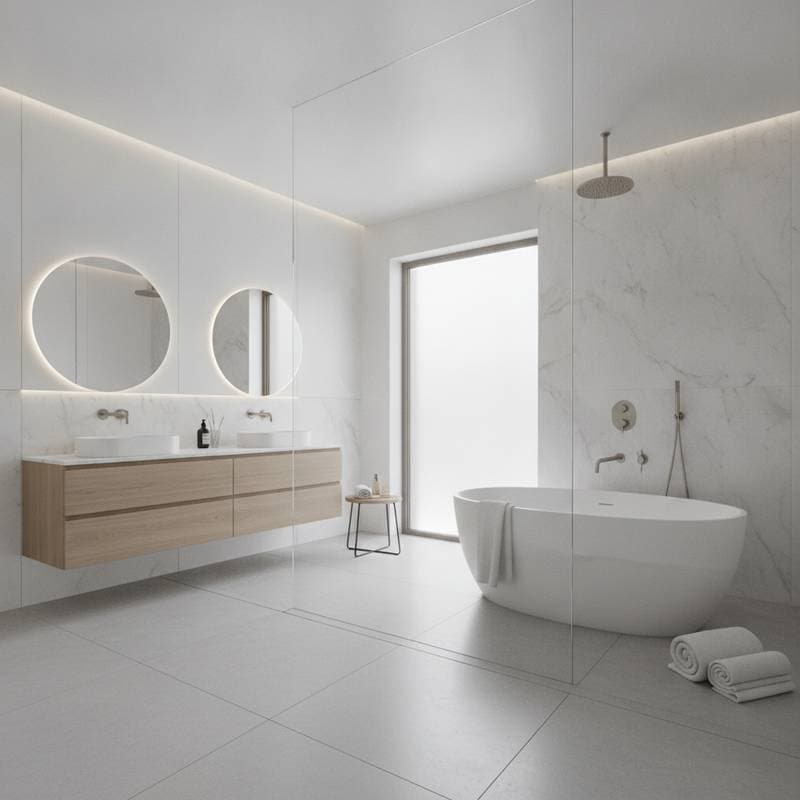
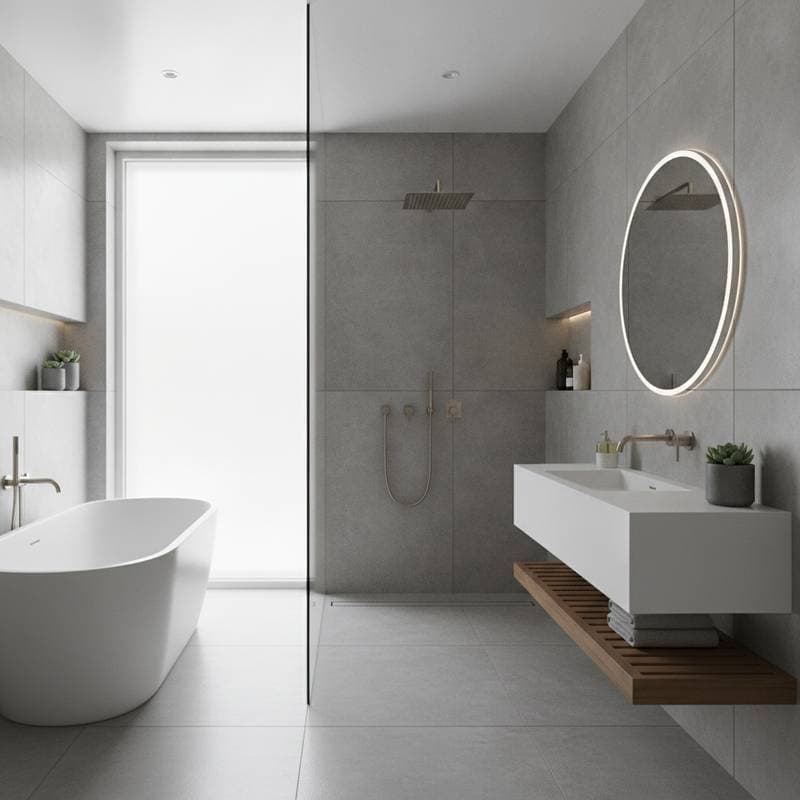
Shower conversions that replace a tub with a curbless shower range from 5,000 to 10,000 dollars. This depends on tile selection, waterproofing methods, and drain relocation.
Plumbing and electrical work that involves moving supply lines or adding lighting increases labor costs by 2,000 to 4,000 dollars.
Accessibility layout changes, including expanding doorways or reconfiguring walls, cost 3,000 to 8,000 dollars in older homes.
Permits and inspections require a budget of 400 to 800 dollars for local approvals.
Add an extra 10 to 15 percent to the budget for unexpected issues in plumbing, subfloor repair, or fixture delays.
Meeting Safety and Code Requirements
Shut off water and power to all fixtures before demolition begins. Wear gloves, goggles, and non-slip shoes during removal of flooring or tile.
Permits are required for any plumbing or electrical changes.
Curbless showers need a minimum slope of one quarter inch per foot toward the drain.
Reinforce walls with blocking so that grab bars support 250 pounds or more.
Use GFCI-protected outlets and sealed fixtures near water sources.
Failing to follow these steps risks leaks, failed inspections, or safety hazards.
Planning Timing and Achieving Savings
Expect a project timeline of 4 to 6 weeks because of fixture lead times and specialty tile shipping. Custom shower pans or glass panels often add a 2-week delay.
Order fixtures before demolition starts to prevent idle labor costs.
Schedule work during off-peak remodeling months to secure lower rates.
Check for utility or local rebates on water-efficient fixtures.
The curbless shower stands out as the single upgrade that prevents the need for repeat remodels when mobility needs change.
Ongoing Maintenance and Warranty Considerations
Strong moisture control helps aging-in-place bathrooms last longer.
Reseal tile grout every 2 to 3 years.
Replace silicone caulk at joints as soon as cracking appears.
Clean slip-resistant flooring with pH-neutral cleaners to maintain grip.
Retain warranty papers for fixtures and waterproofing systems, which typically cover 10 to 15 years.
Early leak detection prevents major expenses. Install a moisture sensor near the shower base when plumbing runs behind finished walls.
Preparing for Your Project
Assess the current layout by measuring door widths and turning space for mobility devices.
Establish a clear budget range based on whether the goal is a safety refresh or a full remodel.
Obtain two licensed bids and confirm which contractor handles permits and warranty registration.
Order materials early because tile and glass delays extend timelines quickly.
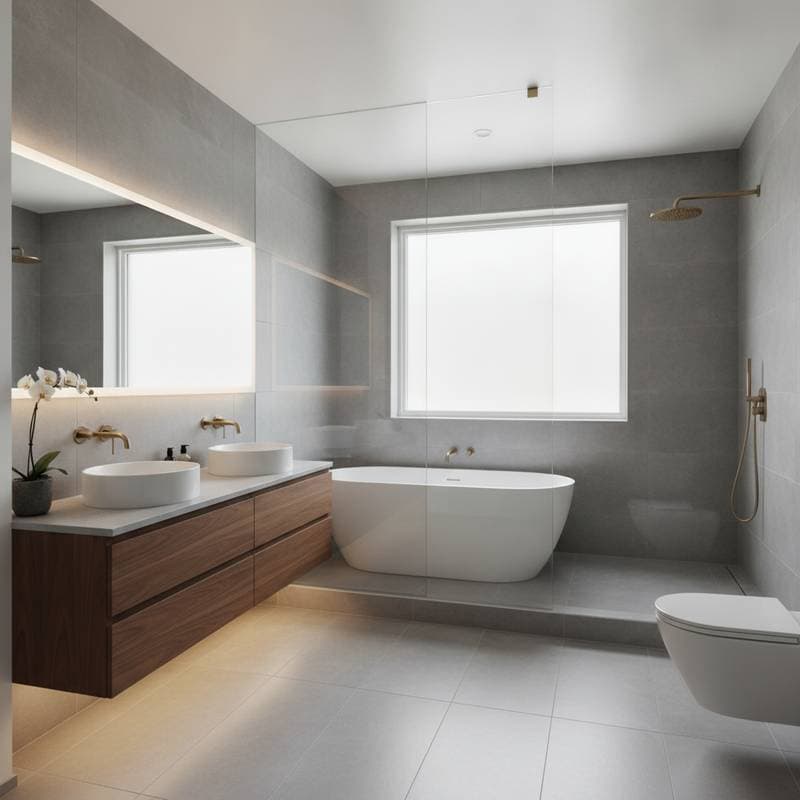
Design with resale in mind by selecting neutral finishes, bright lighting, and accessible storage.
Aging-in-place bathrooms provide immediate comfort along with future value. Practical planning combined with attention to safety creates a space that meets present needs and appeals to future buyers.