Wet Rooms: A 2026 Trend That Enhances Home Value by 11 Percent
Installing a wet room typically costs $14,000 for a medium-sized bathroom conversion and can increase resale value by approximately 11 percent.
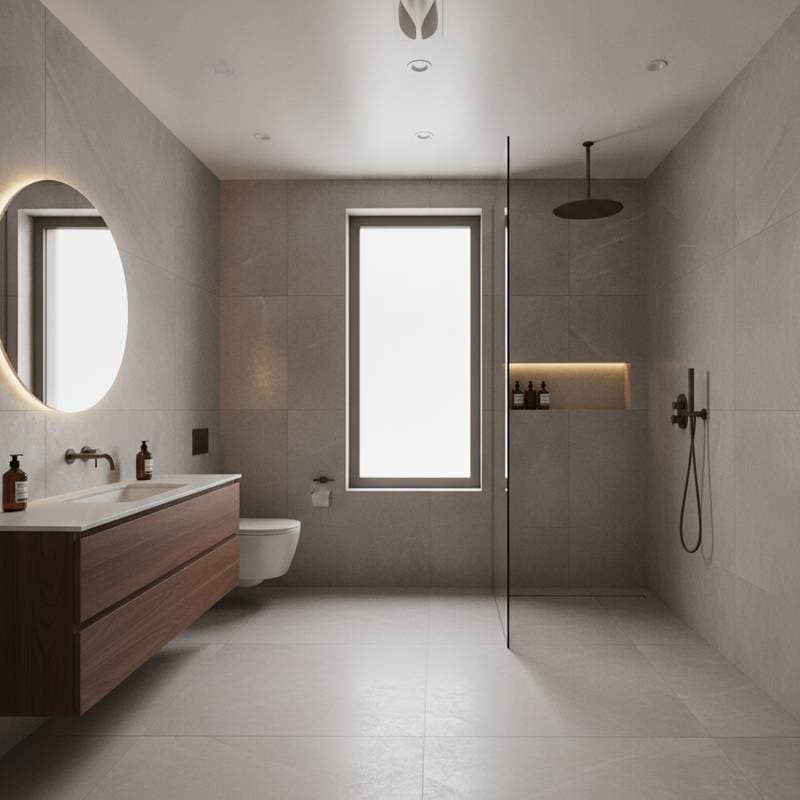
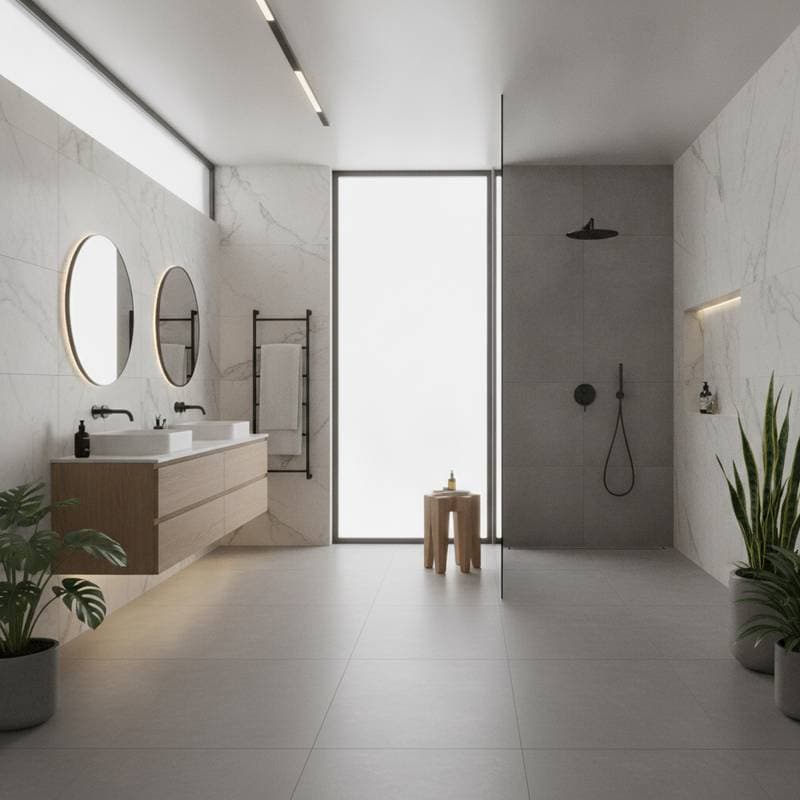
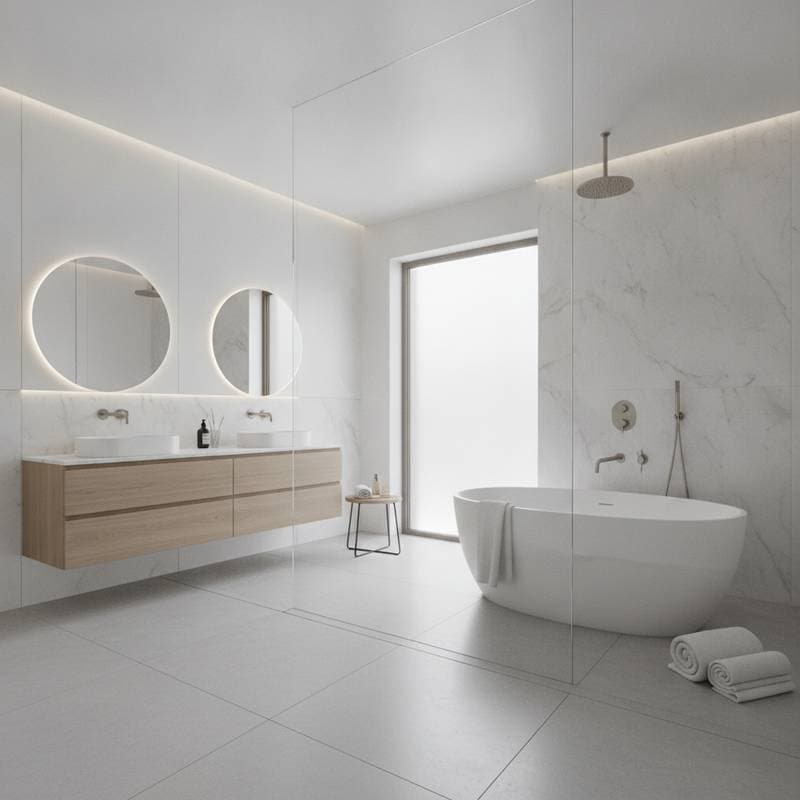
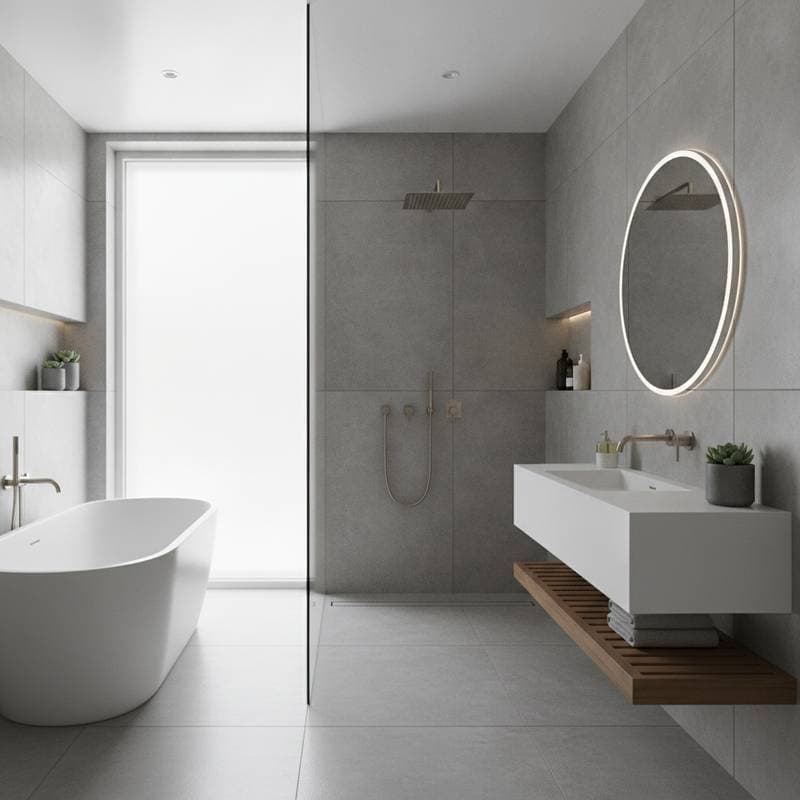
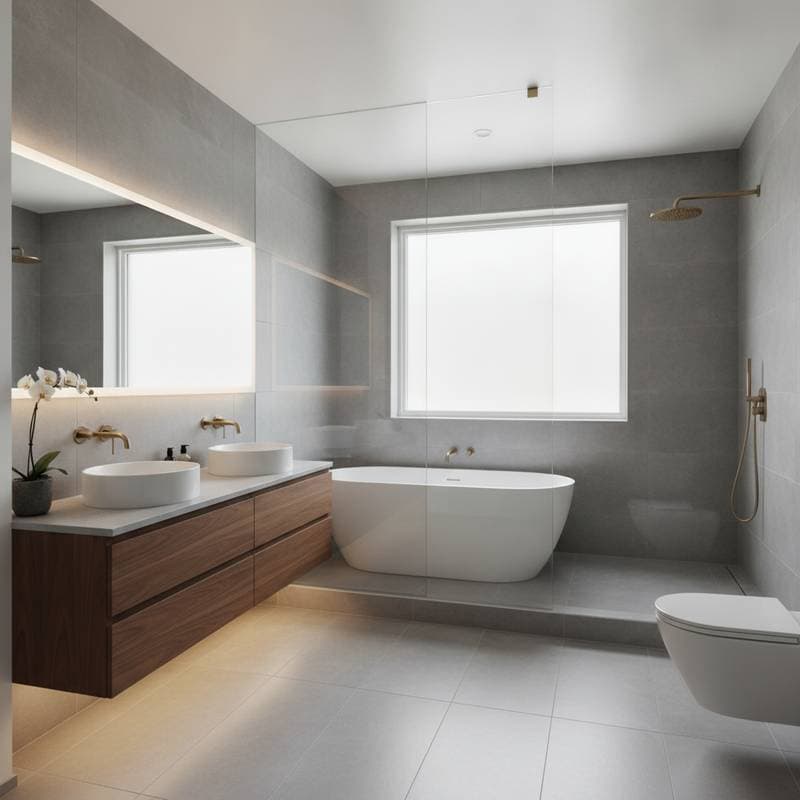
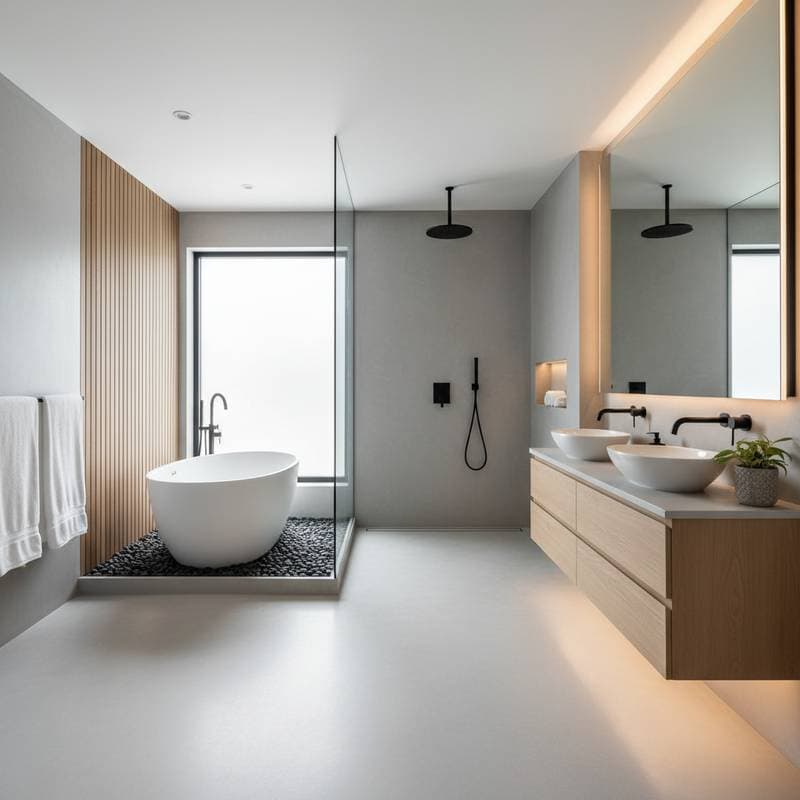
Wet rooms represent fully waterproofed bathrooms featuring doorless showers and expansive, barrier-free layouts. These designs provide a streamlined appearance, eliminate tripping hazards, and attract buyers seeking both accessibility features and contemporary style. Industry forecasts indicate sustained popularity through 2026, driven by the convergence of aging-in-place requirements and preferences for minimalist interiors. Homeowners benefit from spaces that feel luxurious yet practical, supporting daily routines while boosting property appeal in competitive markets.
Key Cost Factors to Consider
Understanding the breakdown of expenses helps in planning a budget that aligns with quality outcomes. Each element contributes to the overall functionality and aesthetic of the wet room.
1. Waterproofing System
Allocate $1,500 to $3,000 for comprehensive waterproofing, which includes specialized membranes, sealants, and adjustments to floor slope. This foundational component prevents water infiltration, ensuring the structure remains intact over time. Professionals recommend using liquid-applied membranes for seamless coverage, particularly in areas prone to moisture buildup; failure to invest here often results in costly repairs from leaks or mold growth.
2. Tile Selection
Ceramic tiles begin at $2 per square foot, whereas porcelain or natural stone options extend to $10 per square foot. Opt for larger format tiles to minimize grout lines and reduce installation time, but ensure precise alignment to facilitate proper water drainage. Consider slip-resistant surfaces with a coefficient of friction above 0.6 for safety, especially in households with children or elderly residents.
3. Drainage Solutions
Linear drains range from $250 to $800, offering a sleek integration with modern flooring, while traditional center drains cost $100 to $300. Linear designs excel in accessibility, accommodating wheelchair maneuvers by directing water efficiently along walls. Select stainless steel or polymer options for corrosion resistance, and verify compatibility with your flooring material during the planning phase.
4. Plumbing Adjustments
Relocating supply lines or drains incurs $1,000 to $2,500, with additional challenges in homes built on concrete slabs requiring saw-cutting and concrete patching. Evaluate the existing plumbing layout early to avoid surprises; for instance, upgrading to low-flow fixtures can offset some costs while promoting water efficiency. Consult a licensed plumber to assess feasibility and comply with local building codes.
5. Glass Enclosures or Dividers
Frameless glass panels or partial screens cost $700 to $1,800, scaled by dimensions and glass thickness. These elements contain water spray effectively without enclosing the space, preserving the open feel. Choose tempered glass at least 3/8-inch thick for durability, and incorporate easy-clean coatings to simplify upkeep.
6. Professional Labor
Licensed contractors charge $70 to $120 per hour, totaling $4,000 to $7,000 based on project complexity and regional rates. Factor in time for demolition, installation, and finishing; complex layouts with multiple adjustments demand higher expertise. Verify contractor credentials, including certifications in waterproofing and accessibility standards, to guarantee a flawless execution.
DIY Options Versus Professional Installation
Certain tasks suit DIY efforts for cost savings and personalization, but others require expert intervention to avoid risks.
Suitable for DIY
- Replacing existing tiles or applying fresh sealants to refresh the space.
- Mounting accessories such as grab bars, mirrors, or shelving units.
- Adding secondary waterproof coatings over stable surfaces.
These activities demand basic tools like tile cutters and levels, along with adherence to manufacturer instructions. Start with small-scale tests to build confidence and ensure compatibility with the overall design.
When to Engage Professionals
Seek expert help if you encounter subfloor irregularities, uneven slopes, concealed plumbing, or electrical fixtures adjacent to wet zones. Professionals guarantee a precise 1/4-inch per foot slope toward the drain and adherence to stringent waterproofing codes. In older homes, anticipate hidden issues like outdated piping; one undetected leak can exceed the labor investment in repairs. Reserve an additional 10 to 15 percent of your budget for unforeseen challenges, such as structural reinforcements.
Long-Term Maintenance and Warranty Essentials
A well-constructed wet room endures two to three decades with routine care, preserving both performance and appearance. Inspect sealant joints yearly and reapply grout every three to five years to maintain water resistance. Clear drains regularly to remove debris like hair and soap residue, preventing water stagnation and potential odors. For added luxury, heated flooring systems warrant lifetime coverage on electrical components when installed by qualified electricians; retain all documentation for claims.
Prioritize warranties from reputable brands for membranes and drains, often spanning 10 to 25 years. Document the installation process with photos and receipts, as many guarantees stipulate proof of professional workmanship. Simple habits, such as using gentle cleaners and avoiding abrasive tools, extend the life of tiles and fixtures significantly.
Steps to Implement Your Wet Room Project
Approach the transformation methodically to achieve optimal results.
-
Evaluate Your Bathroom Layout. Measure current floor slope, ceiling clearance, and available space to determine feasibility for an open design.
-
Establish a Detailed Budget. Account for materials, labor, and a 15 percent contingency for plumbing rerouting or structural modifications.
-
Solicit Multiple Quotes. Inquire about specific membrane types, slope specifications, and warranty details from at least two contractors.
-
Incorporate Accessibility Features. Install curbless entries and reinforced walls for grab bars to prepare for future needs, regardless of current requirements.
-
Account for Material Lead Times. Premium tiles and custom glass may require several weeks; order early to avoid project delays.
Realizing Lasting Benefits from Your Wet Room
Wet rooms provide enduring comfort, enhanced safety, and substantial resale advantages when executed with precision. Prioritize robust waterproofing as the cornerstone of the project, ensuring the seamless, expansive design remains reliable for generations. This investment not only refines daily living but also positions your home favorably in evolving real estate landscapes.