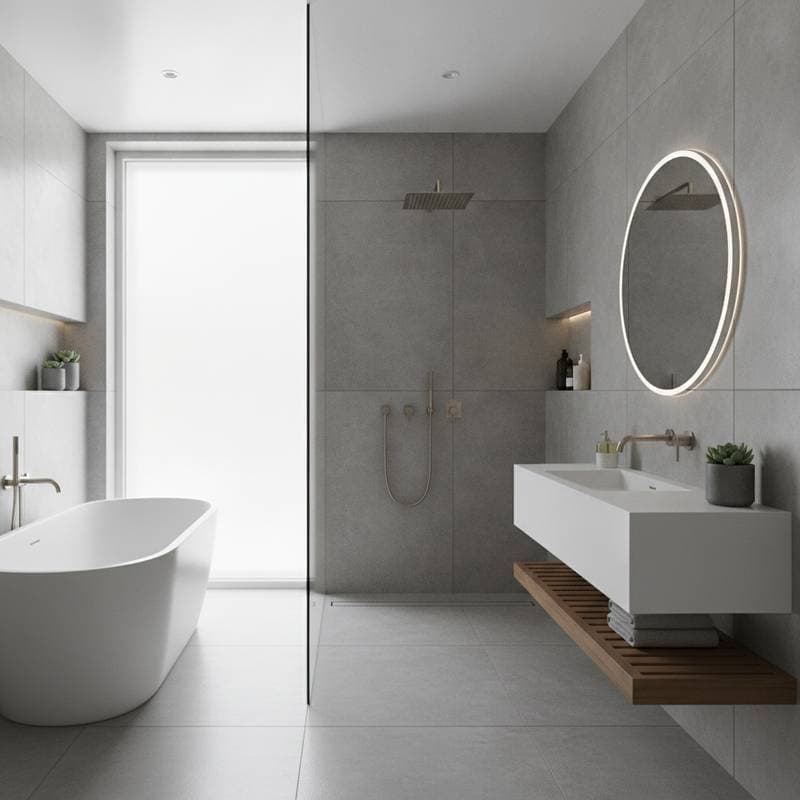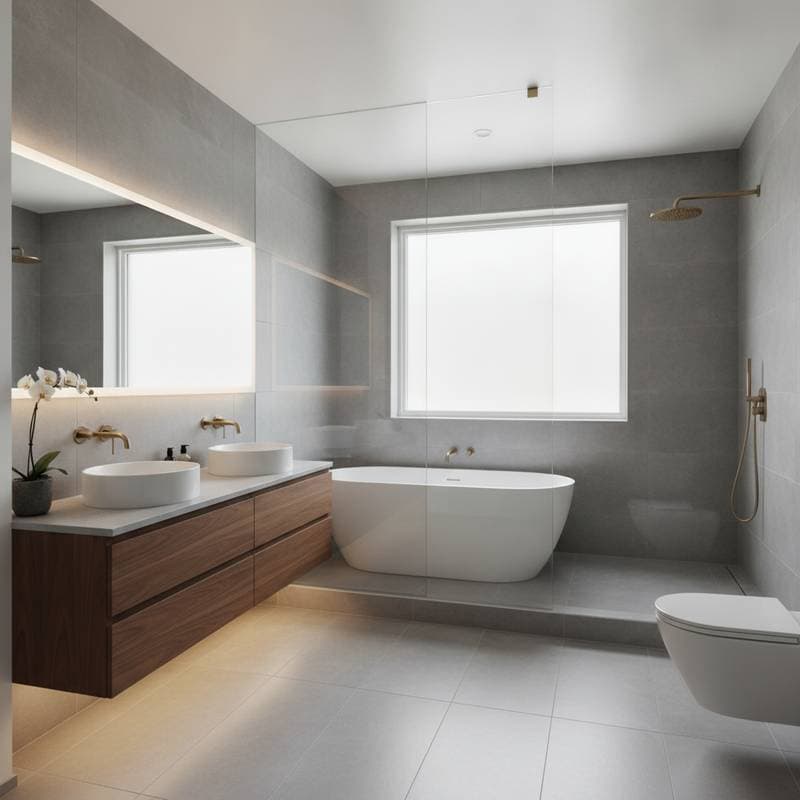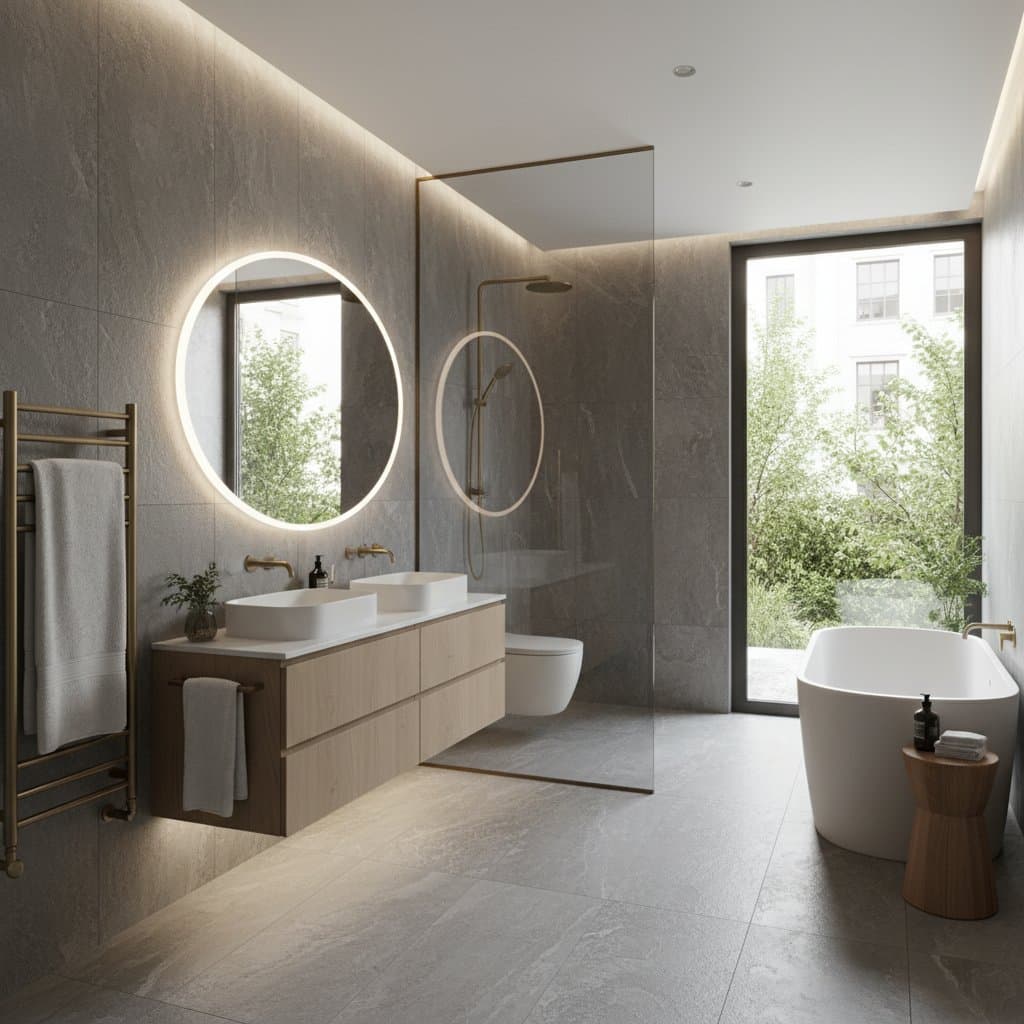
Understanding Wet Rooms and Their Rising Popularity
Wet rooms represent a shift in bathroom design toward open, seamless spaces that eliminate traditional boundaries. These installations feature fully waterproof environments where the shower area integrates without curbs or trays, creating a fluid layout. Homeowners increasingly choose wet rooms for their blend of aesthetics and functionality, positioning them as a key trend through 2026.
The appeal lies in their adaptability to modern lifestyles. They offer a spa-like retreat while addressing practical needs such as aging in place. As real estate markets evolve, such upgrades signal forward-thinking design that attracts buyers.
Defining Wet Room Essentials
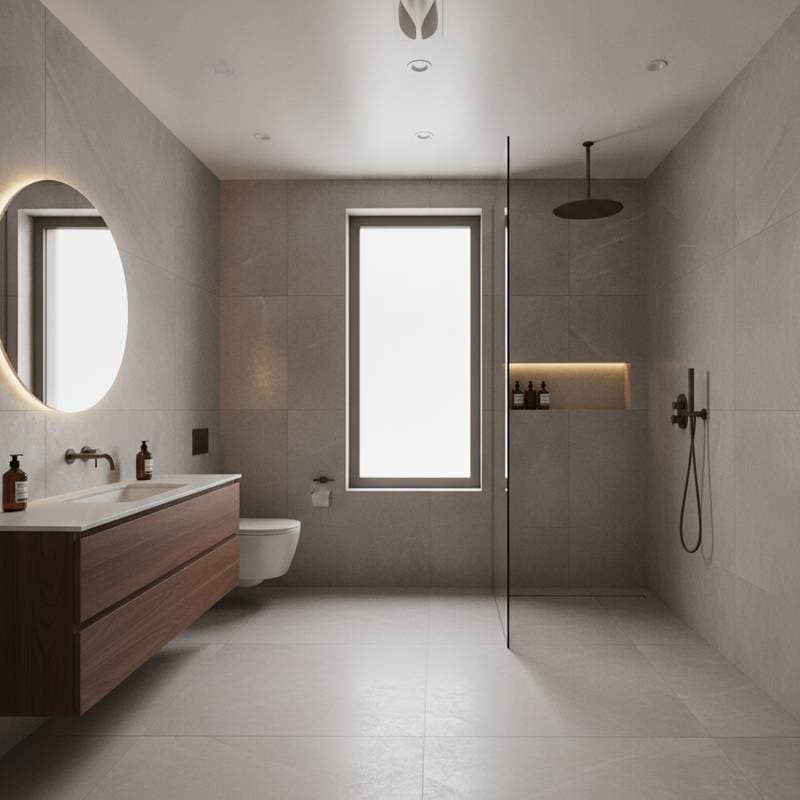
A wet room consists of a bathroom where the entire floor slopes gently to a central drain, allowing water to flow freely without enclosures. Walls and floors receive specialized waterproofing treatments, often using tiles, membranes, or resin coatings. This setup contrasts with conventional bathrooms by removing barriers, which enhances both visual openness and ease of movement.
Key components include anti-slip flooring to prevent hazards, recessed drains for efficient water management, and durable, water-resistant materials. Professional assessments ensure proper grading and sealing to avoid leaks. These elements combine to create a cohesive, low-maintenance space.
Advantages for Accessibility and Daily Use
Wet rooms excel in promoting accessibility, particularly for individuals with mobility challenges. The absence of steps or thresholds facilitates wheelchair access and reduces fall risks, making them ideal for universal design principles. This feature extends usability across generations, adding long-term value to properties.
Maintenance proves straightforward due to the seamless surfaces that resist mold and grime buildup. Cleaning requires simple wiping, as water drains quickly without standing pools. Such efficiency appeals to busy households and underscores the practical benefits of this design.
Energy savings emerge from integrated heating options, like underfloor systems, which warm the entire space evenly. These additions enhance comfort without excessive utility costs. Overall, wet rooms deliver a harmonious balance of luxury and utility.
Impact on Property Value Projections
Market analyses predict wet rooms will contribute an 11 percent increase to home values by 2026, driven by demand for inclusive and contemporary features. Real estate experts attribute this rise to buyer preferences for homes that require minimal modifications for accessibility. In competitive markets, such renovations differentiate properties and accelerate sales.
Data from recent surveys shows bathrooms as high-return investments, with wet rooms outperforming standard updates. The projected boost reflects broader trends toward sustainable, adaptable living spaces. Investors recognize this as a strategic enhancement for resale potential.
Regional factors, such as urban density and aging populations, amplify the value addition. Properties with wet rooms command premiums in areas prioritizing modern amenities. This trend solidifies their role in elevating overall home equity.
Design Strategies for Optimal Results
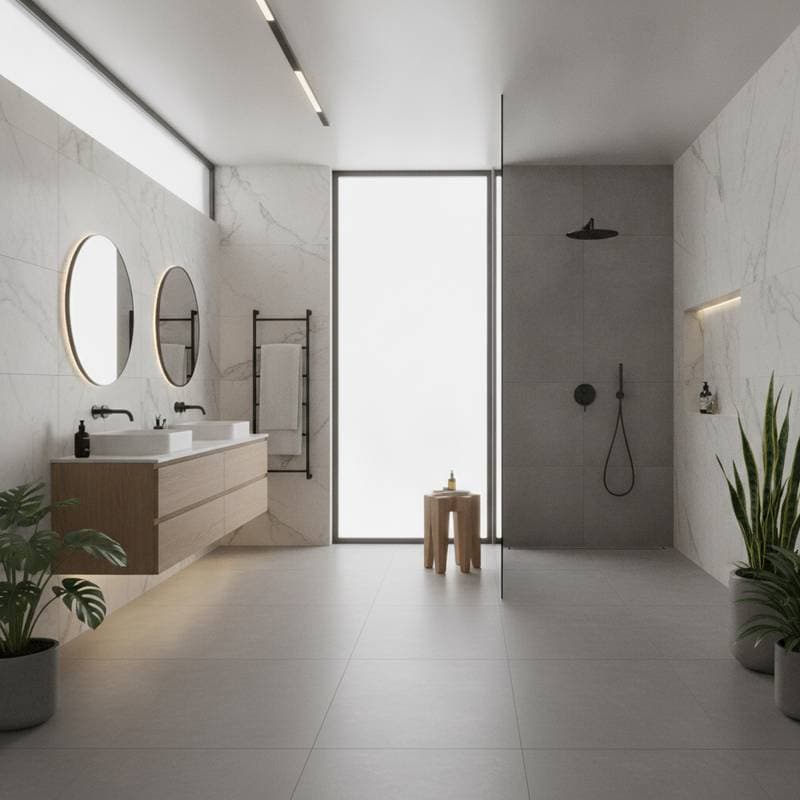
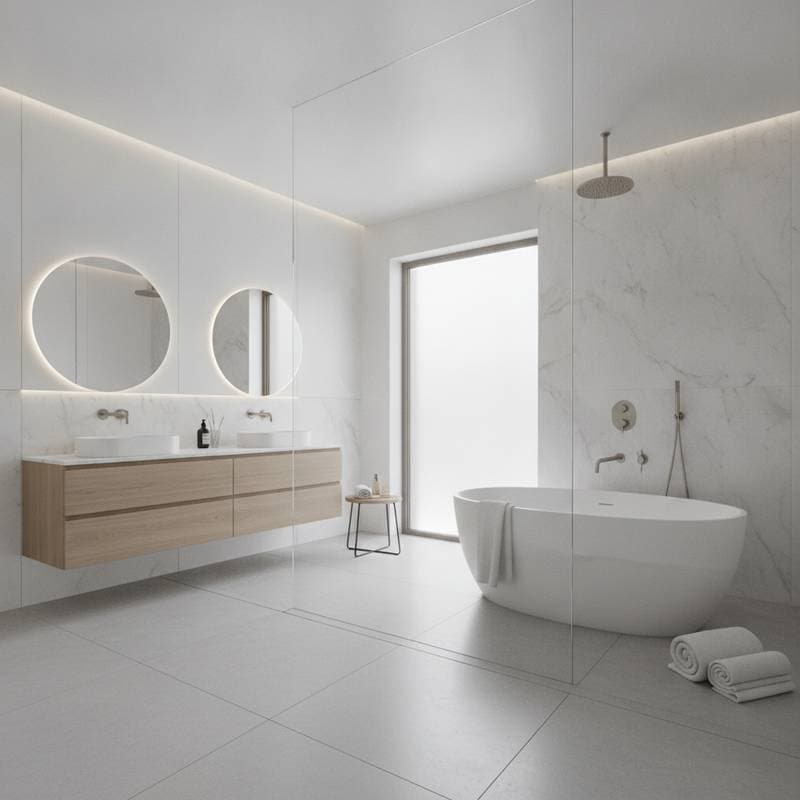
Selecting materials forms the foundation of a successful wet room. Opt for porcelain or natural stone tiles that withstand moisture while providing texture for grip. Glass partitions, if desired, should feature frameless designs to maintain the open feel without compromising safety.
Lighting plays a crucial role in enhancing ambiance and functionality. Recessed fixtures illuminate the space evenly, while dimmable options allow mood adjustments. Integrate natural light through frosted windows or skylights to amplify the spa-like quality.
Storage solutions must blend seamlessly to preserve the minimalist aesthetic. Wall-mounted shelves or recessed niches accommodate essentials without clutter. Custom vanities with soft-close mechanisms add practicality to the refined design.
Layout Planning Tips
- Measure the space precisely to ensure adequate room for movement, aiming for at least 36 inches around fixtures.
- Position the drain centrally or offset based on traffic flow to optimize drainage.
- Incorporate heating elements early in the plan to avoid retrofitting complications.
These steps guide toward a layout that maximizes both form and function.
Budgeting for Wet Room Renovations
Installation costs for wet rooms typically range from $15,000 to $30,000, depending on size and materials. Basic setups in smaller bathrooms fall toward the lower end, while luxury finishes push expenses higher. Factor in demolition, plumbing adjustments, and waterproofing as core expenses.
Savings arise from reduced material needs, as wet rooms eliminate shower bases and doors. Long-term benefits include lower water bills from efficient fixtures and decreased maintenance outlays. Compare quotes from certified contractors to identify value-driven options.
Financing through home equity lines or renovation loans eases upfront burdens. Return on investment materializes quickly through enhanced appeal and potential tax deductions for accessibility features. Careful budgeting ensures the project aligns with financial goals.
Professional Installation Best Practices
Engage licensed professionals experienced in wet room conversions to guarantee compliance with building codes. Initial consultations involve site evaluations to assess structural integrity and plumbing feasibility. Detailed blueprints outline waterproofing layers and drainage systems.
The process spans several weeks, starting with demolition and waterproof membrane application. Installers test for leaks before tiling and fixture placement. Final inspections verify functionality and safety standards.
Post-installation care includes sealing grout annually and monitoring for wear. Regular upkeep preserves the investment and extends lifespan. Choosing reputable teams minimizes disruptions and ensures quality outcomes.
Securing the 11 Percent Value Uplift
The 11 percent value increase stems from wet rooms' alignment with emerging buyer priorities, including sustainability and inclusivity. Projections for 2026 account for rising demand in secondary markets where such features command premiums. Appraisals increasingly factor in these upgrades as standard enhancements.
To achieve this uplift, focus on high-quality execution that showcases the design's benefits. Market timing influences returns, with installations completed before peak selling seasons yielding optimal results. Consult local realtors for insights on regional trends.
This renovation not only boosts monetary value but also enriches living experiences. Properties equipped with wet rooms stand out in listings, drawing discerning buyers. The combination of immediate enjoyment and future gains makes it a compelling choice.
Elevate Your Home with Strategic Upgrades
Implementing a wet room transforms routine spaces into havens of comfort and efficiency. Prioritize designs that reflect personal style while adhering to practical standards. This investment promises enduring satisfaction and financial rewards.
Explore options through consultations to tailor the project to specific needs. The result delivers a home that evolves with its occupants, securing both aesthetic appeal and market edge. Embrace this upgrade to unlock untapped potential in your property.