Wellness Rooms in 2026: Elevate Your Home Value by 11%
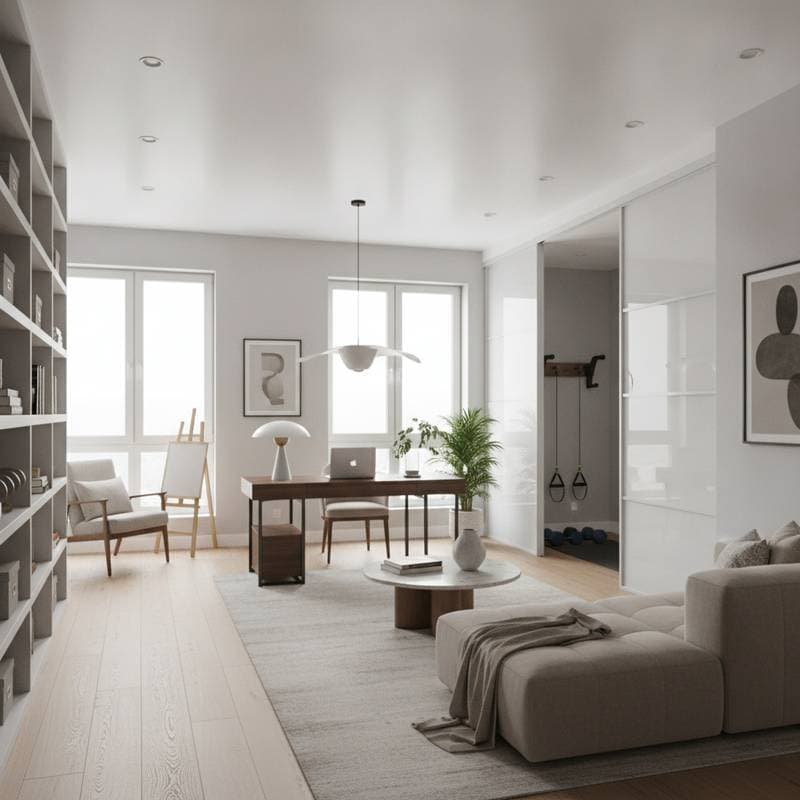
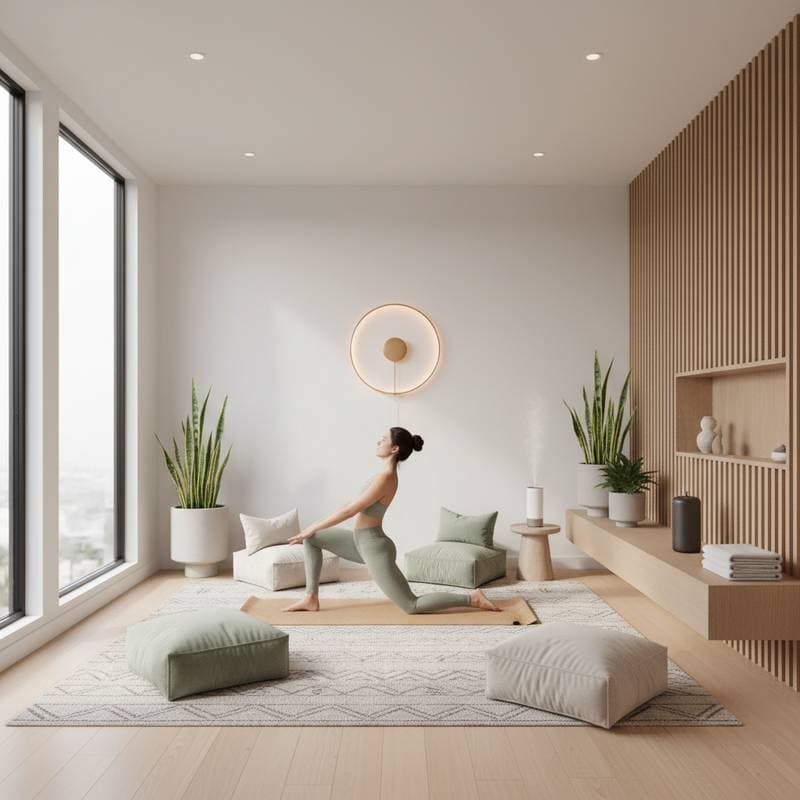
Homeowners seek innovative ways to enhance property appeal amid rising demand for health-focused living spaces. Wellness rooms emerge as a compelling addition, projecting an average 11% uplift in resale value by 2026. These versatile areas, ranging from meditation nooks to yoga retreats, transform idle spaces into havens of restoration, appealing to buyers prioritizing mental and physical well-being.
Construction costs typically span $8,000 to $25,000, influenced by dimensions, materials, and features. Such investments not only foster daily serenity but also position the home favorably in competitive markets. Consider converting a spare bedroom, attic alcove, or basement section to maximize both utility and equity.
Key Cost Considerations
Budgeting requires attention to several elements that shape the overall expense.
1. Room Dimensions and Material Quality.
A compact 8x10-foot area with straightforward vinyl flooring and neutral paint finishes approaches the lower end at $8,000. Expansive layouts or upscale options, such as resilient cork underfoot, sound-absorbing wall panels, and bespoke storage solutions, escalate toward $25,000. Select materials that align with intended use, ensuring durability without excess.
2. Climate Control and Illumination Systems.
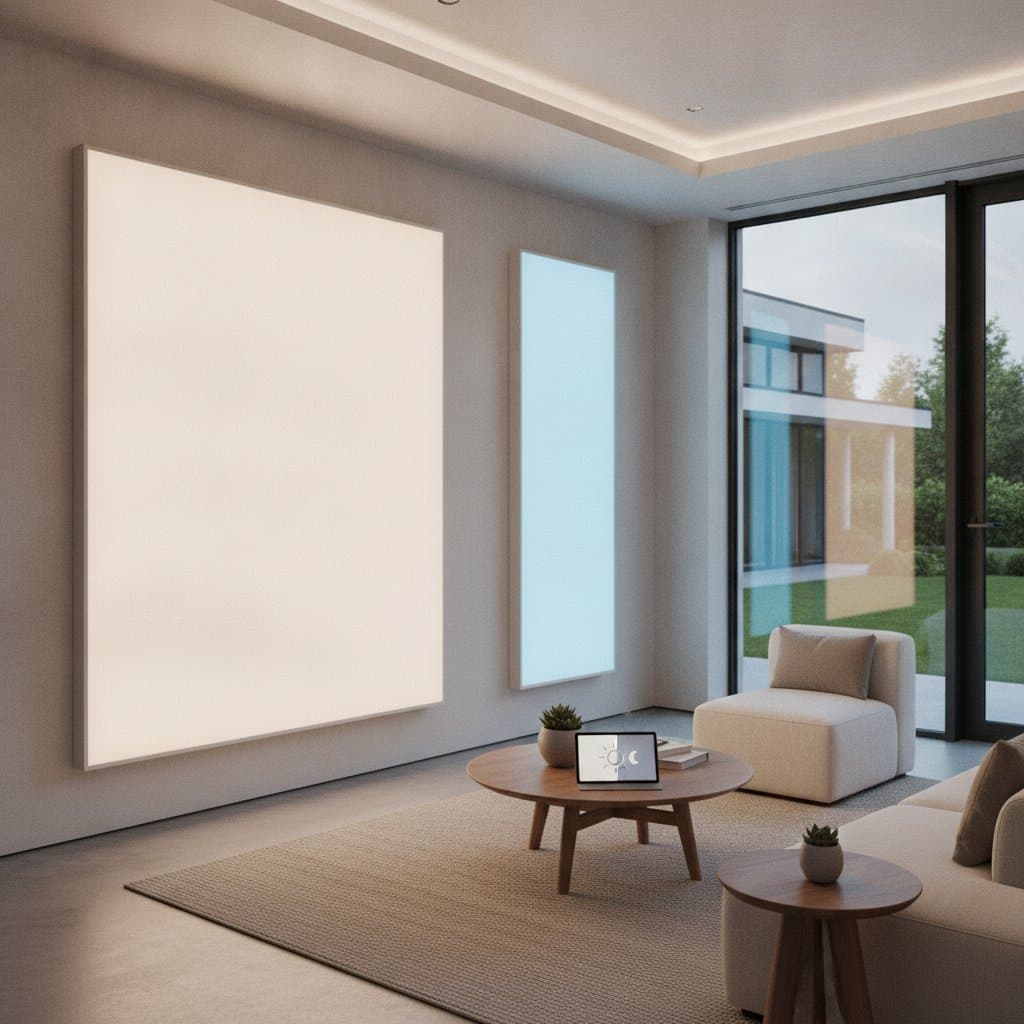
Integrating a compact split-system air conditioner for precise temperature regulation incurs $2,000 to $4,000. Incorporate adjustable LED fixtures for ambient lighting, adding $400 to $1,000, to support varied activities from deep relaxation to gentle exercise.
3. Acoustic Enhancement.
Sound-dampening materials, priced at approximately $2 per square foot, provide essential seclusion. These elements mitigate external noise, enhancing the room's efficacy as a recovery zone, though they contribute noticeably to material outlays.
4. Regulatory Compliance.
Structural modifications or electrical upgrades necessitate permits costing $300 to $800. Verify adherence to local building codes regarding air circulation and emergency exits to avoid delays or fines.
5. Site Preparation and Contingencies.
Removing outdated carpeting, patching drywall, or dismantling fixtures may add $500 to $1,500. Allocate an additional 10 to 15 percent of the budget for unforeseen issues, particularly in homes over 20 years old.
DIY Approaches Versus Professional Services
Determine the execution method based on project scope and personal capabilities.
Opt for DIY When:
- Tasks focus on surface-level updates, such as applying fresh coats of paint or laying peel-and-stick flooring.
- Basic tools like saws, levels, and drills are available, paired with prior hands-on experience.
- Installations involve plug-in devices only, adhering strictly to safety guidelines for electrical connections.
Engage Professionals When:
- Alterations include running new wiring, installing additional outlets, or integrating HVAC components.
- Features encompass fixed shelving units or heated floor systems requiring precise installation.
- Adjustments to humidity management or airflow systems demand specialized knowledge.
Bypassing experts for complex elements risks safety violations and potential complications during property appraisals.
Upkeep and Longevity Strategies
Sustaining the space ensures its value endures over time.
- Employ gentle, eco-friendly solutions to wipe down surfaces, preserving air quality.
- Schedule routine replacements for bulbs and air filters to maintain optimal performance.
- Apply protective sealants to natural flooring materials every five years to prevent wear.
- Retain documentation of all installations and repairs, bolstering credibility at sale.
Minimal yearly attention allows the wellness room to serve reliably for generations.
Steps to Launch Your Wellness Room Project
Embark on this enhancement with structured planning for efficiency and results.
- Assess the Area. Measure dimensions and note existing utilities like electrical sockets, heating vents, and natural light sources.
- Establish Financial Boundaries. Target $8,000 to $25,000, adjusting based on selected features and scale.
- Define Primary Functions. Choose between dedicated meditation, flexible stretching, or a hybrid relaxation environment.
- Solicit Estimates. Consult at least two certified specialists for any work involving power or climate systems.
- Begin Modestly If Needed. Initiate with foundational changes like color schemes, fixtures, and basic surfacing to yield immediate ambiance and value.
A wellness room, thoughtfully designed, stands as a pinnacle of home improvement, blending personal rejuvenation with substantial economic benefits.