Introduction to Hidden Wine Cellars
Homeowners seek distinctive features that set properties apart in competitive markets. Hidden wine cellars fulfill this need by integrating luxury storage seamlessly into living spaces. These installations not only preserve valuable collections but also signal refined taste, contributing to a 15 percent uplift in home valuation projected for 2025.
The appeal lies in their discretion. Unlike visible bars or racks, hidden cellars maintain architectural harmony while adding practical utility. As real estate trends favor personalized, high-end amenities, such additions become key differentiators.
The Value Proposition of Hidden Wine Cellars
Real estate experts predict that niche upgrades like wine cellars will drive premium pricing. A well-executed hidden cellar enhances perceived luxury, appealing to affluent buyers. Studies indicate that homes with specialized storage features command higher offers, with wine cellars specifically linked to a 15 percent value increase.
This boost stems from multiple factors. Buyers associate such installations with lifestyle elevation, envisioning gatherings around prized vintages. Moreover, the investment reflects thoughtful property customization, which appraisers reward in assessments.
Sustainability plays a role too. Modern cellars incorporate energy-efficient cooling systems, aligning with eco-conscious buyer preferences. This combination of form, function, and forward-thinking design solidifies their market impact.
Design Options for Seamless Integration
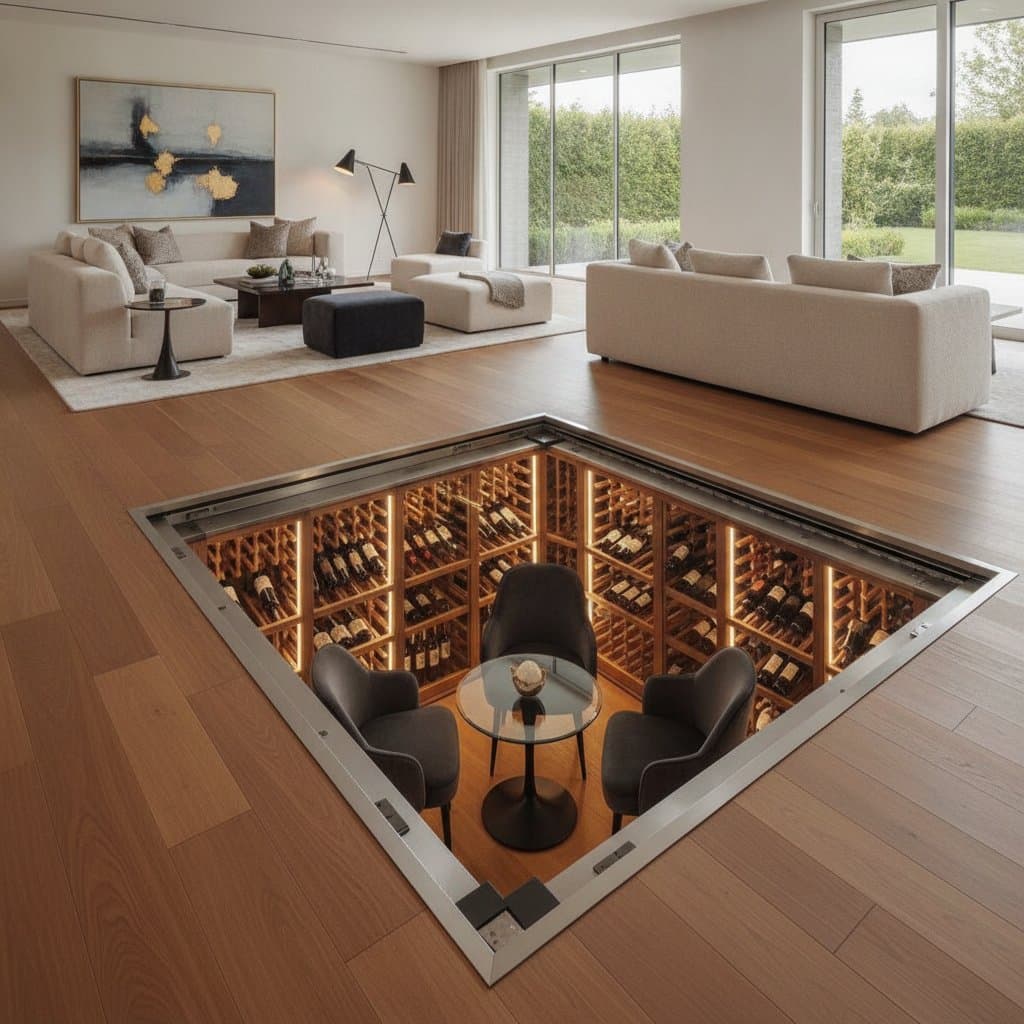
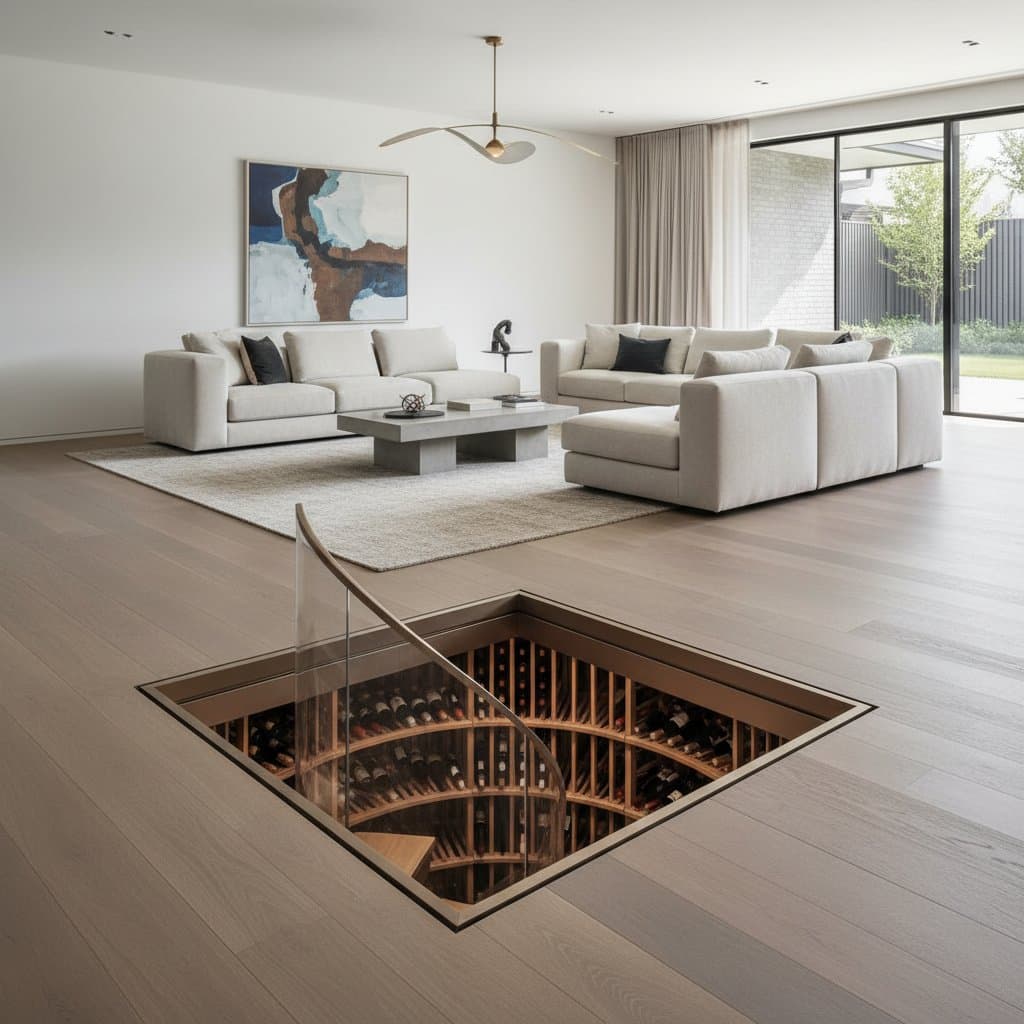
Selecting the right design ensures the cellar complements the home's character. Underfloor spirals offer a dramatic entrance, winding down from a living area floor for a sense of discovery. These suit contemporary homes where space conservation matters.
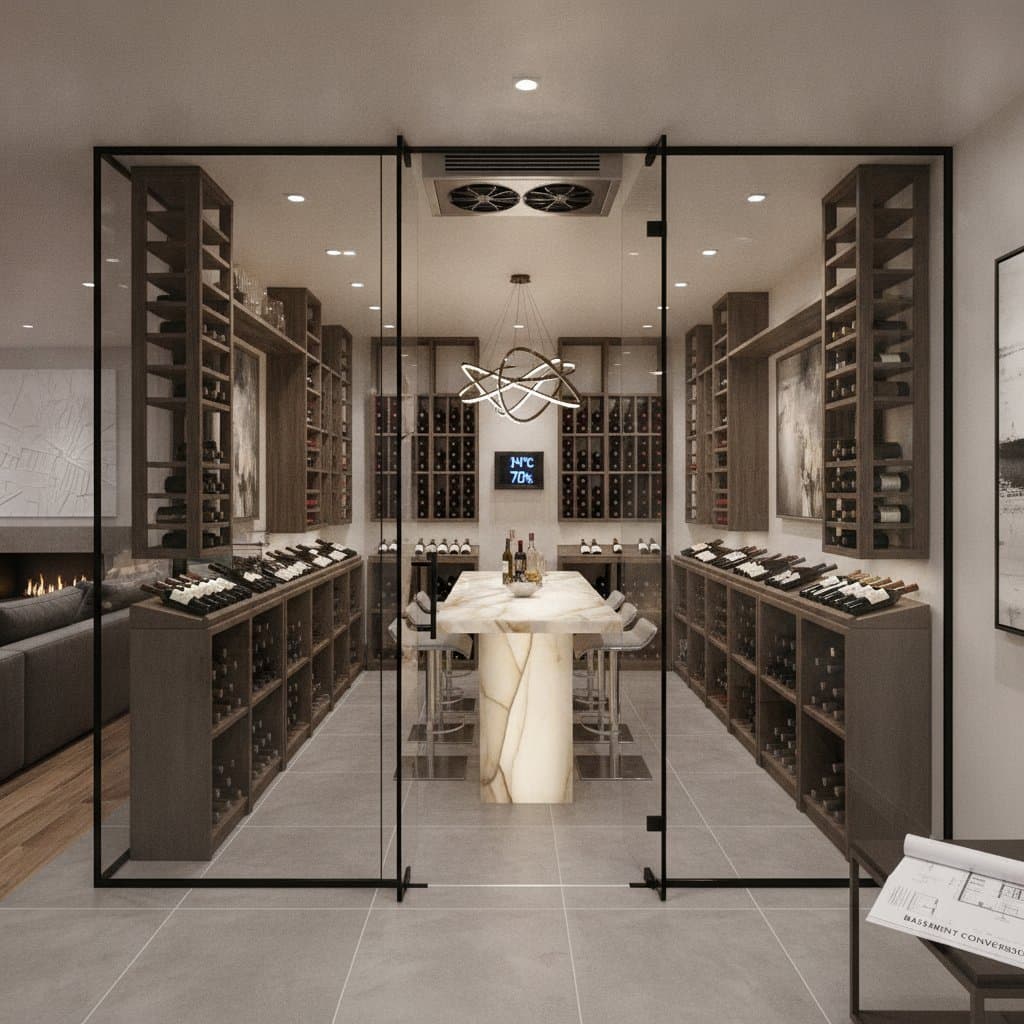
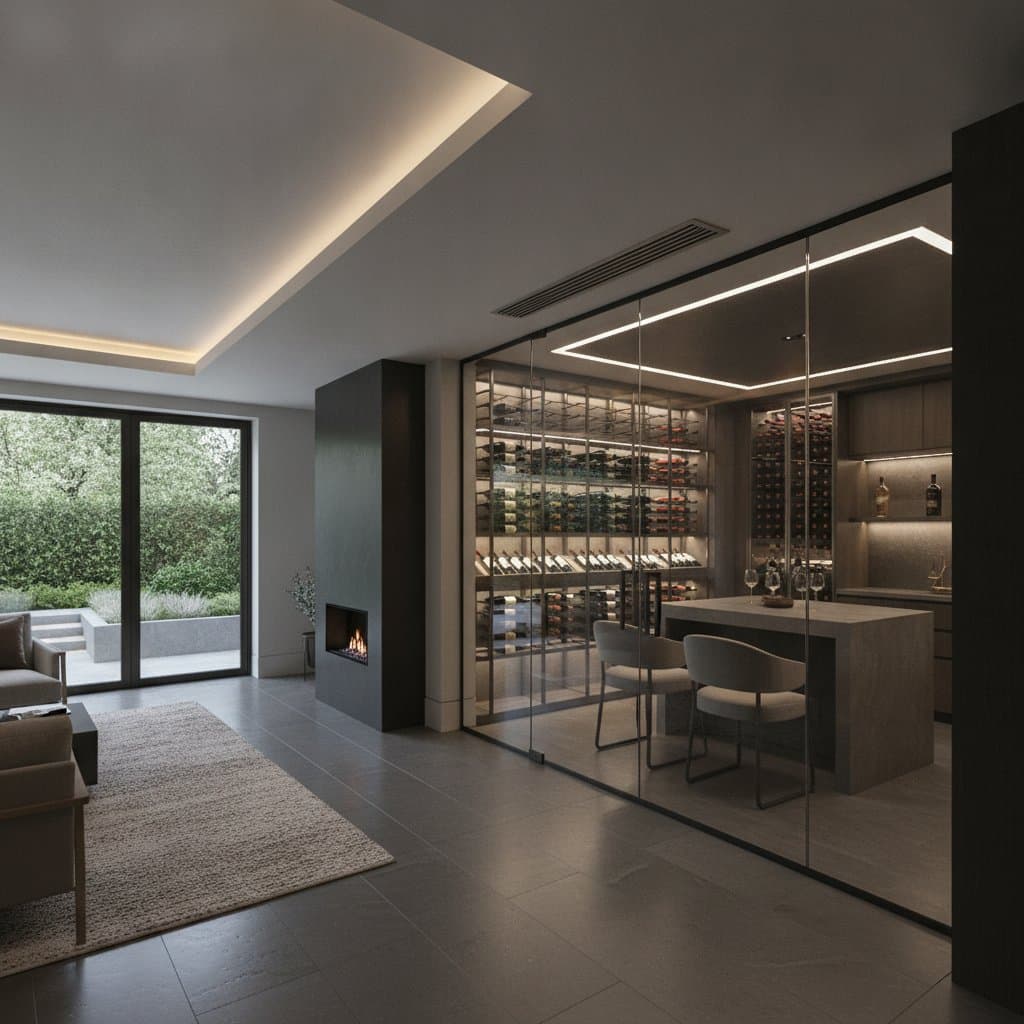
Basement conversions provide ample capacity without altering upper levels. Professionals reinforce structures and install custom racking to maximize storage. Wall-integrated units, disguised behind cabinetry or bookshelves, fit tighter spaces like kitchens or studies.
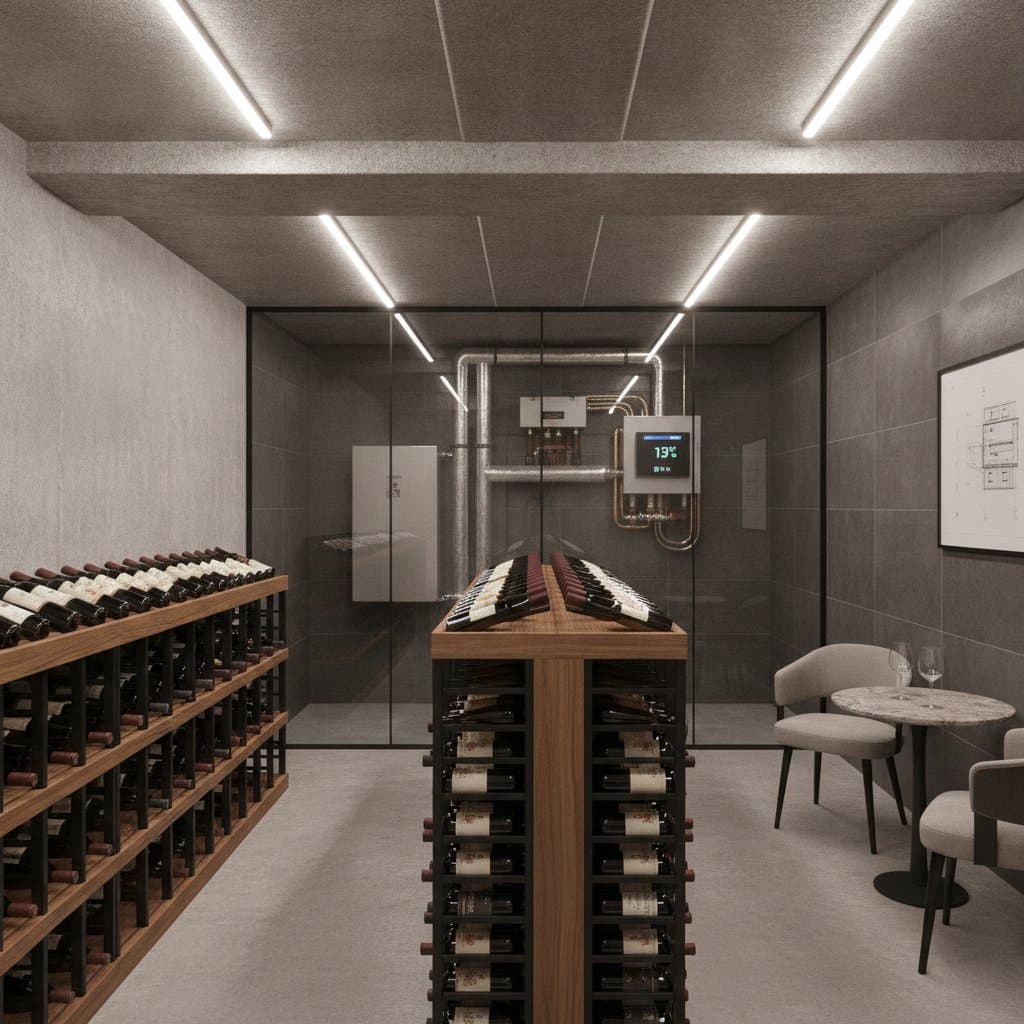
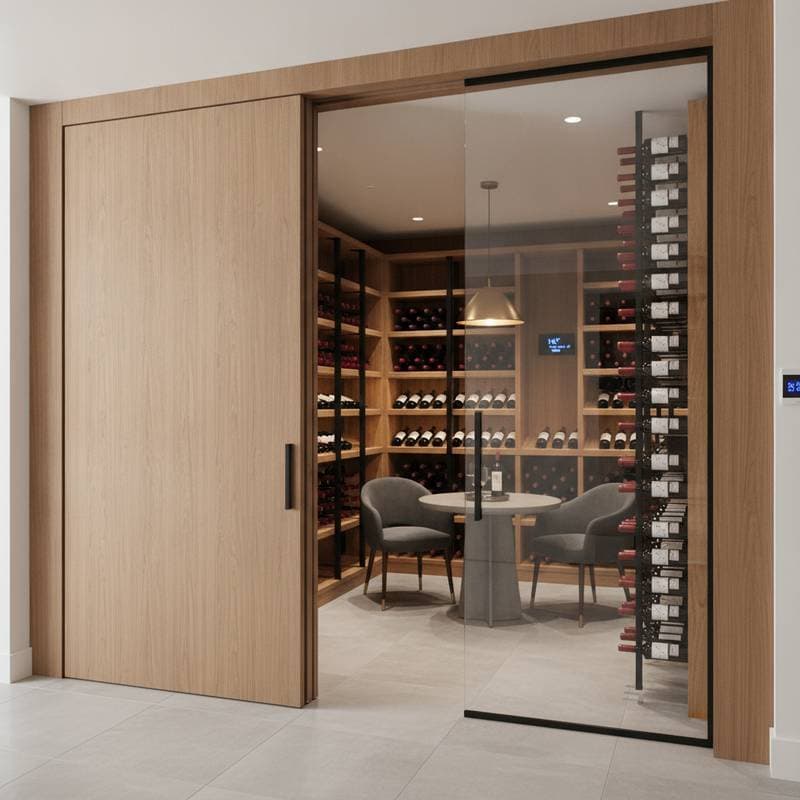
Climate control remains essential. Systems maintain ideal humidity and temperature, preventing cork degradation. LED lighting and glass doors add visibility without compromising darkness for long-term aging.
Customization extends to materials. Oak paneling evokes tradition, while sleek metals suit modern aesthetics. Each choice influences both functionality and visual allure, enhancing the overall home narrative.
Cost Breakdown and Budgeting Essentials
Installation expenses vary based on scope and location. Basic conversions start at $10,000, covering racking and basic cooling for 200 bottles. Elaborate designs, including custom spirals or smart tech, range from $25,000 to $50,000.
Labor constitutes a significant portion, often 40 percent of the total. Structural modifications, such as excavation or reinforcement, add to this. High-end features like automated inventory systems or artisanal finishes increase costs further.
Homeowners benefit from planning ahead. Consult local contractors for site-specific quotes, factoring in permits and materials. Financing options, including home equity loans, make these upgrades accessible without straining budgets.
Long-term savings emerge through proper maintenance. Energy-efficient units reduce utility bills, offsetting initial outlays over time. This prudent approach ensures the investment aligns with financial goals.
Calculating Return on Investment
The 15 percent value increase represents a strong ROI for wine cellars. For a $500,000 home, this translates to $75,000 in added equity. Recovery occurs swiftly upon resale, often within the first year of listing.
Market data supports this projection. Properties with luxury amenities sell 20 percent faster, minimizing carrying costs. Appraisers value functional designs highly, especially those blending into the home's flow.
To optimize returns, focus on quality. Subpar installations diminish appeal, so select certified builders experienced in climate-controlled environments. Documentation of features aids in showcasing benefits to potential buyers.
Regional factors influence outcomes. In wine-loving areas like California or the Northeast, demand surges, amplifying gains. Nationwide, the trend toward experiential homes broadens the appeal universally.
Expert Tips for Successful Implementation
Start with an assessment of collection size and growth. Allocate space for 20 to 50 percent expansion to future-proof the cellar. Measure humidity needs, aiming for 50 to 70 percent to protect labels and corks.
Incorporate security measures. Locks and alarms deter theft, while discreet access points maintain privacy. Ventilation systems prevent mold, ensuring a healthy environment.
Collaborate with designers early. They align the cellar with interior themes, avoiding mismatched elements. Test cooling units pre-installation to confirm performance.
Maintenance routines preserve value. Annual inspections check seals and temperatures, with cleaning preventing dust buildup. These steps extend the feature's lifespan and appeal.
Plan Your Wine Cellar Upgrade
Hidden wine cellars transform ordinary homes into coveted retreats. By investing thoughtfully, homeowners unlock substantial value while enriching daily life. Begin by evaluating space and consulting experts to bring this elegant addition to reality in 2025.