Hidden Pantries Boost Home Value by 11%
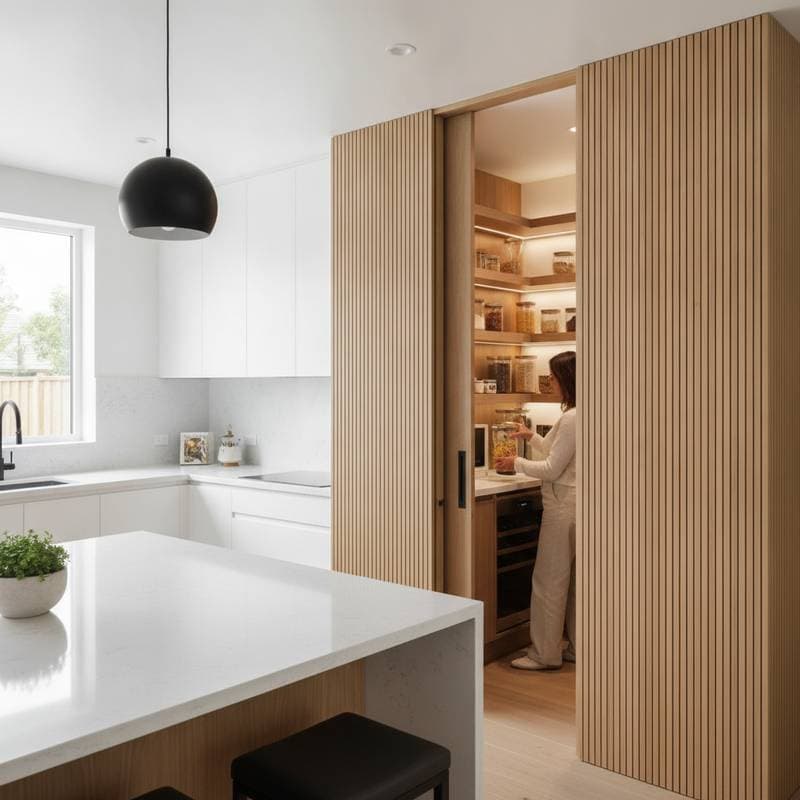
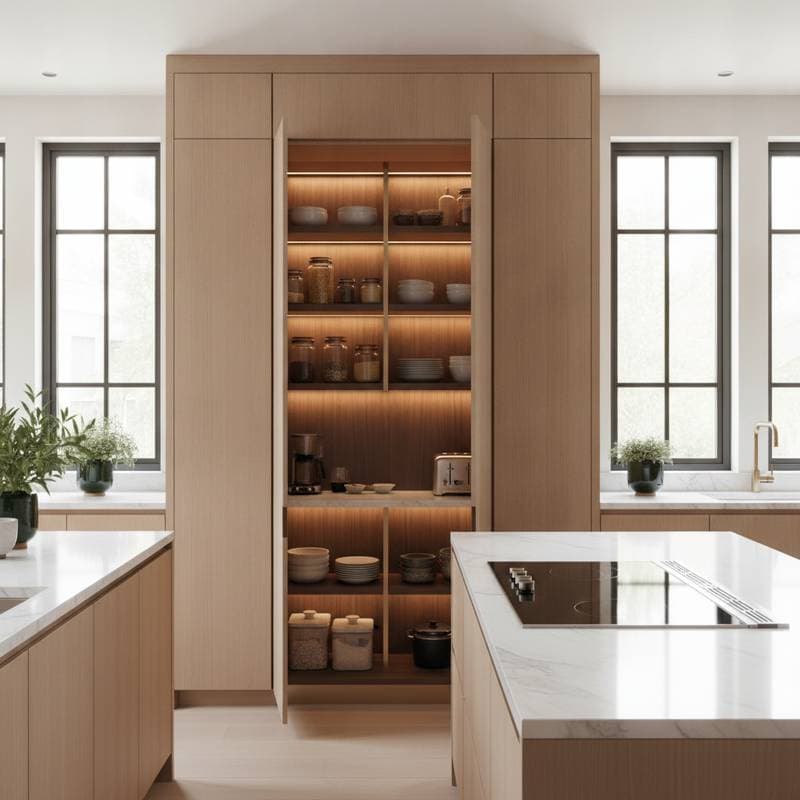
Hidden pantries contribute significantly to higher home resale prices. Real estate professionals note that properties featuring concealed or walk-in pantries often command up to 11 percent more than similar homes lacking this element. Prospective buyers associate these features with intentional design, superior organization, and elevated living standards.
When renovating a kitchen, incorporating a hidden pantry stands out as a high-return investment. The following sections detail design approaches, expense breakdowns, timelines, and scenarios for professional involvement.
Why Hidden Pantries Add Value
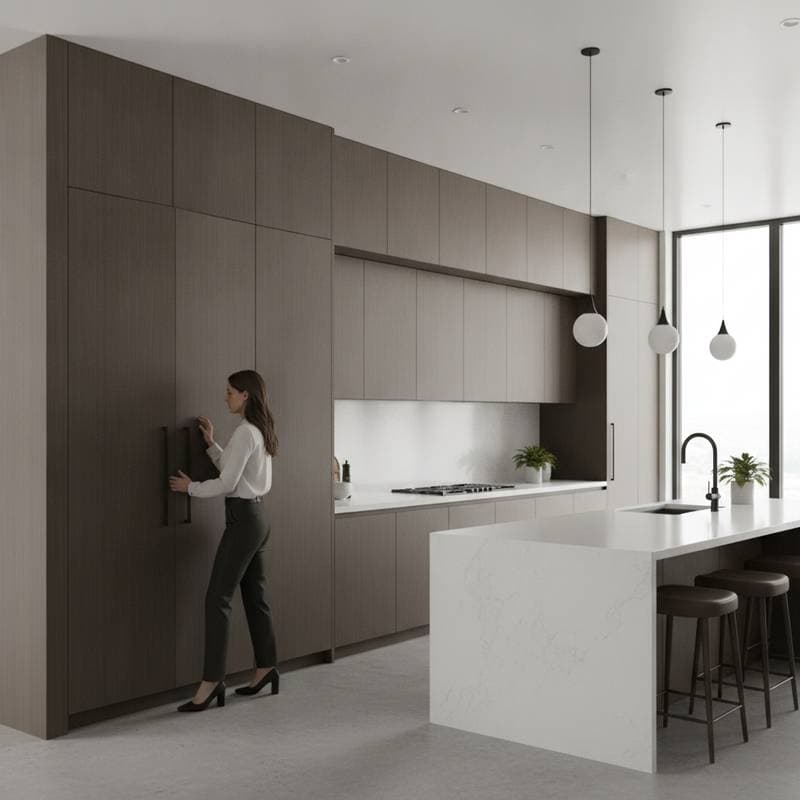
Homebuyers prefer kitchens that maintain a pristine appearance while delivering robust performance. A hidden pantry conceals clutter, clears countertops of appliances, and demonstrates bespoke craftsmanship.
Key factors driving increased value include:
- Luxury aesthetic: Replicates the sophistication of premium custom kitchens.
- Enhanced utility: Provides additional preparation and storage areas without expanding the overall space.
- Visual serenity: Preserves a minimalist look in open-concept layouts.
- Broad market appeal: Attracts both avid home cooks and frequent hosts.
Property descriptions increasingly emphasize hidden pantries alongside elements like central islands and premium countertops. This premium arises from both practical benefits and the perception of refined quality.
Cost Breakdown
| Task | Typical Cost | Factors Influencing Price |
|---|---|---|
| Basic cabinet-depth hidden pantry | $2,000 - $5,000 | Door hardware, surface finishes |
| Small walk-in pantry conversion | $6,000 - $12,000 | Structural framing, drywall installation, illumination, flooring |
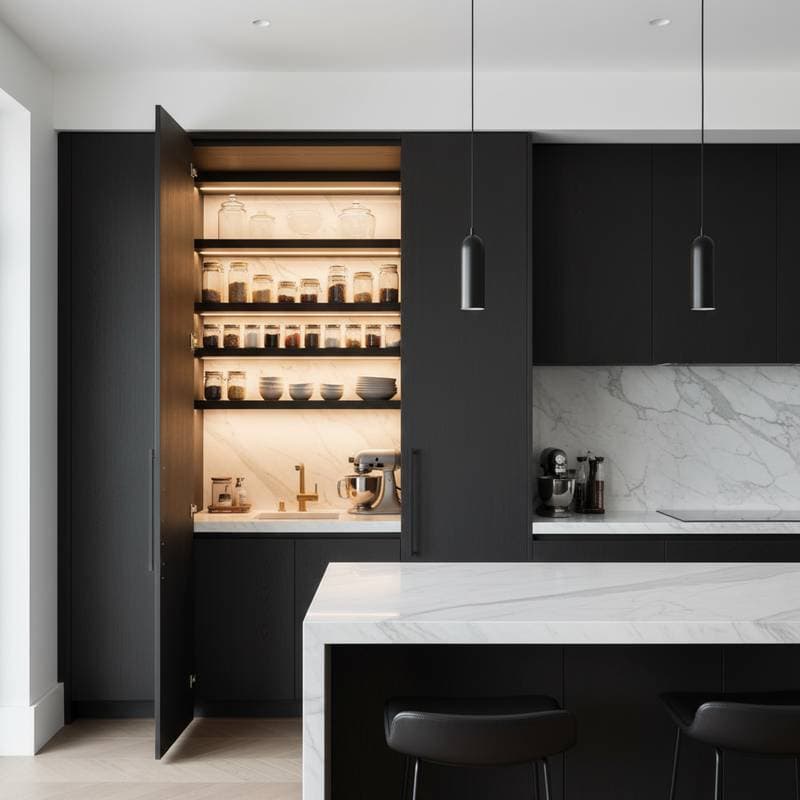
| Full butler’s pantry with sink and outlets | $15,000 - $30,000 | Plumbing integration, electrical wiring, cabinetry craftsmanship |
Costs fluctuate based on geographic location. Opting for bespoke cabinetry or luxury materials escalates expenses rapidly. Prefabricated shelving units and straightforward door designs help control budgets effectively.
DIY or Hire a Professional
Consider a do-it-yourself approach when:
- Installing shelving within an existing closet space.
- Attaching cabinet doors and trim independently.
Engage a professional for projects involving:
- Plumbing or electrical modifications.
- Removal of load-bearing walls.
- Integration with existing custom cabinetry for a flawless finish.
Contractors or skilled carpenters guarantee precise door alignment and compliance with building regulations.
Safety and Code Considerations
Hidden pantries require adherence to the same safety and ventilation standards as primary kitchen areas. Install GFCI-protected outlets for any electrical additions. Verify permit needs for plumbing-inclusive designs through local authorities.
Prevent obstructions to HVAC systems or moisture accumulation in enclosed spaces. In regions with high humidity, incorporate dehumidifiers or exhaust fans to mitigate mold risks.
Design Options That Enhance Return on Investment
1. Multifunctional Butler’s Pantry
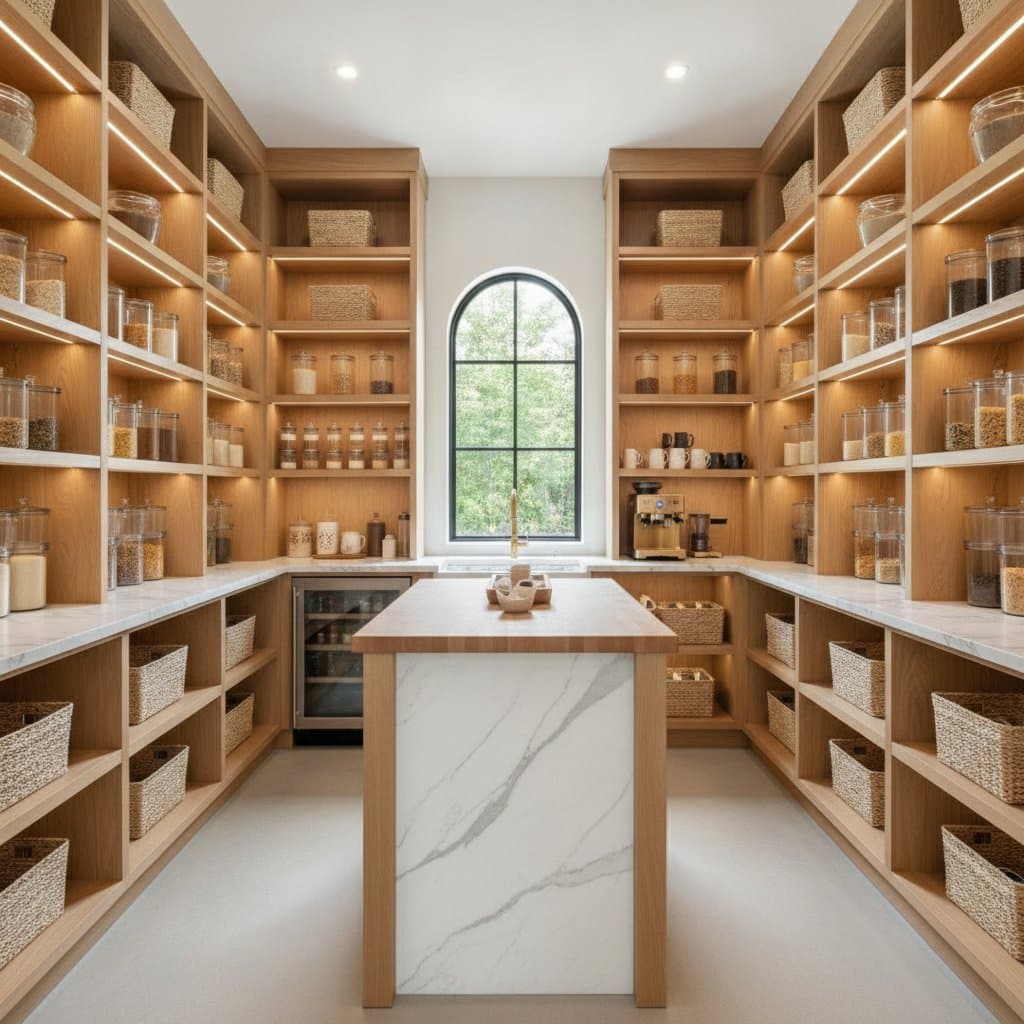
Incorporate a compact sink and countertop for tasks such as beverage preparation. This setup positions the space as a supplementary workstation, appealing to buyers seeking versatile amenities.
2. Integrated Appliance Storage
Conceal small appliances like toasters and stand mixers within the pantry. Such organization maintains unobstructed main counters and highlights a commitment to tidiness.
3. Cohesive Cabinetry Integration
Employ matching fronts with concealed hinges and uniform hardware to elevate perceived craftsmanship. This approach ensures the door blends invisibly when closed.
4. Intelligent Lighting Solutions
Install motion-activated or under-shelf LED fixtures for effortless access and energy efficiency.
5. Material Combinations
Use glass panels for visual depth or solid wood for complete concealment. Select options that harmonize with the kitchen's overall style.
Comparing Hidden Pantry Configurations
| Home Layout | Recommended Approach | Rationale |
|---|---|---|
| Compact kitchen with space constraints | Cabinet-depth hidden pantry | Maximizes storage without altering dimensions |
| Open floor plan | Walk-in pantry behind a disguised wall | Maintains visual order in shared spaces |
| Home oriented toward hosting | Butler’s pantry featuring a preparation sink | Provides dedicated serving and prep zones for enhanced appeal |
Maximizing ROI and Resale Potential
Hidden pantries appear frequently in mid-range to luxury property listings. These installations typically recoup 75 to 100 percent of costs upon sale.
To optimize returns:
- Select neutral-toned finishes.
- Choose resilient, low-maintenance materials.
- Incorporate lighting and outlets discreetly.
- Align cabinetry precisely for a seamless appearance.
Buyers interpret hidden pantries as indicators of thoughtful kitchen planning beyond mere storage capacity.
Environmental Advantages
Hidden pantries promote eco-friendly practices by facilitating bulk food storage, which minimizes packaging waste and excess purchases. Improved organization reduces spoilage through better inventory visibility.
Opt for LED lighting and efficient ventilation to limit energy consumption. Source wood from certified sustainable forests or utilize recycled materials for shelving to further environmental credentials.
Maintenance and Long-Term Upkeep
Conduct monthly cleaning of shelves and surfaces to eliminate dust and residues. Perform biannual checks on hinges and door mechanisms for alignment issues. Replace LED bulbs promptly when they dim. In moist environments, maintain a compact dehumidifier.
Consistent care ensures the pantry endures alongside the kitchen's core components.
Expert Recommendations for Implementation
Draft a detailed layout sketch prior to any structural alterations. Employ 16-inch-deep shelves to facilitate comfortable access. Position outlets at standard counter levels for appliance convenience. Include a subtle floor threshold to deter pests. Organize contents with labeled containers for efficient retrieval.
These refinements elevate the pantry's professionalism and streamline everyday operations.
Integrating a Hidden Pantry into Your Remodel
Incorporate a hidden pantry during initial kitchen planning stages to minimize expenses on framing and wiring. Collaborate with contractors on dimensions, placement, and entry points to achieve seamless integration.
For imminent sales, focus on superficial enhancements like disguised doors and arranged shelving. These elements showcase well in photographs and draw online interest.
From a basic concealed closet to an elaborate butler’s pantry, the added capacity and refined aesthetic benefit current residents while attracting future owners.
Frequently Asked Questions
What dimensions suit a hidden pantry?
Walk-in variants typically measure 4 by 6 feet to 6 by 8 feet. Cabinet-style options require only 2 feet in depth.