Hidden Pantries: A Smart Investment Boosting Home Value by 11% in 2025
Hidden pantries represent a clever fusion of functionality and style in modern kitchens. These concealed storage solutions not only organize essentials but also elevate the overall appeal of a home. In 2025, real estate experts predict that incorporating a hidden pantry could increase property value by up to 11 percent, making it a worthwhile consideration for homeowners.
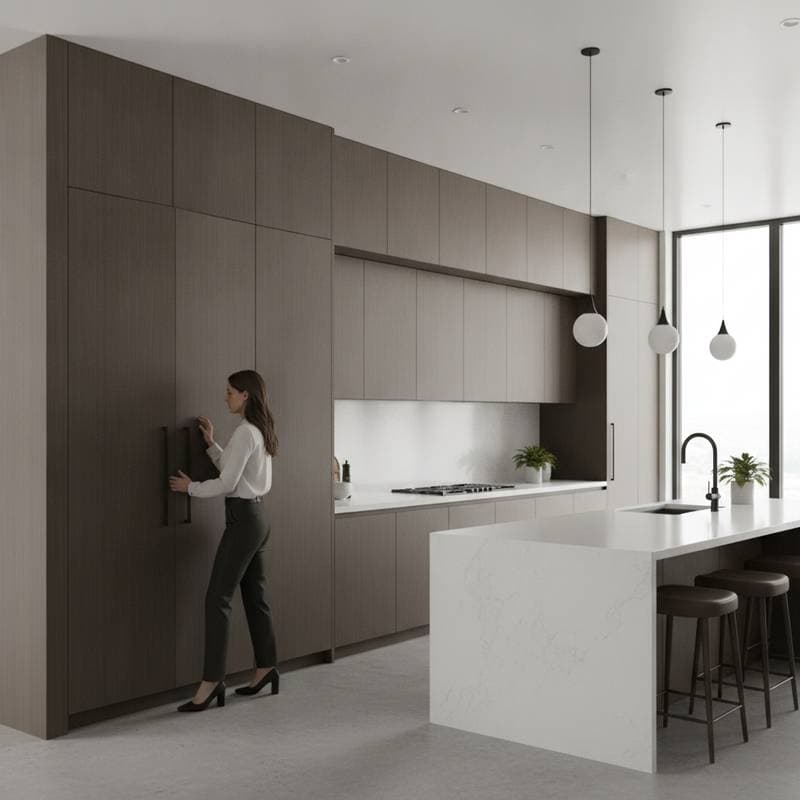
The rise in popularity stems from the demand for clutter-free spaces that maintain a minimalist aesthetic. Buyers appreciate kitchens that appear spacious and streamlined, where everyday items remain out of sight. This trend aligns with broader shifts toward practical, high-end upgrades that deliver both immediate use and long-term financial returns.
Why Hidden Pantries Enhance Resale Appeal
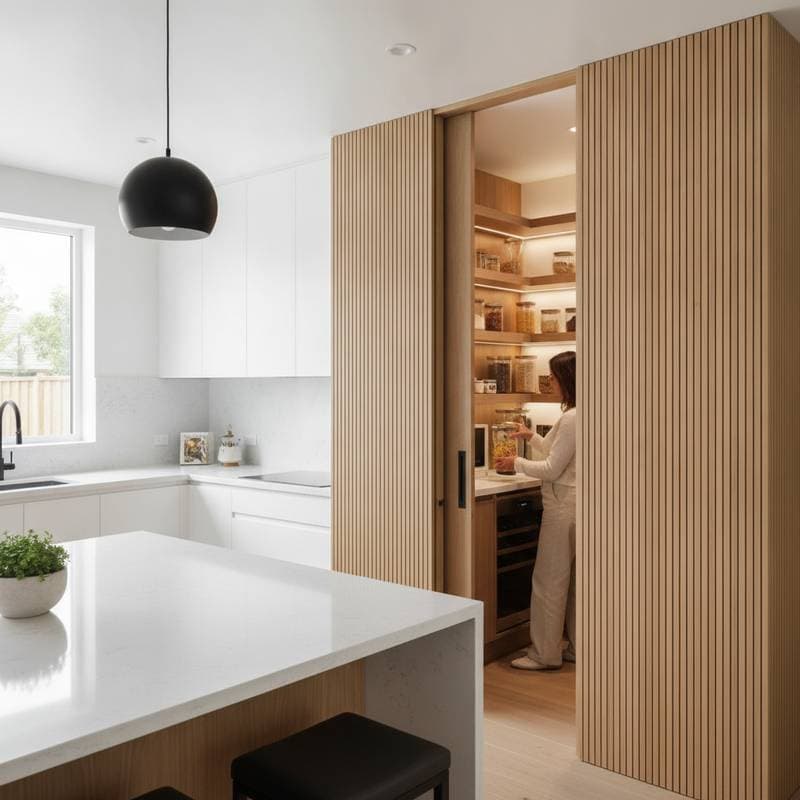
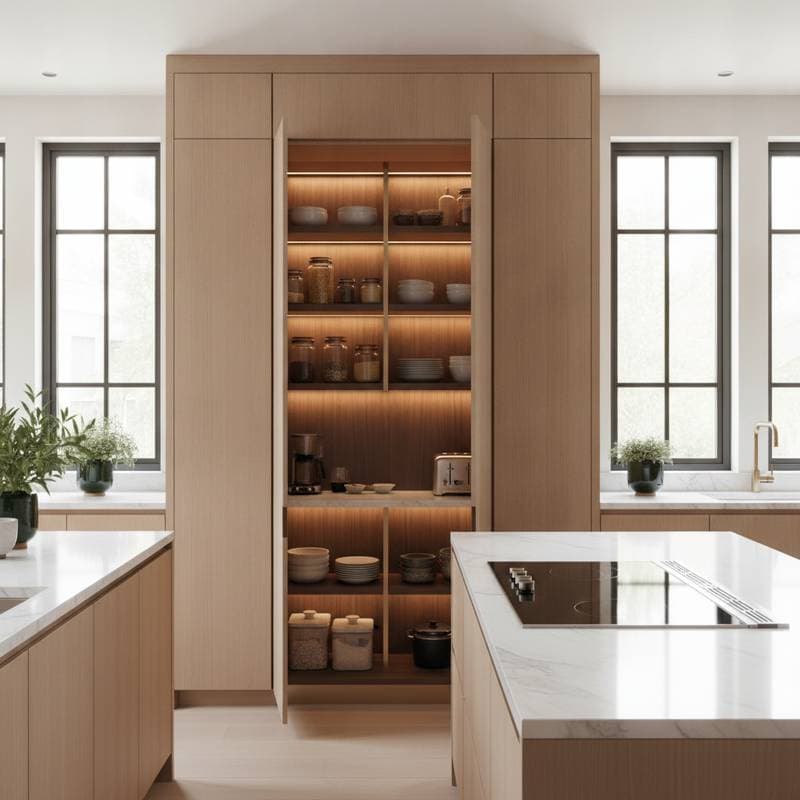
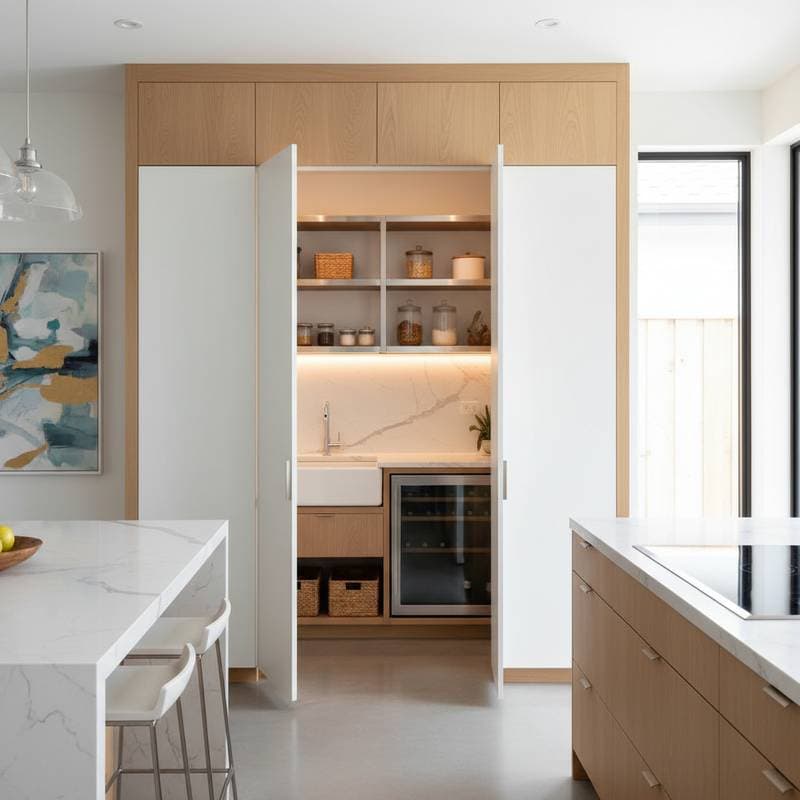
A hidden pantry transforms a standard kitchen into a sophisticated hub. It conceals bulk items, appliances, and utensils behind seamless cabinetry or sliding doors, creating an illusion of expansive counter space. This design choice appeals to prospective buyers who prioritize efficiency and elegance in their living environments.
Market data indicates that homes with innovative storage features sell faster and at higher prices. For instance, properties featuring integrated pantries often attract offers 10 to 15 percent above asking price in competitive urban markets. The 11 percent value boost projected for 2025 reflects growing buyer preferences for homes that blend form and function seamlessly.
Beyond aesthetics, these pantries address practical needs. Families benefit from easy access to groceries and cookware without disrupting the kitchen's flow. This added convenience contributes to the perceived quality of the home, influencing appraisals and negotiations positively.
Types of Hidden Pantries to Consider
Homeowners have several options when selecting a hidden pantry design, each suited to different kitchen layouts and budgets.
Walk-In Pantries
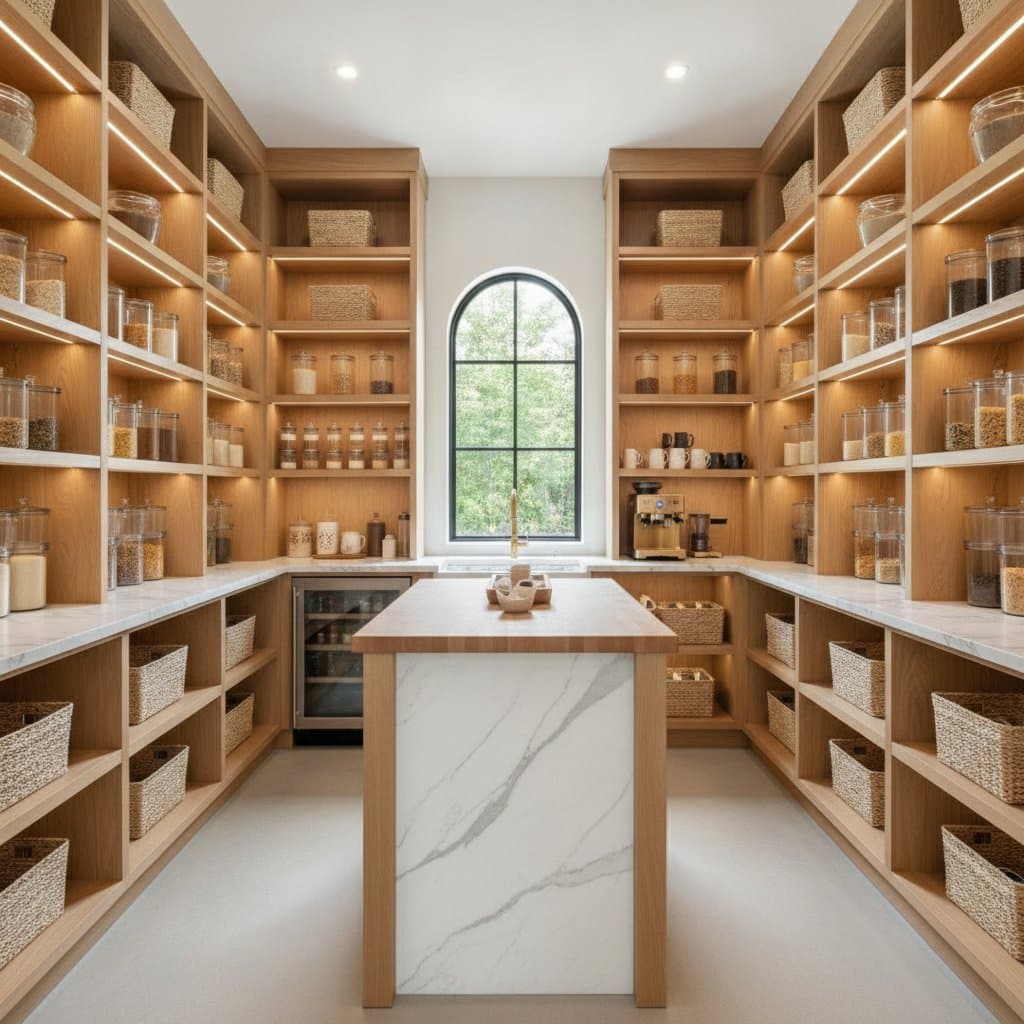
Walk-in pantries provide generous storage in a dedicated alcove. These spaces typically measure four to six feet deep, allowing for shelving on multiple walls. Ideal for larger kitchens, they accommodate bulk purchases and small appliances effectively.
Installation involves framing an existing closet or carving out space from an adjacent room. Professional builders recommend reinforced shelving to support heavy loads, ensuring durability over time.
Pull-Out Pantries
For compact kitchens, pull-out pantries offer a space-saving alternative. These units slide out from within cabinetry, featuring tiered baskets or adjustable shelves. They maximize vertical space without requiring structural changes.
Users access contents effortlessly by pulling a handle, revealing organized compartments for spices, canned goods, and dry ingredients. This type suits apartments or remodels where square footage remains limited.
Butler's Pantries
Butler's pantries serve as transitional areas between kitchen and dining spaces. They include hidden cabinets for serving ware, linens, and beverages, often with a countertop for prep work. This design adds a touch of luxury, appealing to entertaining-focused households.
Customization options include integrated lighting and soft-close drawers. Such features enhance usability while maintaining a discreet profile.
Cost Breakdown and Budgeting Tips
Implementing a hidden pantry varies in expense based on size, materials, and complexity. Basic pull-out units start at $1,500, while custom walk-in designs can reach $10,000 or more.
Material and Labor Costs
- Cabinetry and Shelving: Expect $500 to $3,000 for high-quality wood or laminate options. Custom milling adds precision but increases the price.
- Installation Labor: Professional services range from $1,000 to $4,000, depending on plumbing or electrical integrations.
- Additional Features: Lighting, ventilation fans, or automated doors contribute $500 to $2,000 extra.
Homeowners can reduce costs by opting for DIY elements in simpler designs. However, consulting a contractor ensures compliance with building codes and optimal placement.
Return on Investment
The 11 percent value increase justifies the upfront investment for most properties. In mid-range homes valued at $400,000, this translates to a $44,000 gain upon resale. Factors like location and market conditions influence actual returns, but the trend remains strong.
Pros and Cons of Adding a Hidden Pantry
Every upgrade carries trade-offs, and hidden pantries prove no exception.
Advantages
- Improved Organization: Keeps counters clear and reduces visual clutter.
- Increased Storage Capacity: Accommodates more items without expanding the kitchen footprint.
- Aesthetic Enhancement: Contributes to a modern, streamlined look that buyers favor.
- Value Appreciation: Delivers measurable financial benefits in competitive real estate markets.
Disadvantages
- Initial Expense: Higher costs compared to standard cabinetry updates.
- Space Requirements: May necessitate reallocating existing areas in smaller homes.
- Maintenance Needs: Requires periodic cleaning to prevent dust buildup in enclosed spaces.
Weighing these elements helps determine if a hidden pantry fits specific lifestyle and budgetary goals.
Expert Tips for Design and Installation
Achieving a successful hidden pantry demands thoughtful planning from the outset.
Start by assessing kitchen traffic patterns and storage gaps. Measure available space accurately to avoid installation pitfalls. Collaborate with a designer to integrate the pantry seamlessly with existing cabinetry finishes.
Incorporate user-friendly elements like pull-out trays for easy reach and labeled bins for quick inventory. Ventilation prevents moisture issues, preserving stored goods. For energy efficiency, add LED lighting that activates on door open.
During construction, prioritize quality hardware to withstand daily use. Test mechanisms before finalizing to ensure smooth operation. These steps guarantee a pantry that enhances daily routines and impresses future buyers.
Maximizing Your Kitchen's Potential with Hidden Storage
Incorporating a hidden pantry elevates kitchen functionality while positioning the home for stronger market performance. This upgrade delivers practical benefits today and substantial returns tomorrow. Homeowners who invest thoughtfully in such features create spaces that endure and appreciate in value.