Hidden Pantries Boost Home Value 11% Over Open Shelving
Typical gain: about 11% higher resale value compared to open shelving.
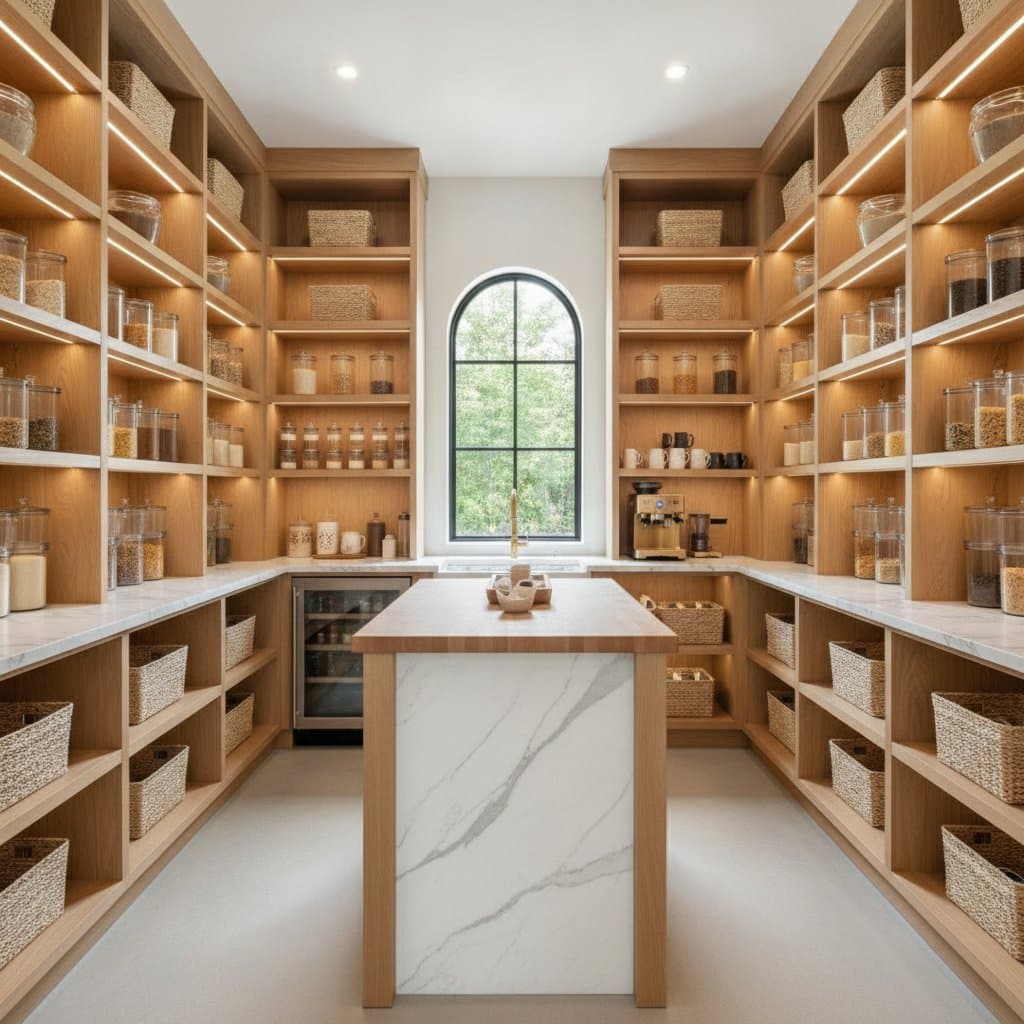
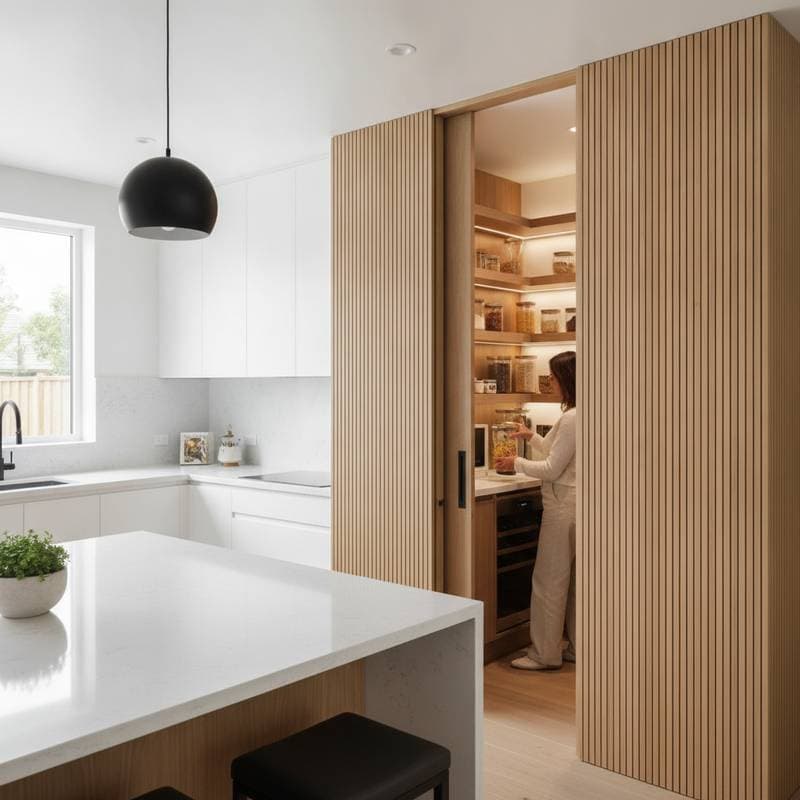
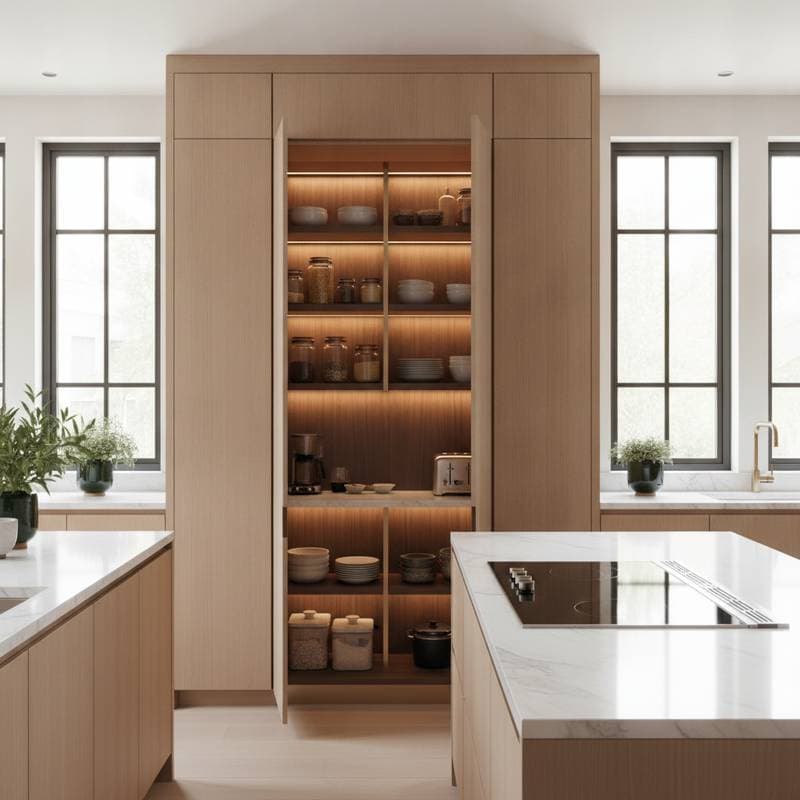
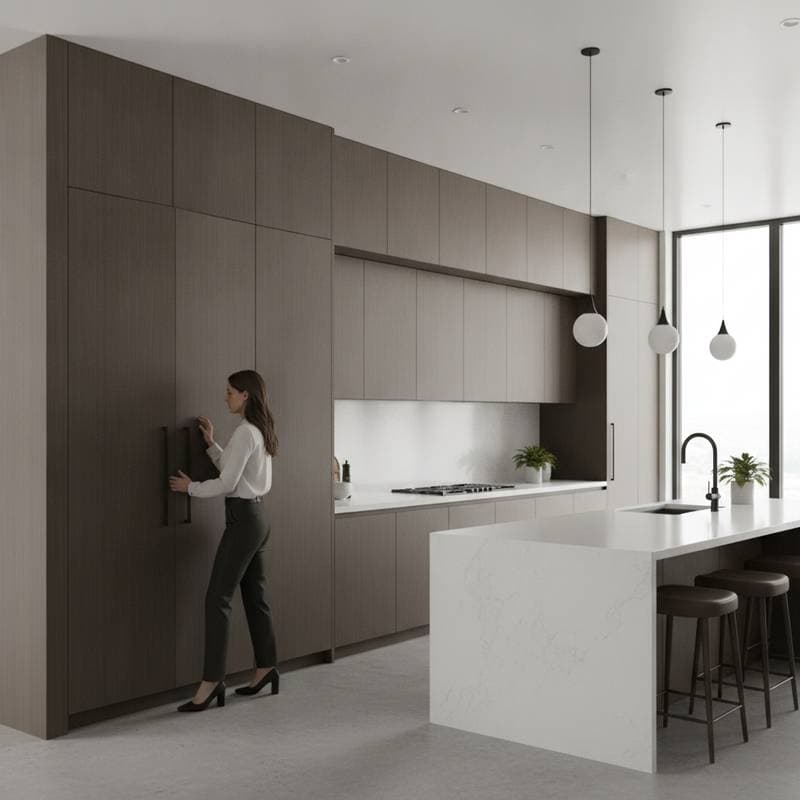
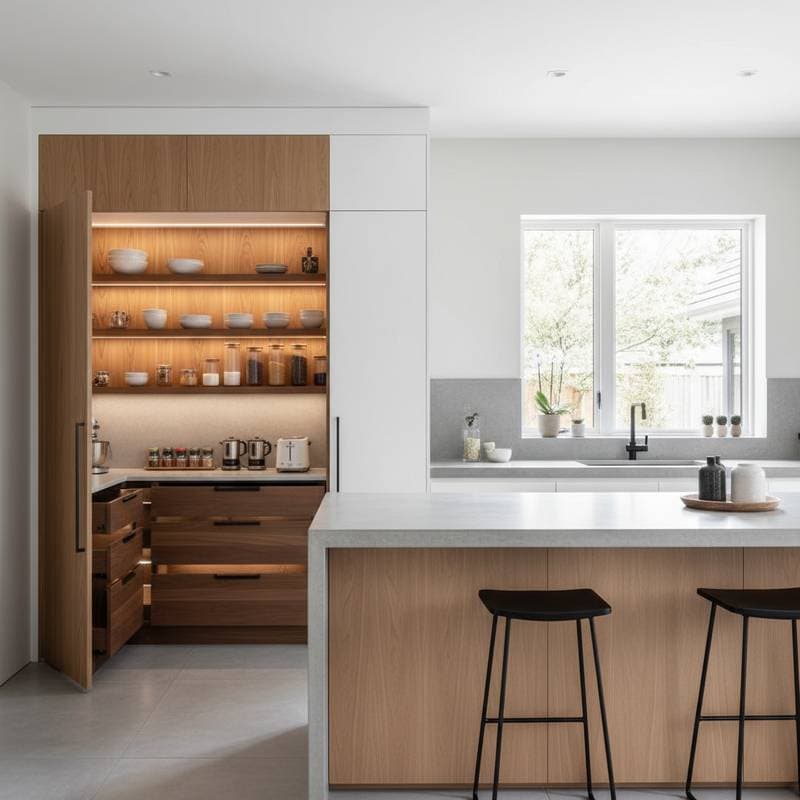
A hidden pantry conceals bulk storage behind seamless cabinetry, creating a serene and integrated kitchen appearance. This design choice keeps everyday clutter invisible while maximizing functional space. Homebuyers increasingly view such features as essential upgrades that enhance both aesthetics and practicality without altering the overall room size.
The appeal lies in the subtle expansion of storage capacity. Unlike open shelving, which exposes items to dust and visual chaos, a hidden pantry maintains a minimalist look that aligns with modern design preferences. Real estate data indicates that properties with these installations often attract offers 11% above comparable homes featuring exposed storage solutions.
Cost Factors
Multiple components influence the overall expense of installing a hidden pantry. Understanding these elements helps homeowners plan effectively and avoid unexpected charges.
- Cabinetry and panels: Opt for custom-built fronts to achieve a flawless fit, which may increase expenses twofold over prefabricated options. Allocate approximately $150 to $400 per linear foot, depending on wood type and finish quality.
- Framing and drywall: Constructing a walk-in area requires sturdy framing, smooth drywall application, and precise finishing. This phase typically ranges from $1,000 to $3,000, varying with the complexity of the space.
- Lighting and ventilation: Incorporate recessed lights for visibility and small vents to prevent moisture accumulation. Budget $300 to $800 for these additions, ensuring safe and efficient operation.
- Doors and hardware: Select concealed pivot or pocket doors for a seamless entry. Prices fall between $500 and $1,500, influenced by materials like solid wood or high-grade metal hardware.
- Permits and electrical work: Factor in fees for inspections and professional labor, especially if modifications involve wiring or plumbing. These costs ensure compliance with local building codes.
Total project estimates range from $4,000 for basic setups to $14,000 for elaborate designs. Homeowners should consult local contractors for precise quotes tailored to specific kitchen layouts.
DIY vs Professional Installation
Homeowners with carpentry experience may consider a do-it-yourself approach for simpler projects. This option suits modifications that utilize existing walls and focus on adding shelving units.
Essential tools include a circular saw for precise cuts, a level for alignment, a stud finder for secure mounting, and a ventilation mask to protect against dust. However, challenges arise with uneven framing or poorly aligned doors, which can compromise the hidden effect and require costly fixes.
Professional installation becomes necessary for more involved alterations, such as rerouting electrical wiring, adjusting ventilation systems, or working near load-bearing elements. Licensed carpenters or remodelers guarantee proper door clearance, safe lighting integration, and adherence to safety codes. Neglecting professional help risks insurance complications during home resale evaluations.
Maintenance and Longevity
With proper care, hidden pantries endure for 20 years or longer, outlasting many other kitchen features. Regular humidity management prevents issues like mold or warping in stored goods.
Install a compact dehumidifier or operate a vent fan periodically to maintain fresh air circulation. Repaint or refinish shelving every three to five years to preserve appearance and functionality. Annual checks on door hinges and hardware address wear, as concealed mechanisms experience more friction than exposed ones.
Retain all installation receipts to leverage manufacturer warranties, which often extend five to ten years for defects. Professional installation typically qualifies for full coverage, providing peace of mind over time.
Practical Steps for Implementation
Begin by assessing your kitchen's potential. Measure wall depths to confirm at least 24 inches of space for effective storage without encroaching on walkways.
Next, choose a door mechanism that enhances the concealed design. Hidden hinges offer easy access, while pocket systems provide a fully flush appearance.
Establish a comprehensive budget that incorporates a 15% buffer for unforeseen enhancements, such as premium finishes or additional shelving.
Solicit quotes from at least two qualified contractors, requesting breakdowns for cabinetry, structural work, and electrical components. Review local real estate trends to verify how hidden pantries accelerate sales and support higher listing prices.
Enhancing Kitchen Functionality Through Concealed Storage
Investing in a hidden pantry delivers lasting benefits beyond immediate resale gains. It transforms cluttered spaces into organized havens, fostering a sense of calm during daily routines. This thoughtful addition not only elevates property value but also reflects a commitment to quality design that resonates with discerning buyers.