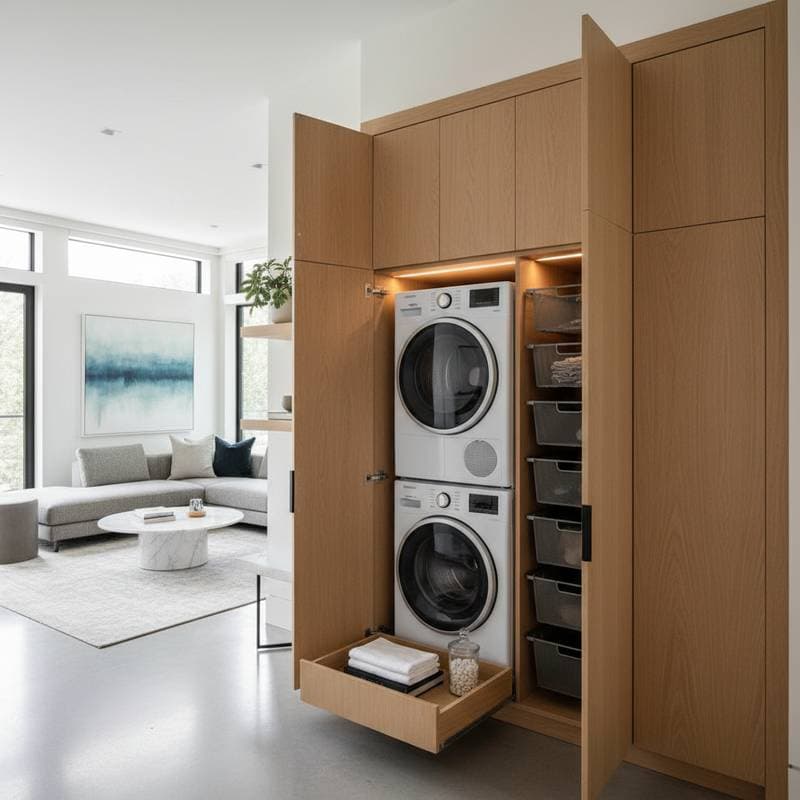
Hidden Laundry Zones: Enhancing Home Value in 2025
Hidden laundry zones represent a strategic upgrade for 2025, integrating functionality with aesthetic appeal to increase property offers. These discreet installations eliminate visible clutter, optimize space utilization, and appeal to buyers seeking modern efficiency. Suitable for residences of any size, from compact apartments to expansive homes, such zones create an illusion of greater area and elevated sophistication.
Value Proposition of Integrated Laundry Spaces
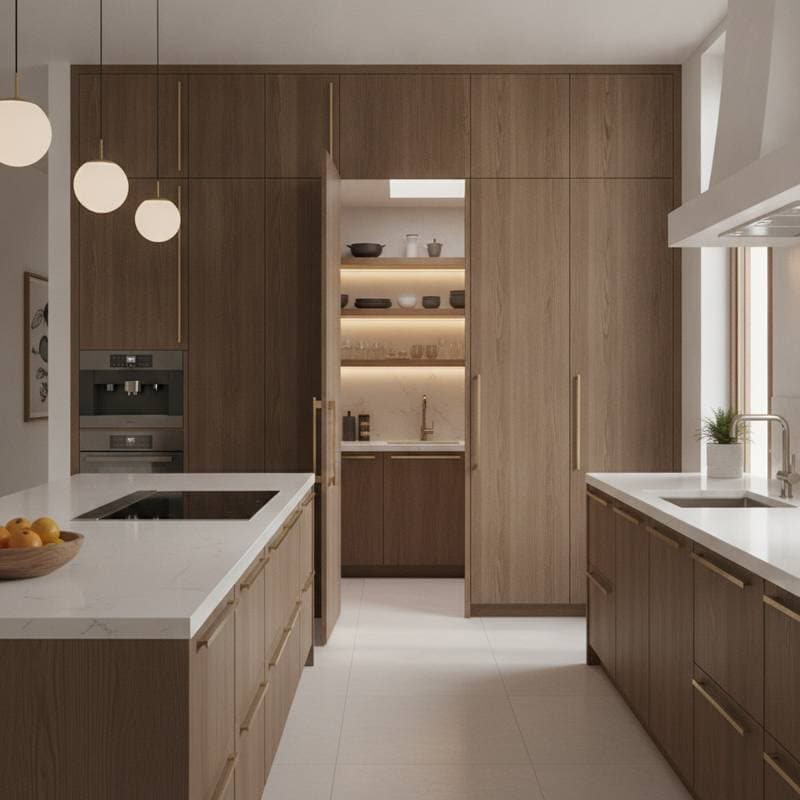
Integrated laundry zones seamlessly merge with surrounding environments, minimizing distractions and maximizing practical area. Real estate professionals observe that properties featuring enclosed laundry closets, sliding-door compartments, or custom cabinet integrations receive multiple bids at premium prices. This design choice aligns with contemporary lifestyles, where multifunctional rooms demand both utility and visual harmony.
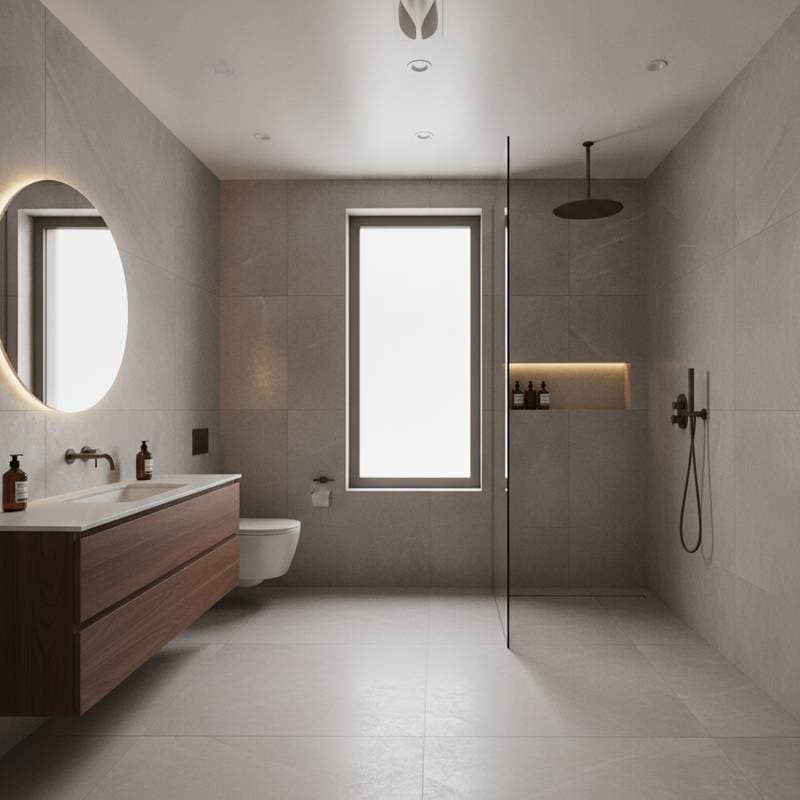
By concealing appliances behind structural elements, these zones preserve the elegance of kitchens, corridors, or bathrooms. The result supports fluid daily routines without compromising architectural integrity.
Strategic Placement for Hidden Laundry Zones
Select a location guided by existing infrastructure and household patterns. Proximity to plumbing lines simplifies installation, while ventilation requirements influence feasibility. Common sites include kitchens for workflow efficiency, hallways for central access, or bathrooms for moisture management.
Viable configurations:
- Cabinet-integrated units: Concealed within matching cabinetry that aligns with kitchen or bathroom aesthetics.
- Closet-based systems: Incorporated into hallway or bedroom closets using bi-fold or sliding doors for easy access.
- Counter-level installations: Positioned beneath workspaces to facilitate immediate folding and sorting tasks.
- Recessed niches: Constructed into wall insets with pocket or barn-style doors for a flush appearance.
Evaluate spatial constraints, budget implications, and airflow demands for each option. Precise measurements ensure compatibility with appliance dimensions and building codes.
Implementation Steps for a Concealed Laundry Area
-
Identify optimal positioning. Prioritize areas adjacent to current water and drain lines, such as kitchens, bathrooms, or utility passages.
-
Verify electrical and ventilation compatibility. Confirm availability of a 240-volt outlet for electric dryers or gas connections as required. Assess venting pathways or opt for ventless models to bypass external ducting.
-
Procure suitable appliances. Favor compact or stackable units; account for hose, cord, and air circulation clearances during selection.
-
Design the enclosure structure. Choose cabinet doors, sliding panels, or fabric screens. Incorporate acoustic insulation for zones near primary living spaces.
-
Incorporate illumination and airflow solutions. Fit energy-efficient LED fixtures and exhaust fans to control temperature and humidity levels.
-
Integrate organizational elements. Install shelving or drawers for laundry essentials, ensuring items remain concealed yet readily available.
These procedures apply to renovations and new constructions alike. Engage professionals for extensive plumbing or wiring modifications to avoid complications.
Cost Breakdown and Influencing Factors
Expenses for concealed laundry projects fluctuate based on scope and specifications. Basic enclosures prove more economical than bespoke cabinetry, with variables including site preparation and equipment selection.
| Component | Estimated Range | Key Price Determinants |
|---|---|---|
| Compact washer-dryer set | $1,200 - $3,000 | Manufacturer, efficiency standards, load capacity |
| Enclosure fabrication | $800 - $3,500 | Material durability, customization extent |
| Utility installations | $500 - $2,500 | Line extension distances, regulatory approvals |
| Ventilation and insulation | $200 - $800 | Structural modifications, venting method |
| Surface treatments | $300 - $1,000 | Material grades for paint, tile, or paneling |
Regional differences impact labor rates, with urban and coastal areas commanding premiums. Proximity to existing utilities can reduce overall expenditure by up to one-third.
Timeline Considerations
Standard installations require two to four days with pre-sourced materials. Elaborate custom work or utility relocations may extend timelines to one or two weeks.
Duration influencers:
- Expedited: Adaptations of existing closets with minimal adjustments.
- Moderate: Cabinet integrations involving brief pipe extensions.
- Extended: Relocations across floors or into unconventional spaces.
Allocate additional periods for permitting and compliance inspections in regulated municipalities.
DIY Feasibility Versus Professional Assistance
Suitable for independent execution when:
- Utility connections already exist.
- Modifications involve only paneling or door additions.
- Tasks limit to refinishing or basic shelving.
Require expert involvement for:
- Fresh plumbing or electrical installations.
- Interventions in structural walls.
- Exterior venting penetrations.
Certified plumbers and electricians guarantee adherence to standards and preserve equipment warranties. Errors in fluid or power systems risk water damage, electrical hazards, or coverage denials.
Essential Tools and Supplies
Required tools:
- Measuring tape
- Spirit level
- Stud detector
- Power drill with assorted bits
- Screwdriver assortment
- Reciprocating or circular saw
- Caulking applicator
Necessary materials:
- Compact laundry appliances
- Cabinetry panels or door assemblies
- Acoustic padding
- LED illumination units
- Ducting or ventless conversion kit
- Impervious base covering or containment tray
- Dampness-resistant coatings
Consult appliance guidelines for enclosure gaps, prioritizing ventilation and maintenance pathways.
Compliance and Safety Essentials
Laundry installations handle moisture, power, and thermal elements, necessitating rigorous adherence to regulations. Ground-fault circuit interrupter outlets remain mandatory near aqueous areas. Jurisdictions often specify duct materials and maximum vent lengths.
Opt for resilient flooring such as vinyl planks or ceramic tiles. Position containment pans beneath washers in elevated locations. Employ fire-resistant barriers for enclosures adjacent to garages. These measures safeguard occupants and bolster marketability.
Adaptations for Local Conditions
Environmental factors shape design decisions.
- High-humidity locales: Integrate exhaust systems or humidity controls to mitigate fungal growth risks.
- Freezing regions: Route utilities along interior partitions to prevent conduit icing.
- Marine environments: Select galvanized or resistant components against corrosion.
- Fire-vulnerable districts: Utilize metallic conduits and airtight seals for penetration points.
In shared housing like condominiums, review association guidelines prior to alterations. Restrictions may apply to venting configurations or hydraulic modifications.
Emerging Patterns in Laundry Integration
Architects increasingly embed laundry functions within kitchens, lavatories, and entryways. Contemporary styles favor seamless cabinet fronts resembling integrated furniture. Subdued palettes, matte textures, and pull-free hardware foster uninterrupted surfaces that reveal utility upon activation.
Advancements in appliance miniaturization enable under-counter or narrow-cabinet placements. Low-noise models support proximity to communal zones without disruption.
A prominent evolution involves multifunctional allocations, merging laundry with provisions storage, animal zones, or fabric repositories. This consolidation streamlines infrastructure and amplifies spatial efficiency.
Optimal Scenarios for Investment Return
Concealed laundry yields maximum benefits in compact dwellings, urban units, and secondary structures. Space reclamation enhances perceived dimensions, captivating space-conscious purchasers. In luxury settings, it upholds streamlined aesthetics aligned with premium expectations.
For imminent sales, moderate renovations typically recover substantial portions of investment. Long-term residents gain enhanced usability and systematic organization.
Practical Recommendations for Optimal Results
Prioritize low-vibration appliances with subdued operational volumes. Ensure robust airflow management, even for condenser units generating warmth. Employ task-specific lighting to streamline processing activities. Design access panels for unobstructed servicing. Harmonize enclosure aesthetics with adjacent interiors for cohesive presentation.
These refinements elevate both performance and longevity.
Advancing Your Home Upgrade
To achieve refined organization and elevated equity, commence with site assessments for potential zones. Evaluate utility proximities and enclosure viability. Consult specialists to prototype integrations that balance concealment with operational ease.
Integrated laundry transcends fashion, embodying efficient architecture that discerning markets demand. Executed thoughtfully, it refines routines and amplifies asset potential.
Frequently Asked Questions
What constitutes an ideal location for a concealed laundry zone? Areas proximate to plumbing infrastructure, such as kitchens, corridors, or bathroom adjacencies, optimize practicality.