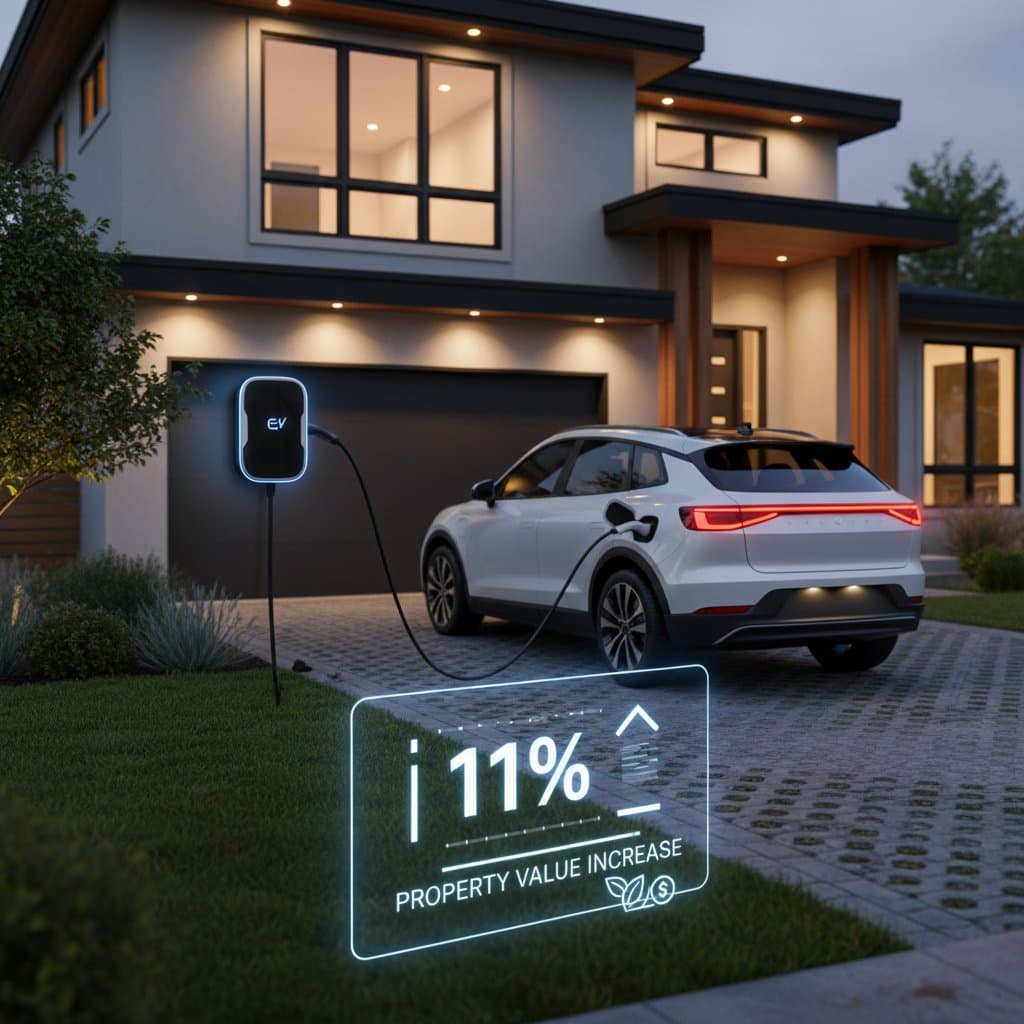
Boost Home Value by 11 Percent with an EV Charging Upgrade
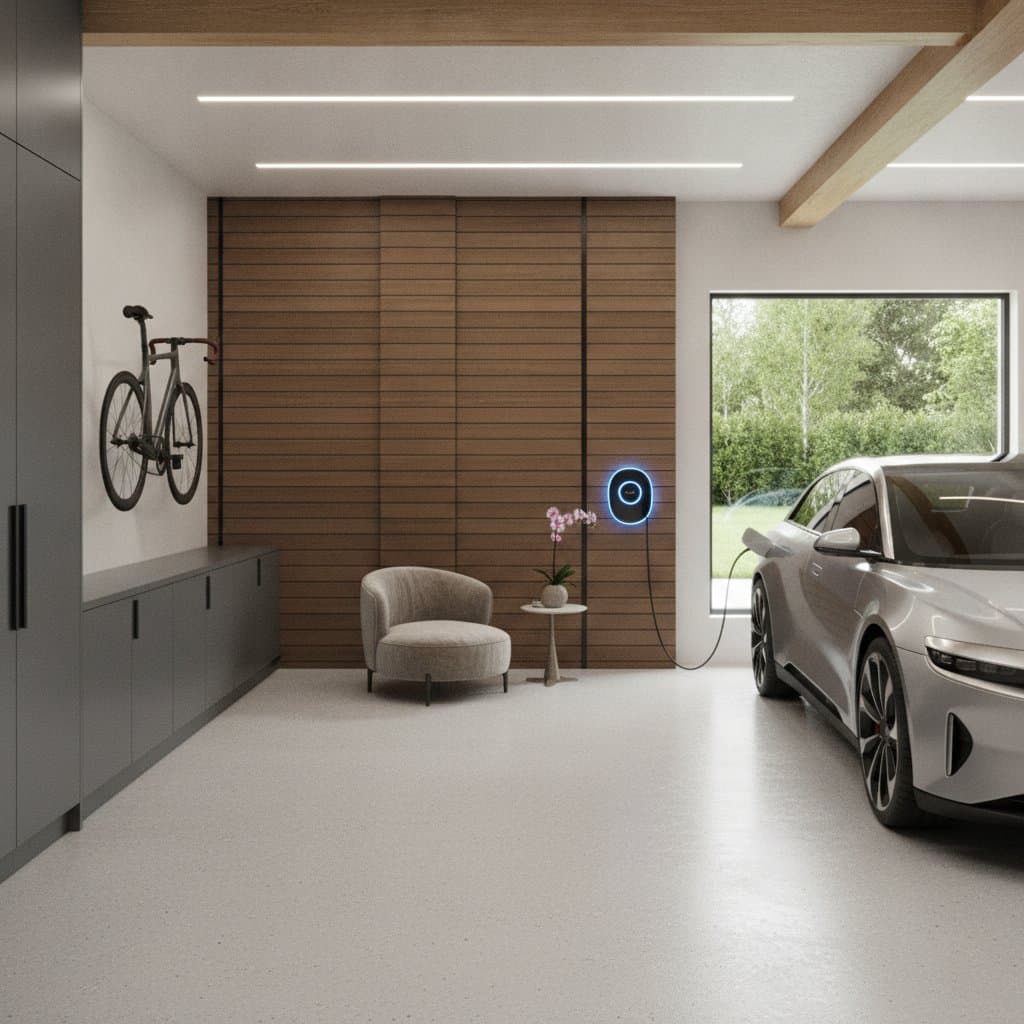
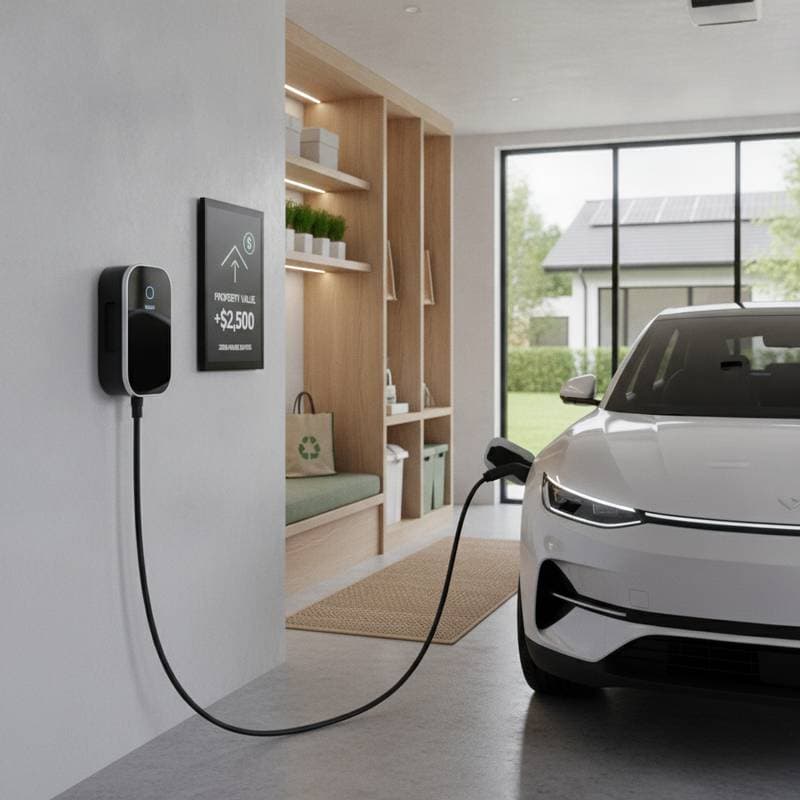
Installing an electric vehicle charger at home increases property value by up to 11 percent. Buyers appreciate the added convenience of charging without leaving the property. Appraisers recognize this sustainability upgrade as a modern enhancement. Homeowners benefit from faster charging times, reduced fuel expenses, and a competitive edge in the real estate market.
What to Expect from the Installation
A Level 2 EV charger represents one of the quickest methods to prepare a home for future needs. This addition demonstrates to potential buyers that the property accommodates clean transportation and contemporary lifestyles. The majority of installations require only one day, result in minimal disruption, and qualify for rebates offered by local governments or utilities.
Homeowners often complete the process with little impact on daily routines. Electricians typically handle the work efficiently, ensuring compliance with safety standards. After installation, the charger integrates seamlessly into garage or driveway setups, enhancing overall property functionality.
Steps to Install a Home EV Charger
-
Assess the electrical panel. Verify that the existing service supports a 240-volt circuit. The majority of homes require a 40- or 50-amp breaker to accommodate the load.
-
Select the appropriate charger type. Opt for a Level 2 model, which suits daily charging requirements. Such chargers replenish most electric vehicles in four to ten hours, depending on battery size and capacity.
-
Determine the optimal location. Mount the unit on a garage wall or position it near the driveway. Ensure the cable reaches the vehicle's charging port without excessive extension.
-
Engage a licensed electrician. The professional will install the necessary circuit, mount the charger, and conduct thorough safety tests to prevent hazards.
-
Pursue available rebates or incentives. Numerous municipalities and utility providers extend financial assistance, potentially reducing expenses by 20 to 50 percent. Research federal tax credits as well, which may apply to qualifying installations.
Follow these steps in sequence to achieve a smooth process. Consult local regulations early to avoid delays. Document each phase for potential resale discussions with buyers.
Detailed Cost Breakdown
| Task | Typical Cost Range | Factors Influencing Price |
|---|---|---|
| Level 2 Charger Unit | $400 to $900 | Brand reputation, charging speed, integrated smart features |
| Electrical Upgrades | $300 to $1,200 | Existing panel capacity, distance for wiring runs |
| Labor and Permits | $300 to $800 | Regional labor rates, adherence to local building codes |
The total investment typically ranges from $1,000 to $2,900 across the United States. Utility rebates and federal tax credits often offset several hundred dollars from this amount. Prices fluctuate based on geographic location; for instance, urban areas may incur higher labor fees.
Extended wiring, outdoor placements, or ground trenching elevate costs due to additional materials and labor. Properties with updated electrical panels and proximate outlets benefit from lower expenses. Obtain multiple quotes from certified electricians to identify the most cost-effective option.
Timeline for Completion
Professional installations generally require three to six hours of on-site work. Account for an additional few days if permits or utility approvals prove necessary. Electricians experienced with local codes expedite the scheduling and execution.
Preparation phases, such as panel inspections, occur prior to the main work. Post-installation testing ensures everything functions correctly before final handover. In most cases, homeowners resume normal activities the same day.
DIY Installation Versus Professional Service
Consider a do-it-yourself approach if a dedicated 240-volt outlet already exists, electrical safety knowledge is solid, and local codes permit homeowner involvement. This option suits experienced individuals comfortable with basic wiring tasks.
Hire a professional for scenarios involving new circuits, panel modifications, or permitting requirements. Licensed electricians guarantee code compliance, avert electrical overloads, and safeguard home insurance policies. Their expertise maintains the validity of manufacturer warranties and prevents fire risks from improper setups.
Professional services provide peace of mind through certified workmanship. Incorrect installations lead to costly repairs or safety issues. Always prioritize expertise over savings in electrical projects.
Essential Tools and Materials
Gather the following items for a successful installation:
- Level 2 EV charger unit
- Mounting bracket and compatible screws
- Electrical conduit and appropriate wire gauge (six- or eight-gauge)
- Dedicated circuit breaker rated for the load
- Stud finder, power drill, and screwdriver set
- Voltage tester and insulated safety gloves
These materials ensure durability and safety. Source components from reputable suppliers to match quality standards. Verify compatibility with the chosen charger model before purchase.
Considerations for Regional Variations and Building Codes
In regions with cold winters, position chargers indoors or within enclosed carports to shield against frost and ice damage. Coastal or humid areas demand weather-resistant enclosures to withstand corrosion and moisture. Obtain permits for any new 240-volt circuits, as required by most municipalities.
Utility companies frequently provide inspection rebates for compliant installations. Contact the local building department early to clarify regulations. Adhering to these guidelines avoids fines and ensures long-term reliability.
Tailor the setup to environmental conditions for optimal performance. For example, in high-wind areas, secure mounts with reinforced hardware. These adaptations extend the charger's lifespan and appeal to discerning buyers.
The Impact on Home Value
Prospective buyers view an EV charger as a valuable lifestyle enhancement. It conveys a commitment to energy efficiency, daily convenience, and reduced operating costs over time. Properties equipped with chargers attract quicker offers in communities embracing electric vehicle growth.
Even without personal EV ownership, this feature appeals to buyers planning to adopt one. Real estate data indicates faster sales and premium pricing for such upgrades. The installation positions the home as forward-thinking and adaptable to emerging trends.
Appraisers factor in the charger's presence during valuations, recognizing its role in modern infrastructure. This addition differentiates the property in competitive markets. Long-term, it supports sustainable living narratives that resonate with environmentally conscious purchasers.
Expert Recommendations for Optimal Results
Select a charger equipped with Wi-Fi connectivity for remote scheduling and energy usage monitoring. Clearly label the dedicated breaker to facilitate future maintenance. Organize the charging cable with hooks or retractable reels to prevent tripping hazards.
Capture photographs of permits and the completed installation for inclusion in resale documentation. These records demonstrate professional quality and compliance. Integrate the charger into smart home systems if available, enhancing overall automation.
Attention to these details elevates the perceived value of the upgrade. Buyers notice thoughtful implementations, fostering confidence in the property's condition. Such preparations yield tangible returns during marketing.
Frequently Asked Questions
Does an EV charger installation require a permit?
In most cases, yes, particularly when adding a new electrical circuit. Consult the local building office to confirm specific requirements.
Is it possible to repurpose a dryer outlet for EV charging?
This works only if the outlet matches the necessary voltage, amperage, and code standards. However, experts recommend installing a dedicated circuit for reliability and safety.
How does an EV charger affect the monthly electric bill?
Expect a modest increase of $25 to $60, based on driving habits and local electricity rates. Efficient charging practices minimize this impact.
What if the home's electrical panel lacks capacity?
A panel upgrade becomes necessary, adding $1,000 to $3,000 to the project. An electrician assesses feasibility during the initial consultation.
Proceed with Your EV Charger Project
An EV charger installation delivers substantial benefits through enhanced comfort, promotion of sustainable mobility, and elevated market appeal. Begin by arranging an electrical inspection to evaluate your setup. Secure quotes from qualified professionals and apply for incentives to maximize value. With careful planning, this upgrade transforms your property into a desirable, eco-conscious asset.