Desert Modern Design Costs Range from $85 to $250 Per Square Foot
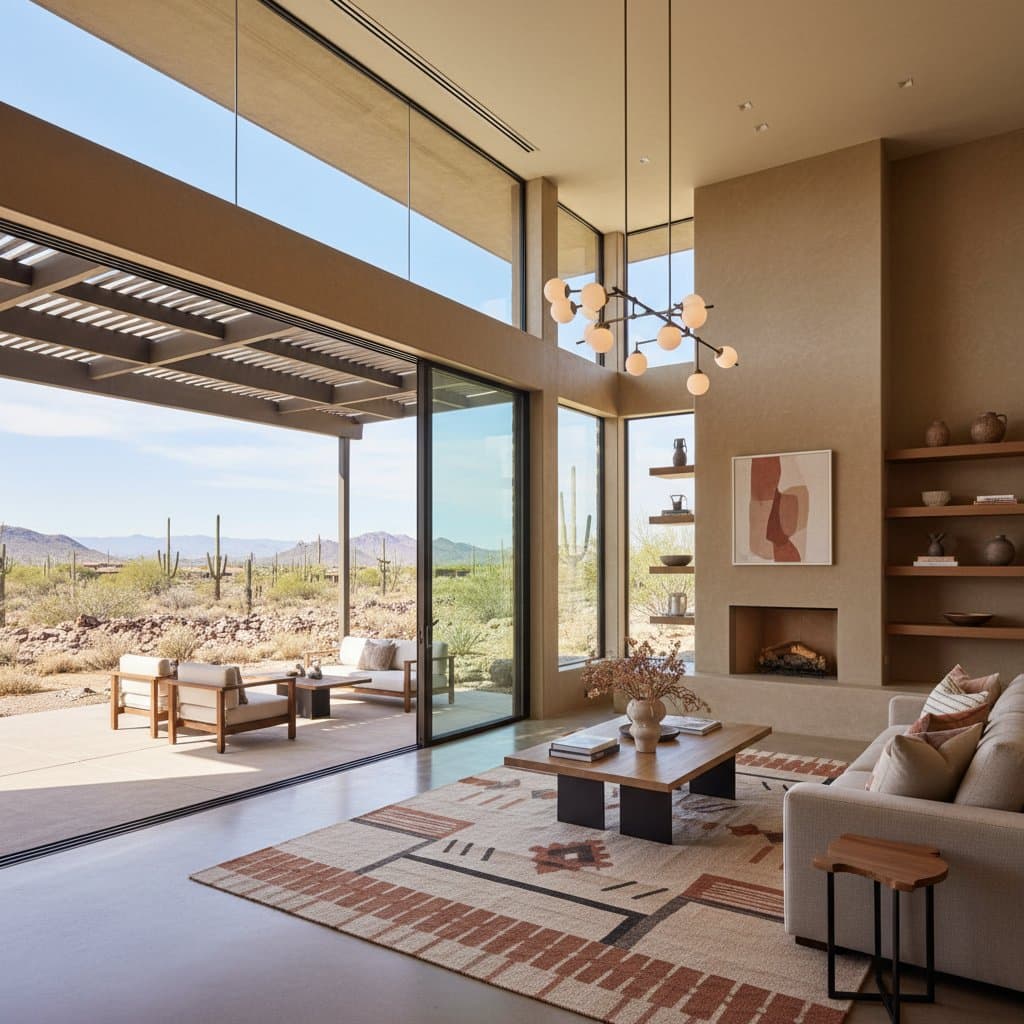
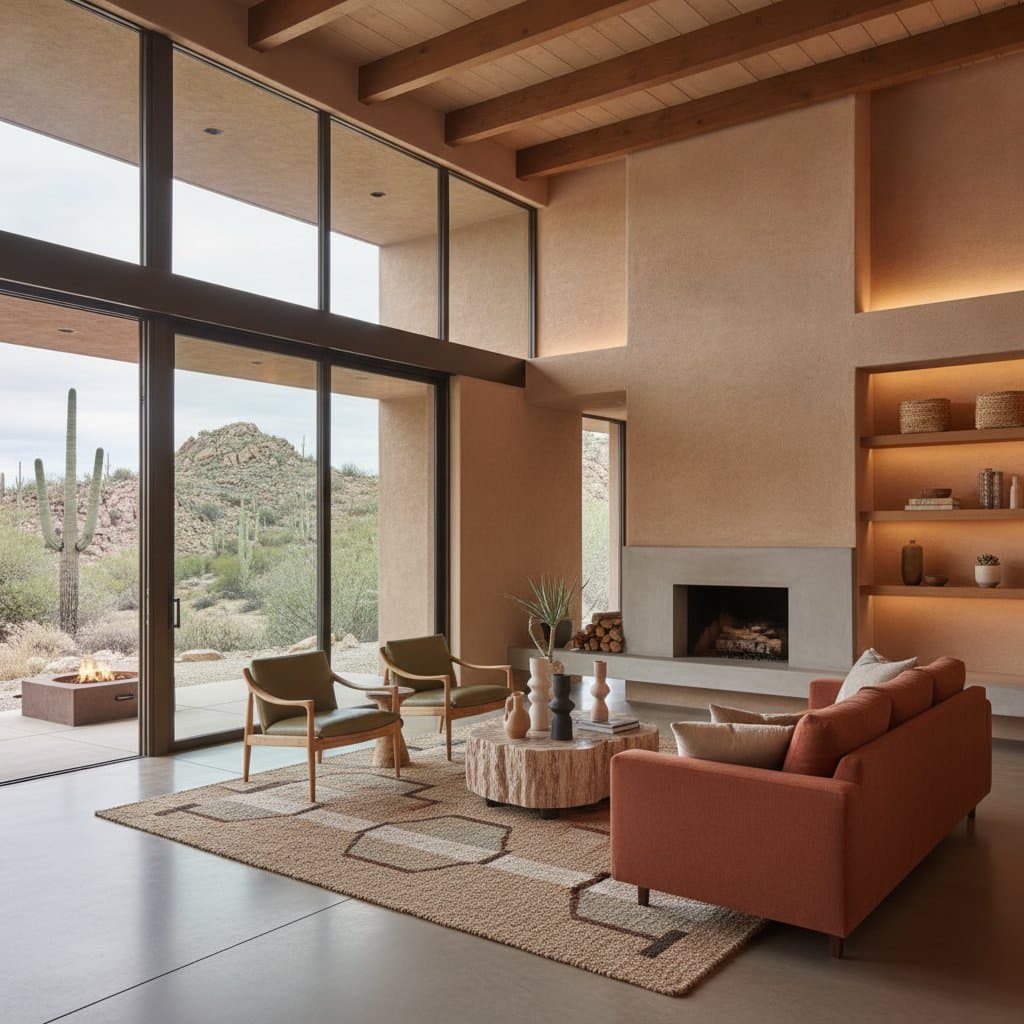
Warm sand tones, clean lines, and natural textures are moving from the Southwest to suburbs and cities across the country. Desert Modern design mixes midcentury geometry with earthy calm. It creates spaces that look minimal yet feel grounded.
Homeowners choose this style for its efficiency, durability, and connection to climate smart living. Typical costs to bring Desert Modern style into a home run from $85 to $250 per square foot. The final price depends on materials and project scope.
Cost Factors
Desert Modern projects vary in price based on the scale of change. A full home build or major remodel carries structural and insulation costs. Smaller updates focus on surfaces and furnishings.
Materials
Natural stone, concrete, plaster, and wood drive most of the cost. Polished concrete floors run about $8 to $14 per square foot. Stucco or lime plaster walls cost $4 to $9 per square foot. Cedar or ash cabinetry ranges from $250 to $400 per linear foot.
Labor
Skilled trades for stucco, custom woodwork, and steel framing remain in high demand. Labor often accounts for 45 to 60 percent of the total budget. Delays can occur where artisans are limited, especially outside the Southwest.
Size and Layout
Open plan homes with large window walls cost more due to framing, glazing, and insulation. Smaller footprints save on square footage but still need quality materials for the look to hold up.
Access and Permits
Roofline changes or new window openings usually require structural permits. Permit fees typically range from $600 to $1,800. Engineering review costs around $1.50 to $2.50 per square foot.
Disposal and Add ons
Removing old materials safely can add $2,000 to $5,000 depending on scope. Recycled content finishes or energy efficient windows can add upfront cost but reduce long term bills.
DIY versus Professional Help
When to DIY
You can handle finishes, color changes, and simple furniture swaps. Installing clay paint, limewash, or woven shades requires patience but not special licensing. Choose DIY if you already own tools like a sprayer, sander, or wet saw for tile.
When to Hire a Professional
Hire professionals for insulation, roofing, structural walls, and custom glazing. These areas demand engineering oversight and weather sealing. Hire a licensed pro when you move or resize windows, alter a roofline or add clerestory glass, or install new HVAC or radiant systems. Skipping expert help here can cause moisture failures or energy loss.
Skill and Tool Gaps
Concrete polishing, plastering, and metalwork need specialized tools. Equipment rentals for these can run $100 to $300 per day. This expense can quickly erode savings if you are learning as you go.
Maintenance and Warranties
Material Longevity
Concrete floors need resealing every 5 to 7 years to prevent staining. Stucco exteriors require repainting or recoating every 10 to 15 years depending on exposure. Wood trim and doors benefit from annual oil or sealing in dry climates.
Mechanical Systems
If you install radiant floors or solar ready equipment, expect 15 to 25 years of service life with routine maintenance. Keep documentation for warranties, which often require proof of regular inspection.
Preventive Care
Dust and grit can scratch finishes. Use mats at every entry and soft pads under furniture. Replace air filters monthly to protect HVAC efficiency in dusty regions.
Core Design Elements
Color Palette
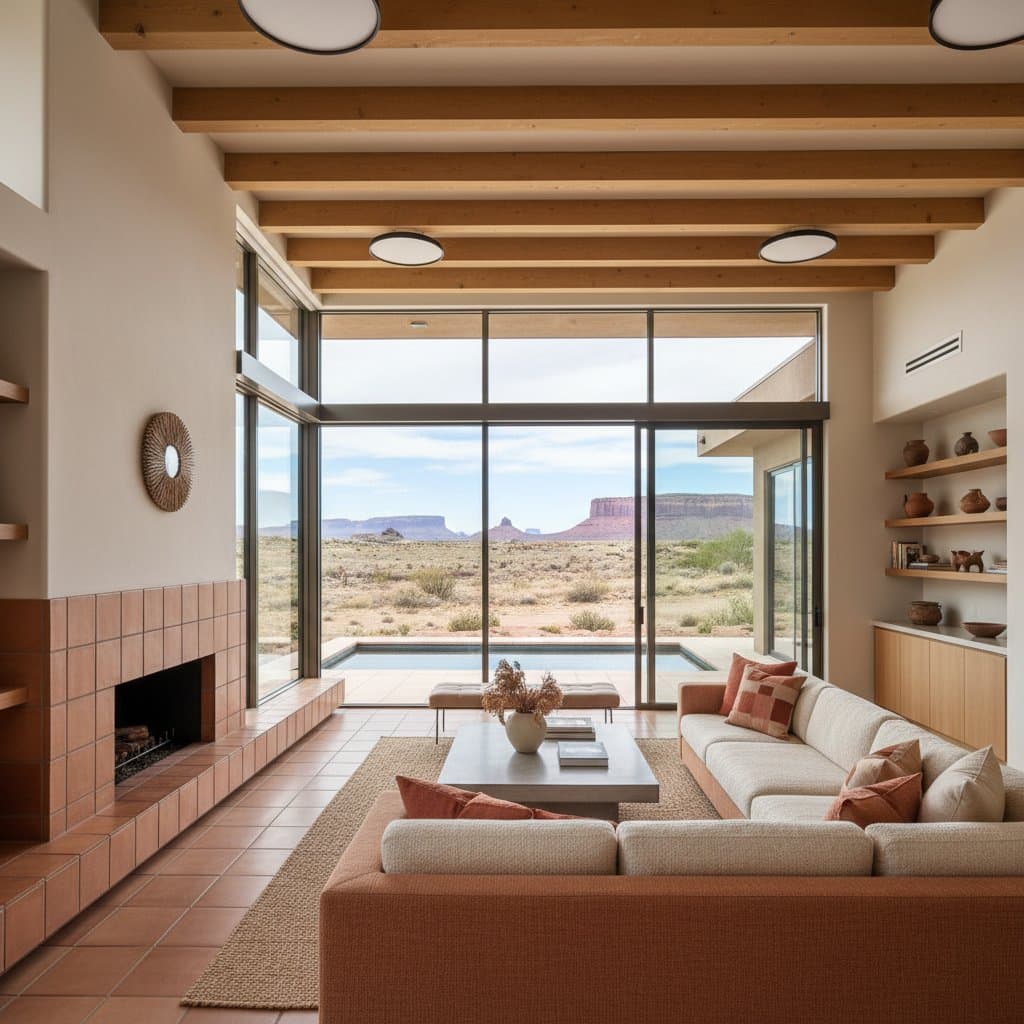
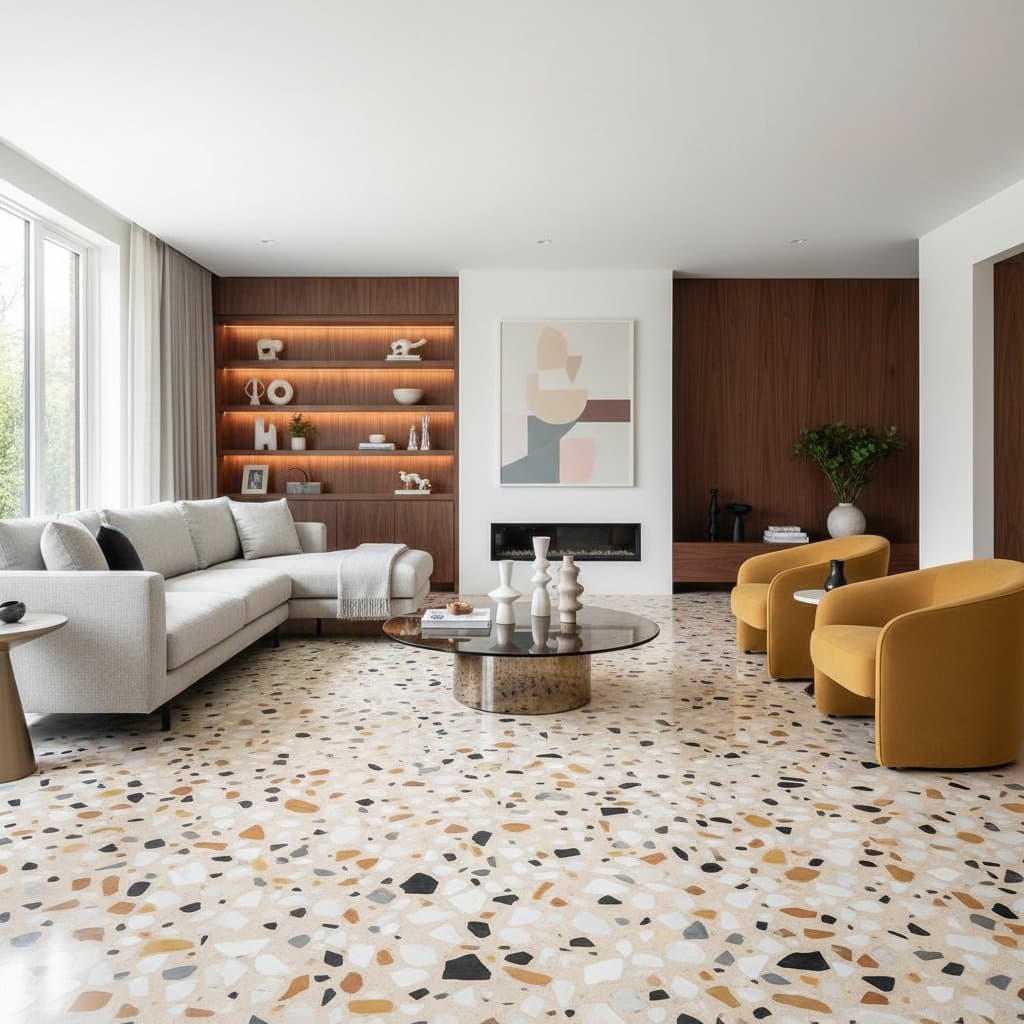
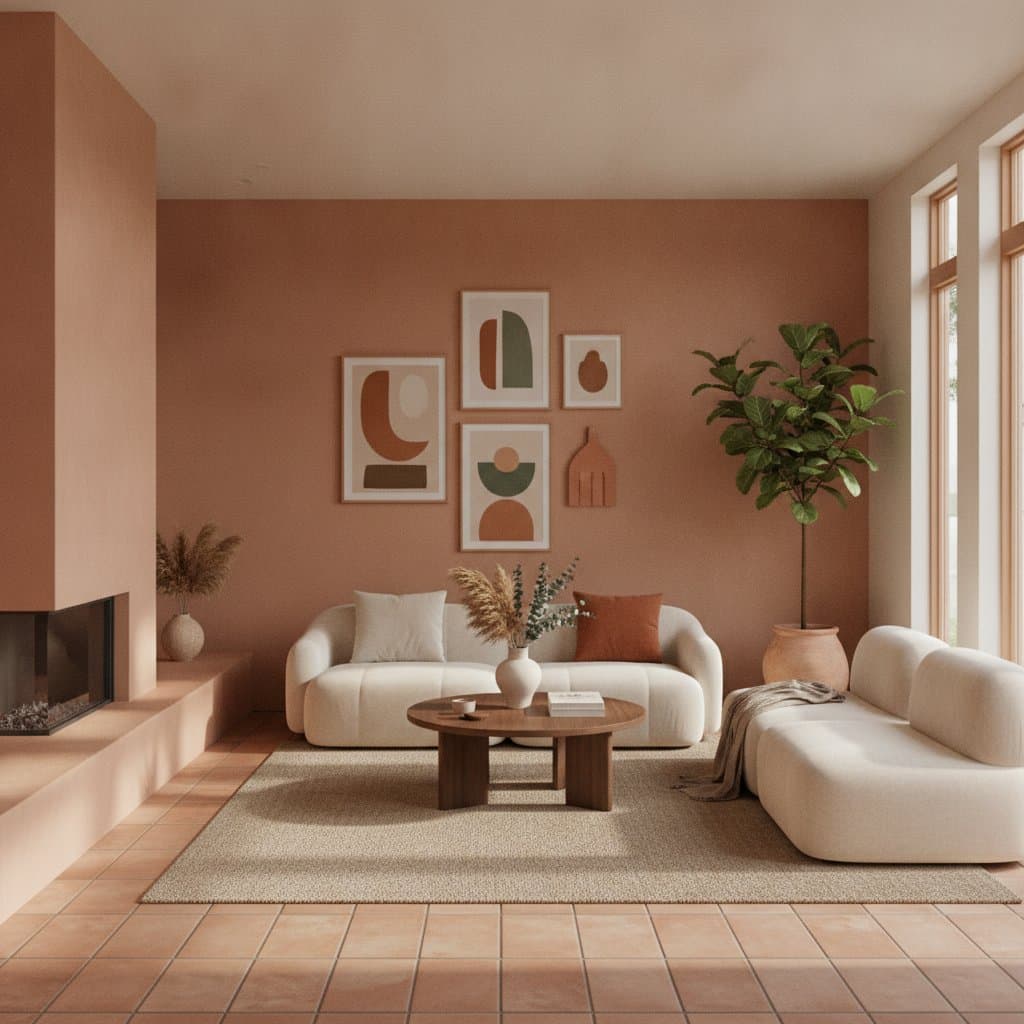
Base tones include sand, clay, bone, and driftwood. Accent tones include rust, charcoal, and sage. Stay under five total hues for a calm effect. Avoid bright whites that glare.
Materials
Use concrete for floors and patios. Apply stucco or lime plaster for walls. Incorporate steel and glass for structure and contrast. Add wood and woven fibers for warmth.
Layout
Create open interiors with zones defined by furniture rather than walls. Add courtyards or patios that connect indoor and outdoor space. Emphasize horizontal lines that echo desert horizons.
Light
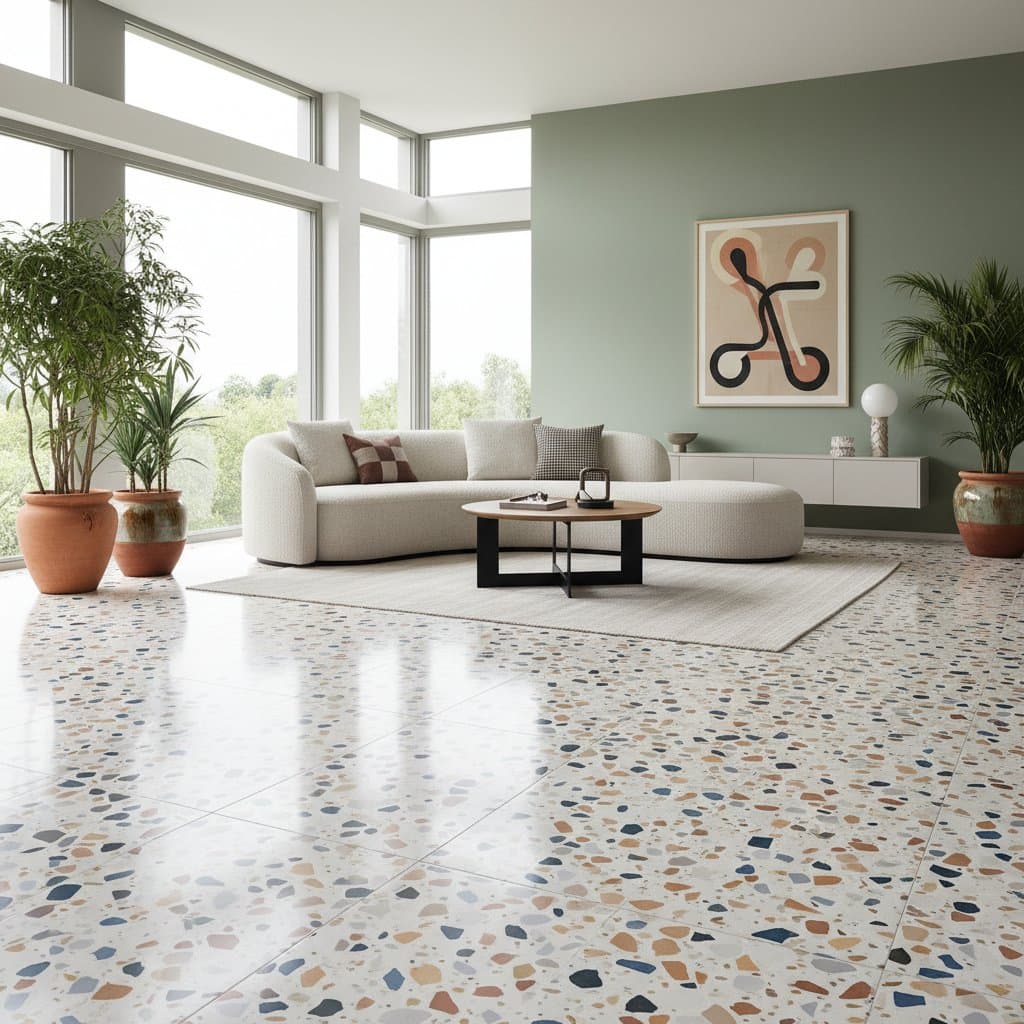
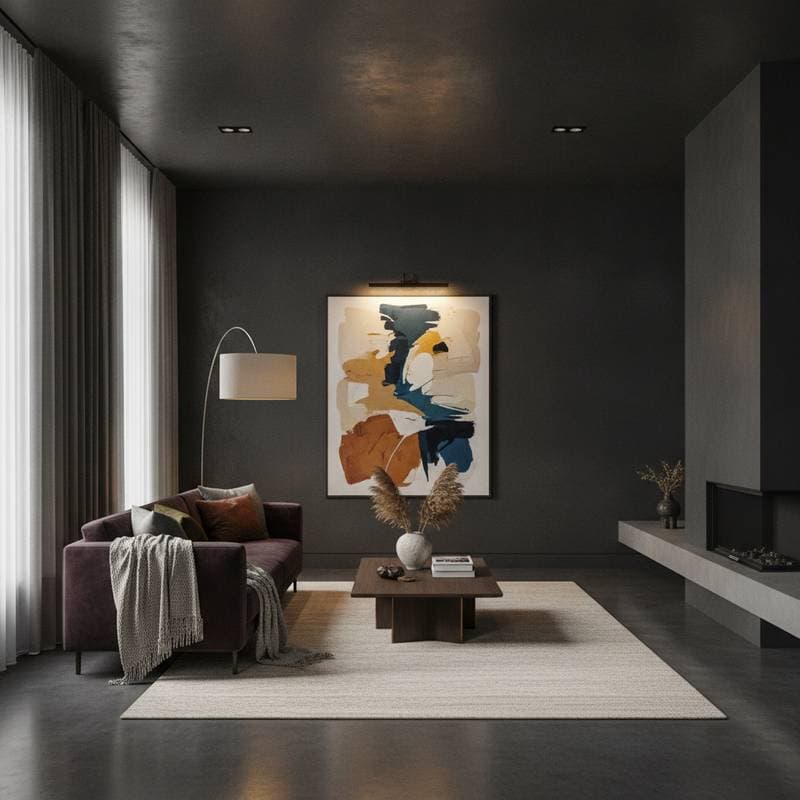
Natural light is central. Clerestory windows and skylights bring glow without direct heat. Layered lighting with dimmers extends usability into evening hours.
Regional Adjustments
Desert Modern adapts to many climates with small tweaks. In humid areas, use treated wood and vapor barriers. In cold zones, add higher insulation values and triple glazing. Near the coast, choose corrosion resistant metals for structure and fixtures. These changes lift cost by 5 to 20 percent, but they extend durability and keep the look consistent across regions.
Long Term Value
Making It Happen
Start Small
Begin with finishes you can manage yourself. Replace bright paint with earthy tones and simplify window coverings. Add natural fiber rugs and matte metal hardware to introduce texture.
Plan Your Budget
Decide early if this is a cosmetic update or a structural remodel. Gather quotes for materials and labor with separate line items. Include contingency for delays or code upgrades.
Build in Phases
If cost is a concern, prioritize structural efficiency first. Upgrade insulation, windows, and orientation before decorative touches. Then add furniture and lighting once the bones are right.
Find the Right Team
Look for builders or designers familiar with desert climates. Ask for examples of homes with similar materials and request references. Confirm licensing and insurance before signing contracts.
Stay Flexible
Supply shortages or weather can shift timelines. Keep your schedule realistic and expect small delays. Communicate often with your contractor to adjust sequencing without losing momentum.
Next Steps for Implementation
- Define your scope. Decide if you want a full build, partial remodel, or simple refresh.
- Set a clear budget. Include materials, labor, permits, and a 15 percent contingency.
- Gather inspiration. Study regional Desert Modern examples for proportion and material ideas.
- Hire or DIY smartly. Take on only the tasks that match your skill and tool level.
- Schedule wisely. Plan work for cooler months to avoid material and labor bottlenecks.
- Maintain consistently. Clean finishes gently, reseal surfaces on schedule, and track warranties.
The Desert Modern trend rewards careful planning. Done right, it delivers comfort, low upkeep, and a timeless look that fits both desert and city life.